Tips
What Is the Primal Diet? Why Your Inner Caveman Might Need a Salad
Curious what is the primal diet? Discover how eating like your ancient ancestors—with a side of cheese—might energize you (and your next caveman impression).
Real-Life Fitness for Real People
Since 2024
Curious if a 5-day cleanse really “detoxes” your body or just makes you hungry and slightly cranky? Get the science, real risks, and smarter options that last.
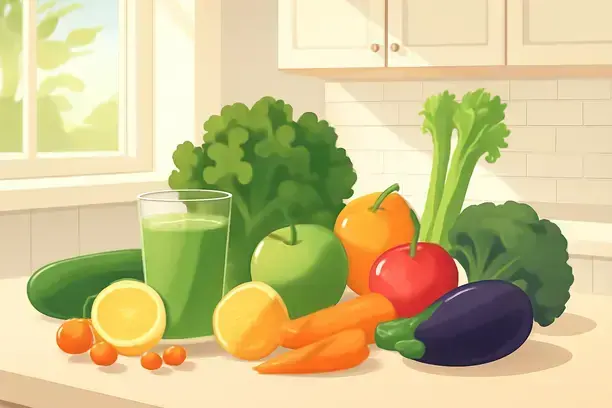
5-day cleanse programs promise to detox your body, flush toxins, jumpstart weight loss, and reset your liver—all in just five days. In truth, there’s little scientific evidence supporting claims that a short cleanse will actually remove toxins or provide lasting results.
Here’s what’s actually happening. Detoxification isn’t something you buy in a bottle—it’s a continuous process your liver and kidneys handle naturally. They filter and neutralize waste products like metabolic byproducts, medication residues, and environmental chemicals every single day. No short-term cleanse has been shown to speed up or enhance this process beyond what your organs already do Source: Academy of Nutrition and Dietetics.
Let’s talk about that rapid weight loss you’ll likely see on the scale. Most of it comes from water, glycogen depletion, and eating far fewer calories than usual—not from burning fat. Once you return to normal eating, that weight typically comes right back. Studies show no lasting metabolic benefit from these short cleanses Source: National Center for Biotechnology Information.
As for the “liver reset” pitch? If your liver’s healthy, there’s nothing to reset in five days. Real improvements in liver function—like those seen in people recovering from alcohol-related liver disease—take months of sustained lifestyle changes, not a quick cleanse British Liver Trust.
For weight management that actually sticks, evidence-based, longer-term strategies work better. Check out our guide on targeted diet plans for weight loss for more sustainable approaches.
A 5-day cleanse might sound like a harmless reset, but it’s not safe for everyone. If you’re pregnant or breastfeeding, skip it—severe calorie restriction poses real risks to both you and your baby. People with type 1 diabetes face dangerous blood sugar swings during restrictive eating, and if you have kidney disease, the extra metabolite and fluid load can worsen your condition. Anyone with a history of eating disorders should avoid cleanses that impose strict dietary rules Source: Academy of Nutrition and Dietetics.
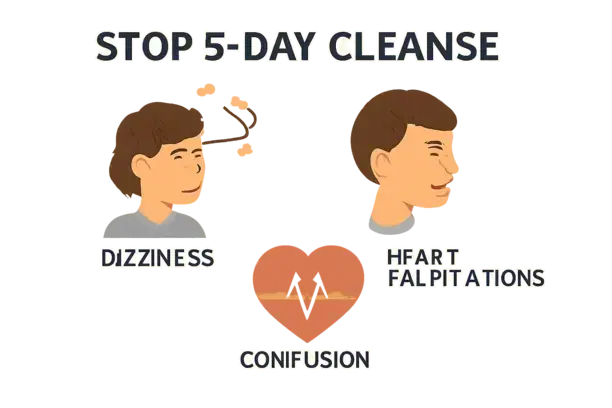
Even if you’re generally healthy, stop immediately if you experience:
These symptoms can signal serious problems like electrolyte imbalances, low blood sugar, or dehydration—all of which need urgent medical attention Mayo Clinic.
Medication interactions are another big concern. Cleanses can mess with how your body absorbs or processes drugs—especially blood thinners, diabetes medications, heart drugs, and mood stabilizers. If you take any prescription or over-the-counter meds, run the cleanse plan by your healthcare provider first Source: FDA.
If you have chronic conditions like heart disease, high blood pressure, digestive disorders, or mental health issues, check with your doctor before starting. Honestly, a sustainable, balanced eating approach—like the healthy meal plans we recommend—is usually a smarter, safer bet than a restrictive cleanse.
When you’re evaluating a 5-day cleanse, ingredient transparency matters. Most kits deliver somewhere between 850 and 1,200 calories daily, with protein ranging from 20 to 40 grams, fiber between 15 and 35 grams, sugars from 40 to 80 grams, and sodium usually kept around 1,000 to 1,500 mg. Micronutrient levels—vitamins C, A, B complex, calcium, magnesium, iron—vary widely by brand. Make sure these numbers align with your health needs, and loop in your healthcare provider if you have special dietary requirements.
Common ingredients you’ll see include green juices (think cucumber, spinach, kale), nut-based snacks, vegetable soups, herbal teas, and sometimes meal replacement shakes. Many cleanses are vegan and gluten-free, but watch out for allergens like nuts, soy, or gluten lurking in the ingredient list.
Quality cues like non-GMO certification, organic sourcing, and the absence of preservatives or artificial sweeteners can differ between products. Sweeteners might be natural (apple juice, agave, dates) or alternatives like stevia or monk fruit. Some programs let you swap out foods for allergies or taste preferences—replacing almond snacks with chia pudding or nut-free bites, for example.
Here’s what a typical day might look like:
Always check the nutrition and ingredient labels on every item. If you need more (or fewer) calories, adjust portion sizes or add nutrient-dense snacks. For tips on staying full while managing calories, see our guides on satiety with calorie deficits and nutrient-dense meals.
For independent verification and labeling standards, consult the actual product labels and trusted resources like the U.S. FDA. This way, you’ll avoid hidden allergens or additives and tailor the cleanse to fit your dietary needs.
Finishing a cleanse is just the beginning—how you reintroduce food can make or break your results. Start with small, gentle meals like broths, steamed vegetables, and plain brown rice. Give yourself a few hours between eating to tune into your hunger and fullness cues.
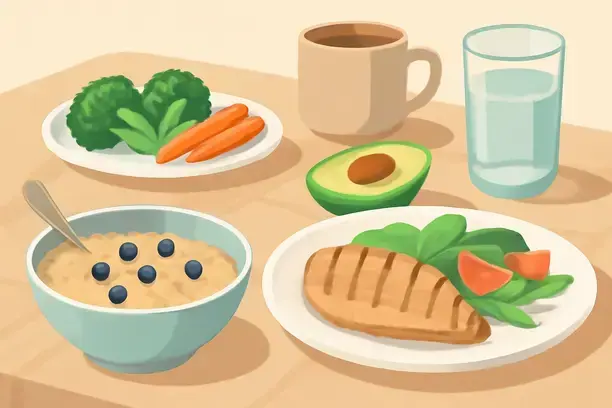
By day two, you can gradually add cooked whole grains, soft fruits like bananas, and easy-to-digest proteins such as eggs or tofu. Between days three and five, expand to lean meats, legumes, and a wider variety of vegetables. At first, keep portions to about half your usual intake and increase them as your digestion adjusts.
To avoid rebound overeating, practice mindful eating: eat without distractions, chew thoroughly, and stop before you’re stuffed. Keep a simple log of your hunger levels, weight, energy, and digestion to help you track what’s working.
For lasting benefits, build your meals around:
Here’s a sample post-cleanse day: oatmeal with berries and a boiled egg for breakfast; grilled chicken with roasted sweet potato and a leafy salad for lunch; a handful of almonds or Greek yogurt as a snack; and stir-fried vegetables with tofu and brown rice for dinner.
For more ideas, explore our guides on vegetable-forward meals and healthy eating on a budget.
Sustaining your results isn’t about perfection—it’s about building habits that last. Consider structured plans like our 5-day healthy meal plan to support ongoing balanced nutrition.
For more expert advice on post-cleanse recovery, check out Cedars-Sinai Health and the Academy of Nutrition and Dietetics.
Many 5-day cleanses come with glowing testimonials—dramatic weight loss, soaring energy levels, you name it. But here’s the thing: credible reports should include disclaimers like “individual results vary,” specify how long the effects lasted, and clarify that outcomes are typically short-term.
Here’s what you can realistically expect from a 5-day cleanse:
Claims like “removes toxins” or “resets metabolism” don’t have solid science behind them. For a detailed look at evidence versus hype, check out our evidence-focused 5-day cleanse guide.
If you’re after realistic weight loss approaches, resources showcasing actual calorie deficit outcomes and balanced short-term plans might serve you better—like our guides on calorie deficit results and a 3-day diet plan. Always consult a healthcare provider before starting any restrictive regimen, and take testimonials with a healthy dose of skepticism.
For more perspective on detox claims and outcomes, see: NHS – Detox Diets: Are They Safe and Effective? and Mayo Clinic – Detox diets: Do they work?.
With so many 5-day cleanse options out there—from juice cleanses to meal kits to supplement regimens—it pays to compare carefully. Let’s break down what to look for.
By matching your selection to your goals and health needs, you’ll reduce the risk of wasting money or compromising your safety. For detailed program reviews and cost comparisons, visit Best 5-Day Cleanse Plans – Reviews & Cost Guide.
If you’re after sustainable, wholesome eating instead of rapid detoxification, consider balanced options like our 5-day healthy meal plan as a safer alternative.
Curious what is the primal diet? Discover how eating like your ancient ancestors—with a side of cheese—might energize you (and your next caveman impression).
Curious about the zero starch diet? Learn what you can actually eat, how to avoid salad boredom, and why potatoes are definitely not invited to this party.
A beginner swim workout turns splashing around into smart, safe exercise—even if your best stroke is “try not to panic.” Learn to swim with confidence (and laughs).