Tips
What Is the Primal Diet? Why Your Inner Caveman Might Need a Salad
Curious what is the primal diet? Discover how eating like your ancient ancestors—with a side of cheese—might energize you (and your next caveman impression).
Real-Life Fitness for Real People
Since 2024
Managing hunger while maintaining a calorie deficit is one of the biggest challenges in achieving successful weight loss. Constantly feeling hungry can derail even the most determined individuals. However, understanding how to stay full on a calorie deficit and making strategic food choices can significantly impact satiety, making it easier to consume fewer calories without …
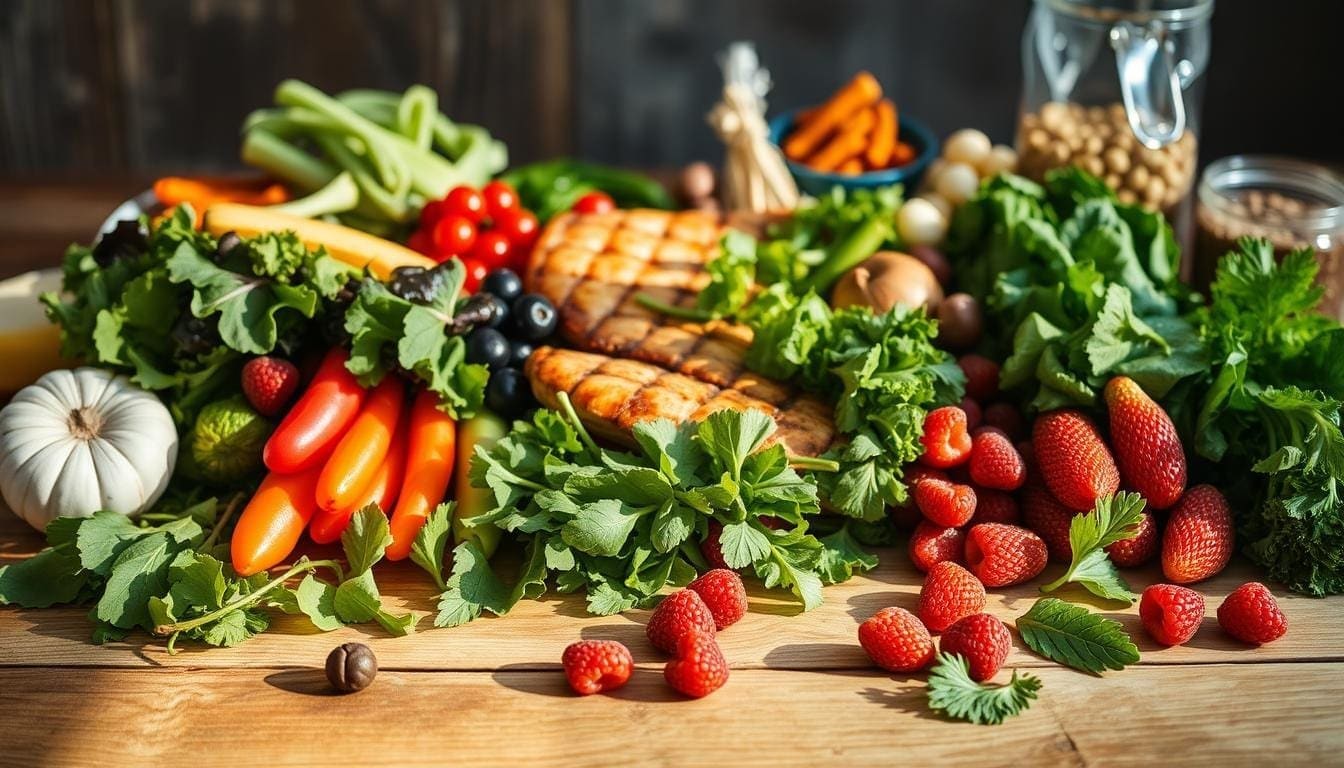
Managing hunger while maintaining a calorie deficit is one of the biggest challenges in achieving successful weight loss. Constantly feeling hungry can derail even the most determined individuals. However, understanding how to stay full on a calorie deficit and making strategic food choices can significantly impact satiety, making it easier to consume fewer calories without feeling deprived.
Eating the right foods can help keep you full, supporting your weight management goals. In this article, we’ll explore 7 key foods that can help you stay satisfied while on a calorie deficit, and provide practical strategies for how to stay full on a calorie deficit and achieve sustainable weight loss.
The concept of calorie deficit is central to any successful weight loss plan. Essentially, your body needs energy to function, just like a car needs fuel. This energy is measured in calories. When you consume fewer calories than your body burns, you create a calorie deficit.
A calorie deficit occurs when your body burns more calories than it consumes. This deficit forces your body to use stored fat for energy, leading to weight loss. It’s a simple yet effective principle: if you eat fewer calories than you burn, you’ll lose weight.
A safe and sustainable rate of weight loss is achieved by cutting about 500 calories per day. This typically results in a loss of about 1 pound per week. However, the exact number of calories you should cut depends on factors like age, sex, activity level, and current weight. It’s also important to ensure you’re not cutting too many calories, as extreme restriction can be counterproductive and potentially harmful.
The body’s response to a calorie deficit can be intense hunger, a phenomenon rooted in biology. Your body fights you, and everybody’s body fights them because of something called Homeostasis – which is your body being in balance hormonally.
It’s not just about feeling hungry; it’s about understanding why your body resists weight loss. The science behind this resistance lies in the complex interplay of hunger hormones. Key players like ghrelin, which increases hunger, and leptin, which signals fullness, play crucial roles in this process.
Ghrelin and leptin are two significant hormones that regulate hunger and fullness. When you’re on a calorie deficit, your body might produce more ghrelin to stimulate appetite, making you feel hungrier. Conversely, leptin levels may decrease, reducing the sensation of fullness.
Your body’s resistance to weight loss is a survival mechanism. The concept of “set point theory” suggests that your body fights to maintain its comfortable weight range. Factors like stress, sleep deprivation, and dehydration can amplify hunger sensations, making it even more challenging to stick to your diet.
Understanding these mechanisms can help you develop strategies to manage hunger effectively. It’s not about willpower; it’s about working with your body rather than against it.
In the quest for weight loss, protein stands out as a vital component for managing hunger. When you’re on a calorie deficit, your body needs the right nutrients to keep you full and support your weight loss journey.
Protein takes longer to digest than carbohydrates or fat, which means it keeps you feeling fuller for longer. This prolonged digestion process reduces the frequency of hunger pangs, making it easier to stick to your calorie deficit diet. Additionally, protein has a higher thermic effect, meaning your body burns more calories digesting it, further supporting your weight loss efforts.
Some of the best protein sources include lean meats like chicken and turkey, fish such as salmon, eggs, dairy products like Greek yogurt, and plant-based options like lentils and chickpeas. For example, a serving of chicken breast contains about 30g of protein, while a serving of lentils provides around 18g. Strategically incorporating these food items into your meals can help you stay full while reducing overall calorie intake, supporting your weight loss and fat loss goals.
Incorporating high-fiber foods into your diet can be a game-changer when trying to stay full on a calorie deficit. Not only do these foods provide essential nutrients, but they also play a significant role in reducing hunger.
Fiber comes in two forms: soluble and insoluble. Soluble fiber absorbs water, expanding in the stomach to create a feeling of fullness. Insoluble fiber, on the other hand, helps to move food through the digestive system, preventing hunger pangs. Together, they work to keep you feeling fuller for longer.
Fiber also slows down digestion, which leads to more stable blood sugar levels and reduced hunger spikes. This is particularly beneficial when on a calorie deficit, as it helps to maintain energy levels without consuming excessive calories.
Including a variety of high-fiber foods in your diet can be easy and delicious. Some top choices include:
Research has shown that high-fiber diets are associated with lower body weights and better weight management. By incorporating these foods into your meals, you can enhance their satiating effect and support your overall health and weight loss goals.
Eating the right foods can make a significant difference when trying to stay full on a calorie deficit. Incorporating specific foods into your diet can help you feel fuller for longer, making it easier to stick to your weight loss plan.
Greek yogurt is an excellent choice for those on a calorie deficit. With approximately 10g of protein, 0.4g of fat, and 3.6g of carbohydrates per serving, it provides high protein with relatively low calories (about 59kcal). This makes it an ideal snack or addition to meals to enhance satiety.
Oatmeal is another food that can help keep you full. Its combination of soluble fiber and complex carbohydrates provides sustained energy and fullness. A bowl of oatmeal can be a satisfying breakfast or snack that helps curb hunger.
Eggs are a complete protein source, meaning they contain all nine essential amino acids. Studies have shown that eating eggs for breakfast can reduce calorie intake throughout the day. With about 12g of protein, 11g of fat, and 1.1g of carbohydrates per large egg, they are a nutritious choice for those on a calorie deficit.
Potatoes are surprisingly satiating despite their carbohydrate content. According to the Satiety Index, they rank as one of the highest satiating foods. This makes them a valuable addition to meals when trying to stay full on a calorie deficit.
Lean proteins such as chicken breast, turkey, and white fish provide maximum protein with minimal calories. For example, chicken breast contains about 31g of protein per 100g serving with only 165 calories. Incorporating lean proteins into your meals can help maintain satiety.
Legumes and beans offer a perfect combination of protein and fiber for long-lasting fullness. Tinned mixed beans, for instance, contain about 8.7g of protein, 0.5g of fat, and 22.8g of carbohydrates per 100g serving (about 127kcal). They are versatile and can be added to various dishes.
Berries and high-volume fruits like strawberries and blueberries provide sweetness, fiber, and high water content for very few calories. Strawberries contain about 0.7g of protein, 0.3g of fat, and 8g of carbohydrates per 100g (about 32kcal). They are an excellent snack for those on a calorie deficit.
Combining these foods can enhance their satiety-promoting effects. For example, pairing protein with fiber-rich foods can keep you fuller for longer. Here’s a table summarizing the nutritional information for these foods:
| Food | Protein (g) | Fat (g) | Carbohydrates (g) | Calories (kcal) |
|---|---|---|---|---|
| Greek Yogurt | 10 | 0.4 | 3.6 | 59 |
| Eggs (large) | 12 | 11 | 1.1 | 155 |
| Legumes | 5 | 0.4 | 14 | 81 |
| Tinned Mixed Beans | 8.7 | 0.5 | 22.8 | 127 |
| Strawberries | 0.7 | 0.3 | 8 | 32 |
| Blueberries | 0.7 | 0.3 | 15 | 57 |
By incorporating these foods into your diet and understanding their nutritional benefits, you can better manage hunger while on a calorie deficit. Meal planning and combining these foods effectively can further enhance their satiety-promoting effects.
Water plays a significant role in controlling appetite and enhancing weight loss. When on a calorie deficit, it’s essential to understand how hydration impacts your body‘s needs and overall weight loss strategy.
Drinking water can help control hunger by creating a sense of fullness. Often, thirst signals are misinterpreted as hunger, leading to unnecessary calorie consumption. Research has shown that drinking water before meals can reduce calories intake.
Moreover, proper hydration supports metabolism and overall bodily functions that affect hunger regulation. A simple yet effective method is to replace all sugar-sweetened beverages with water, which has no calories.
To stay hydrated, it’s generally recommended to drink 2-3 liters of water per day, depending on activity level and climate. Practical strategies include drinking a glass of water before meals and at certain times of the time throughout the day.
Incorporating water-rich foods like cucumbers, watermelon, and lettuce can also increase hydration and volume. Additionally, alternatives like sparkling water, herbal teas, and other zero-calorie beverages can be used.
| Hydration Tips | Benefits |
|---|---|
| Drink water before meals | Reduces calorie intake |
| Replace sugary drinks with water | Significant calorie deficit without increasing hunger |
| Incorporate water-rich foods | Increases hydration and volume |

When on a calorie deficit, it’s essential to plan your meals strategically to maximize fullness and nutrition. The goal is not just to cut calories but to ensure you’re nourished and satisfied throughout the day while eating food that supports your overall weight loss goals.
Different meal timing approaches can significantly impact your hunger levels. Some people prefer three larger meals, while others opt for 5-6 smaller meals throughout the day. The key is to determine which approach works best for your lifestyle and body. For instance, if you have a busy schedule, more frequent but smaller meals might be more effective in keeping you full.
A balanced meal structure is crucial for maximizing fullness. Start with vegetables, which are low in calories but high in volume and fiber. Include a source of protein to help keep you fuller for longer. Add fiber-rich carbohydrates like whole grains or legumes, and don’t forget a bit of healthy fat for flavor and to support hormone production. For example, a meal consisting of grilled chicken (protein), quinoa (fiber-rich carbs), and steamed broccoli (vegetables) with a drizzle of olive oil (healthy fat) is both satisfying and nutritious.
By planning your meals and structuring them to be balanced and filling, you can make a calorie deficit more manageable and sustainable, ultimately supporting your overall weight loss goals.
By incorporating high-volume, low-calorie foods into your diet, you can trick your brain into feeling fuller for longer. This strategy is particularly useful when you’re on a calorie deficit, as it helps to reduce hunger while still allowing you to eat satisfying meals.
The concept of food volume is based on the idea that the physical volume of food in the stomach plays a significant role in triggering satiety signals. Foods with high water content, fiber, and air incorporation can increase the volume of food without adding significant calories. For example, Slendier Spaghetti contains 3.9g of fiber and only 8kcal per 100g, making it an excellent alternative to traditional pasta.

One effective way to implement volume eating is by making low-calorie food swaps. For instance, you can replace regular rice with cauliflower rice, which is much lower in calories but similar in volume. Other examples include using zucchini noodles instead of traditional noodles and opting for vegetable-packed soups and salads.
| Food | Calories per 100g | Fiber per 100g |
|---|---|---|
| Slendier Spaghetti | 8kcal | 3.9g |
| Traditional Spaghetti | 150kcal | 2.5g |
| Cauliflower Rice | 25kcal | 2.1g |
| Regular Rice | 130kcal | 0.6g |
Eating mindfully is not just about savoring your food; it’s also about understanding your body’s hunger cues. When you’re on a calorie deficit, managing hunger can be challenging, but mindful eating can help.
One key aspect of mindful eating is slowing down. The hormone Leptin takes about 20 minutes to signal to your brain that you’re full. Eating quickly can lead to consuming more calories before this signal is received. Techniques to slow down include putting your fork down between bites and engaging in conversation during meals.
Distinguishing between physical hunger and emotional hunger is crucial. Physical hunger is gradual and can be satisfied with a variety of foods, whereas emotional hunger is sudden and often craves specific comfort foods. Being aware of your hunger cues and eating slowly can help you recognize true hunger. Strategies like using a hunger scale (1-10) before and during meals can also help assess your true hunger level.
Being on a calorie deficit doesn’t have to mean being hungry all the time, unless you make these mistakes. Cutting too many calories can lead to several side effects, including constipation, dehydration, fatigue, headaches, and nausea, making you feel “hangry.” A significant but sustainable calorie deficit is more effective in the long run.
Common mistakes include cutting calories too drastically, inadequate protein intake, eliminating entire food groups, inconsistent eating patterns, insufficient fiber intake, dehydration, poor food choices, and lack of sleep or high stress levels. These errors can trigger stronger hunger signals, metabolic adaptations, and increased cravings, making it harder to maintain your weight loss journey.
Maintaining a calorie deficit doesn’t have to mean being constantly hungry. By incorporating protein-rich foods, high-fiber foods, and practicing mindful eating, you can stay full while losing weight. The key is to aim for a reasonable deficit that allows for slow and steady weight loss, rather than trying to cut calories drastically.
Focus on sustainable weight loss by being patient, consistent, and listening to your body. Celebrate non-scale victories like increased energy and better sleep. Start with one or two strategies and adjust as needed. The best approach is one you can maintain long-term, so prioritize your overall health and well-being.
A calorie deficit occurs when you consume fewer calories than your body burns, resulting in weight loss. This is necessary because when you eat fewer calories, your body uses stored energy sources, such as fat, for energy.
To ensure adequate protein intake, include lean proteins like chicken, fish, and turkey in your meals, and consider adding protein-rich foods like Greek yogurt and eggs to your diet.
Hunger is triggered by hunger hormones like ghrelin, which can be affected by factors like meal timing and food choices. Eating high-fiber foods and protein-rich foods can help keep you fuller for longer.
Yes, water can help control appetite and reduce hunger. Drinking water throughout the day, especially before meals, can be an effective hydration strategy.
Meal planning involves eating balanced meals that include a mix of protein, healthy fats, and complex carbohydrates. Eating frequently and incorporating high-volume foods can also help.
Yes, foods high in fiber and protein, such as legumes, beans, and Greek yogurt, can help keep you full. Incorporating low-calorie but filling foods like berries and oatmeal can also be beneficial.
Avoid skipping meals, not eating enough protein, and not drinking enough water. Also, be mindful of your emotional eating habits and try to eat slowly and mindfully.
Yes, you can still enjoy your favorite foods in moderation. Practicing mindful eating and making low-calorie food swaps can help you stay on track while still enjoying the foods you love.
Curious what is the primal diet? Discover how eating like your ancient ancestors—with a side of cheese—might energize you (and your next caveman impression).
Curious about the zero starch diet? Learn what you can actually eat, how to avoid salad boredom, and why potatoes are definitely not invited to this party.
A beginner swim workout turns splashing around into smart, safe exercise—even if your best stroke is “try not to panic.” Learn to swim with confidence (and laughs).