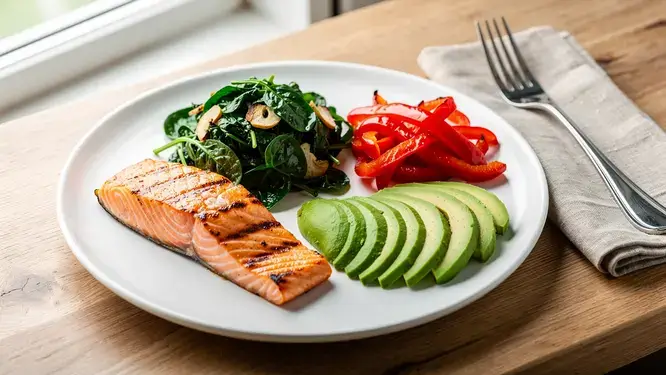
Tips
What Is the Primal Diet? Why Your Inner Caveman Might Need a Salad
Curious what is the primal diet? Discover how eating like your ancient ancestors—with a side of cheese—might energize you (and your next caveman impression).
Real-Life Fitness for Real People
Since 2024
Curious if a 5-day cleanse really flushes “toxins,” resets your digestion, or just leaves you hangry? See what science and your liver have to say—spoiler: it’s honest!
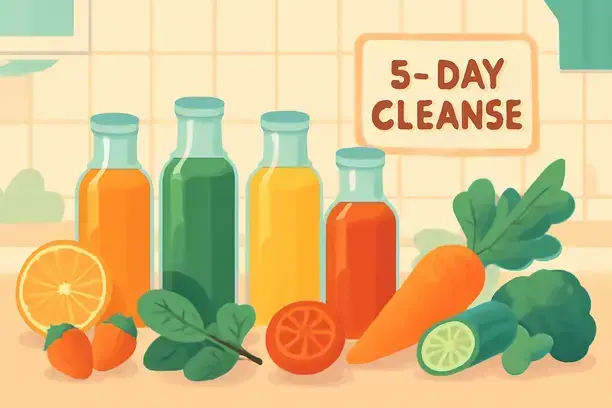
5-day cleanse programs are typically marketed as a quick way to flush “toxins” from your body—usually through juice fasts, herbal teas, or supplement protocols. The reality is your liver, kidneys, and digestive system already detoxify around the clock by filtering out environmental chemicals, medication byproducts, and waste from food—no special plan required.
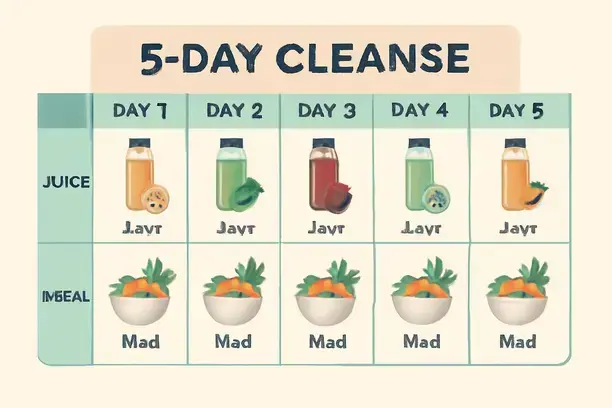
Most commercial cleanses don’t specify which toxins they’re targeting. You’ll see vague terms like “impurities” or “built-up waste,” but there’s no clinical test you can take to measure reductions in undefined toxins. Medical detox—the kind hospitals use for drug overdoses or severe poisoning—is a completely different process Source: National Institutes of Health.
After five days on a cleanse, you might see:
What you won’t find is a validated test for overall “toxin load” that these cleanses claim to address. Subjective reports of improved mood or energy are tough to quantify outside controlled research.
Bottom line: cleanses might offer a psychological reset or help you cut back on junk food, but the dramatic detox promises aren’t backed by science. Real, lasting improvements come from balanced eating, plenty of plants, and modest calorie control. If you want to maintain healthy eating habits after a cleanse, check out our guide on how to stick to a diet when hungry.
A 5-day cleanse isn’t safe for everyone. If you fall into any of these groups, it’s best to avoid restrictive regimens:
Always talk to your healthcare provider before starting a cleanse—especially if you have medical conditions or take medications Source: Cleveland Clinic.
If any of these warning signs show up during your cleanse, stop immediately—and seek medical care if symptoms persist:
These symptoms could signal electrolyte imbalances, dangerously low blood sugar, or other serious issues requiring prompt attention Source: NHS.
Review your medications and health status before you begin. If you have conditions like diabetes or epilepsy, certain drugs depend on regular food intake for safety and effectiveness.
Consult your doctor or pharmacist to avoid harmful interactions UCLA Health.
Keep a close eye on how you feel. If you’re unwell, fatigued, or mentally foggy, stop the cleanse early. Your health matters more than finishing any plan.
For a safer alternative, consider a balanced meal plan as a gentler reset healthy meal plan alternative to a cleanse.
Most juice- or soup-based 5-day cleanses deliver around 900 to 1,300 calories per day. Daily macros usually break down to 80–100 grams of carbs (with 60–80 grams from sugar), 5–17 grams of protein, and 2–12 grams of fat.
Fiber often runs lower than a typical diet—roughly 8–15 grams—because pulp gets removed. Sodium varies widely, from 600 to 1,600 mg, depending on broth or seasoning.
Micronutrients vary based on the fruits and veggies used, though vitamin A and antioxidants are usually solid. You’ll want to cross-check these totals against your activity level and nutrient needs. If you’re active, you may need to supplement with snacks or extra protein macro diet for weight loss guide.
Going vegan? Swap bone broth for lentil or miso broth. Want more fiber or less sugar? Replace fruit with extra greens or toss in chia or flax seeds.
Most cleanses are naturally gluten-free, but check for hidden ingredients like thickeners. Always review full ingredient lists if you have specialized dietary needs—many brands publish these details online vegan diet planning and common gluten-free foods.
Watch for common allergens: nuts (cashew or almond milk), soy, celery, and nightshades. Trustworthy cleanses feature clear allergen labeling or dietary tags like “vegan” or “gluten-free.”
If you’re managing multiple allergies, request detailed ingredient lists—transparency varies widely between boutique juice bars and commercial brands. Always disclose your allergies to suppliers.
The FDA sets allergen labeling standards in the U.S. FDA allergen labeling.
Leading cleanse brands offer batch-specific ingredient breakdowns, sourcing details, and labels like “organic” or “non-GMO.” Many publish nutrition facts online or use QR codes linking to lab testing.
Compare micronutrient coverage against recommended daily values to ensure you’re getting enough nutrients nutrition.gov guide.
For DIY cleanses, making your own whole-food juices or soups gives you complete control healthy meal planning on a budget.
Your ideal cleanse balances transparency and tailored nutrition—helping you avoid common pitfalls. For diverse diet examples, see our sample diet menus. Additional label-reading resources are available from EatRight.org.
Finishing a 5-day cleanse feels like a milestone, but what comes next is just as important. A structured refeeding plan helps your digestive system adjust gently and minimizes rebound effects.
For help with consistent eating habits post-cleanse, see mindful eating tips for consistency.
Consistency with these basics supports ongoing success. More motivation and accountability ideas are available in how to keep a good diet.
If symptoms persist, consult a healthcare professional before jumping into intense exercise or another dietary regimen. Awareness during this phase is key to safe, lasting benefits Source: Centers for Disease Control and Prevention.
Many 5-day cleanse programs showcase testimonials featuring dramatic results—rapid weight loss, boundless energy. Responsible providers should reveal when testimonials were collected, how long the program lasted, and whether participants were compensated.
They must also clarify whether results are typical or exceptional to set realistic expectations.
No credible cleanse promises identical outcomes for everyone. Look for disclaimers like “individual results may vary” or “results not guaranteed.” If those warnings are missing, that’s a red flag.
Here’s what you’re likely to experience:
These effects usually resolve after you return to a regular diet. Scientific reviews generally find limited evidence supporting lasting weight loss or detox benefits from short cleanses Source: NIH NCCIH.
Some people find that cleansing helps them break old habits or boosts their fruit and vegetable intake, which can promote mindful eating. But claims of permanent detoxification or metabolic transformation lack scientific support—your liver and kidneys efficiently remove toxins without special diets British Dietetic Association.
Weight lost during a cleanse is often regained quickly without sustainable lifestyle changes. Long-term support through balanced diet plans or community accountability often yields better results boosting motivation for healthy eating and exercise.
Be wary of promises like quick fat loss, permanent toxin elimination, disease cures, or digestive resets. Such claims lack credible evidence, and most credible sources advise skepticism FDA Consumer Updates.
Focus on lasting change through mindful habits over short-term fixes. Learn more about how diet—not just cleanses—affects weight and wellness dietary habits for weight and wellness.
When choosing a 5-day cleanse, prioritize nutrition, safety, and transparency over price alone. You’ll want adequate calories—at least 800–1,000 daily for most adults unless medically supervised. Sufficient protein and micronutrients are crucial to prevent muscle loss and nutrient deficiencies Source: CDC.
Evaluate cost relative to ingredient quality and completeness. Some cheap cleanses rely on fillers or artificial flavors. Always review ingredient lists or nutrition panels, and verify certifications like gluten-free or vegan.
Programs suited to your health goals—weight loss, recovery, or avoiding allergens—offer better value. For extended support, consider resources on balanced eating maintaining a balanced diet for weight loss.
Quality assurance is essential: look for Good Manufacturing Practices (GMP), third-party testing, or NSF/USP certification to minimize contamination risks and ensure label accuracy Source: FDA.
Avoid products lacking transparency about sourcing or batch testing—especially imported or non-regulated items.
Use this checklist when comparing products:
Also consider your personal health, medications, pregnancy, or nursing status—consult healthcare professionals as needed Source: Mayo Clinic.
Ultimately, choose a program where nutritional soundness, cost, and quality assurance align with your priorities rather than marketing hype. For further guidance on healthy meal planning, see creating nutrient-rich meals on a budget.
Curious what is the primal diet? Discover how eating like your ancient ancestors—with a side of cheese—might energize you (and your next caveman impression).
Curious about the zero starch diet? Learn what you can actually eat, how to avoid salad boredom, and why potatoes are definitely not invited to this party.
A beginner swim workout turns splashing around into smart, safe exercise—even if your best stroke is “try not to panic.” Learn to swim with confidence (and laughs).