
Tips
What Is the Primal Diet? Why Your Inner Caveman Might Need a Salad
Curious what is the primal diet? Discover how eating like your ancient ancestors—with a side of cheese—might energize you (and your next caveman impression).
Real-Life Fitness for Real People
Since 2024
Sarah stared at the scale, frustrated for the third month in a row. She’d been eating salads, cutting carbs, and saying no to desserts, yet the number wouldn’t budge. Worse, her workouts felt weaker, and her clothes fit no differently. She loved the idea of getting healthier but hated feeling constantly deprived and hungry. Then …

Sarah stared at the scale, frustrated for the third month in a row. She’d been eating salads, cutting carbs, and saying no to desserts, yet the number wouldn’t budge. Worse, her workouts felt weaker, and her clothes fit no differently. She loved the idea of getting healthier but hated feeling constantly deprived and hungry.
Then her friend mentioned something called “macro tracking.” Instead of banning foods, it focused on balancing nutrients. Sarah could still enjoy her favorite meals while working toward her fitness objectives. This approach felt different—more sustainable than any restrictive plan she’d tried before.
Learning about macronutrients became her game-changer. She discovered how protein, carbs, and fats work together to fuel the body optimally. Understanding these ratios helped her create meals that supported fat burning while preserving lean muscle.
This guide will walk you through the same empowering journey. You’ll learn how to calculate your personal nutrient targets based on your unique body and activity level. We’ll explore science-backed strategies that offer flexibility while delivering real results.
The world of nutrition can seem overwhelming with so many different approaches to healthy eating. Many people jump from one trend to another without finding what truly works for their body and lifestyle.

This guide introduces a method that focuses on balanced nutrition rather than strict elimination. Instead of banning foods, you’ll learn to optimize your intake for better results.
You’ll discover that counting macros involves tracking proteins, fats, and carbohydrates. This approach provides more flexibility than traditional restrictive plans.
We’ll start with fundamental concepts before moving to practical calculations. The guide includes meal planning strategies and consistency tips for busy schedules.
You’ll find research-based information and expert insights from registered dietitians. The content helps you understand how to customize ratios based on your unique needs.
This method develops sustainable eating patterns that feel like lifestyle changes rather than temporary diets. You’ll also learn about helpful tracking tools that simplify daily decisions.
Your body relies on three fundamental building blocks to function optimally every day. These essential nutrients work together to power your system and support your health goals.
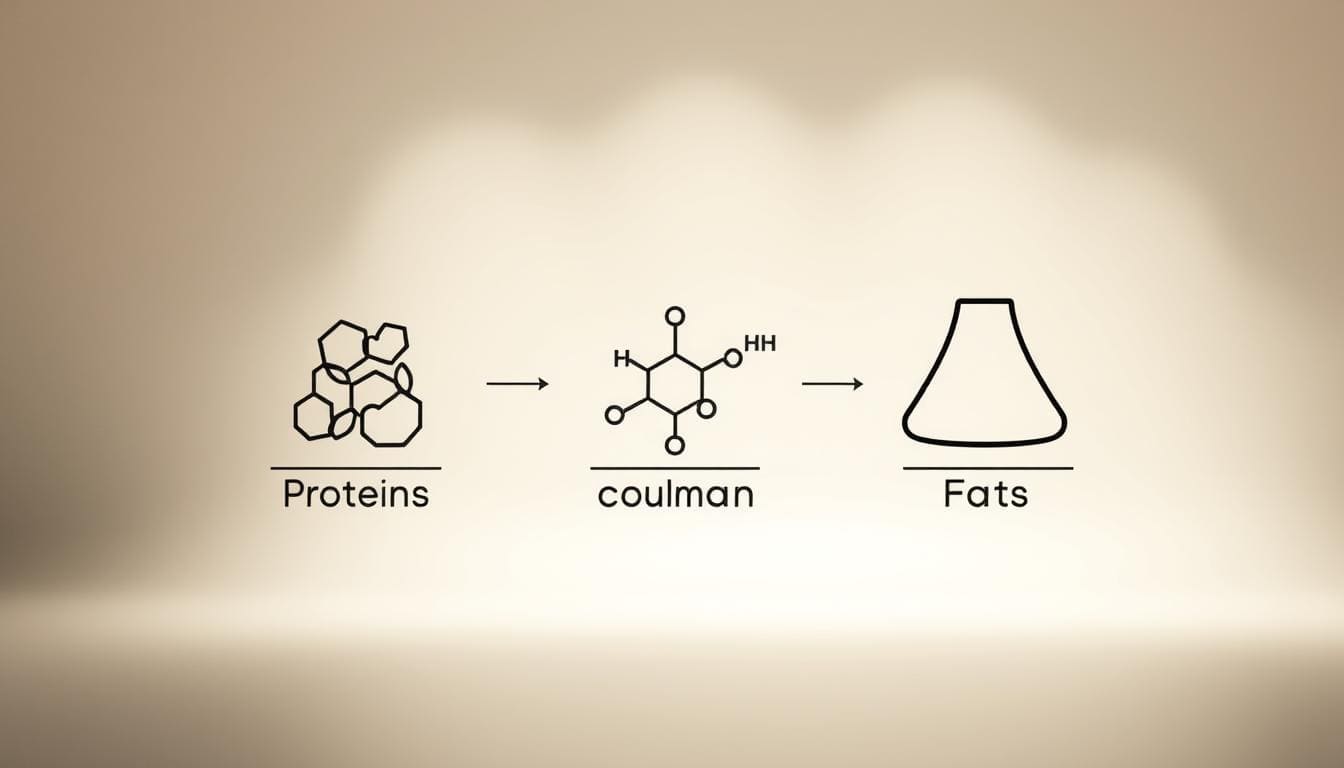
Protein plays a crucial role in maintaining your lean tissue. It provides the amino acids your body needs to repair and build muscle.
Research suggests consuming 1.2-2 grams of protein per kilogram of body weight supports muscle preservation. This nutrient also helps you feel full longer and boosts your metabolic rate.
Carbohydrates are your primary energy source. Focus on fiber-rich carbs like whole grains and vegetables for sustained fuel.
Healthy fats support hormone production and vitamin absorption. Include sources like avocados and nuts in your food choices. These fats provide lasting satisfaction after meals.
Understanding these macronutrients helps you make smarter food decisions. Each type of carbohydrates and fats serves specific purposes in your body.
Regardless of which eating pattern you follow, success ultimately depends on mastering this single nutritional concept. Being in a calorie deficit is the fundamental requirement for reducing your body weight.
A calorie deficit simply means consuming fewer calories than your body burns each day. This energy imbalance forces your system to tap into stored reserves for fuel.

Each macronutrient provides a different amount of energy measured in calories per gram. Understanding these values helps you make informed food choices while maintaining your deficit.
| Macronutrient | Calories Per Gram | Key Characteristics |
|---|---|---|
| Protein | 4 | Supports muscle retention and satiety |
| Carbohydrates | 4 | Primary energy source for activity |
| Fats | 9 | Energy-dense, supports hormone function |
Research consistently shows that total calorie intake matters most for weight loss. A comprehensive 2020 review of 121 studies found that various diets produced similar results when calories were controlled.
Another study comparing different approaches found only minimal differences in weight loss outcomes. This demonstrates that creating a sustainable calorie deficit is more important than specific nutrient ratios.
When you focus on nutrient balance rather than restriction, you unlock several powerful benefits for your health journey. This approach goes beyond simple calorie counting to provide a more comprehensive nutritional strategy.
Tracking your nutrient intake offers distinct advantages that support sustainable progress. You’ll discover how this method enhances both physical results and mental satisfaction.
One significant advantage involves improved fullness and natural metabolic support. Protein requires more energy to digest, creating a thermic effect that boosts your metabolism.
This process burns 20-30% of protein calories during digestion alone. Combined with healthy fats, this approach keeps you satisfied longer between meals.
| Benefit | Mechanism | Impact |
|---|---|---|
| Improved Fullness | Protein and fat slow digestion | Reduced cravings |
| Metabolic Boost | Thermic effect of food | Increased calorie burn |
| Muscle Preservation | Adequate protein intake | Maintained metabolism |
| Diet Flexibility | IIFYM approach | Long-term adherence |
The “If It Fits Your Macros” philosophy allows for occasional treats within your daily targets. This flexibility eliminates the deprivation that often derails traditional plans.
You’ll naturally gravitate toward nutrient-dense options while maintaining balance. This method teaches portion awareness and sustainable habits for lasting success.
Personalized nutrition starts with calculating your individual calorie targets based on your specific needs. This approach ensures your eating plan aligns with your unique metabolism and activity level.
Begin by finding your maintenance calories—the number your body needs to maintain its current weight. Tools like the NIH Body Weight Planner or BMR calculations provide accurate starting points.
Subtract 300-500 calories from your maintenance level to create a healthy deficit. This moderate reduction supports sustainable progress without extreme hunger.
Once you have your daily calorie target, apply your preferred nutrient ratio. Online calculators simplify this process by converting percentages into gram amounts.
For example, someone targeting 1,500 calories per day might need 112g protein, 150g carbs, and 50g fat. These tools make it easy to count macros accurately.
Remember that initial calculations provide a starting point. Monitor your progress and adjust based on how your body responds over time.
Finding the perfect nutritional balance isn’t about following rigid rules but adapting to your individual needs. The Dietary Guidelines for Americans provide flexible ranges rather than fixed numbers.
These guidelines suggest 45-65% carbohydrates, 20-35% fats, and 10-35% protein. This wide spectrum acknowledges that everyone’s optimal balance differs.
Your daily movement significantly influences your ideal nutrient distribution. More active individuals typically need higher carbohydrate intake to fuel their workouts.
For moderate exercise under one hour daily, try 30% protein, 30% fats, and 40% carbohydrates. This provides balanced energy while supporting muscle maintenance.
If you train one to two hours daily, increase carbs to 45% and reduce fats to 25%. Maintain protein at 30% to fuel longer sessions effectively.
Older adults often benefit from higher protein intake—up to 35-40%—to combat age-related muscle decline. This approach supports strength preservation during body composition changes.
Your specific health objectives also guide your ideal ratio. Someone managing blood sugar might carefully control carbohydrates, while another person might prioritize protein for muscle building.
Experiment within reasonable ranges to discover what makes you feel energized and satisfied. Personalization is the key to sustainable dietary success.
Making smart food choices becomes easier when you understand how different nutrients work together. Selecting the right types of carbohydrates and fats can significantly impact your energy levels and overall results.
Whole grains provide sustained energy throughout your day. Unlike refined carbs that cause blood sugar spikes, these grains digest slowly for steady fuel.
Options like oats, quinoa, and brown rice pack fiber, B vitamins, and minerals. These nutrients support metabolism and keep you feeling full on fewer calories.
Research shows replacing refined carbohydrates with whole grains promotes better results. The fiber content regulates appetite hormones and stabilizes blood sugar.
Healthy fats are essential despite being calorie-dense. They support hormone production, nutrient absorption, and meal satisfaction.
Focus on getting 10-30% of your daily calories from quality sources. Excellent options include:
Keep saturated fats under 10% of your dietary intake. Avoid trans fats entirely as they promote inflammation.
Combining fiber-rich whole grains with healthy fats creates satisfying meals. This approach supports your goals while providing essential nutrients your body needs.
The transition from calculating your targets to consistently meeting them demands practical tools. Effective planning turns your nutritional goals into daily reality without constant stress.
Spending just one hour weekly on meal preparation makes daily tracking much smoother. Start by building your meals around protein sources first, since this nutrient is crucial for maintaining lean tissue.
Mobile applications make counting macros straightforward and accurate. Popular options like MyFitnessPal, Lose It!, and Cronometer simplify the process for beginners and experts alike.
These tools feature barcode scanners that instantly input nutritional data when you scan packaged foods. This eliminates tedious manual entry for every meal and snack throughout your day.
Most apps let you monitor your intake of proteins, carbohydrates, and fats. Premium versions allow setting specific targets for each nutrient category.
Log everything you eat as you go rather than trying to remember later. Real-time tracking improves accuracy and lets you make adjustments before the day ends.
Many people find it helpful to pre-log their meals the night before. This allows you to see if you’ll hit your targets and make strategic changes beforehand.
Weigh your food with a digital kitchen scale initially to develop accurate portion awareness. Tracking becomes faster with practice as apps save your frequent foods.
Maintaining consistency with your nutritional approach often presents the biggest challenge after the initial excitement fades. The process can feel overwhelming when you’re trying to balance everything perfectly.
One major mistake people make is becoming too rigid about hitting exact targets every single day. Your nutrient goals should serve as helpful guidelines rather than strict rules.
Being within 5-10 grams of your targets is perfectly acceptable. Focus on weekly averages instead of daily perfection to reduce stress.
If tracking starts to feel triggering or obsessive, it’s important to step back. This approach may not be right for everyone, especially those with a history of eating disorders.
Celebrate non-scale victories like increased energy and better workout performance. These achievements matter just as much as the number on the scale.
Allow flexibility for social events and special occasions. You can enjoy these experiences while returning to your routine the next day without guilt.
Consider taking periodic breaks from strict tracking. Practice intuitive eating while applying what you’ve learned about balanced meals.
Seeing real results and hearing from professionals can provide the final piece of confidence in your nutritional journey. This approach has helped countless individuals achieve their body composition goals.
Learning from others who have walked this path offers valuable insights. Their experiences highlight what works in real life.
Leading registered dietitians support this structured method for achieving body composition goals. Professionals like Jessica Crandall Snyder, Keri Gans, and Amy Goodson endorse its effectiveness.
They note that people who enjoy data and structure often see the best outcomes. The primary recommendation is consistently to prioritize protein intake.
Higher protein levels are crucial for preserving lean tissue and boosting metabolism. This strategy also significantly improves feelings of fullness.
Keri Gans emphasizes that simply being aware of your nutrient intake, without obsessive counting, benefits most people. Combining protein, healthy fats, and fiber-rich carbohydrates naturally controls hunger.
Many people discover through tracking that they were severely under-eating protein. They were often over-consuming low-quality carbohydrates and fats instead.
A common example of success involves learning to build meals around 30-40 grams of protein. Adding vegetables and whole grains then naturally creates a balanced plate.
These journeys show that the most sustainable results come from using tracking as a learning tool. After several months, many develop an intuitive understanding of balanced eating.
Patience is key. Combining consistent habits with regular exercise typically leads to healthy, sustainable progress.
The knowledge you’ve gained about nutrient balance puts you in the driver’s seat of your wellness journey. You now understand how the three essential nutrients work together to support your body’s needs.
Remember that creating a calorie deficit remains the foundation for achieving your objectives. While your specific ratio matters for energy and satisfaction, the overall energy balance drives progress.
Prioritizing adequate protein intake helps preserve lean tissue and control hunger. This approach offers flexibility that restrictive plans often lack.
With patience and consistency, you can develop sustainable eating habits that support long-term success. The tools and understanding you’ve acquired will serve you well on your path to better health.
A common starting point is a balanced ratio, such as 40% of your daily calories from carbohydrates, 30% from protein, and 30% from dietary fats. This split supports energy levels, helps preserve muscle mass, and promotes satiety. However, the ideal number is personal and can be adjusted based on your activity level and body composition goals.
Protein is essential for repairing and building tissues. When you’re in a calorie deficit to lose body fat, consuming adequate protein signals to your body to burn stored fat for energy instead of breaking down valuable muscle tissue. Aim for a high-quality source like chicken, fish, or legumes with each meal.
Tracking your macronutrients inherently involves managing your calorie intake because each gram of protein and carbs provides 4 calories, while a gram of fat provides 9. By hitting your macro targets, you are effectively controlling your total energy consumption, making it a more nutrient-focused approach than just counting calories.
Excellent choices include avocados, nuts, seeds, and olive oil. These foods provide essential fatty acids that support hormone function and help your body absorb key nutrients. Including them in your meals can also increase feelings of fullness, preventing overeating.
Using a nutrition tracking app like MyFitnessPal or Cronometer can simplify the process. These apps have large databases of foods, making it easy to log your meals and see your daily progress toward your protein, carb, and fat goals. Many people find that planning their meals a day in advance also helps them stay on track.
Absolutely! Carbohydrates are your body’s primary source of energy, especially for physical activity. The key is to choose nutrient-dense carbs like whole grains, fruits, and vegetables over refined options like white bread and sugary snacks. These better choices provide sustained energy and important fiber.
Curious what is the primal diet? Discover how eating like your ancient ancestors—with a side of cheese—might energize you (and your next caveman impression).
Curious about the zero starch diet? Learn what you can actually eat, how to avoid salad boredom, and why potatoes are definitely not invited to this party.
A beginner swim workout turns splashing around into smart, safe exercise—even if your best stroke is “try not to panic.” Learn to swim with confidence (and laughs).