Tips
What Is the Primal Diet? Why Your Inner Caveman Might Need a Salad
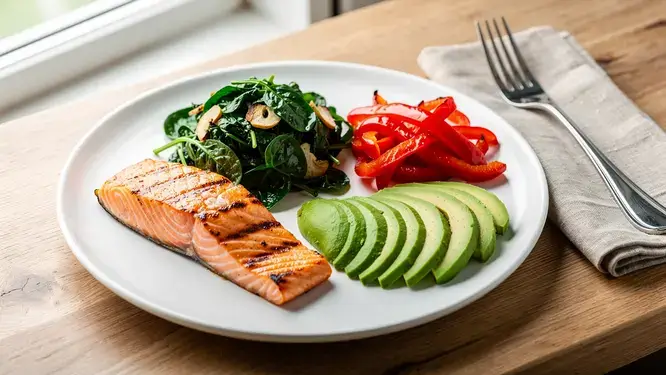
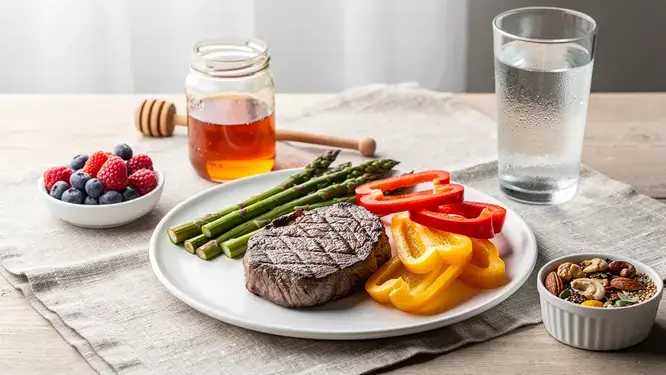
Curious what is the primal diet? Discover how eating like your ancient ancestors—with a side of cheese—might energize you (and your next caveman impression).
Real-Life Fitness for Real People
Since 2024
Wondering how to get in shape after 40 without turning into a kale-obsessed gym hermit? Discover joint-friendly routines, smart nutrition, and realistic tips that actually fit real life.
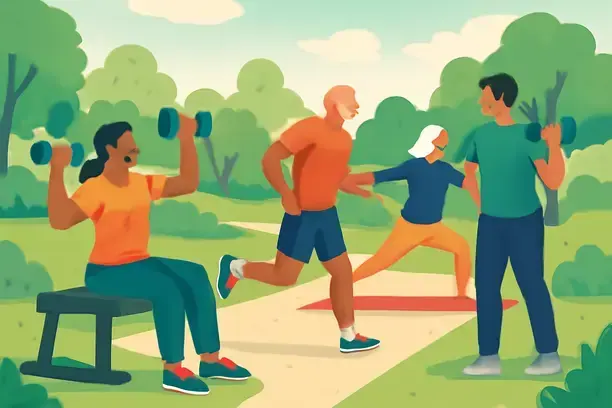
How to get in shape after 40 means understanding how hormonal shifts reshape training and nutrition to help you feel strong, healthy, and confident as you age. Hormonal changes impact both your metabolism and recovery, so tailoring your workouts and meals can make a huge difference.

Disclosure: This article contains affiliate links. We may earn a commission at no extra cost to you.
Hormonal changes after 40 significantly affect how your body responds to training and nutrition. For women, fluctuating estrogen and progesterone levels during perimenopause and menopause often lead to stubborn abdominal fat and slower recovery after workouts. Men face a gradual decline in testosterone, which impacts muscle retention and day-to-day energy.
Sleep disturbances become more common in this age group, further reducing recovery quality and motivation. Because of these shifts, your training approach needs to be strategic—not just harder.
You’ll want to allow extra recovery time between intense sessions, since muscle repair hormones become less predictable. Progressive resistance training—gradually increasing weight or repetitions—helps maintain or rebuild muscle mass even as hormone levels shift.
Tracking your progress through journals or apps that monitor sleep quality, soreness, and daily energy can guide necessary adjustments. If fatigue or slow recovery starts creeping in, adapt your training schedule accordingly rather than powering through.
Nutrition becomes even more critical during this phase. A higher-protein diet supports muscle retention and keeps you feeling full longer. Aim to include a protein source in every meal—think lean meats, eggs, beans, or dairy.
Pay special attention to calcium and vitamin D intake to support bone density, especially for menopausal women. Distributing protein evenly throughout the day enhances muscle repair and tissue building.
Mediterranean-style diets rich in whole foods and healthy fats offer cardiovascular and metabolic benefits that align well with midlife needs Source: National Institute on Aging.
For structured nutritional guidance and daily meal plans tailored to these hormonal changes, the Mediterranean Diet – 30-Day Challenge delivers practical tools and home workouts designed for this life stage.
Regular health check-ins become increasingly important. If you’re experiencing persistent weight gain, low mood, or sleep problems, consult your healthcare provider about hormone testing or possible treatments.
Hormone replacement therapy (HRT) may ease symptoms like muscle loss or disrupted sleep in women, while testosterone evaluation can benefit men with low energy or muscle wasting. Consider discussing:
Incorporating high-protein recipes, whole foods, and nutrient support aligned with your life stage can improve outcomes—see our focused advice on optimizing nutrition for women over 40.
Personalized motivation tools, flexible training, and consistent tracking make staying fit realistic and rewarding after 40. Small, regular adjustments based on your body’s signals often yield better long-term results than rigid plans.
For step-by-step daily guidance, structured programs like the Mediterranean Diet 30-Day Challenge help you navigate hormonal shifts with confidence.
If energy fluctuations interfere with workouts, explore practical tips for boosting exercise motivation to keep moving steadily forward.
Starting a new fitness routine in your 40s or later requires prioritizing safety. A brief, targeted health check can uncover risks before they become obstacles, allowing you to tailor your plan and maintain momentum safely.
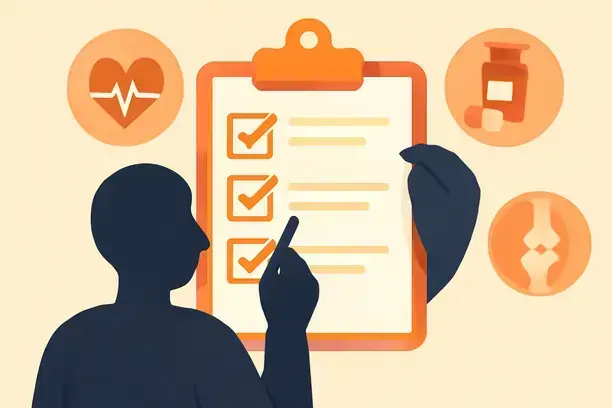
Consult your healthcare provider before beginning moderate to vigorous exercise if you:
Your doctor might recommend diagnostic tests such as an ECG or exercise stress test to ensure safe participation Source: American Heart Association.
Asking these questions supports personalized care, especially if you have a family history or unexplained symptoms.
After 40, respect your baseline health by easing into exercise. Start with low intensity, prioritize low-impact activities, and maintain regular medical oversight if you’re managing chronic conditions like diabetes or arthritis.
For practical motivation and safe exercise ideas, visit ways to rediscover motivation at any age.
Curious what is the primal diet? Discover how eating like your ancient ancestors—with a side of cheese—might energize you (and your next caveman impression).
Curious about the zero starch diet? Learn what you can actually eat, how to avoid salad boredom, and why potatoes are definitely not invited to this party.
A beginner swim workout turns splashing around into smart, safe exercise—even if your best stroke is “try not to panic.” Learn to swim with confidence (and laughs).