Tips
What Is the Primal Diet? Why Your Inner Caveman Might Need a Salad
Curious what is the primal diet? Discover how eating like your ancient ancestors—with a side of cheese—might energize you (and your next caveman impression).
Real-Life Fitness for Real People
Since 2024
Curious about a 5 day cleanse? Get the science, side effects, and practical tips—plus real talk on what actually gets “detoxed” (spoiler: not your lost keys).
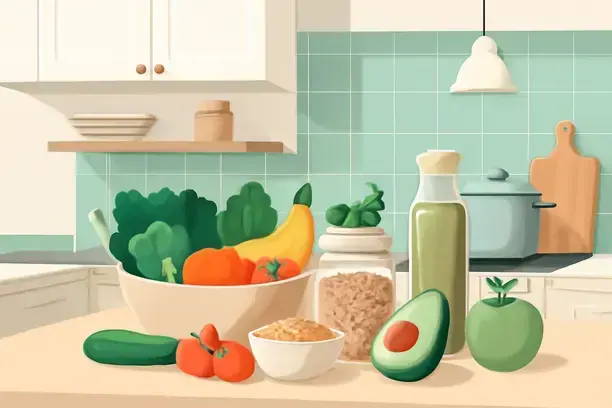
5 day cleanse protocols can be a useful reset for some, offering a chance to break unhealthy patterns or kickstart new wellness routines. However, they’re not right for everyone—and certain groups face real risks that shouldn’t be ignored. Always assess your specific needs before starting a cleanse.

Before you dive in, it’s essential to check in with a healthcare professional, especially if you’re managing health conditions, taking medication, or have specific nutritional needs. Your individual circumstances matter far more than any one-size-fits-all plan.
If you’re on medications for blood pressure, blood sugar, or thyroid issues, talk to your doctor before making big dietary changes—doses may need adjusting.
Even if you’re otherwise healthy, a 5 day cleanse might bring temporary headaches, fatigue, irritability, dizziness, or digestive upset. These usually pass as your body adjusts.
But if you experience fainting, chest pain, persistent vomiting, or any severe symptoms, stop immediately and get medical help. Pay attention to what your body’s telling you and report anything concerning to your doctor.
This resource was developed through independent research and reviewed by qualified nutrition and medical professionals. It reflects current best practices—but it’s not a substitute for personalized medical advice.
We maintain strict editorial integrity. This article was prepared without commercial influence. Where affiliate links or partnerships appear elsewhere on our site, they’re always clearly disclosed, and our recommendations remain grounded in unbiased research and expert input.
Our content is reviewed regularly by credentialed contributors to keep pace with new evidence. The most recent medical review occurred in 2024, ensuring alignment with current standards.
Considering a 5 day cleanse? Take time to honestly assess whether it fits your situation and aligns with your bigger goals.
For personalized alternatives or more sustainable strategies, explore our guide on building and maintaining a healthy diet.
You might also find value in our 5-day meal planning resource for a gentler reset, or our article on quick but safe diet options if faster results are your priority.
Your body is already a detox machine. The liver and kidneys work around the clock to break down waste products, drugs, and environmental toxins. The liver converts harmful substances into safer forms, while the kidneys filter and excrete them through urine. In healthy individuals, this system runs efficiently without needing help from detox diets or supplements. No credible scientific evidence shows that a typical 5 day cleanse can accelerate or improve these natural processes Source: National Institutes of Health.
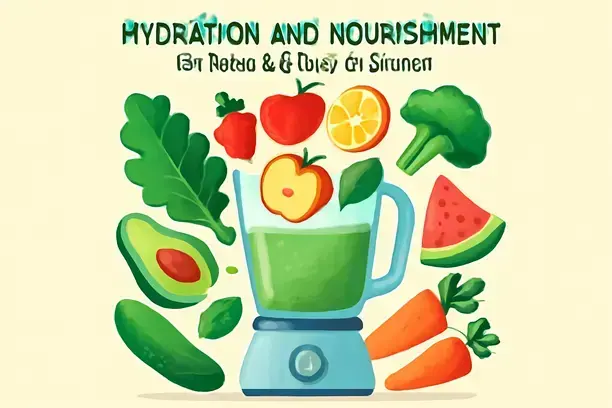
Most commercial detox diets make vague claims about eliminating ‘toxins’ but rarely define what those toxins are or provide measurable proof. Instead, any benefits you experience—like feeling lighter or more energized—likely come from temporary changes such as drinking more water and cutting out processed foods, not from purging mysterious substances.
When you follow a plant-rich, whole-food plan for five days, you might notice improved hydration, less bloating (thanks to reduced sodium), and more regular digestion. These perks stem from eating cleaner and drinking more water—not from boosting your body’s detox capacity beyond its baseline.
If you’re trying a simple and healthy 5 day diet meal plan, the real value lies in hitting reset on your eating habits, not in flushing out unnamed toxins.
Certain foods and supplements popular in cleanses—activated charcoal, milk thistle, lemon water—are often marketed as liver boosters or toxin flushers. But reputable reviews show little to no effect on detoxification in healthy people. Milk thistle, for example, has some evidence for chronic liver disease, but nothing solid for short-term cleanses Source: Healthline.
Here’s the bottom line: Your body’s natural detox system works best when you stay hydrated, eat well, and limit exposure to actual toxins. The real benefit of a 5 day cleanse comes from establishing healthier habits—not from dramatic claims about purging toxins. For more on evidence-based nutrition resets, see our guide to safe and balanced detox meal planning.
The underlying nutrition profile of any 5 day cleanse determines both its safety and how you’ll actually feel during it. Looking at the combined totals for key nutrients—calories, protein, fiber, sodium, added sugars—helps you set realistic expectations and tailor the plan to your needs.
Here’s an example of what you might see in a moderate-calorie, food-based cleanse:
Protein intake is crucial for preserving muscle, especially on low-calorie days. Health authorities recommend at least 0.8g per kg of body weight, but during a calorie deficit, aiming for 1.0–1.2g per kg helps protect lean tissue. That means most adults need 50–70g daily Source: NCBI.
The sample above is slightly below ideal for active individuals or older adults. If that’s you, consider adding a small protein supplement or a lean protein source to stay in the safe zone.
Fiber levels (35g–41g daily) are higher than what most people eat, thanks to whole vegetables, fruits, and legumes. This supports satiety, blood sugar control, and gut health, though you might experience mild bloating at first if you’re not used to it.
Struggling with hunger on calorie-restricted plans? A fiber-focused cleanse can help you stay full. See practical fullness strategies.
Sodium totals (1250–1450mg per day) fall under standard daily limits, which supports heart health. But if you’re exercising intensely or have low blood pressure, watch for signs of sodium depletion—dehydration and weakness can happen with sudden restriction.
Added sugars stay modest and well below the World Health Organization’s recommended 25g daily ceiling Source: WHO.
Most people experience a meaningful calorie deficit, leading to steady water-weight loss and a dip in energy during the first few days. Because protein and fiber are relatively well-supported, extreme hunger or muscle breakdown are less likely.
Blood sugar may dip slightly, especially if you usually eat more refined carbs or sugar. Staying hydrated and choosing moderate activity—like walking instead of heavy lifting—will make the experience smoother and reduce risks like dizziness or fatigue.
Interested in how to manage a safe, sustainable deficit beyond a short cleanse? Explore the science and strategies behind effective calorie deficits.
During a 5 day cleanse, mild side effects are normal as your body adapts to reduced calories and nutrient shifts. Low energy, headaches, transient dizziness, constipation, or loose stools typically resolve as you adjust. Most people find these discomforts manageable with proper hydration and gentle movement.
That said, it’s critical to know when to stop. Halt the cleanse immediately if you experience persistent vomiting, severe abdominal pain, fainting, chest pain, irregular heartbeat, or confusion. These signs suggest your body is struggling to maintain basic functions, and continuing could be dangerous.
Prolonged nausea, intense weakness, or dehydration signs—like dark urine and rapid heartbeat—also require more than home remedies. For more on dietary safety and adjusting to nutrition shifts, see this guide to healthy, balanced diets.
Electrolyte imbalance is one of the most common—and potentially dangerous—issues during restrictive diets. To minimize risk, include sources of sodium and potassium, which support nerve and muscle function.
Sipping light broth (chicken, bone, or vegetable) once or twice daily can help maintain sodium levels. Get potassium from a small serving of low-sugar fruit or vegetables if your plan allows. Even during calorie restriction, don’t eliminate salt entirely unless medically required.
For plant-based options, try light miso soup or homemade vegetable broth with added sea salt. Stay hydrated with water but don’t overdo it—excessive intake can dilute blood sodium, leading to headaches or worse. Aim for steady, moderate sips throughout the day, and include broth or electrolyte solutions if you’re sweating or urinating more than usual (Source: Mayo Clinic).
To limit muscle loss and keep your metabolism functioning, prioritize protein within your plan’s guidelines—such as a protein shake, Greek yogurt, or a small portion of lean chicken or tofu. Light resistance activity, like bodyweight exercises or stretching, helps preserve lean tissue while you’re in a calorie deficit.
For ideas on easy, low-impact exercise and supportive diet strategies, visit this resource on gentle weight loss workouts.
If symptoms go beyond mild, stop the cleanse and transition back to regular eating slowly. Start with small, easy-to-digest meals—broth with rice or plain potatoes—gradually adding back lean proteins and healthy fats over 2–3 days.
Jumping straight into high-fiber or high-fat foods after a cleanse might cause bloating or stomach upset. If you’re unsure how to safely reintroduce foods, or if issues linger beyond a day, consult a healthcare provider (CDC guidance on nutrition transitions).
Short-term cleanses can work for some, but always listen to your body and prioritize safety. For a full breakdown of what to expect and how to prepare, see our comprehensive 5 day cleanse guide.
Planning ahead makes a 5 day cleanse far easier to stick with. Start by creating a detailed shopping list covering all meals, juices, and snacks. Focus on fresh produce, proteins (or plant-based swaps), grains, and your preferred plant milks or collagen, depending on your approach. Buy only what you’ll realistically use to avoid waste and stay on budget.
Once home, set aside time to wash, chop, and portion produce. Store perishable items like prepped veggies and ready-made juices in airtight containers in your fridge, aiming to use them within three days for freshness and safety. Frozen portions extend safe storage.
Label containers by date and meal, especially if you’re sharing a fridge. Note reheating needs—some items taste best freshly warmed, while others (like juices or overnight oats) are meant to be eaten cold. The right containers make reheating convenient and boost food safety.
Structure reduces stress. Try this sample schedule to keep your energy consistent:
Drink water steadily throughout the day and listen to your body’s hunger cues. For more ideas on structuring meals or making healthy choices, check out our guide to balanced daily eating.
Managing hunger is key to staying comfortable. Here’s what works:
New to managing hunger on lower-calorie routines? See our detailed tips on how to curb hunger while staying on a diet.
For a 5 day cleanse, safe storage supports both nutrition and gut health. Store freshly pressed juices in sealed glass bottles in the coldest part of your fridge; drink within 48–72 hours for peak safety. Keep prepped meals below 40°F (4°C). When reheating, heat until steaming—at least 165°F (74°C)—especially for animal proteins or eggs.
When prepping in bulk, freeze portions you won’t eat within three days to prevent spoilage. Defrost in the fridge, not on the counter, to keep bacterial growth in check. For balanced storage recommendations, see Foodsafety.gov.
Cleanse menus increasingly use clear recipe tags. Here’s a quick key:
Always check ingredient lists and ask meal providers about cross-contamination protocols, especially for severe allergies. If you need swaps—omitting nuts, using dairy alternatives, or removing collagen—note these when planning shopping or selecting a delivery service. Details on cross-contamination risks and labeling can be found at the Food Allergy Research & Education (FARE) organization.
Want allergen-friendly menus or ways to adapt common cleanse recipes? Explore our compilation of gluten-free, allergen-sensitive meals.
It’s easy to tailor a 5 day cleanse for common dietary restrictions:
Always read product labels and when using meal kits or prepared foods, confirm options directly with the provider.
For more strategies to stay full during cleanses or calorie-controlled diets, check our expert guide to staying satisfied while dieting.
For complex health or allergy concerns, consult a dietitian before starting a cleanse. Ongoing issues like persistent fatigue, digestive discomfort, or allergic reactions should prompt you to stop and seek medical advice Source: Academy of Nutrition and Dietetics.
After finishing a 5 day cleanse, how you refeed and transition matters just as much as the cleanse itself. The first post-cleanse days are a window of opportunity: you want to stabilize hunger, maintain lost weight, and avoid the classic rebound that happens when too many carbs or salt are reintroduced all at once.
These choices emphasize protein at each meal—a proven way to promote fullness and stabilize blood sugar while you rebuild your normal eating routine. For more varied and balanced meal ideas, check out our curated collection of healthy meals to make at home.
Expect a small regain—typically 2–4 pounds over a week—as glycogen stores and hydration levels return to normal. This isn’t fat gain; it’s your body’s natural way of replenishing what was lost during restriction.
Gradually reintroducing carbohydrates gives your digestive system time to adjust and minimizes bloating or discomfort. Keeping sodium intake moderate will help curb excessive water retention during the transition Source: Academy of Nutrition and Dietetics.
Resume resistance training within 2–5 days of ending your cleanse, as soon as your energy normalizes and protein intake is steady. Start with lighter weights or lower intensity to recondition your body, then progress as tolerated.
This not only rebuilds muscle but also helps prevent excess fat regain by supporting an active metabolism Healthline – Post-detox diet advice.
If motivation to restart workouts is low after a restrictive cleanse, practical guidance can be found in our resource on how to get more motivated for the gym. Prioritizing consistency over intensity in the first two weeks is key for lasting results.
Finally, consider using simple meal prep or menu rotation to make sticking with your new normal easier. Sustainable results come from consistency—balanced portions, gradual transitions, and ongoing self-awareness, not extreme cycles of on-off dieting NHS – Balanced Diet Guide.
Curious what is the primal diet? Discover how eating like your ancient ancestors—with a side of cheese—might energize you (and your next caveman impression).
Curious about the zero starch diet? Learn what you can actually eat, how to avoid salad boredom, and why potatoes are definitely not invited to this party.
A beginner swim workout turns splashing around into smart, safe exercise—even if your best stroke is “try not to panic.” Learn to swim with confidence (and laughs).