Tips
What Is the Primal Diet? Why Your Inner Caveman Might Need a Salad
Curious what is the primal diet? Discover how eating like your ancient ancestors—with a side of cheese—might energize you (and your next caveman impression).
Real-Life Fitness for Real People
Since 2024
Struggling with hunger pangs is one of the biggest challenges when trying to lose weight. Understanding the science behind satiety can make all the difference in your success. Foods high in protein and fiber naturally keep you feeling satisfied longer. If you’ve ever wondered how to stay full on a diet, the answer lies in …
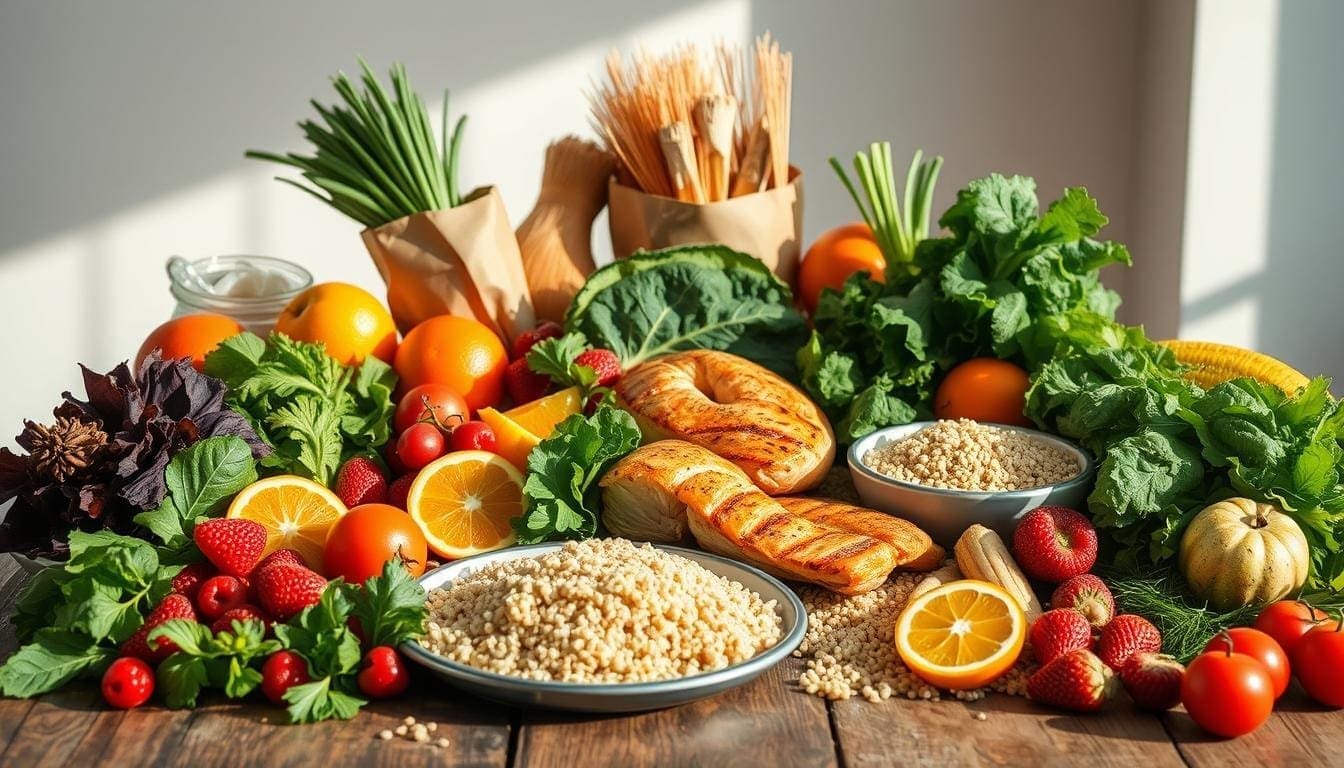
Struggling with hunger pangs is one of the biggest challenges when trying to lose weight. Understanding the science behind satiety can make all the difference in your success. Foods high in protein and fiber naturally keep you feeling satisfied longer.
If you’ve ever wondered how to stay full on a diet, the answer lies in eating the right foods that help control hunger without excessive calorie intake. Incorporating filling foods that provide maximum nutrition while helping control your appetite is key to a sustainable eating plan.
By understanding your body’s hunger signals and how different foods affect them, you can manage your diet more effectively. Smart food choices can help you feel satisfied with fewer calories, making weight loss more achievable.
Satiety, or the feeling of being full, is a complex process influenced by various physiological factors. Your body’s ability to signal hunger and fullness is crucial for maintaining energy balance and a healthy weight.
Your body has a sophisticated system that regulates hunger and fullness, primarily through hormones like ghrelin and leptin. Ghrelin, often referred to as the “hunger hormone,” increases before meals and decreases after eating, signaling to your brain that it’s time to seek food. Understanding these signals can help distinguish between true hunger and other triggers like boredom or stress.
Appetite is controlled by two primary hormones: Ghrelin and Leptin. Leptin, the “fullness hormone,” works to suppress hunger and regulate energy balance, telling your brain when you’ve had enough to eat. Research shows that protein consumption significantly impacts these hormones, helping to keep leptin active in your system for longer periods. As noted by a study, “Protein may suppress appetite for four to six hours after consumption, compared to carbohydrates which leave you hungry after just an hour.”
“The role of protein in appetite regulation is significant, as it helps in maintaining leptin levels and reducing ghrelin.”
The table below summarizes the key hormones involved in appetite control and their functions:
| Hormone | Function |
|---|---|
| Ghrelin | Increases before meals, signaling hunger |
| Leptin | Suppresses hunger, regulates energy balance |
By understanding how your body signals hunger and fullness, you can better manage your appetite and maintain a healthy weight.
When it comes to feeling full, high-protein foods are among the most effective allies you can include in your diet. Protein stands out as the most satiating macronutrient, keeping you feeling full significantly longer than carbohydrates or fats.
Consuming protein triggers the release of satiety hormones that signal fullness to your brain and slow down stomach emptying. This process helps regulate hunger hormones, suppressing appetite for 4-6 hours after consumption. As a result, incorporating high-protein foods into your meals can lead to better appetite control.
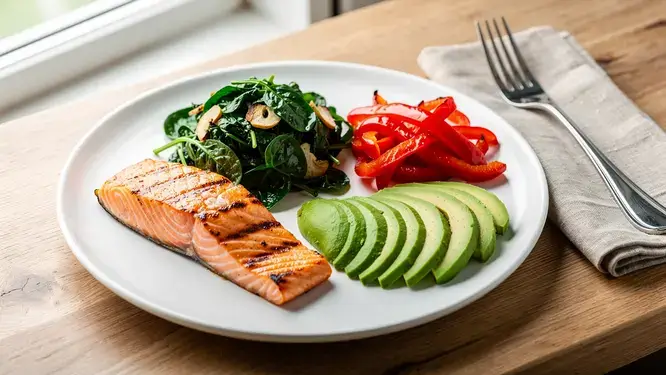
High-quality protein sources include lean meats like chicken and turkey, fish such as salmon, plant-based options like beans and lentils, and dairy products including Greek yogurt. Eggs are particularly effective for satiety, with studies showing that people who eat eggs for breakfast consume fewer calories throughout the day.
The amount of protein you need daily depends on factors like your weight, activity level, and goals. Most adults benefit from consuming 0.8-1 gram of protein per pound of body weight. For maximum satiety, aim to include at least 20-30 grams of protein in each main meal.
Fiber-rich foods are not just good for your digestive health; they’re also powerful appetite suppressants. Incorporating these foods into your diet can help you feel fuller for longer, making it easier to manage your weight.
Fiber doesn’t get digested quickly in your body. It takes time to move through your digestive system, so it sticks around longer and keeps you feeling full. There are two main types of fiber that work differently: soluble fiber, which slows digestion, and insoluble fiber, which adds bulk to your stool.
Healthy high-fiber food choices include beans and lentils, chia seeds, whole grains, pears, oats, broccoli, and quinoa. These foods provide bulk and help you feel full for longer. They may also slow stomach emptying and increase digestion time.
Combining fiber-rich foods with protein creates a powerful satiety duo. For example, pairing beans with lean protein or adding chia seeds to Greek yogurt can help keep you full for longer periods. This combination is particularly effective for weight management.
By incorporating these high-fiber foods into your diet, you can better manage hunger and support your overall health. It’s also important to gradually increase your fiber intake and drink plenty of water to prevent digestive discomfort.
Drinking enough water is essential for appetite control and overall well-being. Often, people mistake thirst for hunger, leading to unnecessary calorie intake. Staying hydrated can help mitigate this issue.
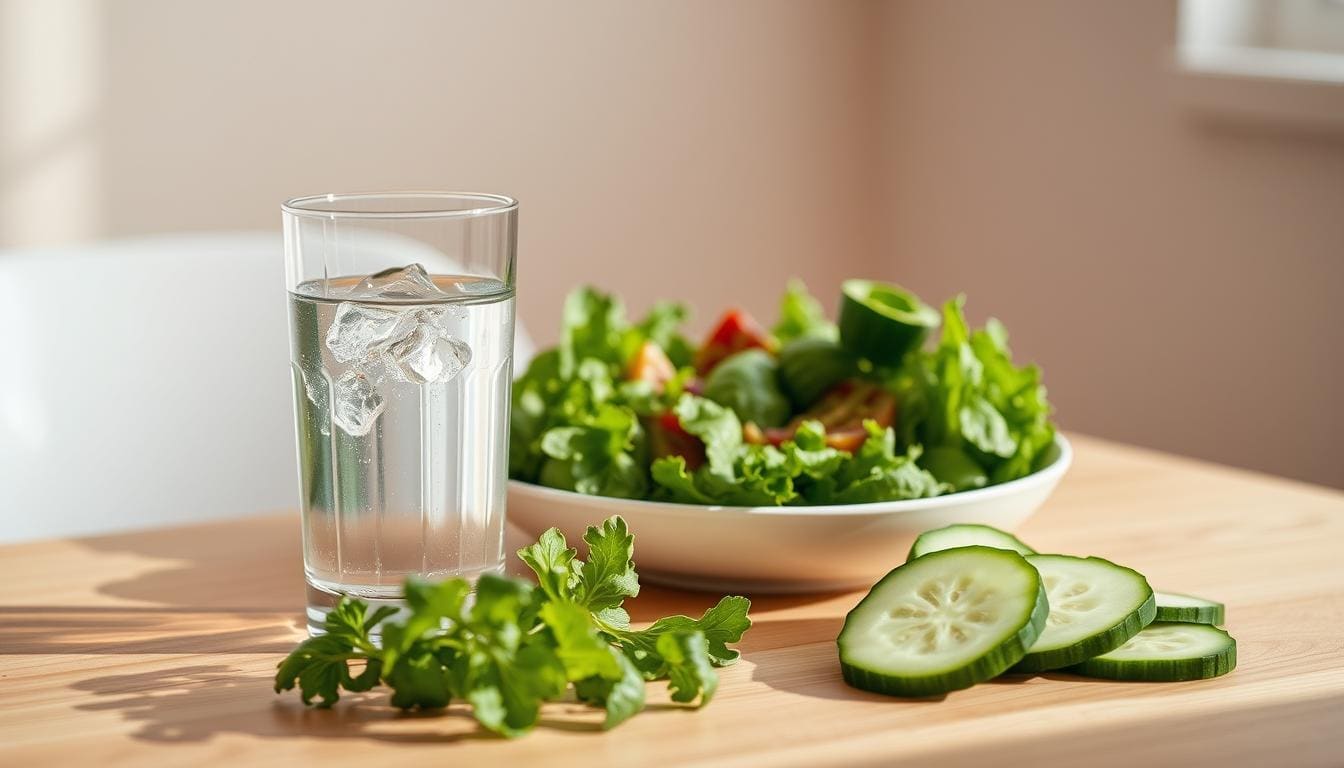
The signals for thirst and hunger can be confused by the body, making it difficult to determine whether you’re truly hungry or just dehydrated. Drinking a full glass of water before meals can help reduce calorie intake by creating a sense of fullness before you start eating. Your body is approximately 60% water, and maintaining proper hydration supports numerous bodily functions beyond just controlling hunger.
Incorporating water-rich foods into your diet can also help keep you hydrated and satisfied. Foods like cucumbers, lettuce, zucchini, watermelon, and strawberries are naturally low in calories but high in volume, helping you feel full while consuming fewer calories. These hydrating foods provide essential vitamins, minerals, and antioxidants that support overall health while helping with weight management.
| Water-Rich Food | Calories per Cup | Water Content (%) |
|---|---|---|
| Cucumber | 16 | 96 |
| Watermelon | 46 | 92 |
| Strawberries | 53 | 92 |
For maximum hunger control, aim to drink at least 8 cups of water daily and incorporate water-rich foods into every meal and snack.
A strategic approach to meal planning can make all the difference in managing hunger while dieting. By planning your meals, you can ensure that you’re consuming the right balance of nutrients to keep you full throughout the day.
To maintain steady energy levels, it’s essential to structure your meals to include a balance of protein, fiber, and healthy fats. This combination helps create lasting satiety and stabilizes blood sugar levels. By incorporating these nutrients into your meals, you can prevent extreme hunger and support your overall weight loss goals.
Establishing a regular eating schedule helps regulate hunger hormones, preventing excessive hunger and supporting a stable energy level. By spacing your meals and snacks every 3-4 hours, you can maintain a consistent level of fullness and avoid overeating.
Pre-planning your meals and snacks is crucial for avoiding hunger emergencies. By preparing food ahead of time and creating emergency food kits with nutritious options, you can ensure that you’re never caught without healthy choices when hunger strikes. This proactive approach to meal planning simplifies the process of sticking to your dietary goals.
Incorporating the right foods into your diet can significantly impact your ability to stay full and manage weight effectively. Certain foods are more effective at curbing hunger due to their nutritional content, including high levels of protein, fiber, and healthy fat. By understanding which foods are most filling, you can make informed choices to support your weight loss goals.
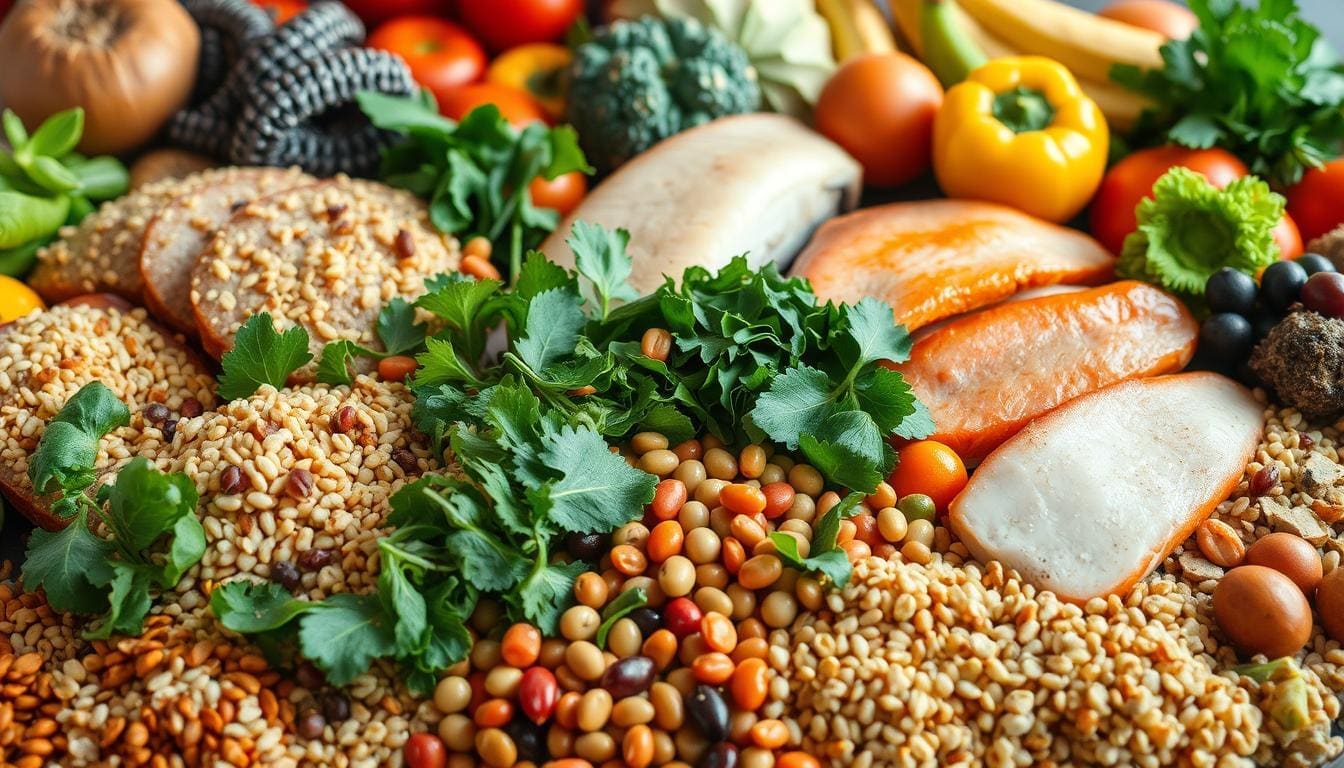
Whole grains like oatmeal, quinoa, and barley are excellent sources of fiber that digest slowly, providing sustained energy and fullness. Starchy vegetables such as potatoes, sweet potatoes, and winter squash contain resistant starch that acts as a prebiotic fiber, feeding beneficial gut bacteria and promoting fullness. These foods are not only filling but also rich in essential nutrients.
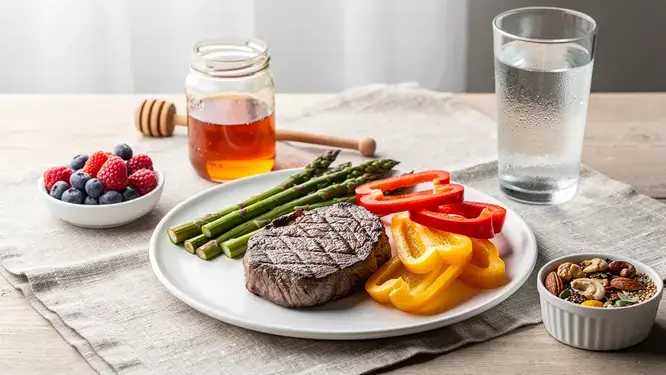
Lean proteins including chicken, turkey, fish, and lean beef provide essential amino acids while requiring more energy to digest than other macronutrients, making them very filling. Dairy products like Greek yogurt and cottage cheese offer high-quality protein with beneficial probiotics that support gut health and may influence hunger hormones, keeping you satisfied for longer.
Fruits and vegetables provide volume, fiber, and water content with minimal calories, making them very filling. Particularly filling options include apples, berries, broccoli, and leafy greens. These foods are not only good for managing hunger but also provide essential vitamins and minerals.
Healthy fats from sources like avocados, olive oil, and nuts slow digestion and enhance the absorption of fat-soluble vitamins while providing lasting satiety. Nuts are also a good source of protein and fiber, making them a satisfying snack choice. Incorporating these foods into your diet can help you stay full and support your overall health.
Eating mindfully is a simple yet effective way to enhance your satiety and enjoy your meals more. Mindful eating involves paying full attention to the experience of eating and drinking, both physically and emotionally.
Eating quickly doesn’t give your brain enough time to register that your belly is full. Slowing down your eating pace helps your body realize you’ve eaten sufficiently. Studies show that people who eat slowly consume fewer calories and report greater satisfaction with their meals. Simple techniques like putting down your utensils between bites and chewing thoroughly can make a significant difference.
Media-based triggers like scrolling through social media or watching TV while eating can lead to overeating. Removing distractions during meals allows you to savor your food and avoid mindless munching. Creating a pleasant eating environment encourages you to focus on the sensory experience of your food, enhancing satisfaction with smaller portions.
| Eating Habit | Calorie Consumption | Satisfaction Level |
|---|---|---|
| Eating Quickly | Higher | Lower |
| Eating Slowly | Lower | Higher |
“Mindful eating can reduce emotional eating and stress-related food consumption, leading to a healthier relationship with food.”
By incorporating mindful eating techniques into your daily routine, you can develop a more positive and satisfying eating experience.
Smart snacking strategies can help you stay full and focused throughout the day. By choosing the right snacks at the right time, you can manage hunger effectively and support your overall weight loss goals.
Timing your snacks to fall roughly halfway between meals helps maintain steady blood sugar and energy levels. This strategic approach prevents extreme hunger that often leads to poor food choices. For instance, having a snack between breakfast and lunch can keep you energized until your next meal.
Effective snack timing is about understanding your body’s hunger cues and responding appropriately. It’s not just about eating something; it’s about eating the right thing at the right time.
Pre-portioned snacks like a small handful of nuts, a single-serve Greek yogurt, or a piece of fruit with a string cheese help prevent mindless overeating. Foods that require more effort to eat, such as pistachios in shells or edamame pods, naturally slow down your eating pace and increase mindfulness.
| Snack | Calories | Protein (g) | Fiber (g) |
|---|---|---|---|
| Apple slices with almond butter | 150 | 4 | 4 |
| Greek yogurt with berries | 100 | 10 | 2 |
| Handful of pistachios | 160 | 6 | 3 |
By incorporating these smart snacking strategies, you can better manage hunger and support your weight loss journey. Remember, the ideal snack combines protein and fiber to provide lasting satiety with a reasonable calorie count.
Navigating restaurant meals and social eating events requires strategy to stay full without overindulging. When you’re out, it’s easy to get caught up in the moment and lose track of your dietary goals. However, with some planning and mindfulness, you can enjoy social eating while maintaining control over your hunger and food choices.
One effective way to stay on track when dining out is to pre-plan your meal. Most restaurants post their menus online, allowing you to select your meal ahead of time. Look for dishes rich in protein and fiber, as these nutrients help keep you full longer. When your meal arrives, ask your server for a to-go box and immediately portion off half of your meal to take home. This simple trick helps avoid the temptation to finish oversized restaurant portions.
| Restaurant Strategy | Benefit |
|---|---|
| Research menu online | Identify healthy, filling options |
| Use the “plate method” | Balance your meal with protein, vegetables, and carbohydrates |
| Request a to-go box | Avoid overeating large portions |
Social gatherings can be challenging, but there are ways to navigate them successfully. Arriving hungry at a party can lead to overindulging in available snacks. Instead, eat a protein-packed meal before heading out to take the edge off your hunger. This allows you to make more mindful choices about what you eat. At buffets or potlucks, survey the options before filling your plate, focusing on the most nutritious and filling choices.
By being mindful of your eating habits and planning ahead, you can enjoy social events without compromising your dietary goals. Focus on socializing rather than just the food, and consider bringing a healthy dish to share, ensuring there’s at least one option that aligns with your hunger management goals.
The journey to effective weight loss is multifaceted, relying on a synergy of physical activity, nutritional awareness, and mental resilience. Successfully managing hunger while losing weight isn’t about quick fixes, but rather about building sustainable habits that work with your body’s natural signals.
A combination of protein-rich foods, high-fiber options, and proper hydration with mindful eating practices is key. Consistency is crucial as it creates new habits that eventually become second nature, making it easier to maintain your weight loss long-term. By focusing on whole foods that keep you full with fewer calories, you can achieve your weight loss goals in a healthy and sustainable way.
Ultimately, the most successful way to keep full while losing weight is the approach you can maintain for life, balancing nutrition science with your personal preferences and lifestyle.
Foods like eggs, Greek yogurt, lean meats, fish, and legumes are excellent sources of protein that can help keep you satisfied for longer. For example, a serving of Greek yogurt can provide around 20 grams of protein.
Fiber-rich foods like whole grains, fruits, and vegetables are digested slowly, keeping you feeling fuller for longer. Soluble fiber, in particular, forms a gel-like substance in the stomach that slows down digestion and helps control appetite.
Yes, sometimes thirst can masquerade as hunger. Drinking enough water throughout the day can help curb unnecessary snacking and support overall weight loss efforts. Additionally, consuming water-rich foods like cucumbers and watermelon can also contribute to feelings of fullness.
Timing your snacks effectively, such as having a mid-morning and mid-afternoon snack, can help bridge the hunger gap. Choosing portion-controlled snacks like nuts, fruits, or carrot sticks with hummus can also help manage hunger without overeating.
Eating regular, balanced meals that include a mix of protein, healthy fats, and complex carbohydrates can help maintain sustained energy levels. For example, having a breakfast that includes eggs, whole-grain toast, and avocado can keep you full until your next meal.
Yes, foods like sweet potatoes, lean proteins, and healthy fats are very satiating. For instance, a serving of lean turkey or a medium-sized sweet potato can be very effective at curbing hunger.
Practicing mindful eating by slowing down your eating pace, savoring your food, and removing distractions during meals can help you feel more satisfied with less food. This approach can also improve digestion and overall eating experience.
Healthy fats like those found in nuts, seeds, avocados, and olive oil are not only nutritious but also very filling. They help slow down digestion and keep you feeling fuller for longer, making them a valuable component of a weight loss diet.
Curious what is the primal diet? Discover how eating like your ancient ancestors—with a side of cheese—might energize you (and your next caveman impression).
Curious about the zero starch diet? Learn what you can actually eat, how to avoid salad boredom, and why potatoes are definitely not invited to this party.
A beginner swim workout turns splashing around into smart, safe exercise—even if your best stroke is “try not to panic.” Learn to swim with confidence (and laughs).