Tips
What Is the Primal Diet? Why Your Inner Caveman Might Need a Salad
Curious what is the primal diet? Discover how eating like your ancient ancestors—with a side of cheese—might energize you (and your next caveman impression).
Real-Life Fitness for Real People
Since 2024
Get real about your reset with a detox diet meal plan that supports your organs, keeps science in the mix, and never makes you eat only kale… unless you want to!

Detox diet meal plan protocols, when backed by science, support your natural detoxification systems by providing nutrient-dense real foods, sufficient hydration, and avoid unnecessary restrictions—helping your body reset and feel energized without harsh deprivation.
Disclosure: This article contains affiliate links. We may earn a commission at no extra cost to you.
A safe, evidence-based detox focuses on supporting your body’s natural systems for filtering and eliminating toxins rather than relying on quick fixes or unproven cleanses. Your organs—chiefly the liver, kidneys, gut, lungs, and skin—constantly manage detoxification through complex biochemical pathways.
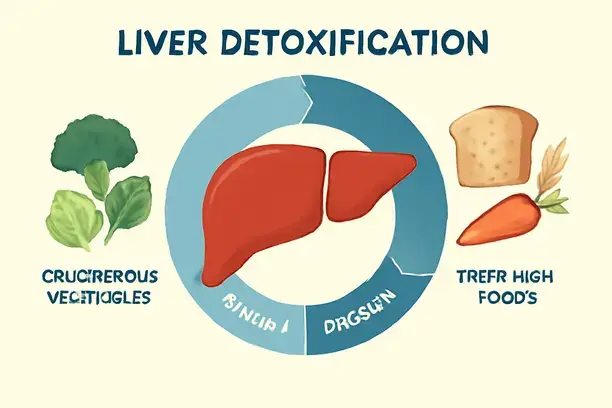
For instance, the liver’s detoxification involves two main phases. Phase I enzymes chemically modify substances, sometimes creating reactive intermediates, while phase II enzymes (boosted by cruciferous vegetables like broccoli, kale, and Brussels sprouts) neutralize these intermediates to make them easier to excrete. Fiber-rich foods such as beans, oats, flaxseeds, and berries aid this process by binding waste in the gut, enhancing elimination and preventing reabsorption Source: BMJ.
Hydration supports the kidneys, which filter blood continuously to remove waste and balance fluids. Maintaining adequate fluid intake—including water-rich vegetables and herbal teas—helps sustain optimal kidney function.
The lungs and skin also contribute by eliminating volatile compounds and through sweating during physical activity, though claims that sweating alone “flushes toxins” are often overstated Source: American Cancer Society.
Rather than magical cleanses, an effective detox involves choosing foods and habits that lessen the burden on your organs and support their ongoing detox functions. This includes adequate macro- and micronutrients, proper hydration, and moderating intake of alcohol, excessive caffeine, processed foods, and environmental pollutants. Credible plans will clarify which physiological systems and nutrients they target without overhyping “activation” claims Johns Hopkins Medicine.
Disclosure: This article contains affiliate links. We may earn a commission at no extra cost to you.
Detox diets aren’t universally safe and can pose risks for certain groups. Pregnant or breastfeeding individuals, people with type 1 diabetes, and those with chronic kidney or liver disease should avoid detox plans that restrict nutrients or drastically change fluid and electrolyte balance.

Such shifts may worsen underlying conditions and jeopardize health Source: NHS.
If you’re taking medications metabolized by the liver or kidneys—such as blood thinners, insulin, or drugs for liver/kidney function—detox regimens may interfere with drug absorption or cause dangerous fluctuations in blood sugar or electrolytes. Consult your healthcare provider before changing your diet substantially Source: Academy of Nutrition and Dietetics.
Older adults and those with chronic illnesses like heart failure or autoimmune diseases should seek medical supervision. They may need diet modifications ensuring adequate protein, avoiding extreme calorie deficits, and maintaining fluid balance to prevent muscle loss or nutrient deficiencies.
If you belong to any of these groups or you’re uncertain about safety, consult a healthcare professional. Ask specific questions about how a detox might impact your medications or health, and discuss any warning signs to watch for Source: CDC Nutrition Strategies.
For those seeking a gentler option, plans emphasizing whole foods and avoiding extreme restriction are recommended. The 14-Day Rapid Soup Diet offers balanced meals designed to be approachable and adaptable across populations.
Your best path to lasting health is grounded in safe, sustainable choices—always involving professional guidance when necessary. For additional tailored advice, see our tips on healthy eating for women over 50.
Effective detox meal plans work best when they’re flexible, customizable, and aligned with your personal calorie needs. Use calorie guidelines as a foundation: low (1200–1400), moderate (1500–1800), or higher (2000+), chosen based on your size, activity, and health goals.
Apply the plate method for portioning—fill half your plate with non-starchy veggies, a quarter with quality protein, and a quarter with whole grains or starches. Snacks can include fiber-rich fruits, nuts, or plain yogurt, adjusted according to hunger.
Cultural and dietary needs also shape meal choices. Plant-based eaters can replace animal proteins with tofu, tempeh, or lentils.
For those favoring traditional dishes, swap chicken for black beans or chana dal, or broccoli for stir-fried bok choy. Gluten sensitivity can be accommodated by using rice or millet instead of wheat. More on plant-based flexibility is available in our vegan diet plan overview.
Before making major changes, especially if you’re managing conditions like diabetes or kidney disease, work with a registered dietitian to tailor your plan safely—see guidance on detox diet meal planning. For Indian vegetarian inspiration, check out our 7-day vegetarian Indian diet plan.
For a convenient, fully prepared option, the 14-Day Rapid Soup Diet offers digitized meal plans featuring fat-burning soups, easy substitutions, and quick cooking—perfect for those balancing busy schedules with health goals.
Flexible templates like these make detox plans sustainable and inclusive, in contrast to rigid regimens. Consider complementing your approach with downloadable resources such as the Rapid Soup Detox meal plan that help track portions and maintain nutritional balance.
Combining guidance with adaptability lets your detox plan support your lifestyle and facilitates lasting health improvements. For additional official frameworks, review meal planning advice from the Academy of Nutrition and Dietetics.
If you want a ready-to-go plan that saves time and removes guesswork, the Rapid Soup Detox meal plan can help you stay on track—even on your busiest days.
Many detox meal plans exclude processed foods and added sugars because these can cause rapid blood glucose spikes followed by crashes, contributing to fatigue and cravings. Additionally, high sugar intake stresses insulin regulation and increases liver workload, impairing detoxification Source: CDC.
Alcohol is restricted for similar reasons. Beyond taxing the liver, alcohol promotes systemic inflammation and disrupts digestion and metabolism. It can also reduce nutrient absorption, hindering detox processes Source: National Institute on Alcohol Abuse and Alcoholism.
Conversely, detox-friendly foods are chosen for their physiological benefits:
Not all animal proteins or dairy need exclusion; appropriateness depends on personal tolerance and preparation. Whole grains and legumes generally fit into balanced detox meals unless medically contraindicated.
This evidence-based balance minimizes toxin stress while enhancing your natural detox systems through supportive nutrition. For further healthy recipe ideas focusing on plant-based meals, see our guide to plant-focused eating.
Looking for a practical meal plan merging detox science with taste? The 14-Day Rapid Soup Diet uses wholesome foods known to aid natural detox pathways while controlling cravings and promoting fat loss.
For a sustainable approach that avoids deprivation yet supports gut and liver health, consider the Rapid Soup Detox meal plan, designed to be accessible and evidence-aligned.
Here’s something worth thinking about: you can actually enjoy your meals while “detoxing.” The right plan makes healthy eating feel like a reward, not a punishment.
Trustworthy detox meal plans disclose clear authorship with qualified professionals (MDs, RDs) named along with dates and institutional affiliations. Statements like “medically reviewed by” signal the content’s expertise and oversight.
Claims should be linked to specific research, naming studies with citation details (authors, year, trial type) and explaining study strengths and limitations. For example, acknowledging if a benefit stems from a small or short-term trial helps set realistic expectations Source: National Center for Complementary and Integrative Health.
Commercial recommendations—such as branded supplements or detox products—must be clearly labeled as optional and separated from science-based advice. Transparency about marketing distinguishes promotional content from essential guidance.
Be cautious of overly bold claims like “Lose up to 14 lbs in 14 days.” Reputable programs provide disclaimers (“Individual results may vary”) and clarify testimonial context versus marketing hype. The 14-Day Rapid Soup Diet is one example that combines user stories with clear disclaimers.
Understanding evidence types helps evaluate claims:
Look for plans that openly discuss evidence levels and avoid overstating results. For broader meal planning transparency insights, visit our guide to choosing effective meal plans.
For those seeking turn-key regimens with transparent details, the 14-Day Rapid Soup Detox system offers full ingredient lists, disclaimers, and optional add-ons, helping users make informed choices.
Completing a short detox is a starting point, not an end. In the following week, gradually reintroduce whole grains, starchy vegetables, and lean proteins in modest amounts.
For example, add a half-cup of cooked brown rice or sweet potato at lunch and small portions of oats at breakfast, increasing as needed based on energy and activity.
Avoid rushing back to processed or sugary foods, as your digestive system benefits from time to adjust. Optimize fiber intake, hydration, and regular meal timing to maintain steady blood sugar and energy.
The Mediterranean diet is an evidence-supported example for sustainable liver and metabolic health post-detox. Its regular focus on olive oil, fish, legumes, vegetables, and moderate whole grains promotes better blood sugar control, reduces inflammation, and supports liver function Source: NCBI.
A simple plate model includes:
For structured recipes and meal ideas following this pattern, consult our Mediterranean diet sample menu.
Temporary benefits like less bloating and slightly improved energy commonly appear within days. However, lasting weight or metabolic improvements rely on ongoing healthy eating, typically over several weeks Source: Harvard T.H. Chan School of Public Health.
Detoxes are best limited to short periods. Prolonged or frequent restriction can slow metabolism or create nutrient deficiencies. Discontinue immediately and seek medical advice if you experience dizziness, persistent fatigue, or digestive distress.
Curious what is the primal diet? Discover how eating like your ancient ancestors—with a side of cheese—might energize you (and your next caveman impression).
Curious about the zero starch diet? Learn what you can actually eat, how to avoid salad boredom, and why potatoes are definitely not invited to this party.
A beginner swim workout turns splashing around into smart, safe exercise—even if your best stroke is “try not to panic.” Learn to swim with confidence (and laughs).