Tips
What Is the Primal Diet? Why Your Inner Caveman Might Need a Salad
Curious what is the primal diet? Discover how eating like your ancient ancestors—with a side of cheese—might energize you (and your next caveman impression).
Real-Life Fitness for Real People
Since 2024
Curious about the broth diet? Learn how this trendy soup plan stacks up for weight loss, gut health, and science—plus see why it’s no magic potion.

Broth diet plans promise a simple, filling way to lose weight while keeping hunger at bay. If sipping warm, savory broth to stay satisfied and reach your goals sounds appealing, you’re not alone—this approach has attracted a devoted following.
Disclosure: This article contains affiliate links. We may earn a commission at no extra cost to you.
The bone broth diet centers on regular consumption of bone broth—usually homemade or store-bought broth simmered from animal bones, connective tissue, and sometimes vegetables. Popular versions include the 21-day “Bone Broth Diet,” short-term soup fasts lasting 3–5 days, and flexible hybrid approaches that blend broth with whole-food meals.
Common formats include:
Typically, you’ll consume 2–4 cups (500–1000 mL) of bone broth plus at least one whole-food meal each day. Fasting days may involve only broth for all meals, dropping total calorie intake below 800—significantly under standard dietary recommendations.
Much of the hype around broth diets comes from personal stories and company testimonials rather than rigorous scientific trials. While intermittent fasting and very-low-calorie diets (VLCDs) do show short-term weight loss benefits, most studies don’t specifically test bone broth—and lasting results depend on sustainable habits.
Claims that bone broth improves gut health, fights aging, or boosts fat burning rest on the collagen, amino acids, and minerals it contains. However, peer-reviewed human research directly evaluating broth diets for weight loss, metabolic health, or safety remains limited as of 2024.
The rapid weight loss and appetite control you see on broth diets generally stem from the calorie deficit, not unique properties of bone broth. Promoted ideas like “lymphatic unclogging” or metabolic “boosts” lack mainstream scientific support.
Before starting a broth diet, consider this benefit-evidence checklist:
Short-term broth diets carry less risk of severe harm compared to long-term restrictive regimens, but they’re not magic solutions. Possible downsides include fatigue, nutrient shortfalls, or disordered eating tendencies. Sustainable results often come from balanced whole-food plans emphasizing nutrient-rich foods.
If you want a structured, low-decision plan with easy recipes and day-by-day menus, the 14-Day Rapid Soup Diet can help you get started with less guesswork and more variety. Always consult healthcare providers before making major dietary changes.
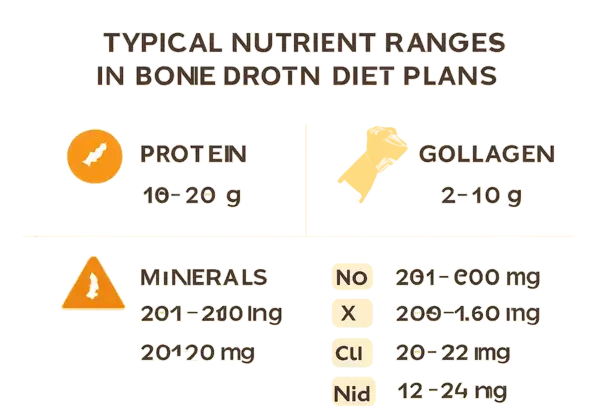
Bone and meat broths vary widely in nutrient content. Generally, broths are low in calories—about 15–50 kcal per cup—but protein, collagen, and mineral levels fluctuate depending on ingredients and simmering time.
Broths simmered 8–24 hours can deliver 6–10 grams of protein per cup, while some store-bought products contain noticeably less. Collagen content, mainly from connective tissues or skin, is typically modest—around 1–3 grams per serving unless concentrated powders are added. Ready-to-serve broths often differ further due to dilution or thickening.
Amino acid profiles depend on the animal parts you use. Joints, necks, and chicken feet are rich in glycine, proline, and hydroxyproline—important for collagen synthesis. However, bone broth isn’t a complete protein; it lacks significant amounts of tryptophan and branched-chain amino acids. To meet your protein or muscle recovery needs, combine broth with other sources like beans, eggs, or powders.
Minerals like potassium, magnesium, calcium, and phosphorus leach into broth during simmering. Extraction varies by cooking time, acidity (vinegar enhances extraction), and bone-to-water ratio. Calcium levels are moderate—15–40 mg per cup, much less than dairy. Potassium and magnesium can reach 200–300 mg per cup, especially in broths with vegetables or longer cooking.
Sodium is a real concern. Many store-bought broths exceed 600 mg sodium per cup, and even low-sodium versions may contain 200–400 mg. Drinking multiple cups adds up quickly. The American Heart Association recommends staying below 2,300 mg sodium daily—ideally closer to 1,500 mg, especially if you’re managing blood pressure.
When following a broth diet long-term, choose products with under 140 mg sodium per serving or make broth at home and add salt only after cooking. For electrolyte balance during fasts or low-carb diets, prioritize broths naturally high in potassium and magnesium rather than simply adding more sodium.
Broth-based meal plans can help control calories and boost satiety. Structured programs like the 14-Day Rapid Soup Diet include precise nutrition breakdowns, which simplify nutrient monitoring and prep.
For balanced broth diet guidance and tips on sodium control, see our overview of soup diets and weight loss effects.
Bone broth diets offer convenience, but they’re not appropriate for everyone. Individuals with kidney disease should avoid these diets or only pursue them under medical supervision. Broths contain sodium and minerals like potassium and phosphorus, which can worsen kidney function and electrolyte imbalance.
People with heart failure or uncontrolled hypertension must monitor sodium carefully, as even homemade broth may be high in salt—exacerbating fluid retention and blood pressure.
If you have gout, proceed with caution. Some broths may increase uric acid due to purines, potentially triggering flare-ups. People with diabetes need to watch carbohydrate content from added starchy vegetables or sugars.
Pregnant or breastfeeding individuals should avoid extreme caloric or nutrient restrictions, which may harm both mother and child. Consult healthcare providers before making major diet changes during these stages.
Those recovering from eating disorders should steer clear of restrictive plans like broth diets, as they could trigger relapses. Ultra-low-calorie diets are generally unsuitable for teens, older adults, or immunocompromised individuals due to malnutrition and infection risks.
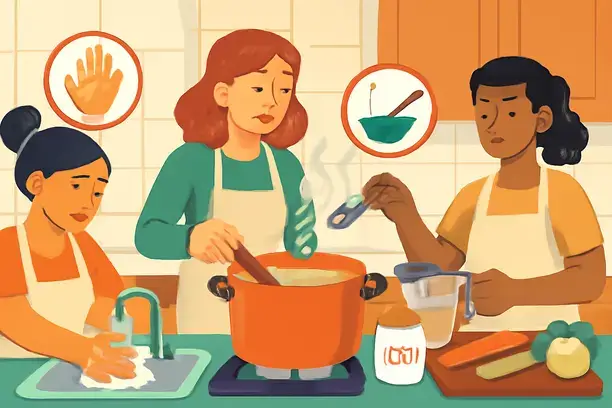
Safe preparation is essential to prevent foodborne illness. Key practices include:
For more on safe batch cooking and meal prep, see our guide on meal prep for weight loss.
Concerns about heavy metals like lead and cadmium in bone broth have been raised. Limited research suggests broths can contain small amounts of these metals, but levels are usually below thresholds of concern for occasional consumption. Variability arises from animal source, cooking time, and water quality.
Precautions include:
Current evidence doesn’t link moderate broth consumption to toxic metal buildup in healthy adults. Pregnant individuals or those with kidney issues should consult healthcare providers for personalized advice.
If you want a plan that guides you through safe, balanced soup preparation step-by-step, the 14-Day Rapid Soup Diet and Rapid Soup Detox system offer digital protocols with recipes and safety tips.
Bone broth diets have gained popularity for simplicity and bold health claims. However, controlled human trials are mostly small, short-term, and combine effects of calorie restriction, fasting, and protein intake—making it tough to isolate broth-specific effects.
Short-term studies show that broth-based fasting or meal replacement with low-calorie soups leads to quick weight loss—often several pounds in one to two weeks. This effect largely mirrors any low-calorie or fasting regimen. The key factor is calorie deficit, not the unique properties of broth. Initial weight loss primarily reflects water and lean mass loss rather than pure fat reduction.
For instance, short-term weight loss may reach 5–10 pounds for higher-weight adults, but sustainable fat loss demands longer-term dietary changes. If you’re interested in structured soup protocols, explore options like the 14-Day Rapid Soup Diet, which provides clear daily plans and recipes.
Claims that broth soothes the gut and reduces symptoms like bloating rest on limited evidence. Animal models suggest certain amino acids in broth may support gut lining integrity, but human trials are rare and often combine broth with other interventions. There’s no large-scale placebo-controlled research confirming consistent gut healing effects in healthy adults. The gut comfort often stems from replacing processed foods with bland, low-fiber broth.
Bone broth’s collagen content underpins claims of improved skin elasticity and wrinkle reduction. Yet clinical trials commonly test hydrolyzed collagen supplements rather than broth itself. Evidence of meaningful skin changes from broth diets is mostly anecdotal or from small, uncontrolled studies. For skin health, hydration, sun protection, and nutrient diversity matter far more.
Studies rarely examine blood pressure, blood sugar, or cholesterol changes specifically from broth diets. Improvements seen during broth use likely come from weight loss and calorie or salt reduction rather than broth-specific effects. High sodium content in some broths may actually worsen hypertension risk in sensitive individuals.
Long-term cardiometabolic health benefits are better supported by sustained calorie deficits and balanced eating patterns. See our guide to the science behind calorie deficits and fat loss for more information.
If you want a done-for-you soup plan with recipes, shopping lists, and a money-back guarantee, the Rapid Soup Detox makes it easier to get started and stay on track.
For evidence-backed, sustainable weight loss, review balanced meal plans such as those in our effective meal-based weight loss strategies guide.
Broth diets vary in strictness, from multi-day fasts to flexible meal plans incorporating soup alongside regular food. The 3-day broth fast involves consuming mostly broth—offering hydration and low-calorie intake but not recommended for continuous use due to nutrient shortfalls.
Longer, gentler approaches like 7-day or 14-day “soup-centric” diets replace one or two meals with broth while maintaining balanced meals containing lean protein, fiber, and healthy fats. This reduces blood sugar disruption and eases your transition to sustainable eating.
The digital 14-Day Rapid Soup Diet offers structured menus and recipes if you prefer guided plans without extreme calorie restriction.
After a broth diet, reintroduce regular foods gradually to reduce digestive discomfort and avoid overeating. Start with one small balanced meal of lean protein, non-starchy vegetables, and healthy fat alongside broth soups.
For guidance on balanced meals during transition, see our healthy diet plan guide.
Challenges you might face include:
Successful adherence relies on self-awareness. Helpful practices include journaling food intake and cravings to identify patterns, and tracking daily energy, mood, digestion, and sleep to monitor your well-being.
No, the broth diet is not safe for everyone. People with kidney problems, pregnant or breastfeeding individuals, those with eating disorders, or with certain medical conditions should consult a healthcare provider before starting. Always prioritize nutrition and safety over rapid results.
You may lose weight quickly in the short term due to calorie deficit and water loss. However, this weight loss is often temporary unless you transition to consistent, healthy habits after the diet.
Mix up broth flavors by rotating proteins, adding vegetables, herbs, or spices, and using homemade low-sodium recipes. Varying your broth base (chicken, beef, vegetable, miso) helps prevent taste fatigue and supports long-term adherence.
Curious what is the primal diet? Discover how eating like your ancient ancestors—with a side of cheese—might energize you (and your next caveman impression).
Curious about the zero starch diet? Learn what you can actually eat, how to avoid salad boredom, and why potatoes are definitely not invited to this party.
A beginner swim workout turns splashing around into smart, safe exercise—even if your best stroke is “try not to panic.” Learn to swim with confidence (and laughs).