Tips
What Is the Primal Diet? Why Your Inner Caveman Might Need a Salad
Curious what is the primal diet? Discover how eating like your ancient ancestors—with a side of cheese—might energize you (and your next caveman impression).
Real-Life Fitness for Real People
Since 2024
Meal prep for weight loss doesn’t have to be sad chicken and wilted broccoli. Learn how to make healthy, tasty meals you’ll actually look forward to eating.
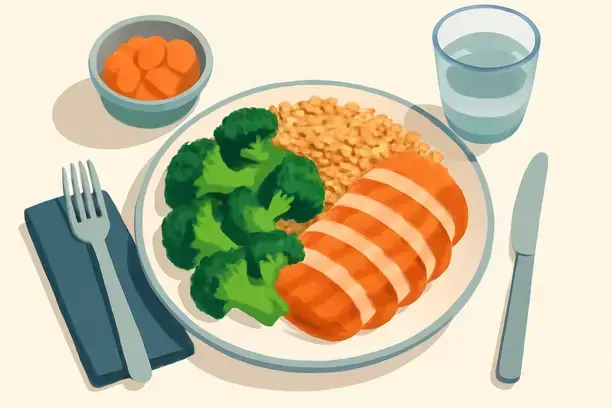
Meal prep for weight loss works best when you focus on the right balance of protein, fiber, and flavor, helping you lose weight without feeling hungry or deprived.
Disclosure: This article contains affiliate links. We may earn a commission at no extra cost to you.
“Healthy” meal prep for weight loss isn’t just about slashing calories and hoping for the best. It’s really about building meals that keep you full, give you steady energy throughout the day, and support consistent fat loss—all rooted in solid, evidence-backed nutrition.
Let’s break down what that looks like.
The three main macronutrients—carbohydrates, protein, and fats—each play a distinct role in helping you reach your goals. A typical balanced ratio for sustainable weight loss is 30–35% protein, 30–40% carbohydrates, and 25–35% healthy fats. Protein is emphasized for good reason: it helps maintain muscle mass, increases satiety, and gives your metabolism a slight boost during digestion.
Research shows that consuming at least 1.2–1.5 grams of protein per kilogram of body weight is linked with better fat loss and improved appetite control when calories are managed appropriately Source: NCBI.
When it comes to carbohydrates, quality matters more than quantity. Focus on minimally processed sources like vegetables, fruits, whole grains, and legumes. These foods deliver fiber, which improves digestion and promotes feelings of fullness—two things you’ll appreciate when you’re trying to lose weight.
Recommended daily fiber targets are at least 25 grams for women and 38 grams for men, with real benefits seen even in the 20–30 gram range Source: CDC. High-fiber meal ideas include lentil salads, roasted vegetables, or overnight oats topped with berries.
Added sugars should be kept low—generally around 25 grams (6 teaspoons) daily for women and 36 grams (9 teaspoons) for men. Cutting back on added sugars supports improved weight loss outcomes, lower triglycerides, and steadier energy levels. When you can, flavor foods naturally with fruit instead of sweeteners.
Sodium doesn’t directly affect weight loss, but it does influence water retention and blood pressure. Aim to limit intake to under 2,300 mg per day, with an ideal range of 1,500–2,000 mg for better cardiovascular and metabolic health—especially when using packaged foods or condiments Source: American Heart Association.
Following these parameters supports hunger satisfaction, sustained energy, and easier calorie control—all key factors for sustainable weight loss.
For meal prep structures and sample menus aligned with these principles, check out our macro meal planning guide and comprehensive fat loss macro guide.
Want a practical, flavorful way to hit your macros, fiber, and sugar goals—without spending hours in the kitchen? The 30-Day Mediterranean Diet Challenge offers day-by-day recipes designed to simplify meal prep and help you stay on track.
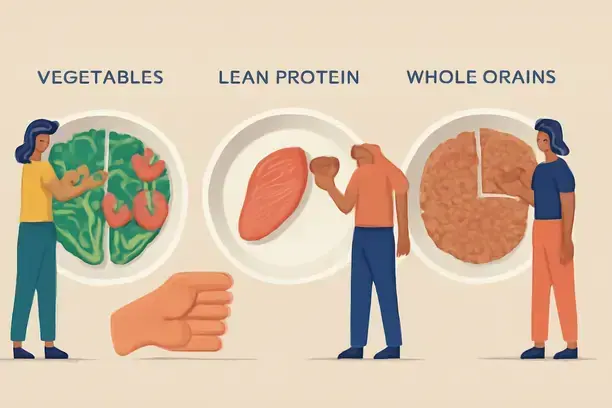
You don’t need to stress over meal prep for weight loss. Use straightforward portion templates to balance meal size and macronutrients without obsessive tracking, and easily adjust them as your needs change.
Here are three practical approaches to get you started:
If your weight loss stalls, try reducing portions slightly by cutting 50–100 calories per meal or snack.
If you’re still hungry, add more non-starchy vegetables to boost volume without many extra calories.
These simple frameworks can be adapted as your body responds and your schedule shifts.
For a done-for-you plan that takes the guesswork out of portions and calories, explore The Mediterranean Diet 30-Day Program
Curious what is the primal diet? Discover how eating like your ancient ancestors—with a side of cheese—might energize you (and your next caveman impression).
Curious about the zero starch diet? Learn what you can actually eat, how to avoid salad boredom, and why potatoes are definitely not invited to this party.
A beginner swim workout turns splashing around into smart, safe exercise—even if your best stroke is “try not to panic.” Learn to swim with confidence (and laughs).