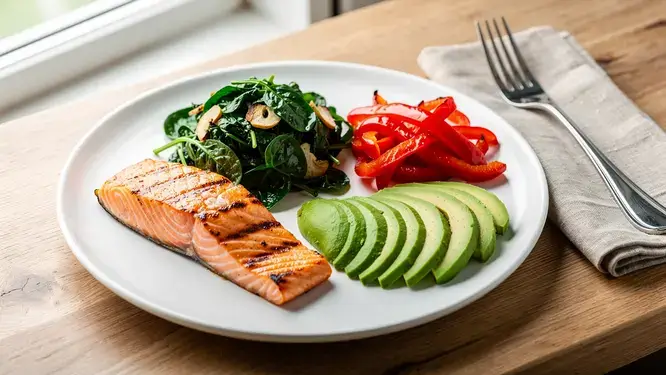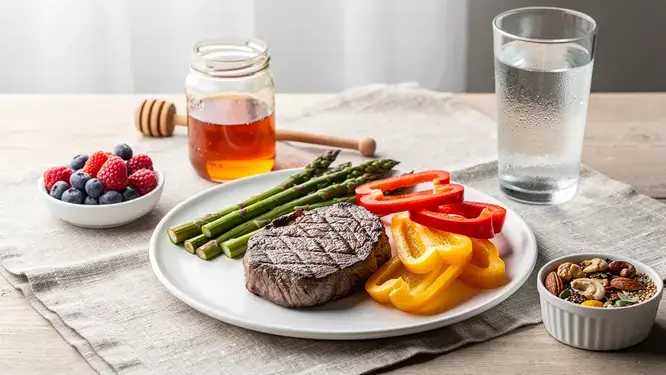
Tips
What Is the Primal Diet? Why Your Inner Caveman Might Need a Salad
Curious what is the primal diet? Discover how eating like your ancient ancestors—with a side of cheese—might energize you (and your next caveman impression).
Real-Life Fitness for Real People
Since 2024
Sarah looked at her phone, tired of logging her lunch. She thought, “There must be an easier way.” She deleted the calorie app for the third time that month. Good news: You can lose weight without counting calories. Many people succeed by focusing on what they eat, not how much. Your body reacts differently to …

Sarah looked at her phone, tired of logging her lunch. She thought, “There must be an easier way.” She deleted the calorie app for the third time that month.
Good news: You can lose weight without counting calories. Many people succeed by focusing on what they eat, not how much. Your body reacts differently to different foods. That’s why learning how to be in a calorie deficit without counting calories can make the process less stressful—and more sustainable.
To lose weight without counting, try simple strategies. Choose foods wisely, listen to your hunger, and eat smart. You’ll eat fewer calories and feel full.
This way, you’ll have a better relationship with food. You won’t see meals as math problems. You’ll trust your body and make choices that help you reach your goals. Learning how to be in a calorie deficit without counting calories frees you from the numbers while still moving you toward lasting progress.
Learning about calorie deficit is key to losing weight without counting every calorie. Weight loss science is simple. Knowing the basics helps you make better choices without focusing too much on numbers.
A calorie deficit happens when you eat fewer calories than you burn. Calories are just energy for your body. They power everything from breathing to working out.
You lose weight by burning more calories than you eat. This creates a calorie deficit. It makes your body use fat for energy.
When you don’t get enough energy from food, your body uses fat. This is how you lose weight. The good thing is, it works even if you don’t count calories.
Counting calories can be helpful but has big downsides. Food labels can be wrong by up to 20%. Apps and calculators just guess.
Counting calories too much can make you feel bad about food. It can cause stress when eating with others.
Also, not all calories are the same. 100 calories of veggies and 100 calories of candy affect you differently. Traditional counting doesn’t get this.
Without counting calories, losing weight might take longer. But that’s okay. Healthy weight loss is 1-2 pounds a week.
A small calorie deficit of 500 calories a day can mean losing one pound a week. This way, you feel less deprived.
Remember, your weight can change for many reasons. Focus on the big picture, not daily numbers. Being consistent over time is more important than being perfect every day.
Not counting calories can lead to better weight loss. You can make choices that help you lose weight naturally. This way, losing weight is easier and healthier.
Changing how you think about food is key. Instead of thinking about what you can’t eat, think about what you can.
Eating whole foods helps you feel full and eat less. Foods like veggies, lean proteins, and whole grains are better than processed foods.
Quality is as important as quantity. Eating whole foods makes you feel full and gives you more nutrition for your calories.
We often ignore our body’s hunger cues. This can lead to eating too much or too little. Listening to these signals is important for controlling calories.
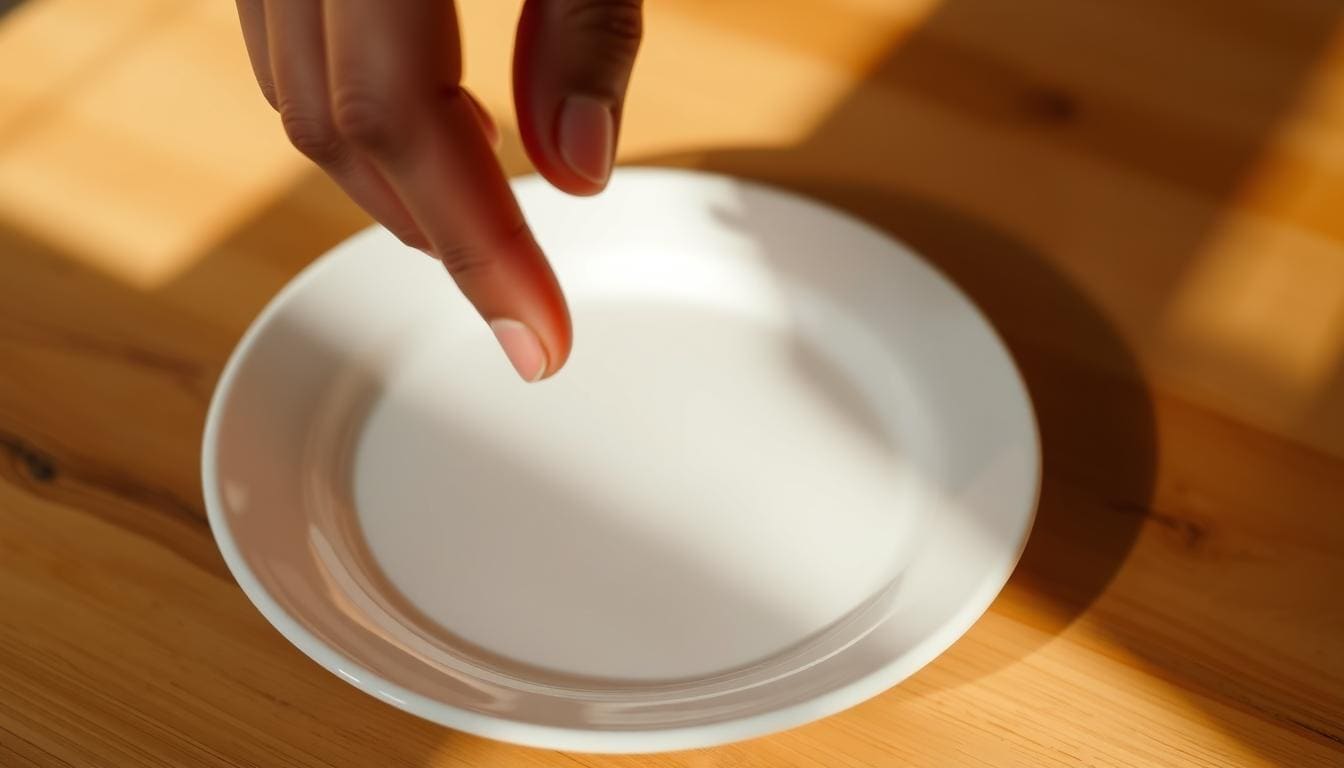
Rate your hunger from 1 (starving) to 10 (full). Eat when you’re hungry and stop when you’re satisfied. This helps avoid eating too much or too little.
Mindful eating means eating without distractions. Turn off screens and enjoy your food. This helps you know when you’re full.
Quick fixes don’t work for long-term weight loss. Focus on building habits that last a lifetime.
Eating protein at every meal helps you feel full. It also helps control hunger hormones and lower calorie intake.
Drinking water before meals can also help. It can make you feel less hungry and eat less. Aim for small changes, not perfection.
Small actions can lead to big calorie savings. Try a 10-minute walk after meals to boost your metabolism and control hunger.
Using smaller plates can also help. Studies show we eat what our plates hold, so a smaller plate means eating less.
Cooking more meals at home gives you control over what you eat. Cooking just one more meal at home each week can help you lose weight without counting calories.
Easy weight loss comes from simple food swaps. These swaps cut calories but keep you full. You don’t have to count calories; just make smarter choices.
High-volume foods let you eat more without more calories. They have lots of water and fiber, making you feel full fast.
Here are some great options:
Try using zucchini noodles or cauliflower rice instead of regular rice. You’ll enjoy a full plate with fewer calories.
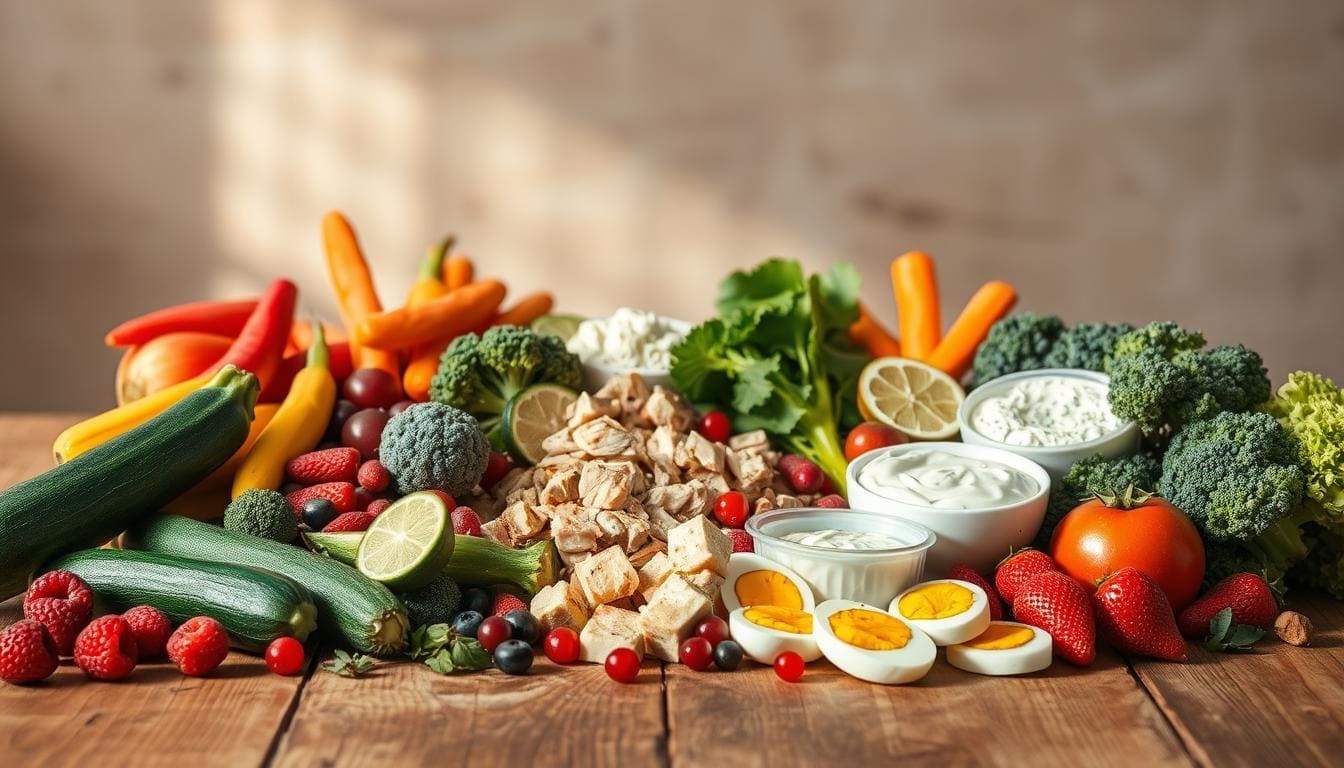
More protein for weight loss is a big help. Protein makes you feel full, keeps muscle, and takes more energy to digest.
Good protein swaps are:
Not all carbs and fats are the same. Choosing wisely can cut calories and boost nutrients.
For carbs, pick:
For fats, choose:
Food can be boring without adding calories. But, you can make it exciting without extra calories.
Try these low-calorie food swaps for flavor:
By making these simple swaps, you’ll eat fewer calories naturally. Your body will thank you for better, more satisfying food choices. Losing weight will feel easier, like a natural part of eating well.
Not using measuring tools is a smart way to eat less. Learning to control portions by sight helps you eat better without tracking. These easy tips help you eat less and feel full.
The plate method is easy to use for portion control. Use a 9-inch plate and split it into parts. Put half for veggies, a quarter for protein, and the last quarter for carbs.
This way, you eat more veggies and less high-calorie foods. The plate method is simple. You don’t need scales or cups, just a plate.
Our brains see food differently based on the dish it’s in. A small portion looks big on a small plate, but small on a big one.
Using smaller plates and utensils can cut your food intake by 20-30%. It tricks your mind into feeling full without eating too much.
Your hands are a great guide for portions. It’s personal and easy to use:
This hand portion guide works everywhere. It’s perfect for eating out or at home without anyone noticing.
Eating while distracted can lead to eating too much. Mindful eating helps you stop before you’re too full.
Try these mindful eating tips:
These tips help you listen to your body’s hunger and fullness. You’ll stop eating when you’re full, not just when the plate is empty.
Changing your lifestyle is key to losing weight. It’s not just about what you eat. Making small changes in your daily life can help your body use calories better. This makes losing weight easy, without counting calories.
Drinking enough water is a simple way to lose weight. Sometimes, we think we’re hungry when we’re really thirsty. Drinking a full glass of water before meals can cut calorie intake by up to 13%.
Make water more fun by adding fruits or herbs. Carry a water bottle to remind you to drink all day. Try to drink at least 64 ounces a day, more if you’re active or it’s hot.
Sleep affects how hungry we feel. Lack of sleep makes us hungrier and crave bad foods. Getting enough sleep can help control hunger hormones.
Try to sleep 7-9 hours a night. Keep your room cool, dark, and tech-free. Even a little more sleep can help your metabolism.
Managing stress helps with eating habits. Stress makes us eat more and crave bad foods. Instead, try breathing exercises or a short walk.
Keep a list of things that help you relax, like journaling or yoga. Set aside time to deal with stress, not eat it away.
You don’t need to exercise to burn calories. Small movements throughout the day add up. Take the stairs, stand while talking, or stretch during TV.
These small actions can burn 300-500 calories a day. Set reminders to move every hour if you sit a lot.
Social events can be tough on weight loss. But, they don’t have to be. Eat a small snack before going out to curb hunger. Sit away from food at parties.
Try the “three-bite rule” for treats. Focus on talking, not eating. Remember, it’s about the company, not the food.
Creating a calorie deficit doesn’t need spreadsheets or apps. This guide shows a simpler way to lose weight. It works with your body, not against it.
Focus on eating better and listening to your body’s hunger signals. This way, you can eat less without counting calories. Your body knows when it’s full or hungry.
Start with small changes. Try the plate method at dinner or eat more protein at lunch. As these habits grow, add more ideas.
Weight loss is about small, steady changes, not quick fixes. Aim for progress, not perfection. A healthy lifestyle leads to weight loss naturally.
The key to lasting weight loss is a simple, maintainable approach. By changing how and what you eat, you gain a healthier food relationship. This can last forever.
Curious what is the primal diet? Discover how eating like your ancient ancestors—with a side of cheese—might energize you (and your next caveman impression).
Curious about the zero starch diet? Learn what you can actually eat, how to avoid salad boredom, and why potatoes are definitely not invited to this party.
A beginner swim workout turns splashing around into smart, safe exercise—even if your best stroke is “try not to panic.” Learn to swim with confidence (and laughs).