Tips
What Is the Primal Diet? Why Your Inner Caveman Might Need a Salad
Curious what is the primal diet? Discover how eating like your ancient ancestors—with a side of cheese—might energize you (and your next caveman impression).
Real-Life Fitness for Real People
Since 2024
How to meal plan for macros can transform your nutrition and help you reach your fitness goals. This guide will show you how to effectively plan meals around macronutrients. We’ll explore how to meal plan for macros, covering the basics and practical strategies. You’ll learn to create tasty, varied meals that align with your target …
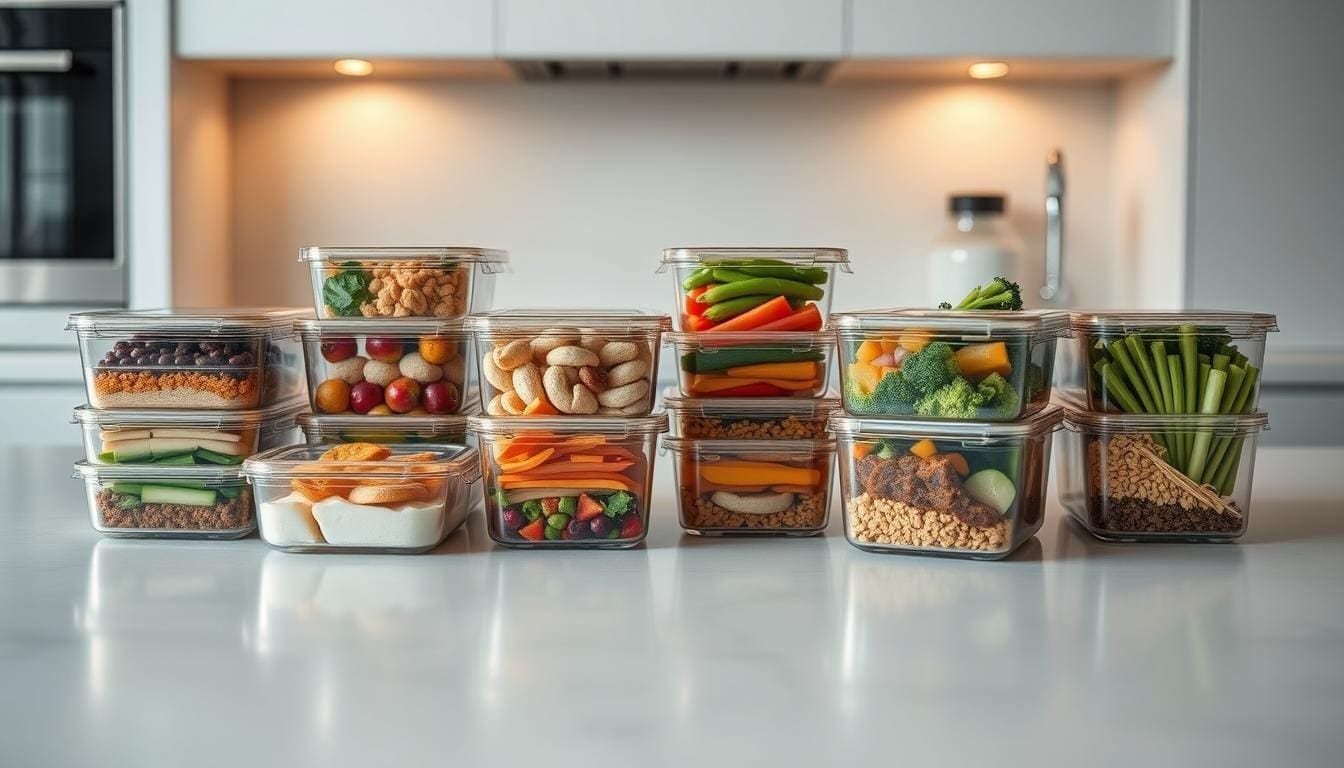
How to meal plan for macros can transform your nutrition and help you reach your fitness goals. This guide will show you how to effectively plan meals around macronutrients.
We’ll explore how to meal plan for macros, covering the basics and practical strategies. You’ll learn to create tasty, varied meals that align with your target macros.
Balancing protein, carbs, and fats in meals is easier than you think. Digital apps and meal generators can streamline your process. Plus, you’ll discover batch-cooking techniques and macro tracking tips for vegan and vegetarian diets.
Macronutrients are the core of our diet. They include carbs, proteins, and fats. Each plays a key role in our body’s functions.
These nutrients shape our meal plans. They fuel our bodies and keep us healthy.
Macronutrients are nutrients we need in large amounts. They give us energy and support our body’s functions.
The three main macronutrients are:
Macro counting tracks the intake of these nutrients. The USDA suggests this split for adults:
This balance helps keep you healthy and energized. A 2,000-calorie diet might be 40% carbs, 30% protein, and 30% fat.
Your macro needs depend on age, weight, height, and activity level. Here’s how to figure out your daily calorie needs:
Adjust based on your activity. Sedentary? Multiply by 1.2. Very active? Use 1.725.
From there, set your macro split based on your goals. This helps create a balanced meal plan.
Macro knowledge is a powerful tool for health goals. Focus on nutrient-dense foods for the best results.
Macro meal planning needs the right tools. Let’s look at what can make tracking easier and more efficient.
Macro tracking apps make meal planning simple. Lose It, My Fitness Pal, and Carb Manager are popular choices. These apps have big food databases for easy meal logging.
Good meal prep gear can speed up cooking. A food scale is a must for exact measurements. Measuring cups, sharp knives, and a blender are also helpful.
Meal prep containers in different sizes help with portioning. These tools make macro meal planning much easier.
Good food storage keeps meals fresh and organized. Pick containers that work in microwaves and dishwashers. A color-coding system can help sort different macro groups.
Clear containers let you see food quickly. This makes choosing meals much easier.
These tools will help you master macro meal planning. The right gear can make sticking to nutrition goals easier.
Macro meal planning helps create a successful meal prep strategy. We’ll guide you through easy steps to build a balanced meal plan.
Start by figuring out your daily macro needs. For a 1,800-calorie diet, you might need 270g carbs, 40g fat, and 90g protein. Split these across your meals and snacks.
A typical meal could have 450 calories with 67g carbs, 10g fat, and 22g protein. Snacks might contain 225 calories with 33g carbs, 5g fat, and 11g protein.
Make a weekly menu using these numbers. Mix up your foods to get different nutrients. Aim for 45-65% carbs, 20-35% fat, and 10-35% protein.
Create a shopping list based on your menu. Buy fresh foods and cook proteins in bulk to save time. Use containers to keep meals fresh and easy to grab.
Set aside time each week for meal prep. This helps you stick to your macro goals and saves time on busy days.
Following these steps will help you build a lasting routine. You’ll meet your nutrition goals while fitting your lifestyle.
Protein meal prep is crucial for hitting your macro goals. Let’s dive into effective batch cooking strategies. We’ll also cover smart storage and ways to add variety to your meals.
Batch cooking protein saves time and helps meet daily requirements. Plan two to three protein sources for your weekly meals. This makes meal prep and macro tracking easier.
A typical plan might include two meals each from two protein sources. That’s four meals total. Add one more meal with a different protein or dish.
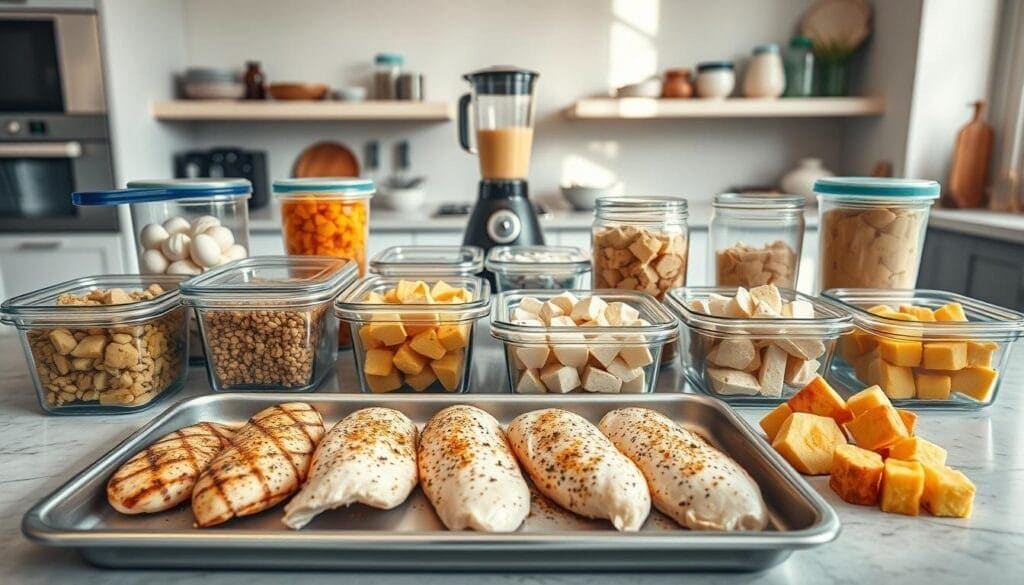
Proper storage keeps prepped proteins safe and tasty. Raw beef, veal, lamb, and pork last 3-5 days in the fridge. They can be frozen for 4-12 months.
Ground meats stay fresh for 1-2 days in the refrigerator. You can freeze them for 3-4 months. Whole chickens or turkeys last 1-2 days in the fridge.
Protein variety is key for a balanced diet. It also prevents getting bored with your meals. Mix up your proteins with budget-friendly options like bulk chicken and canned tuna.
Don’t forget about non-fat Greek yogurt. This variety ensures you get a wide range of nutrients. It also keeps your meal prep interesting and fun.
| Protein Source | Refrigerator Lifespan | Freezer Lifespan |
|---|---|---|
| Beef, Veal, Lamb, Pork | 3-5 days | 4-12 months |
| Ground Meats | 1-2 days | 3-4 months |
| Whole Chicken/Turkey | 1-2 days | Up to 1 year |
| Fresh Fish/Shellfish | 1-3 days | 3-6 months |
Balancing carbs and fats is key for a well-rounded meal plan. We’ll explore how to add these macronutrients effectively. Our focus is on carb sources and healthy fats for meal planning.
Carbohydrates should make up 45% to 65% of your daily calories. For meal prep, choose complex carbs like quinoa, brown rice, and sweet potatoes. These provide lasting energy and fiber, keeping you full longer.
Healthy fats should be 20% to 35% of your total calories. Include avocados, nuts, and olive oil in your meals. These fats help with hormone production and nutrient absorption.
To save time, batch cook carbs and portion them for the week. This ensures you have balanced meals ready to go.
| Macronutrient | Recommended % of Daily Calories | Calories per Gram |
|---|---|---|
| Carbohydrates | 45-65% | 4 |
| Fats | 20-35% | 9 |
| Proteins | 10-35% | 4 |
Consistency is vital in macro tracking. Use tools like the January app to log your food intake. It has over 32 million food items in its database.
By mixing carbs and fats wisely, you’ll create tasty meals that support your health goals.
Efficient meal prep helps you meet your macro goals. These cooking techniques will streamline your meal planning process. You’ll save time and stay on track.
Batch cooking saves hours each week. Cook multiple servings at once for ready-to-eat meals. Make four servings, eat three, and freeze one for later.
This method reduces food waste. It also saves you precious time in the kitchen.
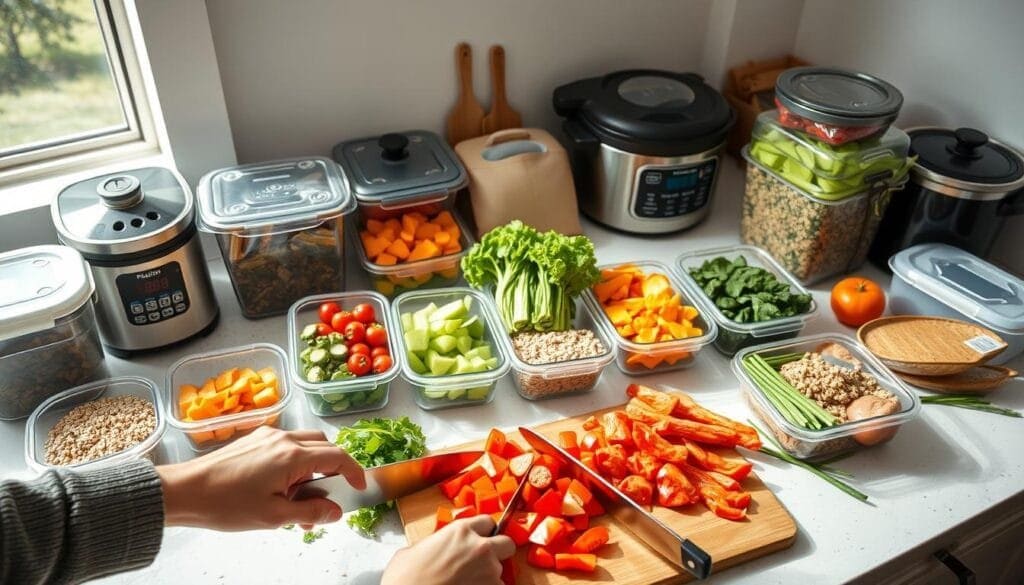
Make the most of your time by multi-tasking. Prep ingredients for multiple recipes at once. Chop all onions together if several recipes need them.
This simple trick can cut down your prep time. You’ll be amazed at how much faster you finish.
Have pre-portioned ingredients ready for busy days. Split your daily macro targets into 3-6 meals or snacks. For example, aim for 30g protein, 13g fat, and 38g carbs per meal.
These techniques will help you master efficient meal prep. Don’t worry if it takes time to find your rhythm. Keep practicing and you’ll improve.
Macro meal planning can be tricky. But with the right strategies, we can overcome meal prep challenges. Let’s explore some common hurdles and how to tackle them.
Eating the same meals repeatedly can lead to boredom. Try rotating your protein sources and experimenting with new recipes. Swap chicken for fish or tofu.
Explore different cooking methods to keep things interesting. This variety can help maintain your motivation and enjoyment of meals.
Accurate portion sizes are crucial for hitting your macro targets. Use these guidelines:
To keep your prepped meals fresh throughout the week:
Create sustainable macro meal plans that support your nutrition goals. Adjust your approach every 4-6 weeks based on progress.
This can help you stay on track. You can overcome any obstacles in your macro diet journey.
| Challenge | Solution |
|---|---|
| Food Fatigue | Rotate protein sources, try new recipes |
| Portion Control | Use hand-based measurements, invest in a food scale |
| Food Freshness | Proper storage techniques, prep hardy vegetables |
Macro meal planning can transform your nutrition approach. It’s not just about numbers, but creating a sustainable lifestyle. This method supports your fitness goals effectively.
Protein needs vary from 0.8 to 2 g/kg per day. Carbohydrate intake ranges between 3 to 8 g/kg daily. These figures show why personalizing your macro plan matters.
The My Transphormation App makes tracking macros easy. It provides access to millions of ingredients and restaurant items.
Macro meal planning works for various goals. It helps with fat loss, muscle gain, or weight maintenance. A Dash of Macros offers hundreds of exciting, macro-friendly recipes.
Success in macro dieting comes from consistency and patience. Find what fits your lifestyle best. Start small and adjust as needed. Soon, you’ll see your nutrition and fitness goals become reality.
Curious what is the primal diet? Discover how eating like your ancient ancestors—with a side of cheese—might energize you (and your next caveman impression).
Curious about the zero starch diet? Learn what you can actually eat, how to avoid salad boredom, and why potatoes are definitely not invited to this party.
A beginner swim workout turns splashing around into smart, safe exercise—even if your best stroke is “try not to panic.” Learn to swim with confidence (and laughs).