Tips
What Is the Primal Diet? Why Your Inner Caveman Might Need a Salad
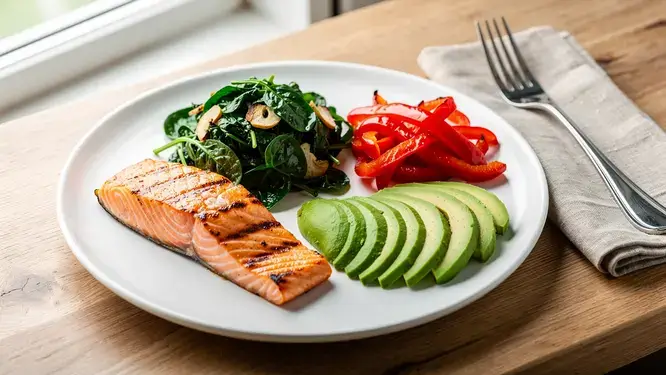
Curious what is the primal diet? Discover how eating like your ancient ancestors—with a side of cheese—might energize you (and your next caveman impression).
Real-Life Fitness for Real People
Since 2024
Macro dieting for beginners changed my fitness journey. At the gym, I learned about “macros” from fit individuals. This new approach to nutrition basics transformed my progress. Macro dieting isn’t a fad. It focuses on balancing proteins, fats, and carbohydrates. This method helps you understand what you’re eating, not just how much. Don’t worry if …

Macro dieting for beginners changed my fitness journey. At the gym, I learned about “macros” from fit individuals. This new approach to nutrition basics transformed my progress.
Macro dieting isn’t a fad. It focuses on balancing proteins, fats, and carbohydrates. This method helps you understand what you’re eating, not just how much.
Don’t worry if tracking macros seems overwhelming. This guide will help you get started. We’ll explore the basics and why they matter.
Macro dieting for beginners can help with weight loss, muscle gain, and overall health. It’s a flexible approach that adapts to your unique needs.
Ready to improve your nutrition? Let’s begin your journey to a healthier you!
Macronutrients are vital for our diet. They provide energy and nutrients our bodies need to work well. Let’s explore what macronutrients are and why they’re important.
Macronutrients are nutrients we need in big amounts. They include carbs, protein, and fats. Each has a special job in our body.
These nutrients give us energy as calories. They help our body work right.
| Macronutrient | Calories per gram | Recommended Daily Intake |
|---|---|---|
| Carbohydrates | 4 | 45-65% of daily calories |
| Protein | 4 | 10-35% of daily calories |
| Fats | 9 | 20-35% of daily calories |
Balancing macronutrients is key for good health. They fuel our bodies and help cells grow. The right mix can boost energy and help manage weight.
Carbs are our body’s favorite energy source. They fuel brain function and hard workouts. Protein helps muscles grow and fix themselves.
Fats help make hormones and absorb nutrients. They’re also important for brain health. Active people need extra protein.
Good macronutrients are as important as how much you eat. Choose whole grains, lean proteins, and healthy fats. Balancing these nutrients is a big step to better health.
Macro dieting can be thrilling yet daunting for newcomers. This guide covers macro tracking basics, essential tools, and tips for success.
Macro tracking monitors your protein, carbohydrate, and fat intake. It focuses on nutrient quality, not just calories.
A typical macro ratio is 50% carbs, 30% protein, and 20% fat. For a 2000-calorie diet, this means:
To start macro tracking, you’ll need these key tools:

Watch out for these pitfalls on your macro journey:
Macro tracking is a helpful tool, not a strict rule. Use it to guide your food choices.
With practice, you’ll find a balance that works for you. Don’t let tracking control your life.
Macro calculation is vital for successful dieting. Let’s explore how to determine your metabolic rate and set proper macro ratios.
Your base metabolic rate (BMR) is the calories burned at rest. The Harris-Benedict formula estimates BMR using weight, height, age, and gender.
This forms the basis for calculating your daily caloric needs.
After finding your BMR, adjust for activity. Multiply your BMR by an activity factor:

Now, let’s set your macro ratios. A common split is 40% protein, 40% carbs, and 20% fat.
Protein and carbs have 4 calories per gram, while fat has 9. For weight loss, reduce TDEE by 15-25%.
For weight gain, increase it by 5-15%.
For example, on a 2,580 calorie diet:
Adjust these numbers based on your personal goals and nutritional needs. You’re now ready to start your macro dieting journey!
Macronutrients are vital for a balanced diet. They perform unique functions in our bodies. Each one contributes to our overall health and wellbeing.
Carbohydrates fuel our bodies. Experts suggest 45-65% of daily calories should come from healthy carbs. These nutrients provide glucose for bodily functions and activities.
Proteins help with growth and tissue repair. Adult men need 56g daily, while women need 46g. For weight loss, 1.2-2g per kilogram of body weight is better. Proteins burn more calories during digestion.
Fats are crucial for hormone production and cell growth. They also help absorb vitamins. Aim for 20-35% of daily calories from healthy fats. Keep saturated fats under 10%.
Your ideal macronutrient balance is unique to you. Different ratios can help with weight loss. What matters most is staying consistent with your approach.
A balanced diet with all macronutrients is best. It supports good health and lasting results.
Macro-friendly foods are vital for successful macro dieting. Let’s explore smart options for each macronutrient to help you reach your goals.
Protein helps build and repair muscles. Here are some great protein sources:
Healthy fats support hormone function and nutrient absorption. Try these tasty options:
Complex carbs give you energy and fiber. Add these to your meals:
| Macronutrient | Food Sources | Benefits |
|---|---|---|
| Protein | Chicken, fish, eggs | Muscle repair, satiety |
| Healthy Fats | Avocados, nuts, olive oil | Hormone support, nutrient absorption |
| Complex Carbs | Whole grains, fruits, vegetables | Energy, fiber |
Mix these macro-friendly foods into your meals. You’ll hit your macro goals while enjoying yummy, healthy food.
Tracking macros is vital for successful dieting. Let’s explore some tips to make this process easier and more effective.
Macro tracking apps are essential tools for managing your diet. Popular options include My Macros+, MyFitnessPal, Carb Manager, and Cron-o-Meter.
These apps break down your macro percentages. They make it easy to stay on track with your nutrition goals.
Good meal planning helps you meet your macro targets. Prepare meals in advance to have balanced options ready.
This helps you stick to your macros. It also prevents impulsive food choices.
Accurate food portioning is key for precise macro tracking. Get a digital scale to weigh your food in grams.
This method gives the most accurate macronutrient calculations. Small measurement errors can affect your overall macro intake.
| Macronutrient | Calories per gram | Example daily intake (1700 calories) |
|---|---|---|
| Carbohydrates | 4 | 212.5g (50% of total calories) |
| Protein | 4 | 64g (15% of total calories) |
| Fat | 9 | 47g (25% of total calories) |
Use these tools and strategies to make macro tracking a habit. Stay consistent to reach your nutrition goals.
Flexible dieting is a game-changer for sustainable weight loss. It focuses on hitting macro targets while allowing various foods. This approach makes sticking to your diet long-term easier.
Research supports this method. A 2021 study compared flexible diets to stricter plans. Flexible dieters lost the same weight but kept more lean muscle mass.
They also reported less anxiety about food choices. This leads to better long-term success in weight management.
For best results, aim for 80-85% of calories from whole, nutrient-dense foods. This ensures you’re getting vital micronutrients. The remaining 15-20% can come from your favorite treats.
Make sure these treats fit your macros. Consistency is key in flexible dieting. Track your progress using body measurements and photos, not just the scale.
With patience and persistence, flexible dieting can change your nutrition habits. It leads to lasting, positive changes in your overall health.
Curious what is the primal diet? Discover how eating like your ancient ancestors—with a side of cheese—might energize you (and your next caveman impression).
Curious about the zero starch diet? Learn what you can actually eat, how to avoid salad boredom, and why potatoes are definitely not invited to this party.
A beginner swim workout turns splashing around into smart, safe exercise—even if your best stroke is “try not to panic.” Learn to swim with confidence (and laughs).