Tips
What Is the Primal Diet? Why Your Inner Caveman Might Need a Salad
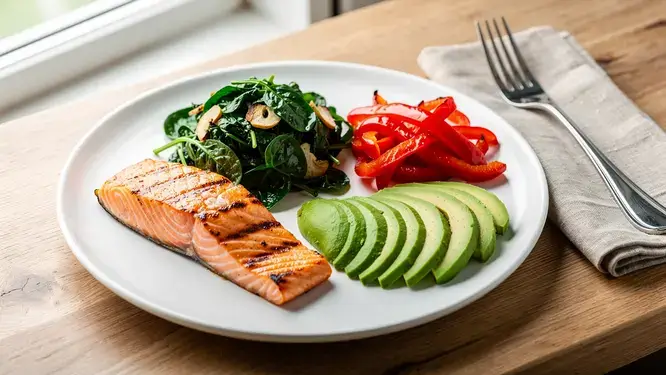
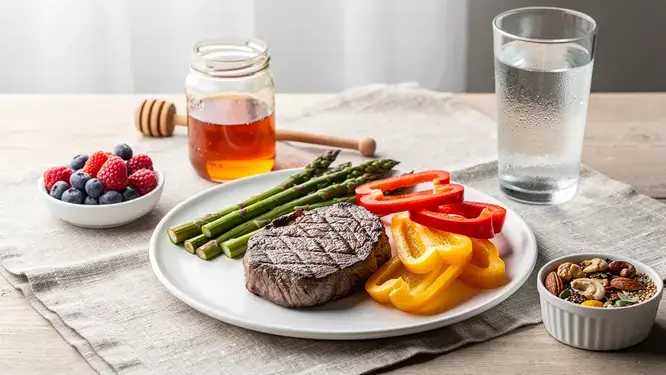
Curious what is the primal diet? Discover how eating like your ancient ancestors—with a side of cheese—might energize you (and your next caveman impression).
Real-Life Fitness for Real People
Since 2024
Craving real comfort but stuck on soup for liquid diet? Discover safe, silky soups that delight your taste buds—and your doctor. See how liquid can be lively!

Soup for liquid diet is a key choice when you’re facing a liquid diet—whether for recovery, surgery, or a medical plan. You’ll want soups that actually satisfy your hunger and support your healing, without risking setbacks. The right soup is crucial for safety and nutrition during each stage.
Disclosure: This article contains affiliate links. We may earn a commission at no extra cost to you.
When you’re managing a soup for liquid diet—especially after surgery or on a medical prescription—choosing the right soup matters more than you might think. Not all puréed soups make the cut; full-liquid and bariatric-appropriate soups must meet strict texture and nutrient standards to keep you safe and on track.
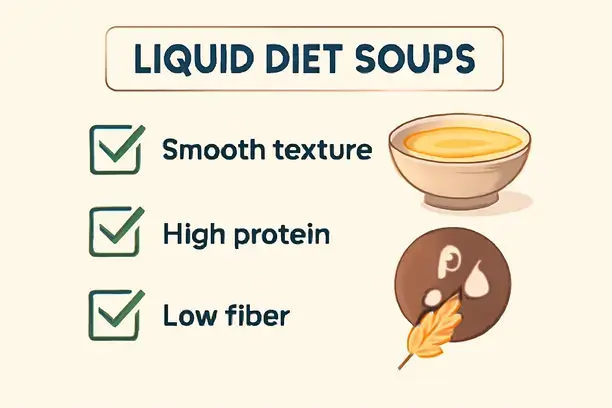
A true full-liquid soup is completely smooth, with no visible particles, pulp, or fibers. It should pour easily from a spoon while still delivering satiety and essential nutrients. Unlike clear broths (which are transparent liquids), full-liquid soups are often thicker but remain free of chunks or tough bits to protect your healing stomach lining, especially right after bariatric surgery (American Society for Metabolic and Bariatric Surgery).
Your soups must pass through fine-mesh sieves leaving no grit, and you’ll need to modify recipes that contain starch, cheese, or nuts—ingredients best avoided in those early recovery weeks.
Many delicious, nutrient-dense soups can be tweaked to support your recovery and diet goals. Here are some common examples:
To simplify this process, the 14-Day Rapid Soup Diet provides chef-designed, protein-forward soups labeled by bariatric phase, eliminating guesswork and supporting your recovery and nutrition goals.
These criteria guide safe progression through clear-liquid, full-liquid, and soft-food phases while preserving comfort and healing. Always consult your medical team before modifying any phase.
Success on a liquid diet comes down to precise nutrition. That’s why every recipe here features a clear, standardized nutrition panel detailing calories, protein, macros, sodium, and fiber per serving. This transparency removes guesswork and helps you meet your dietary goals safely.

Standardized information lets you easily compare soups and track your intake for medical conditions like diabetes or post-bariatric recovery. It also makes communication with healthcare providers smoother when they need exact nutrition data to monitor your progress.
The 14-Day Rapid Soup Diet offers fully structured daily recipes and swap guides to maximize nutrition without the guesswork.
Your protein needs vary post-surgery or during recovery. Aim for 15–25g protein per soup serving and supplement as needed:
Balance these additions with fiber-rich or unsweetened plant-based ingredients to prevent glucose spikes and promote well-rounded nutrition (American Diabetes Association).
Serving sizes are consistently measured (usually 1 cup/240mL) to help you control calories and protein intake. Adjusting soup thickness by varying broth or puree ratios directly affects nutrition, so serving notes specify these options.
Accurate portion control benefits those in post-bariatric stages or needing strict metabolic management (CDC Nutrition Guidelines).
Uniform nutrition layouts and protein-boosting suggestions across recipes let you swap meals effortlessly. If you switch a tomato-based soup for a high-protein broccoli variant, you can instantly gauge the macro impact without extra math.
The Rapid Soup Diet 14-day program offers comprehensive meal plans with shopping lists and precise protein targets, ideal for busy folks or anyone wanting reliable structure.
For additional nutrition balancing tips, check out our guide on how to eat with macros for balanced living.
Blending hot soups, especially for liquid diets, requires care to avoid dangerous steam explosions and scalding splashes. Using the right safety tips ensures your purees are smooth and safe.
These methods apply across hearty vegetable soups, broths, and purely blended recipes designed for easy digestion.
Safe handling after blending extends your soup’s freshness and reduces risk:
Following these precautions protects your health and preserves flavor. The USDA provides detailed guidance on safe food handling (USDA Food Safety).
Common texture challenges have easy fixes:
Explore comprehensive recipes tailored for dietary needs in our specialized soup collection.
Following these simple habits builds safety and quality into every liquid diet soup you prepare.
For a convenient, professionally designed soup meal plan emphasizing safety and flavor, preview the 14-Day Rapid Soup Diet system. For more kitchen and troubleshooting tips plus done-for-you menus, consider downloading the Rapid Soup Detox.
Bariatric surgery recovery follows staged diet phases designed to protect healing and ensure adequate nutrition.
Progression timing varies individually; always follow your surgical team’s recommendations (American Society for Metabolic and Bariatric Surgery). Even after solid foods resume, gentle soups often remain diet staples.
Check recipes carefully for compatible ingredients. For example, cheese should be melted and fully blended before use; nuts, seeds, and whole grains are off-limits early on (UCLA Health Bariatric Guide).
Recovery differs per individual. Always consult your bariatric dietitian or surgeon before introducing new foods or advancing phases. Symptoms like pain, nausea, or vomiting signal a need to pause or return to an earlier phase (Cleveland Clinic).
The 14-Day Rapid Soup Diet includes phase-specific recipes and guidance tailored for safe, effective bariatric recovery and rapid weight loss.
Consider expanding your meal ideas with nutrient-rich, phase-appropriate soups in our in-depth soup diet guide.
Trust in soup recipes designed for medical or bariatric diets requires transparent expertise. Every medically adapted or post-op recipe includes bylines listing the author’s qualifications, such as registered dietitian or clinical specialist.
Additionally, recipes undergo independent expert review, clearly noted alongside publication dates and edit logs. This dual-authorship ensures you’re getting up-to-date, evidence-based guidance tailored to your health needs.
User comments or alternative suggestions on recipes are distinctly labeled as community tips. Any advice that ventures into clinical territory is flagged and supplemented by expert moderator responses, separating validated medical guidance from well-meaning anecdotal input.
This level of editorial rigor mirrors best practices on credible medical recipe platforms and reassures you that you’re following safe, reliable instructions (Academy of Nutrition and Dietetics).
For structured, expert-led meal plans with video tutorials and professionally vetted recipes, the 14-Day Rapid Soup Diet program is an excellent resource to gain confidence in your liquid diet journey.
For broader healthy meal ideas post-liquid phase, visit our collection of healthy at-home meals, thoughtfully curated for balanced nutrition.
Transparent authorship and expert moderation raise instructional standards while welcoming community insights rooted in evidence-based practice.
Curious what is the primal diet? Discover how eating like your ancient ancestors—with a side of cheese—might energize you (and your next caveman impression).
Curious about the zero starch diet? Learn what you can actually eat, how to avoid salad boredom, and why potatoes are definitely not invited to this party.
A beginner swim workout turns splashing around into smart, safe exercise—even if your best stroke is “try not to panic.” Learn to swim with confidence (and laughs).