Tips
What Is the Primal Diet? Why Your Inner Caveman Might Need a Salad
Curious what is the primal diet? Discover how eating like your ancient ancestors—with a side of cheese—might energize you (and your next caveman impression).
Real-Life Fitness for Real People
Since 2024
Curious if detox soup is legit or just another veggie myth? See what science and dietitians really say, plus how soup can help your next healthy reset (no wizardry required).
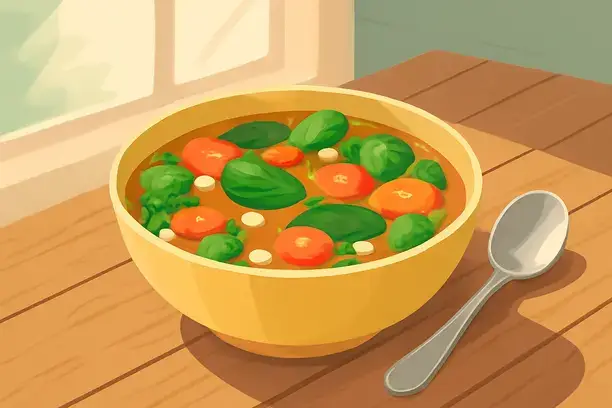
Detox soup is one of the most popular ways to feel lighter, more energized, and lose some belly bloat—without starving or falling for a “miracle cleanse.” Detox, in truth, refers to your body’s natural process of removing harmful substances, which your liver and kidneys handle brilliantly—no extreme diets or supplements required.
Disclosure: This article contains affiliate links. We may earn a commission at no extra cost to you.
The concept of “detox” often evokes images of special diets or cleanses, but in reality, detoxification is a natural, continuous process handled by your body. At its core, detox simply means removing harmful substances—a task your liver and kidneys already perform brilliantly without any extreme diets or fancy supplements.
Your liver breaks down toxins like alcohol, medications, and waste products into less harmful forms through enzyme processes, then expels them via bile or urine. Meanwhile, your kidneys filter your blood continuously, managing fluid balance and eliminating water-soluble toxins with every trip to the bathroom. In healthy individuals, these organs operate efficiently on their own Source: NHS.
Detox soups typically feature fiber-rich vegetables, hydrating broths, and moderate protein. While these provide nutrients that support liver and kidney health by promoting metabolism and gut function, there’s no scientific evidence showing that any specific soup accelerates or enhances toxin removal beyond your body’s natural ability Source: Cleveland Clinic.
Most detox diets cut out processed foods, added sugars, excess salt, and alcohol. When people feel less bloated or more energetic, it’s mainly due to improved hydration and fiber intake—not an expedited toxin elimination. Evidence doesn’t support claims that herbal supplements or restrictive cleanses clear industrial toxins from your body. In fact, some detox regimes may be too low in calories or protein for safe long-term use, and can pose risks for those with medical conditions detailed review: NCBI.
For most people, the best way to “detox” is by supporting normal physiology: eat plenty of whole vegetables and foods, avoid highly processed products, stay well hydrated, get adequate rest, and skip unnecessary supplements or fad diets.
If you’d like to incorporate soup as a nutrient-rich part of a cleaner diet, explore our selection of real, satisfying soup diet ideas. For a guided approach using soups for a gentle reset without extreme restrictions, consider the 14-Day Rapid Soup Diet program, offering recipes and daily support with a money-back guarantee.
Remember, no plan can promise to “eliminate all toxins” or yield radical health changes in days. Trust credible guidance from sources like the NHS rather than marketing hype.
For a safe, structured soup-centered plan, explore the Rapid Soup Detox system with simple recipes and step-by-step instructions.
Detox soup cleanses aren’t suitable for everyone. Children and teenagers require balanced nutrition to support growth and should avoid restrictive diets. Pregnant or breastfeeding women also need consistent, comprehensive nutrition, making soup-only cleanses risky.
People with chronic conditions such as diabetes, kidney or liver diseases, digestive disorders, or those with a history of eating disorders should avoid these cleanses. If you’re taking medications that depend on steady macronutrient intake—like insulin, thyroid hormones, or blood thinners—sudden diet changes can trigger negative effects. Always consult your healthcare provider before beginning any major dietary regimen, particularly if you have ongoing medical issues Source: Academy of Nutrition and Dietetics.
If you begin a detox soup plan, stop and seek medical advice if you experience any of these red flags:
These symptoms might indicate electrolyte imbalances or hypoglycemia and require prompt attention, especially for those with underlying health conditions Source: Mayo Clinic.
Detox soup cleanses should be short—1 to 5 days maximum, not prolonged. Afterward, ease back into regular eating by:
If weakness or illness persists, consult your healthcare provider promptly.
Results from detox soups vary widely based on individual factors. Although some water weight loss may occur, sustained fat loss requires long-term lifestyle changes. Dramatic claims should be taken with caution and understood as anecdotal FDA guidance.
Always seek personalized advice from licensed healthcare professionals before starting restrictive cleanses, especially if you’re under 18, pregnant, breastfeeding, or taking essential medications.
For a safe and structured short-term soup plan, consider the 14-Day Rapid Soup Diet digital program, designed to align with safety guidelines and provide guided meal options.
If you’d like to explore longer-term balanced diets, check our resources on building a balanced diet daily.
For a structured reset plan, see the Rapid Soup Detox system offering step-by-step online support.
Detox soups often receive praise for being low-calorie and nutrient-rich, but it’s crucial to understand their actual nutritional content. Most popular recipes—including vegetable-heavy or cabbage-based options—provide hydration and fiber but vary widely in macros and micronutrients.
Protein is often modest in detox soups, so adding beans, tofu, or lean meats can improve meal satisfaction. Sodium content deserves attention—many commercial broths add significant salt, so using low-sodium options or homemade broth is advisable.
Overall, these ingredients support general health when eaten regularly but shouldn’t be expected to deliver rapid or medicinal detox effects in isolation.
If you’re following specific diets like keto or macro counting, track ingredients carefully. For more on balanced macros, see our guide to building meals with macro balance.
For an easy, done-for-you protocol that eliminates guesswork, try the 14-Day Rapid Soup Diet featuring recipes and meal plans tailored for fast, safe results.
Reset your meals with nutrient-packed soups that fit your energy and weight goals through the Rapid Soup Detox program.
Detox soups don’t have to be just short-term cleanses. When integrated wisely, they can complement your regular diet—whether as a lighter meal, a plant-forward reset, or an easy, comforting option. However, they’re best used as part of a varied eating pattern rather than as a sole nutrition source.
Nutrition experts typically recommend:
Relying too heavily on detox soups—or any restrictive diet—risks inadequate protein, fiber, healthy fats, and micronutrients. Balance soups by pairing them with lean proteins such as chicken, fish, beans, or tofu, plus whole grains like brown rice or quinoa to support energy and satiety—a strategy consistent with balanced macro meal planning.
A sample day incorporating detox soup might look like this:
This pattern supports stable energy levels and covers essential macronutrients. For structured meal plans guided by soup-based recipes, see the 14-Day Rapid Soup Diet.
Here’s the truth: if you’re looking for a shortcut to meal planning that doesn’t leave you hungry or overwhelmed, a ready-made soup plan can make healthy eating feel effortless—even on your busiest days.
While brief soup-focused diets can provide a feeling of digestive reset, there’s no evidence they lead to sustained weight loss without broader lifestyle changes Source: Harvard School of Public Health. Use detox soups as nourishing, low-calorie options rather than relying on them for dramatic results.
For sustainable meal ideas that avoid restriction, explore our guides on balanced weight loss diets and plant-powered recipes.
To simplify healthy dietary resets, consider the Rapid Soup Detox digital kit featuring easy recipes and meal pairings without extreme rules.
Our detox soup guidance is rooted in both expert knowledge and practical experience. The core team includes registered dietitians, certified nutrition coaches, and skilled home cooks. We align advice with current recommendations from authorities like the Academy of Nutrition and Dietetics and WHO, emphasizing accuracy and transparency Source: Academy of Nutrition and Dietetics.
We clearly distinguish professional insight—like macronutrient calculations or safe swaps—from personal recipe experimentation. For instance, recommendations about low-sodium broths come from dietitian expertise, while seasoning tweaks reflect kitchen-tested preferences. Claims on satiety or cravings are either research-backed or labeled as anecdotal. For further healthy meal planning, visit our guide on nutritious home cooking.
Each detox soup recipe undergoes multiple cook-throughs, including testing variations like vegetarian alternatives or protein swaps. Feedback is gathered from various age groups and dietary preferences. Nutrition info uses trusted databases such as USDA FoodData Central, with notes on estimations where commercial product labels vary Source: USDA FoodData Central.
We aim for clarity and caution in health claims. Statements such as “supports hydration” or “low-calorie soups aid calorie deficit” link to reputable research or consensus documents. More speculative benefits—like “anti-inflammatory effects”—are identified as emerging science rather than proven facts. We avoid overpromising rapid results and always include disclaimers Source: NHS.
When featuring popular programs like the 14-Day Rapid Soup Diet, we distinguish between promotional claims, testimonials, and typical results. For those pursuing broader healthy eating, check our roundup of plant-rich, nutrient-dense meals that align with detox principles.
Curious what is the primal diet? Discover how eating like your ancient ancestors—with a side of cheese—might energize you (and your next caveman impression).
Curious about the zero starch diet? Learn what you can actually eat, how to avoid salad boredom, and why potatoes are definitely not invited to this party.
A beginner swim workout turns splashing around into smart, safe exercise—even if your best stroke is “try not to panic.” Learn to swim with confidence (and laughs).