Tips
What Is the Primal Diet? Why Your Inner Caveman Might Need a Salad
Curious what is the primal diet? Discover how eating like your ancient ancestors—with a side of cheese—might energize you (and your next caveman impression).
Real-Life Fitness for Real People
Since 2024
Curious about the standard process 21 day cleanse? Get a science-backed look at what’s inside, real results, and why your salad might need a helmet. Learn more!

Standard Process 21 Day Cleanse claims to support your body’s natural detoxification by eliminating “toxins”—but what exactly does that mean? The program rarely defines these toxins with precision. You’ll typically hear vague references to chemicals, byproducts from processed foods, or environmental compounds rather than specific substances your body needs help removing.
Here’s the thing: your liver, kidneys, skin, and gut already do an excellent job of filtering out harmful substances. If you’re generally healthy, you don’t need an external cleanse to make that happen Source: NHS.
Advocates often credit the cleanse with boosting energy, managing weight, or clearing up skin—supposedly by purging accumulated toxins. But there’s a catch: the program doesn’t identify which toxins it targets, and peer-reviewed research showing benefits beyond a standard healthy diet is hard to find. Any weight loss you experience is more likely due to cutting calories, not expelling mysterious toxins Source: Mayo Clinic.
Bottom line? Solid evidence backing claims of rapid detox, glowing skin, or lasting weight loss through this cleanse is scarce. If weight management is your goal, you’re better off with strategies rooted in balanced nutrition, portion control, and regular physical activity. For practical guidance, check out our article on healthy diet plans for weight loss.
Before you jump in—especially if you have existing medical conditions, take medications, or you’re pregnant or breastfeeding—talk to your healthcare provider. A personalized approach is essential for safe, long-term wellness.
Understanding exactly what you’re putting into your body is non-negotiable. The Supplement Facts panels on products like SP Cleanse, SP Complete, and the fiber supplements give you that transparency—helping you spot potential allergens, avoid unwanted additives, and stick to safe dosages.

SP Cleanse typically blends whole food ingredients such as beet root, Spanish black radish, milk thistle, and standardized herbal extracts. These ingredients have traditional ties to liver function and detoxification, while natural plant fibers support digestion and elimination.
Keep in mind that formulations can shift slightly depending on your region or product updates. Always read the Supplement Facts on your specific bottle. For the latest label details, visit the official Standard Process product page or consult a healthcare professional.
SP Complete functions as your protein and phytonutrient supplement. You’ll often find whey protein concentrate, organic pea protein, amaranth, quinoa flours, and antioxidants from sources like kale and apple pectin. If you’re dairy-sensitive or vegan, check the label carefully—dairy-free versions exist in some markets.
Fiber supplements like Gastro-Fiber and Whole Food Fiber contain blends of psyllium husk, apple pectin, and flax seed to promote gut health and keep you feeling full. Mix powders into plenty of water and stir right away to avoid clumping.
If you’re taking medications, be aware that ingredients like psyllium and flax can interact with certain drugs. Allergen warnings vary by product and batch—typically flagging soy, dairy, or tree nuts. Discuss any allergies with your healthcare provider before starting.
Dosages usually spread across meals for gentle, sustained support. Don’t exceed the recommended amounts unless directed by a qualified practitioner—some herbs and fibers pack a punch at higher doses.
Understanding components like milk thistle clarifies their traditional liver-supportive roles, while protein blends help you maintain muscle mass if you’re cutting calories. This knowledge lets you tailor your meals, spot nutritional gaps, and align the cleanse with your personal needs.
For a detailed user experience and nutrition breakdown, explore our complete Standard Process 21 Day Cleanse guide.
When in doubt, consult a dietitian or physician to interpret the Supplement Facts—especially if you manage health conditions, allergies, or medications. For broader context on supplements and safety, refer to the FDA guide to dietary supplements.
The Standard Process 21 Day Cleanse is a nutritionally intensive protocol—and it’s not for everyone. If you’re pregnant or breastfeeding, steer clear. The rapid dietary shifts and botanical supplements can pose risks to fetal or infant development.
Taking blood thinners like warfarin? This cleanse is off-limits. The typically high vitamin K content can interfere with your medication, increasing clotting risk.
People with kidney or liver dysfunction need medical supervision. The organ stress from concentrated nutrients and herbal extracts can complicate existing conditions.
Watch for red-flag symptoms: severe cramps, persistent nausea, dizziness, heart palpitations, jaundice, or allergic reactions like swelling and breathing difficulties. These require immediate medical attention.
Mild side effects—headache, temporary fatigue, bloating, or changes in bowel habits—are more common. If these persist or worsen, stop the cleanse and consult a healthcare professional.
If you have diabetes, digestive disorders, or chronic illnesses, proceed with caution. The cleanse may disrupt blood sugar stability and gut function, potentially exacerbating underlying conditions.
Before you start, give your healthcare provider a full ingredient list and dosage schedule. This ensures safety and allows for necessary adaptations. For tailored detox alternatives, review recommendations around safe detox protocols and how structured clean eating plans like a 21-day detox differ in approach.
If you experience persistent or worsening symptoms, stop immediately and consult a licensed healthcare provider. Your safety and personalized care come first. Source: NIH Office of Dietary Supplements
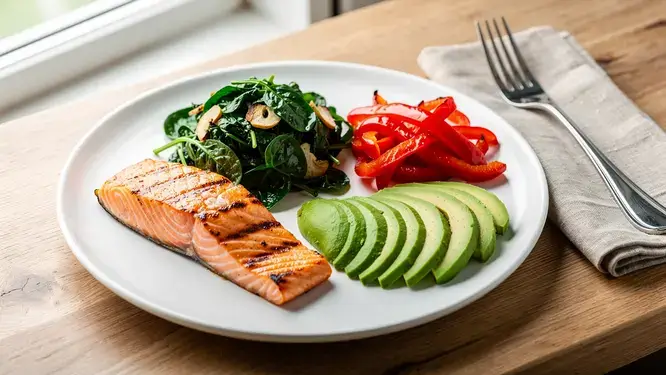
The first phase zeroes in on nutrient-dense whole foods—mainly vegetables and fruits. Aim for about 50% fresh, raw, or lightly cooked vegetables and 30% fruits, with the rest from healthy fats like avocado, nuts, and extra virgin olive oil.
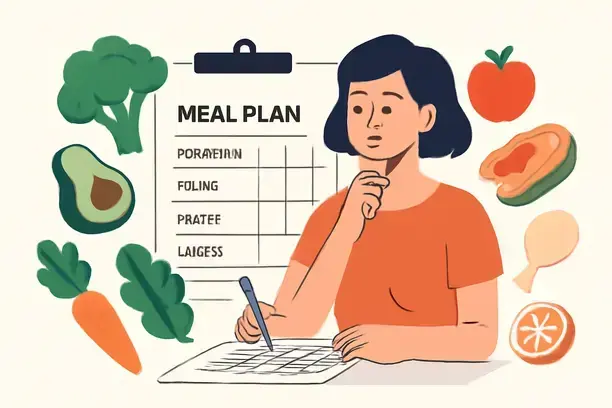
During this phase, you’ll skip grains, beans, processed foods, and animal proteins. Load up on leafy greens (spinach, kale), broccoli, bell peppers, cucumbers, carrots, zucchini, and cabbage. For fruit, choose berries, apples, pears, oranges, and melons.
Target 7–9 servings of vegetables and 3–5 servings of fruit daily, adjusting based on your appetite and energy needs.
From day 11, you’ll gradually reintroduce clean protein sources: wild-caught fish, cage-free eggs, organic poultry, and—if your healthcare provider approves—plant-based options like lentils and quinoa.
Typical portion sizes range from 2 to 4 ounces per meal, depending on your activity level and hunger cues. Keep prioritizing non-starchy vegetables and moderate fruit intake to maintain balanced energy.
For more recipe ideas centered on vegetables and lean proteins, explore our practical healthy meal inspirations.
To support elimination and digestive comfort, aim for 2–3 liters (8–12 cups) of water daily. Unsweetened herbal teas count, too.
Maintaining electrolyte balance matters. Consider adding a pinch of unrefined sea salt to one glass of water daily, or eat potassium-rich foods like spinach and banana. Dietary changes and increased hydration can shift your sodium and potassium levels Source: Academy of Nutrition and Dietetics.
Calorie needs vary based on body size, age, sex, and activity level. Most adults do well with 1200–1800 calories daily during the cleanse. Listen to your hunger signals and adjust accordingly.
If you’re focused on preserving muscle mass or preventing fatigue during protein reintroduction, consult guidelines on macronutrient balancing here.
If symptoms escalate—think dizziness or rapid heartbeat—pause the cleanse and consult a medical professional. Personalizing your approach is key, and making adjustments to stay safe and comfortable is encouraged.
For detailed meal planning and sample menus, see our 21-day cleanse guide.
The Standard Process 21 Day Cleanse backs its claims with rigorous quality assurance—from farming practices to the final product you receive. The company emphasizes purity through independent third-party lab testing, analyzing each batch for heavy metals, microbial contamination, pesticides, and potency.
Standard Process provides Certificates of Analysis (COAs) for select products, openly sharing test results and ingredient sourcing details.
Manufacturing meets or exceeds current Good Manufacturing Practice (cGMP) standards set by the FDA for dietary supplements. This means standardized procedures from raw ingredient verification through packaging, backed by regular audits.
Many plant-derived ingredients come from Standard Process’s certified organic farm, ensuring traceability and reducing contamination risk. External suppliers face stringent vetting, supported by identity documentation and in-house quality testing.
Formula updates, packaging changes, and scientific content revisions are tracked in product version logs included with each kit. As of early 2024, the formulations reflect the latest quality and safety reviews, with periodic internal audits ensuring ongoing compliance.
You can verify current product versions and review detailed COAs on the official Standard Process website or by contacting their support team directly Source: Standard Process.
For context on how these quality controls fit into broader detox practices, see our review at 21 day cleanse program details and review. If you’re looking for gentler detox alternatives, explore our summary of various 21-day detox options and safety tips.
Our coverage of the Standard Process 21 Day Cleanse reflects a commitment to transparency and evidence-based health information. Articles are developed by experienced health writers, often with direct input or review from credentialed nutritionists and registered dietitians.
All contributing authors and reviewers are listed with current qualifications, ensuring you’re getting guidance grounded in scientific and regulatory standards.
We maintain editorial independence—content is developed without influence from product manufacturers. Medical advice reflects only publicly available, up-to-date guidance. Our team periodically reviews and updates articles to keep pace with evolving science, with clear timestamps indicating both original authorship and last medical review.
Testimonials included in our cleansing regimen coverage undergo strict verification and disclosure. Individual experiences aren’t presented as universal proof. When sharing testimonials or before-and-after claims, any sponsorship, compensation, or provision of free products is transparently noted—distinguishing anecdotal reports from editorial guidance.
Update histories are visible on pages related to cleanses, including our in-depth Standard Process 21 Day Cleanse review, so you can trust the content is current.
By openly declaring authorship, vetting testimonials, and maintaining visible update logs, we strive to offer trustworthy, fact-based guidance on the 21-day cleanse and related nutrition topics. Source: MedlinePlus
Curious what is the primal diet? Discover how eating like your ancient ancestors—with a side of cheese—might energize you (and your next caveman impression).
Curious about the zero starch diet? Learn what you can actually eat, how to avoid salad boredom, and why potatoes are definitely not invited to this party.
A beginner swim workout turns splashing around into smart, safe exercise—even if your best stroke is “try not to panic.” Learn to swim with confidence (and laughs).