Tips
What Is the Primal Diet? Why Your Inner Caveman Might Need a Salad
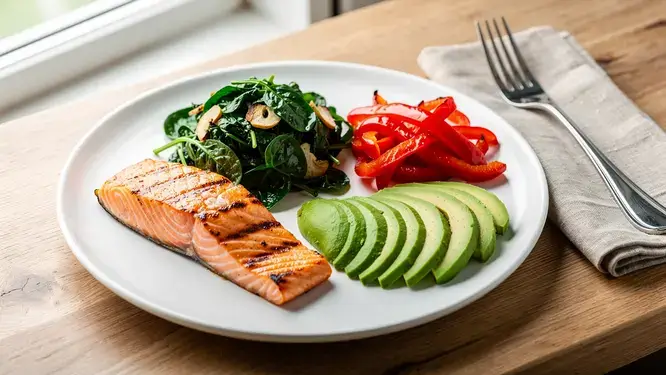
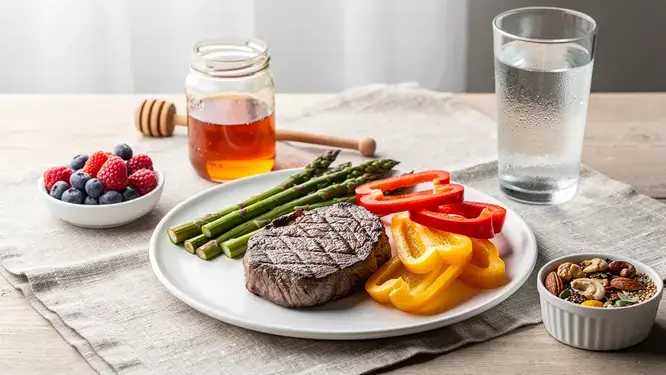
Curious what is the primal diet? Discover how eating like your ancient ancestors—with a side of cheese—might energize you (and your next caveman impression).
Real-Life Fitness for Real People
Since 2024
Discover how nutrient-dense foods for weight loss can fill you up, not out—because salads shouldn’t leave you hungry (or grumpy). See how tasty nutrition wins.
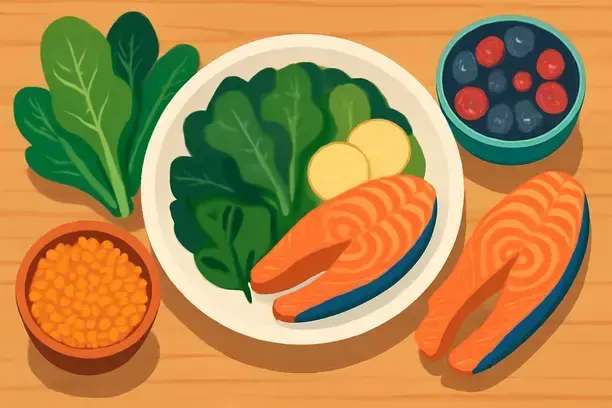
Nutrient-dense foods for weight loss are the key to filling up on fewer calories while giving your body what it truly needs—so you can stay satisfied and still see results.
Disclosure: This article contains affiliate links. We may earn a commission at no extra cost to you.
Nutrient density measures how many essential vitamins, minerals, protein, fiber, and healthy fats a food delivers relative to its calorie content. Think of it as getting more nutrition per bite.
Foods that are nutrient-dense—like dark leafy greens, lentils, berries, and fish—give your body what it needs while promoting fullness, all without packing in excessive calories. They’re the foundation of smart, sustainable weight loss.
Energy density, on the other hand, refers to how many calories a food provides per unit of weight or volume. High energy-dense foods like chips or pastries cram a lot of calories into small portions, making overeating surprisingly easy.
Low energy-dense foods flip that script. Watermelon, vegetable soups, or big spinach salads let you eat larger, more satisfying portions for fewer calories. That’s why they’re such powerful allies when you’re trying to lose weight without feeling like you’re constantly restricting yourself.
Satiety is the sensation of fullness after eating—both the physical “I’m satisfied” feeling and the psychological sense that you’ve had enough.
Research consistently shows that protein and fiber are the satiety superstars. They slow digestion, curb your appetite, and naturally help you eat less throughout the day without relying on willpower alone Source: CDC.
Here’s a practical example: a bean quesadilla made with a whole-grain tortilla and black beans delivers both protein and fiber. You’ll stay full much longer than if you made the same quesadilla with only cheese and a refined flour tortilla.
Toss in sliced bell peppers or a handful of leafy greens, and you’ve boosted nutrient density and added satisfying volume—all without piling on extra calories.
If you’re looking for more plant-based ingredient ideas that increase fiber and nutrient density, check out these simple healthy recipes.
You’ve probably heard that foods like celery or cucumber burn more calories during digestion than they provide. It’s a popular idea, but it’s not backed by science.
While very low-calorie foods do add bulk without significantly increasing your calorie intake, none of them create a true negative calorie effect Source: Harvard Health.
What actually works? Filling your plate with nutrient-dense, low energy-dense foods. That’s a proven strategy for weight loss that doesn’t rely on gimmicks.
Cutting calories can accelerate weight loss at first, but severe restrictions without variety raise the risk of nutrient deficiencies. You don’t want to lose weight at the expense of your health.
That’s why it’s so important to prioritize nutrient-dense foods—leafy greens, legumes, oily fish, nuts, and colorful vegetables. These foods supply the essential vitamins and minerals that support metabolism, muscle function, and overall well-being, even during a calorie deficit.
A smart approach is to start with meal plans that rotate seasonal produce, legumes, and lean proteins. This helps you maintain balanced nutrition while still hitting your weight loss goals.
For practical guidance, take a look at our balanced, healthy meal planning resources.
Let’s break down how a simple bean quesadilla can optimize satiety and nutrition:
This meal hits all the right notes: protein, fiber, and a broad range of vitamins. It sustains your energy levels and reduces the temptation to snack afterward Source: National Institute of Diabetes and Digestive and Kidney Diseases.
Want a structured approach that makes nutrient-dense eating simple and enjoyable? The Mediterranean Diet 30-Day Challenge offers flavorful, balanced recipes designed for satiety and sustainable weight loss—no guesswork required.
Planning meals with nutrient-dense foods becomes a lot more manageable when you have clear examples to follow. Below are three sample daily menus at approximately 1,500, 1,800, and 2,000 calories.
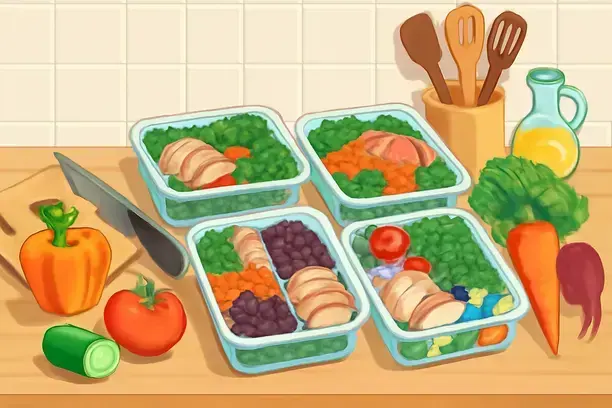
Each one includes a balanced mix of fruits, vegetables, lean proteins, and whole grains. They’re designed to meet your nutrient needs, taste delicious, and keep you satisfied throughout the day.
All these menus are built around unprocessed, whole foods that deliver maximum nutrients per calorie. You’ll notice plenty of vegetables, lean proteins, healthy fats, and high-fiber carbs that keep you full and energized.
For more inspiration, browse our collection of healthy meal ideas and balanced sample diet plans that can be adjusted for different calorie needs.
Diets that emphasize nutrient-dense foods—like the Mediterranean diet, DASH, and flexitarian eating—tend to outperform strict low-carb, “single food group” plans in terms of long-term satisfaction, nutrient sufficiency, and adherence.
The takeaway? Prioritize real foods from multiple groups and you’ll naturally eat more nutrient-dense meals that keep you energized and less likely to give up.
Curious about which approach would work best for your needs? Our guide on finding a diet that works for you breaks down pros, cons, and practical tips for customizing your plan.
If you’re ready to cut the guesswork, try the Mediterranean Diet 30-Day Challenge for daily meal plans focused on satiety and nutrients.
Not all foods are created equal when it comes to supporting weight loss. Some foods deliver more essential vitamins, minerals, fiber, and protein per calorie—meaning you can eat more, feel full, and stay energized while shedding pounds.
Here are some food groups and specific examples known for their nutrient density and weight-loss benefits:
Combining foods from several of these groups in each meal gives you steady energy, optimal nutrition, and powerful appetite control. For more snack options, see our roundup of highly nutritious snacks and healthy snacks for nighttime cravings.
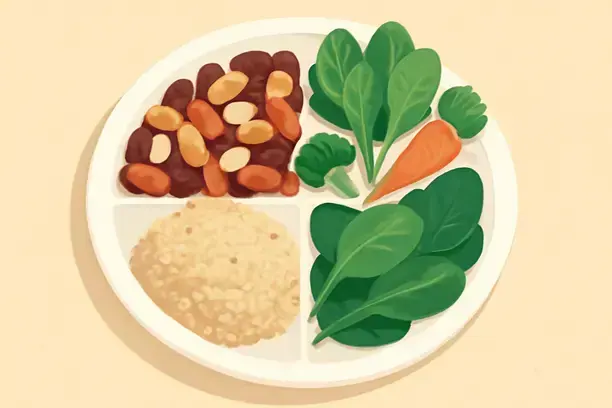
If you want to build your own meal plan, focus on filling half your plate with vegetables, a quarter with lean protein, and the rest with high-fiber carbs or healthy fats. This visual approach keeps portions and calories in check while maximizing satiety.
For an easy jump start, explore our 7-day vegetarian weight loss plan curated for high nutrient density.
Discover simple swaps, new recipes, and expert tips tailored to weight management in the Mediterranean Diet 30-Day Challenge—your shortcut to tasty and satisfying results.
Common mistakes include relying too much on processed “diet” foods, skipping meals (which can backfire and increase cravings), and not eating enough protein or fiber. Instead, build meals around whole foods—especially vegetables and lean proteins—to stay full and energized.
No food guarantees weight loss without a calorie deficit. However, eating mostly nutrient-dense foods makes it much easier to reduce calories without constant hunger, since they offer more fullness and nourishment for fewer calories.
Prep chopped veggies ahead, choose frozen or pre-washed produce, and rely on canned beans or ready-to-eat grains to throw together quick, nourishing meals. Snack on Greek yogurt, nuts, or fruit for convenient options with plenty of nutrients.
Consistency is the real secret to transforming your body and your habits. Here are practical strategies to help you stick with a nutritionally-dense, weight-loss focused way of eating for the long haul:
Setbacks are normal—don’t let a day of less-healthy eating derail you. Return to your next meal with your nutrient-dense foundation. Each choice adds up over time.
Need evidence-based motivation? We rounded up top exercise motivation tips and advice for staying full on a calorie deficit to support your wellness journey beyond what’s on your plate.
To simplify your routine and make healthy habits automatic, join the Mediterranean Diet 30-Day Challenge—no calorie counting, just delicious meals and effortless results.
Curious what is the primal diet? Discover how eating like your ancient ancestors—with a side of cheese—might energize you (and your next caveman impression).
Curious about the zero starch diet? Learn what you can actually eat, how to avoid salad boredom, and why potatoes are definitely not invited to this party.
A beginner swim workout turns splashing around into smart, safe exercise—even if your best stroke is “try not to panic.” Learn to swim with confidence (and laughs).