Tips
What Is the Primal Diet? Why Your Inner Caveman Might Need a Salad
Curious what is the primal diet? Discover how eating like your ancient ancestors—with a side of cheese—might energize you (and your next caveman impression).
Real-Life Fitness for Real People
Since 2024
Ever signed up for a gym membership, only to watch it collect dust by March? You’re not alone. Last year, I stared at my unused workout gear every morning, caught in a cycle of guilt and exhaustion. Sound familiar? That’s because nearly half of all gym members quit within six months—and billions of dollars vanish …
Ever signed up for a gym membership, only to watch it collect dust by March? You’re not alone. Last year, I stared at my unused workout gear every morning, caught in a cycle of guilt and exhaustion. Sound familiar? That’s because nearly half of all gym members quit within six months—and billions of dollars vanish yearly on subscriptions we swear we’ll use “next week.”
Here’s the truth: struggling with consistency isn’t a personal failure. Even athletes face days when the couch feels safer than the treadmill. Research shows 12% of unused monthly payments go toward fitness plans, proving this battle stretches far beyond willpower. The real question becomes this: how to find motivation to work out when energy is low and life feels overwhelming?
Traditional advice like “just push harder” often backfires. Motivation naturally ebbs and flows—like tides you can’t control. Instead of fighting this reality, we’ll explore smarter strategies. From redesigning your environment to celebrating micro-wins, sustainable progress begins with working with your brain, not against it.
Motivation isn’t a switch you flip—it’s more like a weather pattern that changes daily. Even Olympic athletes have mornings where hitting snooze beats lacing up. As James Clear notes in Atomic Habits:
“Motivation is a fickle beast. Some days you feel inspired. Some days you don’t.”
Your brain releases dopamine during physical activity, creating natural rewards that make effort feel worthwhile. But waiting for inspiration to strike? That’s like expecting rain in a drought. Studies show people who exercise consistently rely on systems, not fleeting enthusiasm.
Loving the process (intrinsic) beats chasing outcomes (extrinsic). Someone jogging because they enjoy sunrise views sticks with it longer than those fixated on scale numbers. Psychology confirms internal drives create lasting habits.
Notice when energy surges naturally—maybe after coffee or during lunch breaks. These patterns become secret weapons. Remember: action sparks motivation more often than the reverse. Five minutes of movement can ignite thirty.
What if your space did the heavy lifting in keeping you active? James Clear’s floss-and-toothbrush trick reveals a truth: your environment shapes habits more than willpower ever could. Place running shoes by your bed or yoga mats in your living room—these visual triggers bypass mental resistance.
Prep workout clothes the night before. Seeing them on your dresser creates a pre-commitment your brain recognizes. Remote workers often find wearing gym attire during Zoom meetings shifts their mindset. One study showed people who did this exercised 40% more frequently.
Same time, same place. Whether it’s 7 AM living room stretches or post-lunch walks, repetition builds muscle memory. Your brain starts associating specific moments with movement—no debates required.
| Strategy | Effectiveness | Example |
|---|---|---|
| Clothes prep | 73% adherence boost | Lay out gear nightly |
| Time anchoring | 2.5x consistency | Workouts after coffee |
| Space design | 68% faster starts | Dedicated workout corner |
Remove friction points. Keep resistance bands near your desk. Store processed snacks out of sight. Small changes create habit highways where healthy choices become default settings.
Sarah stared at her sneakers for weeks until she discovered a surprising truth: science-backed strategies beat brute willpower every time. Her story mirrors a UCLA experiment where participants who used research-based methods exercised 3x more consistently than those relying on motivation alone.
A 2015 Journal of Occupational Health Psychology study tracked female police officers who switched to morning workouts. The results shocked researchers: 89% reported better stress management, while 76% saw productivity spikes. “Physical activity before shifts became their secret weapon,” lead author Dr. Ellen Rogers noted.
Neuroscientist Marija Marinkovic explains why this works: “Morning exercise boosts serotonin early, setting your mood and energy rhythm.” Her team found dopamine levels rise 22% post-workout, creating natural reinforcement loops.
Depression management studies reveal even 15-minute walks can ease symptoms. A Harvard review showed regular movement reduces anxiety risk by 26%. The key? Pair activities you enjoy with proven strategies:
One gym-goer doubled her consistency by exercising after morning coffee—a caffeine-serotonin combo that made workouts feel automatic. “It stopped being a chore once I understood the brain chemistry,” she shared. Your turn: which research insight could become your game-changer?
Imagine transforming your fitness journey by doing less than you think you should. James Clear’s research reveals a counterintuitive truth: micro-commitments spark bigger changes than grand plans. One reader lost 100 pounds by committing to five-minute gym sessions, proving that tiny efforts compound dramatically over time.
Clear’s philosophy—“one push-up beats zero”—works because it lowers mental barriers. A 2022 behavioral study found people who began with two-minute exercises were 83% more consistent than those aiming for 30-minute sessions. Why? Short bursts feel manageable, creating a psychological win that fuels longer efforts later.
Pair brief activity blocks with existing routines. Do air squats while coffee brews or stretch during TV ads. These “habit stacking” moments make movement automatic. Office workers who did five-minute desk exercises every hour reported 31% higher energy levels within two weeks.
Try these timed strategies:
As Clear notes:
“Success isn’t about perfect days—it’s about showing up for partial efforts consistently.”
Your three-minute plank today could become a 15-minute core routine next month. What mini-commitment will you try tomorrow?
What if sweating felt like playtime instead of punishment? Research from the Journal of Sport Psychology reveals a game-changing insight: people stick with physical activity 3x longer when they focus on enjoyment over discipline. This shifts the entire approach to fitness—from obligation to adventure.
Your body knows what it enjoys. Maybe it’s the rhythm of dance cardio or the quiet focus of rock climbing. Peloton’s Ash Pryor suggests:
“Create a workout bingo card—try one new class weekly until you hit five in a row.”
This turns exploration into a playful challenge. Local recreation centers often offer beginner-friendly classes like aquatic Zumba or sunset yoga in parks.
Variety prevents boredom and plateaus. Alternate between these workouts:
Seasonal adjustments keep things fresh. Swap summer beach volleyball for winter ice skating. Your muscles get balanced development while your mind stays engaged. Remember—fun isn’t frivolous. It’s the secret sauce for lasting consistency.
Ever abandoned a workout plan because it felt like wearing someone else’s shoes? Men’s Health editor Andrew Tracey nails it:
“Having a plan removes anxiety about what to do, letting you focus on execution.”
Your ideal routine should fit like custom gear—molded to your calendar, energy patterns, and life demands.

Time-blocking beats vague intentions. A nurse working night shifts might do 20-minute resistance sessions before sunset. Parents could pair playground time with bodyweight exercises. Your plan thrives when it adapts to reality:
| Strategy | Benefit | Example |
|---|---|---|
| Time anchoring | 87% consistency boost | Lunch break walks |
| Activity rotation | Prevents boredom | Yoga ↔ Cycling |
| Micro-sessions | Fits busy days | 7-minute app workouts |
Sports psychologists recommend goals that stretch—but don’t snap—your confidence. Aim to increase squat weight by 5% monthly, not 50%. Track wins beyond the scale:
Update targets quarterly. Changed jobs? Adjust session lengths. Progress isn’t linear—flexible plans survive life’s curveballs.
Your headphones might be the most powerful training tool you’re underusing. Neuroscience reveals upbeat tracks reduce perceived effort by 12% while increasing endurance. Pair this with friendly competition, and you’ve got a recipe for consistency that outlasts fleeting willpower.
Fast tempos (120-140 BPM) sync with natural movement patterns, making exercises feel rhythmically effortless. Researchers found runners listening to motivational music increased their strength output by 15% compared to silent sessions. Build playlists that match your workout phases:
| Workout Phase | Recommended Tempo | Genre Example |
|---|---|---|
| Warm-up | 100-115 BPM | Pop ballads |
| Peak effort | 130-140 BPM | Electronic dance |
| Cool-down | 60-80 BPM | Acoustic covers |
Spotify’s data shows users with curated workout playlists exercise 24% more frequently. “The right song acts like a metronome for your body,” says music therapist Dr. Lisa Lewis.
Group energy creates natural accountability. CDC studies prove people with gym partners complete 38% more sessions monthly. Virtual communities work too—research shows video-linked cycling buddies improve performance by 27%.
Try these partnership models:
As fitness coach Marco Sanchez notes:
“Healthy rivalry turns ‘I should’ into ‘I will’—without the pressure of cutthroat competition.”
Life’s storms don’t check your calendar before disrupting your fitness rhythm. Jenna’s story echoes this truth—after losing her father and facing work stress, her motivation work routine collapsed. Weight crept up as energy vanished. Sound familiar? Seasonal shifts or emotional hurdles can derail even the most dedicated plans.
Dark winter mornings or sleep-deprived nights demand adjusted expectations. Swap intense workouts for gentle yoga or brisk walks. Psychology expert Michele Kerulis advises: “Movement counts, even if it’s five minutes stretching while coffee brews.” Track small wins like better mood post-walk or improved sleep quality.
Progress isn’t linear. If work deadlines pile up, shorten sessions rather than skip them. A teacher struggling with depression shifted her focus—celebrating three weekly workouts instead of daily ones. Over six months, this approach helped her rebuild consistency without guilt.
Redefine success beyond reps and scales. Maybe it’s stress relief from dance classes or mental clarity after lunchtime walks. Every day offers chances to reset. Remember: showing up imperfectly beats waiting for perfect conditions.
Intrinsic motivation comes from personal enjoyment or satisfaction, like feeling energized after yoga. Extrinsic motivation relies on external rewards, such as training for a race or earning gym membership perks. Both can work, but blending them often creates lasting habits.
Lay out gym clothes the night before, set phone reminders, or keep dumbbells visible. Visual cues reduce decision fatigue. A 2021 Journal of Behavioral Medicine study found people who prepped gear daily were 40% more likely to exercise.
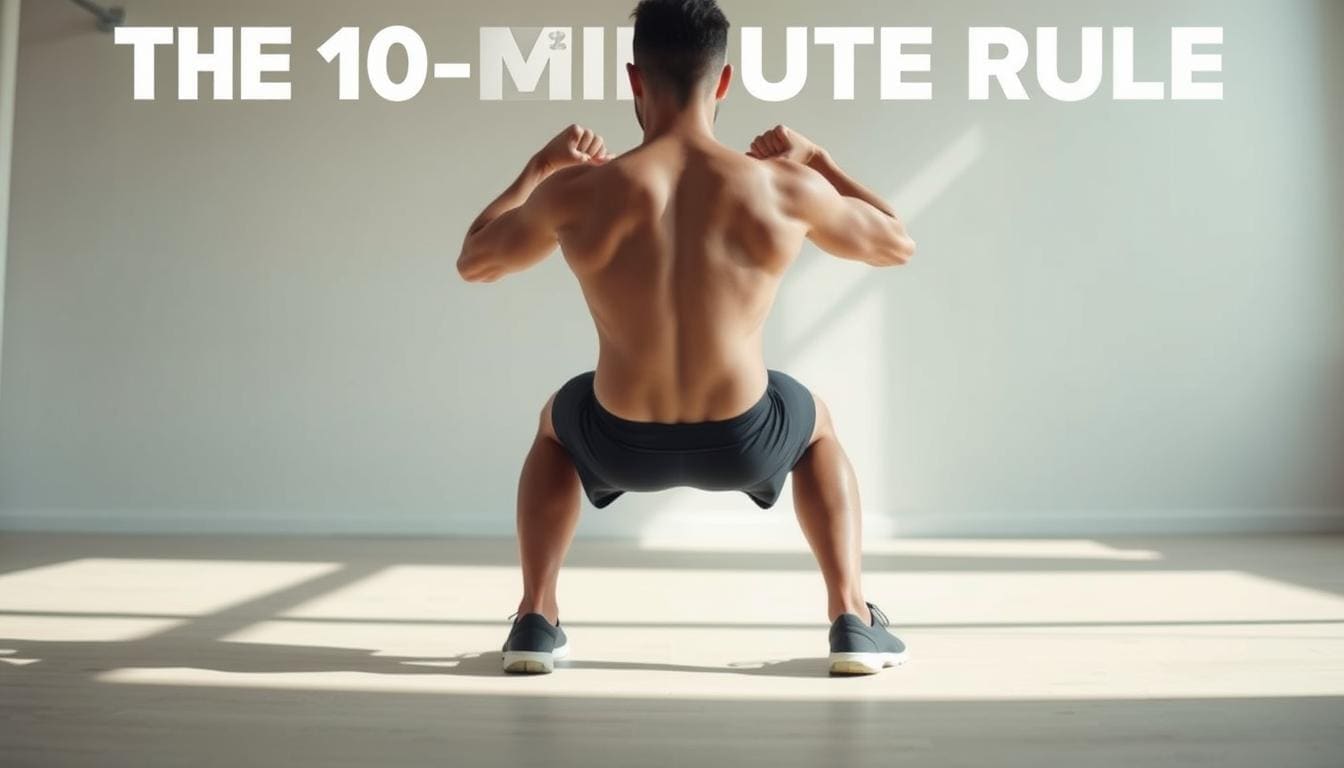
Use the “10-minute rule”: commit to just 10 minutes of activity. Often, starting is the hardest part. Pair workouts with a podcast or favorite playlist, or join group classes like Orangetheory for accountability.
Try dance workouts, hiking, or sports like pickleball. Apps like Peloton or Nike Training Club offer themed sessions. Even gardening or walking meetings count. The key is to redefine “exercise” as any movement you enjoy.
Focus on non-scale wins, like lifting heavier weights or climbing stairs without fatigue. Apps like Strava or MyFitnessPal can log reps or moods. Celebrate small milestones, like completing three weekly sessions for a month.
Yes! Upbeat tracks increase stamina and distract from fatigue. A 2020 study in Psychology of Sport and Exercise showed cyclists pedaled harder with high-tempo music. Create playlists on Spotify or Apple Music matching your workout intensity.
Swap intense training for gentle movement, like stretching or a walk. Prioritize sleep and hydration—sometimes rest is smarter. As athlete Shalane Flanagan says, “Showing up, even at 50%, still counts.”
Friendly rivalry can ignite drive. Join step challenges on Fitbit, sign up for a 5K, or partner with a friend. Apps like Zwift turn cycling into virtual races. Just ensure it stays fun, not stressful.
Curious what is the primal diet? Discover how eating like your ancient ancestors—with a side of cheese—might energize you (and your next caveman impression).
Curious about the zero starch diet? Learn what you can actually eat, how to avoid salad boredom, and why potatoes are definitely not invited to this party.
A beginner swim workout turns splashing around into smart, safe exercise—even if your best stroke is “try not to panic.” Learn to swim with confidence (and laughs).