Tips
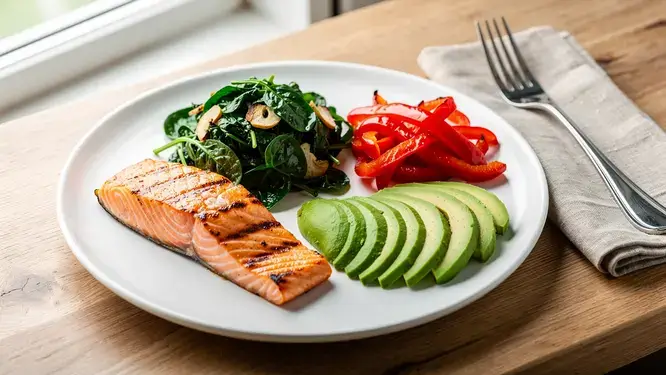
What Is the Primal Diet? Why Your Inner Caveman Might Need a Salad
Curious what is the primal diet? Discover how eating like your ancient ancestors—with a side of cheese—might energize you (and your next caveman impression).
Real-Life Fitness for Real People
Since 2024
Sarah stared at her untouched gym bag collecting dust in the corner. Like millions of Americans, she’d started January with fitness goals and a fresh membership—only to lose steam by Valentine’s Day. Sound familiar? You’re not alone. Research shows half of all new gym members quit within six months, while 14% cancel before February ends. …

Sarah stared at her untouched gym bag collecting dust in the corner. Like millions of Americans, she’d started January with fitness goals and a fresh membership—only to lose steam by Valentine’s Day. Sound familiar? You’re not alone. Research shows half of all new gym members quit within six months, while 14% cancel before February ends.
This isn’t about laziness or weak willpower. The real issue? Outdated approaches that ignore how motivation actually works. Traditional “push harder” advice fails because it relies on fleeting inspiration rather than sustainable systems. That’s why so many people end up asking themselves: “how do I get motivated to workout” when the excitement wears off and real life takes over.
But there’s hope. Successful exercisers don’t depend on daily enthusiasm. They build habits that outlast low-energy days and create environments supporting their health goals. This guide skips generic pep talks to focus on practical, science-backed methods that help you show up consistently—even when Netflix calls louder than dumbbells.
New Year’s resolutions often fade faster than January snow, leaving treadmills as expensive clothes racks. Why does starting exercise routines feel so daunting? Psychology professor Art Markman explains: “Our brains crave instant rewards, making long-term health investments feel abstract.”
Perfectionism trips up more people than sore muscles. The “all-or-nothing” mindset convinces us that missing one workout ruins progress. Other factors like fear of gym judgment or comparing yourself to influencers create mental roadblocks.
Meaningful goals connect to your daily life. Want to play tag with your kids without gasping? Aim to reduce stress through yoga? These purpose-driven targets outlast vanity metrics. Try this framework:
| Goal Type | Example | Benefit |
|---|---|---|
| Outcome | Lose 15 pounds | Clear target |
| Process | Walk 30 minutes daily | Builds consistency |
| Lifestyle | Improve sleep quality | Enhances daily living |
Focus on process goals first. Small wins create motivation momentum, making bigger achievements feel possible. Remember: Fitness isn’t a punishment – it’s fuel for living fully.

Ever notice how some people maintain exercise routines through busy seasons and bad days? They’ve discovered what behavior expert James Clear reveals: “Motivation is a fickle beast. If you want consistent change, don’t rely on something inconsistent.”
Top athletes face low-energy days too. Marathoner Shalane Flanagan once admitted skipping training runs. The difference? She used systems instead of waiting for inspiration. Here’s why this works:
| Motivation | Systems | Real-World Example |
|---|---|---|
| Emotional spark | Practical blueprint | Feeling pumped to try spin class |
| Fades quickly | Lasts for years | Automatic morning walks with dog |
| Unpredictable | Controllable | Pre-packed gym bag by the door |
Three ways to outsmart motivation slumps:
Remember this when energy dips: Consistency isn’t about perfect effort. It’s showing up 80% prepared and letting habit take over. As Clear notes, “The best performers miss practices too. They just miss forward.”

Morning alarms blare. Coffee brews. Dogs get walked. These daily rhythms prove something powerful: routines turn effort into autopilot. Fitness works the same way. Research reveals people who anchor exercise to existing habits – like post-shower workouts or lunchtime walks – stick to their plan 74% longer.
“Having a blueprint removes guesswork. You stop debating ‘should I?’ and start doing,”
explains Men’s Health editor Andrew Tracey
Big dreams need small steps. Aiming to run a marathon? Start with three weekly 20-minute jogs. Want to master pull-ups? Begin with assisted hangs. This “chunking” method builds confidence through achievable wins.
| Milestone Type | Example | Progress Check |
|---|---|---|
| Weekly | Complete 3 strength sessions | Energy levels |
| Monthly | Increase weights by 5% | Strength gains |
| Quarterly | Run 5K without stopping | Endurance boost |
Your calendar holds the key. Block exercise times like work meetings – 6:30 AM yoga, 7 PM walks. Can’t commit to fixed slots? Try “minimums”:
Busy day? Keep backup options: 15-minute bodyweight circuits or walking meetings. Flexibility prevents “all-or-nothing” collapses. Remember: Missed sessions happen. The routine restarts tomorrow.
Your surroundings silently shape your choices—including whether you lace up sneakers or hit snooze. Behavior expert James Clear proved this by moving dental floss to his bathroom counter, boosting his flossing habits by 217%. The same principle applies to training: smart environmental design makes exercise the path of least resistance.
Even small spaces can become fitness zones. Keep resistance bands near your work desk or yoga mats rolled beside the couch. For gym-goers, choose facilities en route to work or school. Pack your bag with essentials:
Visibility drives action. Lay tomorrow’s workout clothes on your pillow tonight. Place dumbbells where you’ll literally trip over them. These nudges work because they engage your automatic brain—no willpower required.
| Problem | Solution | Result |
|---|---|---|
| Forgetting gym sessions | Display shoes by the front door | 23% more workouts completed |
| Home distractions | Designate a workout corner | Focus increases by 40% |
| Morning lethargy | Sleep in workout gear | 87% faster routine starts |
One member transformed her home by hanging resistance bands on her coffee maker. Now, she strength-trains while waiting for caffeine. Your environment isn’t fixed—it’s clay waiting to be molded.
Jessica’s fitness tracker buzzed with a 5-minute workout reminder—her secret weapon against inertia. This Chicago teacher lost 112 pounds using what psychologists call “micro habits”: bite-sized actions that bypass resistance. Her strategy? “Just move for 10 minutes. If I want to stop, I can—but I never do.”
Neuroscience reveals why tiny efforts succeed where grand plans fail. Habits form through repeated neural pathways—not willpower. A Stanford study found people who did 2-minute planks daily exercised 3x longer monthly than those aiming for 30-minute sessions.
Try these frictionless starters:
Personal trainer Marco Borges shares: “Clients who start with 10-minute walks eventually crave 45-minute runs. The body adapts—but the mind needs gradual wins.” Track progress with a simple calendar checkmark system.
Avoid common missteps:
Remember: Consistency compounds. Twelve 5-minute sessions weekly equal an hour’s workout—without gym fees or equipment. Your future self will thank present-you for starting small today.
What if sweating could feel like playing? A breakthrough study in the Journal of Sport Behavior found that enjoyment predicts exercise adherence better than weight loss goals. Participants who prioritized fun in physical activity showed 38% higher consistency over six months compared to results-focused groups.
Your perfect exercise might be hiding outside gym walls. Consider these alternatives:
| Traditional | Alternative | Benefits |
|---|---|---|
| Treadmill running | Trail hiking with friends | Fresh air + social connection |
| Weight machines | Rock climbing gyms | Builds problem-solving skills |
| Elliptical trainer | Salsa dancing classes | Improves rhythm + coordination |
Many communities offer free trial classes through libraries or parks departments. As researcher Dr. Michelle Segar notes: “When movement feels like a treat rather than treatment, people naturally want more.”
Turn workouts into games with these ideas:
Even simple tweaks boost enjoyment. Add upbeat playlists to walks, or practice yoga in the park instead of your living room. Remember – effective fitness isn’t about suffering. It’s finding activities that make you forget you’re exercising.
The final piece of the fitness puzzle lies in creating energy-boosting experiences. Science shows combining auditory motivation, social bonds, and playful rivalry can transform workouts from chores into highlights of your day.
Upbeat tracks act as legal performance enhancers. A Journal of Sports Sciences study found exercisers listening to 120 BPM music lasted 28% longer during high-intensity sessions. Match song tempo to your activity—electronic beats for cycling, rock anthems for weightlifting.
Training with a buddy makes you 64% more likely to show up. Apps like Fitness Buddies connect people with similar goals. Even virtual check-ins work—text a friend your post-workout selfie as proof of completion.
Healthy competition sparks extra effort. Join step challenges through workplace wellness programs or apps like Strava. Research shows group participants complete 22% more reps than solo exercisers. Keep it light—losers buy post-session smoothies.
Start with short, manageable sessions (even 10 minutes) and focus on activities you enjoy, like dancing or hiking. Apps like Peloton or Nike Training Club offer beginner-friendly classes to build confidence gradually.
Pair workouts with existing habits—like doing squats while brushing your teeth—or schedule gym time as non-negotiable appointments. Research shows consistency trumps duration, so prioritize showing up, even for brief sessions.
Yes! A 2022 study in the Journal of Sport and Exercise Psychology found that wearing athletic-specific attire boosts mental focus and commitment. Brands like Lululemon or Under Armour offer functional pieces that blend style and performance.
Absolutely. Apps like Strava or Fitbit let you join challenges with friends, tapping into healthy rivalry. Even informal bets (e.g., “first to 10 pull-ups buys coffee”) trigger dopamine-driven motivation.
Experiment with unconventional options—try aerial yoga, kickboxing, or trampoline classes. Studios like [Solidcore] or [Rumble] emphasize playful intensity, making exercise feel more like an adventure than a task.
Build a home setup with basics like resistance bands or a yoga mat. Stream services like Apple Fitness+ for guided sessions. Even outdoor activities like trail running or paddleboarding count as effective training.
Partners increase adherence by 95%, per a Journal of Social Sciences study. If friends flake, join local running clubs or use platforms like Meetup to connect with like-minded fitness enthusiasts.
Source Link
Curious what is the primal diet? Discover how eating like your ancient ancestors—with a side of cheese—might energize you (and your next caveman impression).
Curious about the zero starch diet? Learn what you can actually eat, how to avoid salad boredom, and why potatoes are definitely not invited to this party.
A beginner swim workout turns splashing around into smart, safe exercise—even if your best stroke is “try not to panic.” Learn to swim with confidence (and laughs).