
Tips
What Is the Primal Diet? Why Your Inner Caveman Might Need a Salad
Curious what is the primal diet? Discover how eating like your ancient ancestors—with a side of cheese—might energize you (and your next caveman impression).
Real-Life Fitness for Real People
Since 2024
That moment when your sneakers sit untouched by the door while your couch whispers your name? We’ve all been there. Whether you’re a marathon runner or someone who debates climbing stairs, maintaining exercise consistency is a shared human experience. Research confirms it: 50% of gym members quit within six months, and 14% cancel by February. …

That moment when your sneakers sit untouched by the door while your couch whispers your name? We’ve all been there. Whether you’re a marathon runner or someone who debates climbing stairs, maintaining exercise consistency is a shared human experience. Research confirms it: 50% of gym members quit within six months, and 14% cancel by February. Even Brits waste £25 billion yearly on unused subscriptions—with fitness plans leading the pack.
How do you get motivated to work out when energy is low and excuses are high? Here’s the truth: Motivation isn’t a switch you flip. It’s a flickering flame that needs tending. Athletes, trainers, and casual walkers alike face days when Netflix wins over dumbbells. But what if the secret isn’t waiting for inspiration? What if it’s building systems that keep you moving even when willpower fades?
This guide isn’t about guilt trips or unrealistic promises. We’ll explore science-backed methods to design your environment, leverage social support, and reframe your mindset. You’ll learn why relying on “feeling ready” sets you up for failure—and how small, intentional choices create lasting momentum.
That gym bag collecting dust in the corner isn’t just fabric—it’s a silent question asking what truly drives you. Lasting exercise motivation thrives when actions align with core values, not fleeting rewards. Researchers at the University of Massachusetts found people change habits when they spot gaps between their current behaviors and who they aspire to become.
External triggers like weddings or vacations work temporarily. Sustainable drive comes from internal anchors: wanting energy to play with grandkids, outrunning chronic illness, or simply feeling strong. Ask yourself: “Does skipping workouts clash with what matters most to me?” Write down answers—this clarity turns abstract wishes into non-negotiable priorities.
Aim for targets that fit your life now. Instead of “lose 20 pounds,” try “walk 30 minutes daily to manage stress.” Break big dreams into weekly wins: three strength sessions, one yoga class, five vegetable-heavy meals. Track progress in a visible calendar—each checkmark reinforces that your daily choices match your deepest health values.
Imagine your morning run funding cancer research—suddenly, every step counts. Connecting physical activity to meaningful causes transforms routine workouts into powerful missions. Purpose-driven exercise creates emotional stakes that outlast fleeting willpower.

External rewards fade—internal purpose sticks. Studies show people training for charity events maintain consistency 40% longer than those with personal goals alone. Whether preparing for a cystic fibrosis bike-a-thon or suicide prevention walk, your effort becomes part of something larger.
Align movements with what moves you emotionally. Consider these impactful options:
Registration fees often directly support research or families in need. Many events offer virtual participation options too—no travel required. Track progress using event-provided apps that show both mileage logged and dollars raised.
This approach works because it shifts focus from “I have to exercise” to “I get to make a difference.” Our compiled list of 32 strategies includes seven cause-based challenges perfect for runners, walkers, and home fitness enthusiasts alike.
Your calendar holds the secret to workout consistency—if you let it. Successful fitness routines thrive on structure, not chance. Block time slots like you would for client calls, using digital reminders or old-school sticky notes. Research reveals people who schedule specific workout times complete 80% more sessions than those with vague intentions.
Sunday evenings become powerful when spent plotting movement opportunities. Try this:
A 2024 study found those who pre-plan exercise sessions miss 43% fewer workouts. Treat these appointments as non-negotiable—like dental cleanings or tax deadlines.
Forget marathon gym sessions. The 3×10 rule revolutionizes busy days: ten minutes of brisk walking post-breakfast, ten bodyweight exercises at noon, ten yoga flows before dinner. These micro-bursts meet weekly activity guidelines while dodging time-crunch stress.
Keep backup plans ready—stashed resistance bands under desks, workout shoes in car trunks. When meetings explode or kids get sick, five minutes of squats while dinner cooks still counts. Consistency compounds faster than perfection.
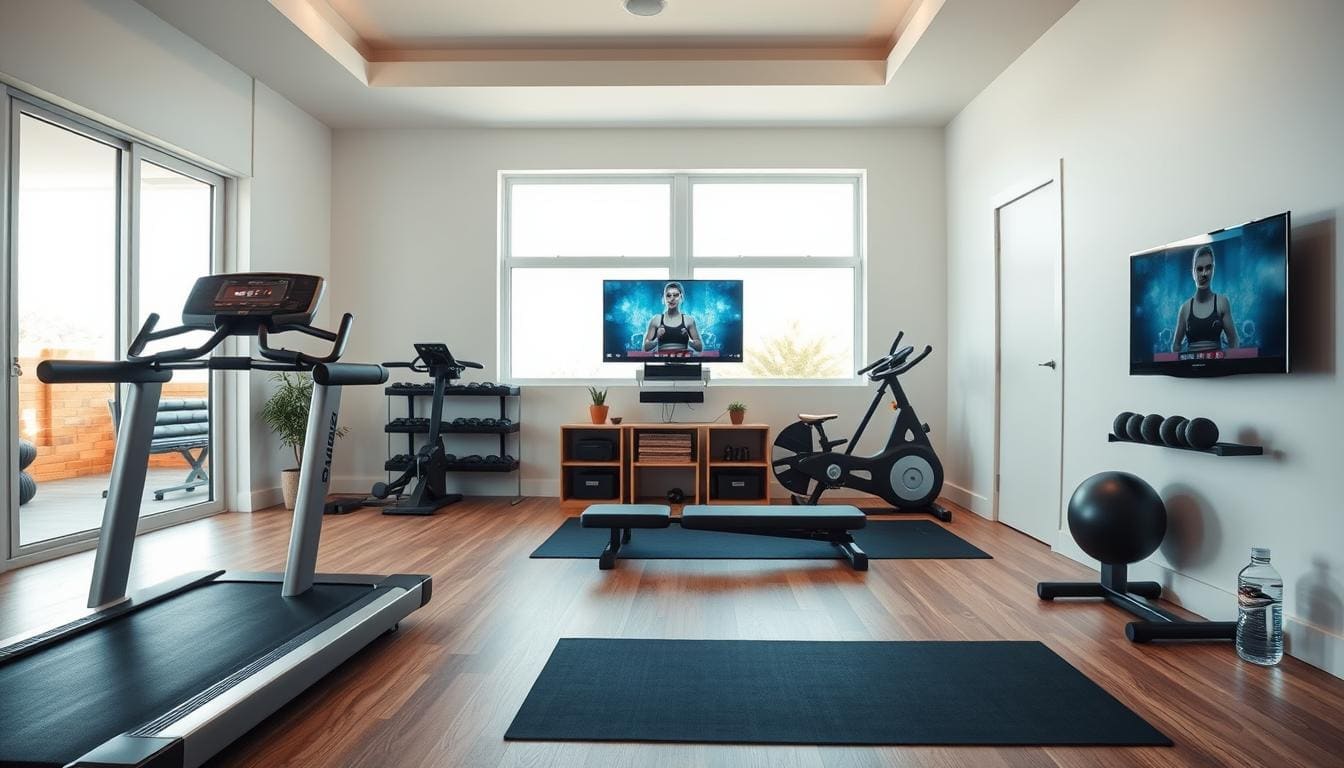
The secret to consistent workouts might be hiding in plain sight—right in your living room. Behavior scientists confirm our surroundings influence actions more than willpower. A Stanford study found people with designated exercise spaces complete 74% more weekly sessions than those without.
Transform underused areas into movement zones. Author James Clear famously kept floss visible to build habits—apply this to fitness. Try these setups:
Even in small houses, a 5×5 foot area signals “it’s time to move.” This mental trigger reduces procrastination—no equipment hunting required.
Place workout clothes where you’ll see them first. Try:
These reminders nudge you toward action without mental effort. Office workers who kept resistance bands visible completed 50% more midday activities than peers who stored gear in drawers.
Your environment should make movement the path of least resistance. When exercise gear blends into daily sightlines, showing up becomes automatic—no motivation required.
Missed workouts often vanish into thin air—unless someone’s watching. Research reveals people with social support complete 76% more sessions than solo exercisers. Whether sweating beside a friend or joining virtual challenges, shared efforts turn fleeting intentions into lasting habits.
Training alongside a buddy blends accountability with camaraderie. Schedule weekly walks where you discuss podcasts, or exchange gym selfies as proof of attendance. Friends who exercise together report 68% higher consistency—even when miles apart.
Spin studios and app-based communities thrive on collective energy. Join competition-fueled step-count leagues or charity cycling classes. One study found group participants burned 27% more calories than solo athletes, driven by playful rivalry and shared milestones.
Keep resistance bands in your car for impromptu park workouts with coworkers. Challenge neighbors to weekend “fitness bingo” using bodyweight moves. When movement becomes social currency, showing up feels less like work—and more like connecting with your tribe.
Clear, achievable targets create a roadmap for progress. Break larger objectives into smaller milestones—like adding 5 minutes to cardio weekly—to build momentum. Apps like MyFitnessPal or Strava help track achievements, reinforcing commitment.
A dedicated workout space at home, even a corner with a yoga mat and dumbbells, reduces friction. Visual cues like a Peloton bike in sight or sticky notes with affirmations trigger action. Research shows organized environments boost adherence by 40%.
Absolutely. Joining a CrossFit class or virtual challenges through apps like Zwift adds social accountability. A Journal of Sports Sciences study found group participants exercise 20% longer than solo athletes due to camaraderie and friendly competition.
Ten-minute high-intensity sessions, like Nike Training Club routines, improve stamina and focus. Stacking micro-workouts—such as morning planks and evening yoga—builds consistency without overwhelming time blocks.
Upbeat music increases dopamine, making tough sessions feel easier. Platforms like Spotify offer curated playlists matching your pace—whether sprint intervals or restorative yoga. Studies show rhythmic beats can enhance endurance by 15%.
Logging reps, weights, or miles in apps like Strong or Fitbit highlights growth. Celebrate non-scale victories, like lifting heavier or mastering a Pilates move, to maintain enthusiasm during plateaus.
Yes! Wearing breathable, stylish gear from brands like Lululemon or Gymshark boosts confidence. Lay out clothes the night before—a simple prep step linked to a 30% higher chance of morning workouts.
Curious what is the primal diet? Discover how eating like your ancient ancestors—with a side of cheese—might energize you (and your next caveman impression).
Curious about the zero starch diet? Learn what you can actually eat, how to avoid salad boredom, and why potatoes are definitely not invited to this party.
A beginner swim workout turns splashing around into smart, safe exercise—even if your best stroke is “try not to panic.” Learn to swim with confidence (and laughs).