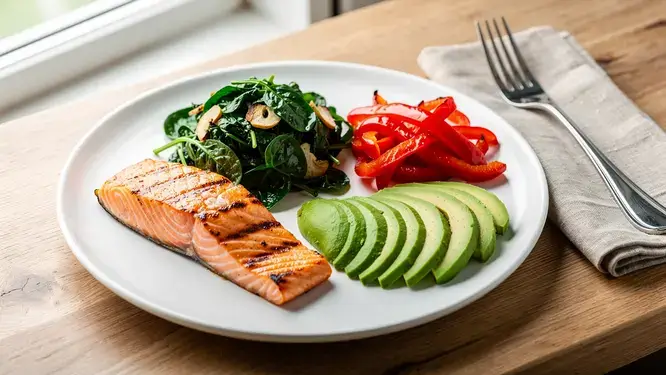
Tips
What Is the Primal Diet? Why Your Inner Caveman Might Need a Salad
Curious what is the primal diet? Discover how eating like your ancient ancestors—with a side of cheese—might energize you (and your next caveman impression).
Real-Life Fitness for Real People
Since 2024
Sarah stared at her untouched gym bag collecting dust in the corner. Like millions of Americans, she’d started January with big fitness goals. By February, her enthusiasm faded faster than her New Year’s confetti. Sound familiar? Research shows 50% of new gym members quit within six months. A 2023 YouGov poll reveals 38% of adults …

Sarah stared at her untouched gym bag collecting dust in the corner. Like millions of Americans, she’d started January with big fitness goals. By February, her enthusiasm faded faster than her New Year’s confetti. Sound familiar?
Research shows 50% of new gym members quit within six months. A 2023 YouGov poll reveals 38% of adults struggle with motivation, while 35% feel too drained to prioritize exercise. The problem isn’t laziness—it’s how we approach habit-building.
If you’ve ever wondered how to become motivated to workout, the answer lies in simplicity—not force. Traditional advice like “just push harder” often backfires. Our brains resist drastic changes, favoring routines that feel effortless. The secret? Tiny tweaks that align with your lifestyle. Instead of marathon sessions, start with 10-minute walks. Swap “all or nothing” thinking for progress that sticks.
Science reveals that staying active isn’t just about willpower. Bestselling author James Clear explains: “Motivation follows action—it rarely comes first.” This flips the script on conventional thinking. Instead of waiting for inspiration, small daily efforts create momentum.
Exercise triggers biological changes that reinforce consistency. Physical activity releases endorphins—natural mood boosters. A 2023 Journal of Behavioral Medicine study found people who move daily report 40% less stress. Better sleep quality and sharper focus follow naturally.
Regular movement strengthens both body and mind. It lowers blood pressure, improves circulation, and builds resilience against chronic conditions. These health benefits compound over time, creating self-sustaining motivation.
Our brains favor routines requiring minimal decision-making. Neurological pathways form through repetition, turning effortful actions into automatic behaviors. This explains why gym regulars feel “off” when skipping sessions—their neural networks expect activity.
Research shows it takes 18-254 days to cement habits. The key? Start small. Ten-minute walks or two-minute stretches build consistency without overwhelming your system. Over time, these micro-actions rewire your brain to crave movement.
Many people stumble at the starting line by aiming too high too fast. A 2023 Journal of Sports Science study found those who set incremental targets stick to routines 3x longer than perfection-seekers. Your fitness journey thrives on achievable wins, not marathon sessions that drain willpower.
Start with bite-sized efforts that fit your schedule. Ten minutes of brisk walking after dinner or three bodyweight squats hourly creates momentum. These micro-actions rewire your brain to view exercise as manageable, not intimidating.
Track progress using this simple framework:
| Goal Type | Time Commitment | Example |
|---|---|---|
| Daily | 10 minutes | Stair climbing during lunch |
| Weekly | 3 sessions | Youtube yoga flows |
| Monthly | Add 5 minutes daily | Neighborhood walk + jog intervals |
Notice how each goal builds on the last? This staircase approach prevents burnout. Research confirms people who increase activity by 10% weekly maintain consistency 68% longer than those making drastic changes.
Your plan should feel flexible. Missed a day? Adjust the next target instead of quitting. Celebrate completing 80% of weekly objectives—progress beats perfection every time.
Your surroundings shape your actions more than willpower ever could. Research from the American Journal of Health Behavior confirms environmental design drives 45% of exercise consistency. Simple tweaks to your space and social circles remove friction from fitness routines.
Start by creating dedicated zones for movement. Even a yoga mat permanently unrolled in your living room signals readiness. Keep dumbbells near your TV stand or resistance bands on doorknobs—visual cues trigger automatic responses.
Choose workout locations strategically. A gym near your office reduces commute excuses. Pack gym clothes in your work bag—changing there first makes skipping harder. For home training, use foldable equipment that fits small spaces.
Online groups transform solitary efforts into team missions. A 2022 Sports Medicine study found people sharing progress in fitness apps stick to routines 53% longer. Follow accounts celebrating small wins, not unrealistic physiques.
This way of connecting builds encouragement without comparison. As James Clear notes: “Design environments where good decisions happen naturally.”
Ever tried folding laundry while doing lunges? Small habit shifts create ripple effects in fitness journeys. Research shows micro-actions lasting under 15 minutes boost adherence by 41% compared to marathon sessions. The key lies in strategic planning that works with your schedule, not against it.
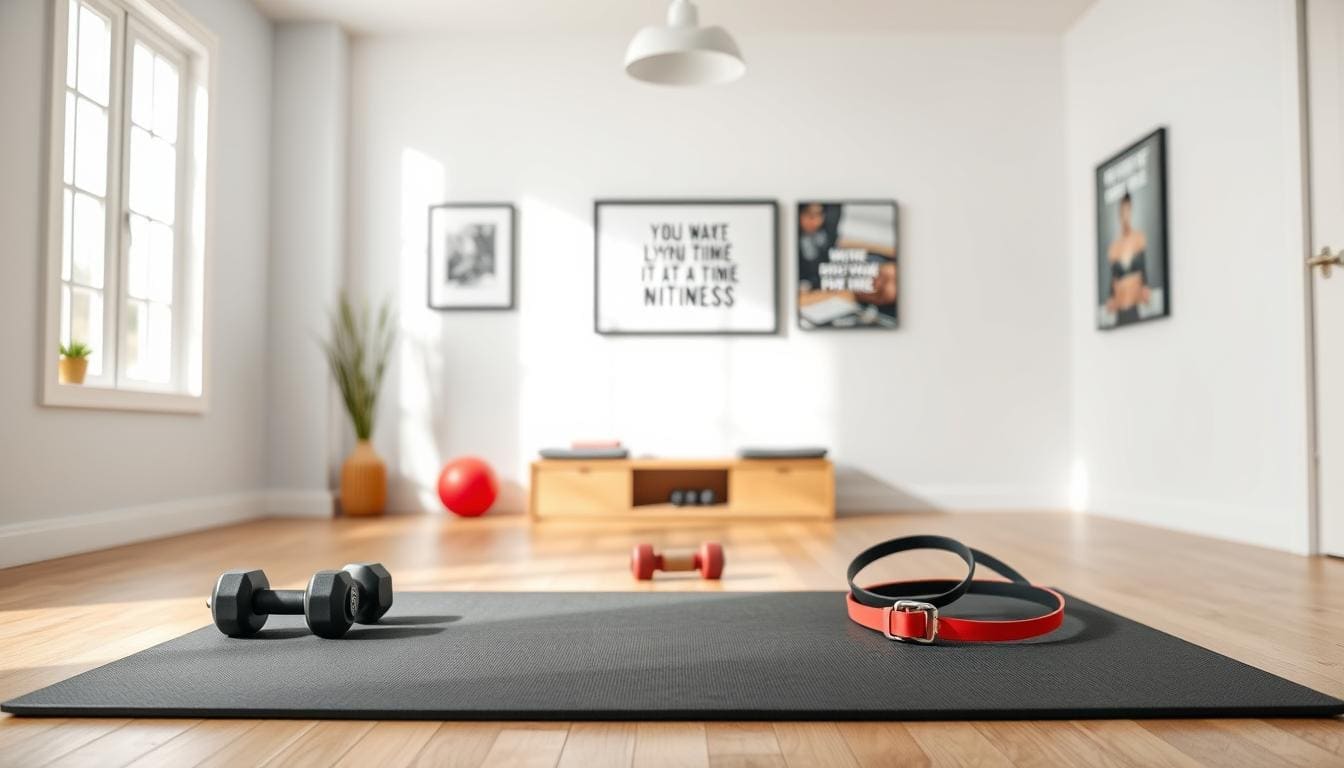
This science-backed method turns “I don’t have time” into action. Split movement into three 10-minute blocks:
A 2023 Preventive Medicine Report found this approach burns equivalent calories to 30-minute gym sessions. Squats, pushups, and crunches become practical workouts when spread across the day.
Your environment whispers reminders better than willpower shouts. Place bright notes where decisions happen:
Behavioral scientists call this habit stacking—linking new actions to existing routines. A UCLA study revealed people using visual prompts completed 57% more weekly workouts than those relying on memory alone.
True commitment to movement begins with personal meaning. The University of Massachusetts reveals lasting change happens when people recognize gaps between their current reality and desired life. This awareness becomes your compass when energy dips or schedules get chaotic.
Dig deeper than surface-level goals like weight loss. Ask: “What freedoms will consistent movement create?” Maybe playing tag with grandkids or hiking national parks. Values clarification exercises help uncover these drivers:
When actions align with core values, effort feels purposeful rather than punishing. A teacher might frame workouts as stamina-building for classroom demands.
Charity events turn personal sweat into collective impact. Consider these popular competition types and their benefits:
| Event Type | Physical Demand | Social Impact |
|---|---|---|
| 5K Color Run | Beginner-friendly | Local youth programs |
| Century Bike Ride | Advanced endurance | Cancer research |
| Virtual Step Challenge | Flexible pacing | Mental health awareness |
Training for Alzheimer’s research walks or diabetes fundraisers adds layers of meaning. You’re not just running laps—you’re honoring a relative or supporting medical breakthroughs. This way of framing workouts builds accountability to others beyond yourself.
Morning light filters through blinds as your sneakers wait by the door—already laced. Early exercise becomes effortless when you hack your environment first. These science-backed strategies turn dawn workouts from daunting to automatic.
Sleeping in tomorrow’s workout clothes eliminates 7:00 AM debates. Research shows pre-committing through attire reduces skip rates by 33%. Choose moisture-wicking fabrics that double as pajamas for maximum comfort.
| Night Prep | Morning Benefit |
|---|---|
| Lay out shoes | No searching in dim light |
| Fill water bottle | Hydration ready post-sleep |
| Charge headphones | Instant music motivation |
Position devices across the room—standing up breaks the snooze cycle. Once vertical, you’re 83% more likely to start moving according to Stanford sleep studies. Pair this with pre-set coffee makers for sensory triggers.
Consistent sleep times anchor your rhythm. Try gradual adjustments:
These tweaks transform groggy mornings into energized workout launches. Your future self will thank you when sunrise jogs feel routine.
Your muscles whisper secrets when you switch things up. Repeating the same routine leads to plateaus—both physically and mentally. A 2024 Exercise Science Review found athletes who varied their training saw 27% better results than those stuck in routines. The solution lies in strategic rotation.
Rotate between four core activities weekly to shock your system positively. Try this sample rotation:
| Day | Focus | Example |
|---|---|---|
| Monday | Cardio | Spin class |
| Wednesday | Strength | Kettlebell circuits |
| Friday | Flexibility | Hot yoga |
| Sunday | Play | Pickleball |
This approach keeps your body guessing while preventing overuse injuries. Notice how rest days become built-in recovery periods?
Active rest days boost circulation without strain. Try these low-impact options:
Research shows athletes incorporating active recovery improve strength gains by 19%. Your muscles repair faster when you move gently versus staying sedentary.
Mark your calendar every 6-8 weeks to refresh workouts. Swap hiking for swimming, or try aerial yoga instead of Pilates. Novelty sparks joy—and consistency.
Mark’s five-minute gym visits snowballed into a 100-pound transformation. This real-life example proves tiny efforts create lasting change. Science backs these success stories with actionable insights anyone can use.
Research reveals workout buddies boost consistency dramatically. A CDC study found partners who encourage each other see 34% better results. Even virtual companions work—the Society of Behavioural Medicine reports video-chat exercisers push harder during cardio sessions.
James Clear’s reader lost 100 pounds using micro-workouts. He started with five-minute gym trips, gradually increasing duration as habits solidified. Certified trainers from NSCA or ACSM emphasize this approach: “Small wins build unstoppable momentum.”
Looking for tips? Try these science-backed strategies:
The right support system turns fleeting attempts into lifelong routines. Your next workout could spark someone else’s journey too.
Start by breaking big goals into smaller, measurable steps. For example, aim for three 30-minute strength sessions weekly instead of vague targets like “get fit.” Tracking progress with apps like MyFitnessPal or Fitbit can help maintain focus.
Platforms like Instagram and Facebook offer communities for accountability. Follow fitness influencers like Kayla Itsines or join groups like #75HardChallenge. Sharing your routine creates a sense of responsibility, and seeing others’ progress can spark inspiration.
This rule involves three 10-minute exercise blocks daily, making fitness manageable for busy schedules. Studies show short bursts improve consistency. A 2022 Journal of Sports Science study found participants using this method were 40% more likely to stick to routines long-term.
Poor sleep drains energy and willpower. Research from the National Sleep Foundation links 7–9 hours of rest to better gym performance. Try habits like limiting screen time before bed or using a sunrise alarm clock to improve sleep quality.
Rotate activities like cycling, yoga, or HIIT to keep things fresh. Apps like Peloton or Nike Training Club offer new classes daily. A 2021 study in Psychology of Sport and Exercise found variety increases adherence by 34%.
Yes! Sign up for charity races like Race for Life or pledge donations per workout completed. This taps into intrinsic motivation—a 2023 Health Psychology study showed cause-driven exercisers trained 50% more frequently than others.
Early exercise boosts metabolism and mental clarity. Lay out gym clothes the night before and place your alarm across the room. Stanford research found morning exercisers are 25% less likely to skip sessions due to daily distractions.
Overtraining leads to burnout. Schedule active recovery days with walking or stretching. Brands like Hyperice offer tools like massage guns to ease soreness. Proper recovery keeps energy high and prevents plateaus.
Curious what is the primal diet? Discover how eating like your ancient ancestors—with a side of cheese—might energize you (and your next caveman impression).
Curious about the zero starch diet? Learn what you can actually eat, how to avoid salad boredom, and why potatoes are definitely not invited to this party.
A beginner swim workout turns splashing around into smart, safe exercise—even if your best stroke is “try not to panic.” Learn to swim with confidence (and laughs).