Tips
What Is the Primal Diet? Why Your Inner Caveman Might Need a Salad
Curious what is the primal diet? Discover how eating like your ancient ancestors—with a side of cheese—might energize you (and your next caveman impression).
Real-Life Fitness for Real People
Since 2024
Sarah stared at her untouched gym bag by the door. Just two months ago, she’d signed up with so much excitement, picturing morning runs and yoga sessions. Now, the $50 monthly fee felt like a guilt tax. She’s not alone – half of January gym joiners quit within six months, and 12% of unused monthly …

Sarah stared at her untouched gym bag by the door. Just two months ago, she’d signed up with so much excitement, picturing morning runs and yoga sessions. Now, the $50 monthly fee felt like a guilt tax. She’s not alone – half of January gym joiners quit within six months, and 12% of unused monthly payments nationwide go to forgotten fitness memberships.
This pattern isn’t about laziness. Research shows even seasoned exercisers face motivation slumps. The problem? We often treat fitness like a sprint when it’s really a marathon. Temporary enthusiasm fades, leaving people wondering, “how do I find motivation to work out” when the excitement disappears?
The answer lies in building systems, not relying on willpower. Small wins, like 10-minute walks or workout playlists you love, create momentum without pressure.
The good news: Sustainable routines aren’t built on perfect motivation. They thrive on smart systems and realistic expectations. This article shares science-backed strategies used by people who’ve turned sporadic workouts into lifelong habits. You’ll discover how to:
James Clear nailed it when he said, “Motivation is a fickle beast.” Research confirms that 83% of people experience regular dips in their drive to stay active. This isn’t failure – it’s human nature. The key lies in understanding what fuels your efforts and why those engines sometimes sputter.
Your reasons for moving matter more than you think. Internal factors – like feeling stronger or sleeping better – create self-sustaining habits. A 2022 study found people who focused on personal growth stuck with routines 40% longer than those chasing external rewards.
| Internal Drivers | External Drivers |
|---|---|
| Pride in personal progress | Posting workout selfies |
| Stress relief benefits | Winning fitness challenges |
| Improved energy levels | Earning gym membership discounts |
That voice saying “I’ll skip just today” often signals deeper issues. Common red flags include:
Perfectionism trips up 6 in 10 exercisers. Remember – three short walks beat one abandoned marathon training plan. Spotting these patterns early helps you switch strategies before habits fully unravel.
Your fitness journey becomes unstoppable when it’s powered by personal meaning. As trainer Michelle Segar notes: “People who sustain exercise see it as self-care, not punishment.” This mindset shift transforms workouts from chores to cherished rituals.
Start by asking: What matters most in your life? Parents might choose “keeping up with kids.” Others prioritize stress relief or aging gracefully. University of Massachusetts research shows we change behaviors when they align with our core values.
| Meaningful Goals | Surface Goals |
|---|---|
| Playing with grandkids pain-free | Fitting into old jeans |
| Managing anxiety naturally | Six-pack abs |
| Maintaining independence at 70 | Beach body |
Emotional rewards create stronger drive than physical targets. Notice which health benefits feel most urgent:
Your “why” will evolve – and that’s healthy. A new mom’s focus might shift from post-baby weight loss to modeling active living for her child. Revisit these motivations quarterly to stay aligned with your current life priorities.
Ever stood frozen in workout indecision? The secret lies in lowering the bar instead of raising it. Successful exercisers know starting small beats waiting for perfect conditions.
James Clear’s reader proved this works. He committed to five-minute gym visits daily. Within weeks, sessions naturally extended. Why? Short time blocks trick your brain:
| Time Commitment | Mental Resistance | Actual Session Average |
|---|---|---|
| 60 minutes | High | 0 minutes (skipped) |
| 10 minutes | Low | 22 minutes |
Try these quick starters:
Visible cues bypass willpower. Studies show laid-out clothes boost follow-through by 40%.
Make it foolproof:
One CrossFit member credits her 18-month streak to “sleeping in workout clothes” on tough days. Reduce friction, and momentum builds naturally.
Your surroundings silently shape your habits more than willpower ever could. James Clear demonstrated this by moving dental floss next to his toothbrush – a simple tweak that made flossing automatic. Apply this principle to fitness, and you’ll create effortless exercise triggers.
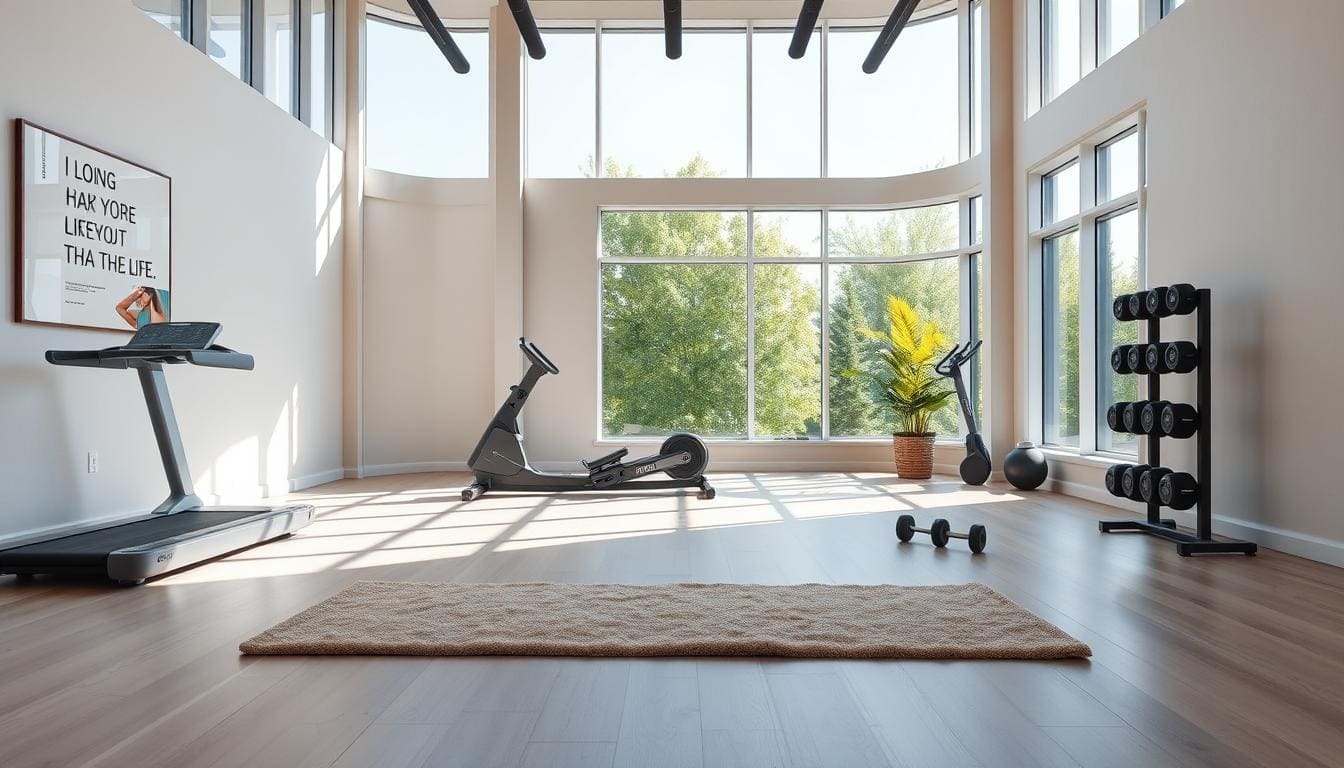
Location matters more than you think. Choose a gym within your daily commute route – 78% of consistent exercisers train within 3 miles of home. Can’t get out? Designate a “movement zone” using these guidelines:
| Effective Setup | Common Mistakes |
|---|---|
| Yoga mat permanently unrolled | Equipment buried in closets |
| Resistance bands on doorknobs | Single-purpose machines |
| TV angled for workout videos | Cluttered, multi-use areas |
Apartment dwellers: Use vertical storage. Wall-mounted racks for weights or foldable treadmills let you convert any corner into a workout hub. One New Yorker transformed her fire escape into a sunrise stretching platform.
Visual cues spark action faster than reminders. Keep dumbbells near your reading chair for impromptu reps. Tape inspirational quotes to bathroom mirrors. Studies show people exercise 23% more when their environment invites movement naturally.
Eliminate friction points:
Your space should make exercise the path of least resistance. When movement becomes the easiest way to spend time, it stops feeling like a chore and becomes a natural part of your day.
Feeling stuck despite wanting to move your body? You’re not failing – you’re facing normal human challenges. Depression and stress can drain energy levels, creating a cycle where exercise feels impossible. Neuroscience reveals why: imbalanced serotonin and dopamine levels affect both mood and physical drive.
Start smaller than you think necessary. A 2019 Journal of Psychiatry study found five-minute walks helped 68% of participants begin rebuilding exercise habits during depressive episodes. These micro-sessions:
Replace “I can’t” with empowering statements. Post reminders where you’ll see them:
| Affirmation | Ideal Location |
|---|---|
| “Movement is medicine” | Refrigerator door |
| “Progress > perfection” | Bathroom mirror |
| “I choose strength” | Phone lock screen |
If basic strategies don’t help motivate action within two weeks, consult a therapist. Clinical depression often requires specialized treatment alongside exercise plans. Many gyms now partner with mental health professionals – ask about integrated wellness programs in your area.
Emma glanced at her calendar, color-coded with work meetings and family obligations. The blank 6:00 AM slot screamed “exercise” – but making it stick felt like solving a Rubik’s cube blindfolded. Here’s the truth: Consistency beats intensity when building lasting exercise patterns.
Your best workout time aligns with natural energy peaks. Research on female police officers found morning exercisers reported 27% lower stress levels throughout their shifts. But night owls shouldn’t force dawn sessions – match your schedule to your chronotype:
| Time Slot | Benefits | Challenges | |
|---|---|---|---|
| Morning | Boosts metabolism | Sets positive tone | Requires early bedtime |
| Lunch | Breaks up workday | Social opportunities | Time constraints |
| Evening | Larger time window | Stress relief | Post-work fatigue |
Block exercise time like critical meetings. Use calendar alerts with motivational notes: “30-min walk = clearer thinking for 2 PM presentation”.
Pair new routines with existing habits:
Aim for three weeks of scheduled sessions – that’s when neural pathways start forming automatic habits. Miss a day? Do a 5-minute version. Consistency isn’t perfection; it’s persistence.
Mark scrolled through his fitness app, surprised to see 12 unread messages from his running group. Three months earlier, he’d nearly quit after missing four sessions. Now, teammates’ check-ins kept him lacing up even on rainy days. This social glue works – studies show group exercisers stick with routines 150% longer than solo athletes.
Accountability partners create built-in commitment. The CDC confirms people with exercise buddies push harder and achieve 72% better results. Start with these options:
| Solo Training | Group Sessions |
|---|---|
| Self-paced progress | Shared energy boosts |
| Flexible scheduling | Fixed meetup times |
| Personal goals focus | Friendly competition |
Local options abound:
Virtual races and step contests turn exercise into team sport. Research reveals people in challenges complete 38% more workouts than those going solo. Popular formats include:
| Challenge Type | Success Rate |
|---|---|
| 30-day yoga streaks | 67% completion |
| Step-count leaderboards | 82% participation |
| Charity 5K events | 91% finish rate |
Digital communities help stay connected across time zones. One Peloton user credits her Texas-based cycling group for maintaining a 214-day streak through job changes and family crises. Remember – healthy competition thrives on mutual encouragement, not comparison.
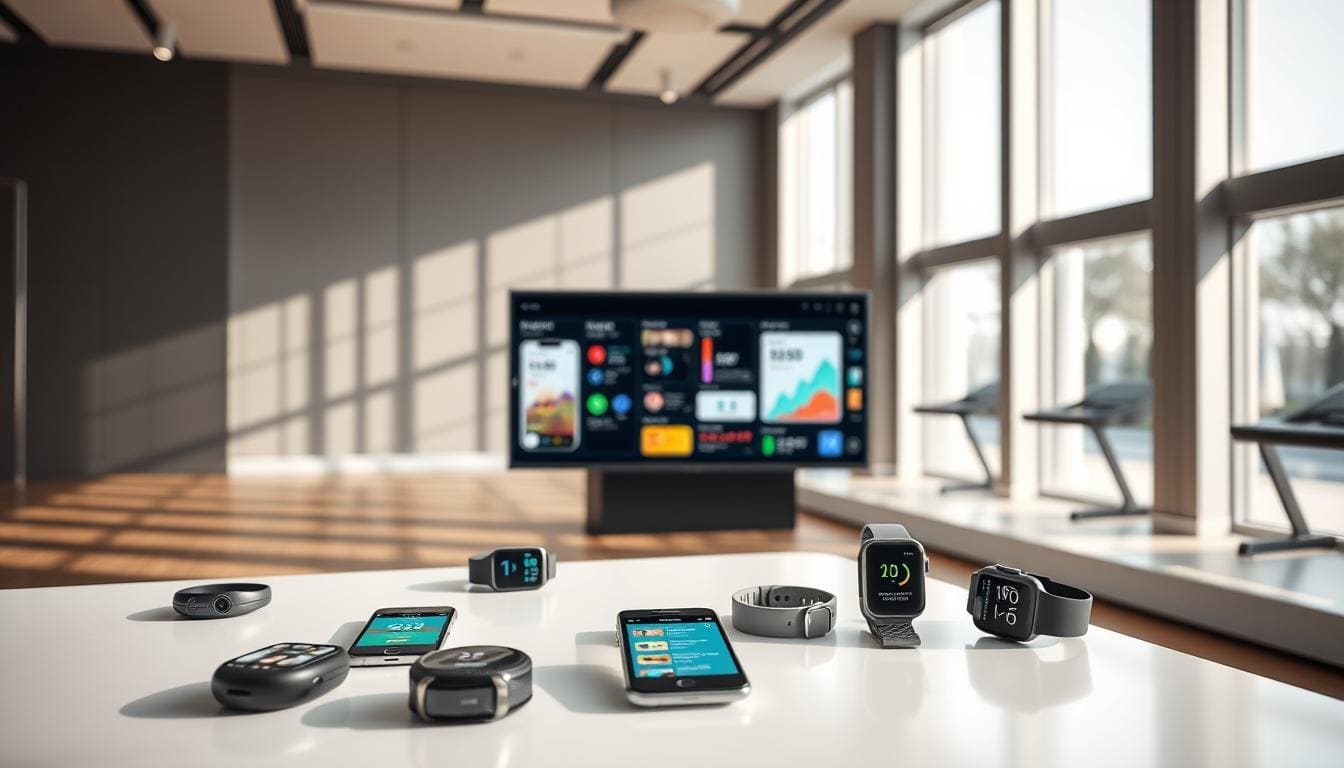
Your phone buzzes with a notification – not another email, but a gentle nudge from your workout tracker. Modern tools transform screens from distractions into personal training partners, helping bridge the gap between intentions and action.
Wearables like Fitbit and apps like Strava turn abstract goals into measurable milestones. A 2023 study found users who tracked heart rate variability stuck with routines 31% longer than non-trackers. Key features to leverage:
Research reveals upbeat tracks reduce perceived effort by 12% during tough sessions. Create playlists matching your training intensity:
| Activity | BPM Range | Genre Examples |
|---|---|---|
| Warm-up | 100-120 | Pop, Reggae |
| Strength Training | 125-140 | Rock, Hip-Hop |
| Cool-down | 60-90 | Classical, Lo-fi |
Virtual challenges turn solitary workouts into team efforts. Peloton members who join monthly races complete 43% more rides than solo riders. Popular formats include:
Remember – tech should support your journey, not become another stress source. Mute comparison triggers and focus on personal results that matter most to you.
Physical activity thrives on novelty. Those who sustain exercise long-term treat it like a buffet – sampling different workouts until they discover what genuinely excites them. Forget rigid routines; research shows mixing training styles every 3-4 weeks maintains mental freshness and physical progress.
Your perfect fitness formula might involve sunrise yoga one day and kickboxing the next. Try these unexpected activities:
• Staircase strength exercises during work breaks
• Balance challenges while brushing teeth
• Walking meetings for calls
Alternate intensity levels and environments weekly. A sample schedule could pair Monday spin classes with Thursday nature hikes and Saturday dance videos. This approach prevents plateaus and keeps your brain engaged.
Remember – sustainable movement feels playful, not punishing. When exercises align with your personality and lifestyle, they transform from chores into cherished rituals that fuel both body and mind.
Try the 10-Minute Rule: commit to just 10 minutes of activity. Often, starting is the hardest part—once you begin, you’ll likely finish a full session. Apps like Nike Training Club offer quick routines perfect for low-energy days.
Emotional goals, like reducing stress or boosting confidence, create deeper personal connections to fitness. A University of Pennsylvania study found that linking workouts to feelings (e.g., “I exercise to feel proud”) increases long-term adherence compared to weight-focused targets.
Yes! Laying out clothes from brands like Lululemon or Under Armour the night before reduces decision fatigue. Seeing your prepared gear acts as a visual cue, making it easier to transition into exercise mode.
Absolutely. Joining Orangetheory Fitness sessions or local running groups adds social accountability. The energy of others and friendly competition can push you past low-energy slumps or self-doubt.
These apps track progress, set reminders, and connect you with communities. For example, Strava’s challenges let you compete virtually with friends, while MyFitnessPal logs nutrition, creating a holistic view of your health journey.
Experiment! Try dance workouts with Apple Fitness+, hiking, or martial arts. Variety prevents boredom—research shows people stick to routines 40% longer when they enjoy the activity.
Critical. Even a small corner with a Yoga mat and dumbbells signals your brain it’s “exercise time.” Studies reveal that designated spaces increase workout frequency by 70% compared to improvising locations daily.
Yes! Upbeat playlists on Spotify or Peloton increase endurance by 15%, per a Journal of Sports Sciences report. Music distracts from fatigue and elevates mood, making tough sessions feel easier.
Curious what is the primal diet? Discover how eating like your ancient ancestors—with a side of cheese—might energize you (and your next caveman impression).
Curious about the zero starch diet? Learn what you can actually eat, how to avoid salad boredom, and why potatoes are definitely not invited to this party.
A beginner swim workout turns splashing around into smart, safe exercise—even if your best stroke is “try not to panic.” Learn to swim with confidence (and laughs).