Tips
What Is the Primal Diet? Why Your Inner Caveman Might Need a Salad
Curious what is the primal diet? Discover how eating like your ancient ancestors—with a side of cheese—might energize you (and your next caveman impression).
Real-Life Fitness for Real People
Since 2024
Sarah stared at her untouched gym bag for the third time that week. Like millions of Americans, she’d started January strong—new leggings, a shiny membership card, and bold promises to “transform.” But by February, her enthusiasm melted faster than snow in Texas. Sound familiar? Research reveals 50% of new gym members quit within six months. …
Sarah stared at her untouched gym bag for the third time that week. Like millions of Americans, she’d started January strong—new leggings, a shiny membership card, and bold promises to “transform.” But by February, her enthusiasm melted faster than snow in Texas. Sound familiar?
Research reveals 50% of new gym members quit within six months. Brits waste £25 billion yearly on unused subscriptions, with fitness plans topping the list. Yet the problem isn’t laziness—it’s flawed strategies. Most programs ignore our brains’ wiring, treating exercise as a battle of willpower rather than a skill to master. That’s why understanding how to get motivated for workout is essential—not through pressure, but by building habits that actually stick.
This isn’t another pep talk about grinding harder. We’ll explore why traditional motivation tricks fail and how to build habits that stick—even when Netflix beckons. Forget rigid schedules or guilt trips. You’ll discover science-backed systems that make fitness feel less like a chore and more like brushing your teeth: automatic, manageable, and rewarding.
Why do 80% of New Year’s fitness plans fail by Valentine’s Day? The answer lies in our brains’ wiring. Behavioral scientists reveal that relying on fleeting enthusiasm sets us up for failure—motivation behaves like weather, constantly shifting.
Neuroscience shows habit formation rewires neural pathways. A study tracking 1,200 participants found those who focused on small, daily actions built exercise routines 3x faster than willpower-reliant groups. James Clear summarizes it best:
“You don’t rise to the level of your goals—you fall to the level of your systems.”
This explains why waiting for inspiration backfires. The University of Massachusetts discovered lasting change happens when actions align with self-image. Environmental cues—like laying out gym clothes—prove 40% more effective than sheer determination.
Fitness industry data paints a clear picture:
| Statistic | Percentage | Source |
|---|---|---|
| Members using gyms | 63% | IHRSA 2023 |
| Quit within 6 months | 52% | ACS Survey |
| Prefer home workouts | 71% | Mindbody Report |
These numbers highlight a crucial truth: consistency struggles are universal. The key lies in research-backed strategies, not perfect attendance. By understanding these patterns, we can craft routines that adapt to real life—not Instagram ideals.
Ever planned a workout only to bail when the alarm rings? You’re not alone. Sustainable exercise habits require more than good intentions—they demand smart systems. Let’s explore three research-backed methods that turn resistance into results.
Surface-level goals like “lose 10 pounds” often fizzle fast. Dig deeper by asking: “What will consistent movement help me achieve beyond the scale?” Maybe it’s playing tag with grandkids or managing stress. A UCLA study found people with emotional connections to their goals stuck with routines 68% longer.
When energy dips, try power poses. Stand tall for two minutes—this boosts testosterone by 20% (Harvard research). Crank upbeat music: Tempo above 120 BPM increases effort perception by 15%. These tips create quick momentum shifts.
Struggling to start? Promise yourself just 10 minutes. As fitness coach Amanda Carlson notes: “Action fuels motivation, not the reverse.” One client dropped 112 pounds using this method—beginning with 5-minute walks that grew into daily rituals.
Celebrate small wins. Finished three workouts this week? Treat yourself to a massage or new playlist. These rewards reinforce progress better than waiting for big milestones. Remember: Lasting change happens through consistent effort, not perfect streaks.
Research reveals three 10-minute movement bursts rival hour-long gym sessions. This “3×10 rule” forms the backbone of sustainable routines—squat breaks during commercials, pushups while coffee brews, or lunchtime walks. The key lies in intentional scheduling, not finding extra hours.
Time-block workouts like critical meetings. A Yale study found people who calendarized activity completed 89% more sessions. Try this comparison:
| Morning Routine | Afternoon Hack | Evening Strategy |
|---|---|---|
| 5-min stretch before shower | Wall sits during calls | Yoga during Netflix credits |
| 7 AM walk with dog | 3 PM stair climbs | 8 PM resistance bands |
Busy parents and executives report success with “exercise stacking”—pairing movements with existing tasks. Fold laundry? Do calf raises. Waiting for pasta water to boil? Plank for 60 seconds.
Effective plans balance structure with flexibility. Alternate intensity levels across days to prevent burnout:
Miss a session? Shift it to rest day rather than skipping. This approach keeps 92% of exercisers on track monthly compared to rigid programs (ACE Fitness data). Start where you are—three 10-minute blocks today build tomorrow’s unshakable routine.
With 71% of exercisers preferring home sessions, designing an effective personal gym requires smart planning. Your environment shapes success—a 2023 Johns Hopkins study found dedicated spaces boost consistency by 58% compared to multi-use areas.
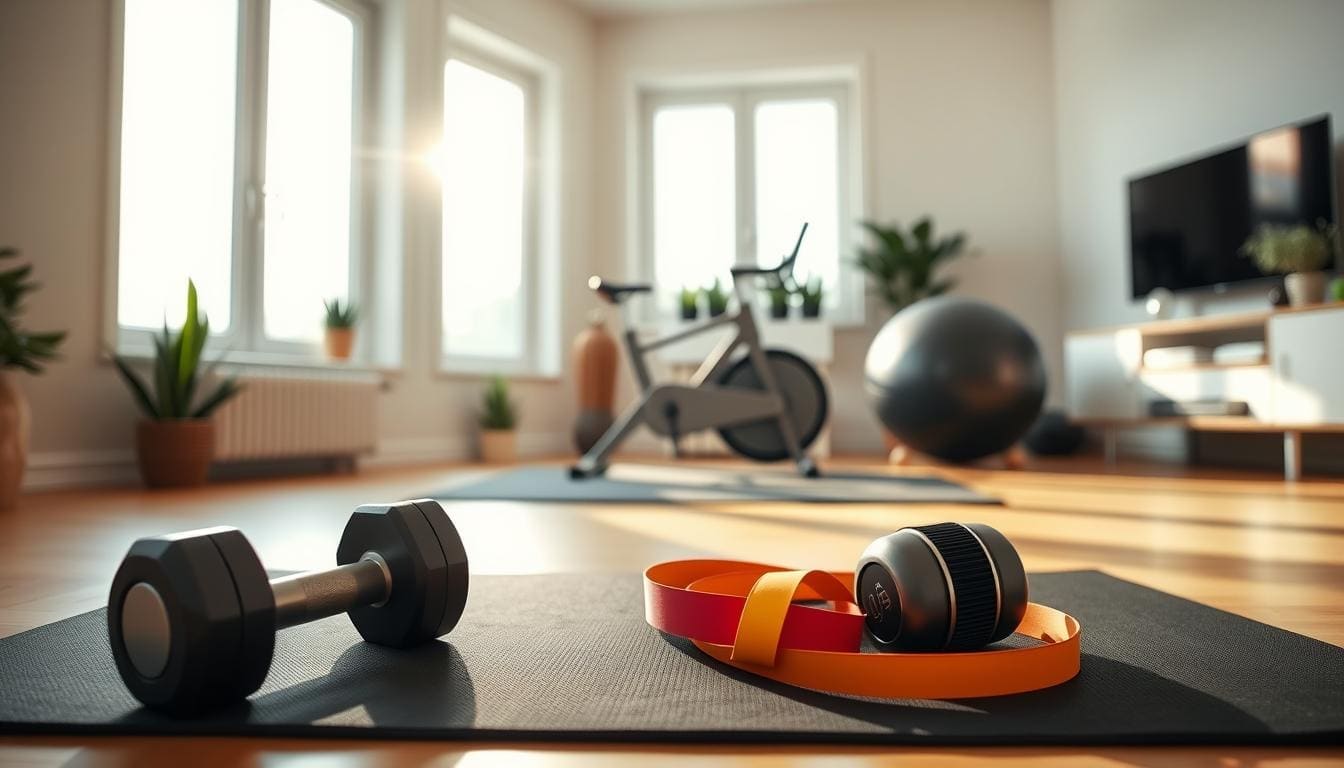
Mark a 6×6 ft zone using tape or furniture. This signals your brain: “Time for fitness.” Even balcony corners or closet nooks work. Add motivational touches—plants, posters, or bright lighting. Research shows visual cues increase exercise adherence by 41%.
Essential gear for versatile training:
| Budget Option | Mid-Range | Splurge-Worthy |
|---|---|---|
| Resistance bands | Adjustable dumbbells | Smart mirror system |
| Yoga mat | Foldable bench | Rowing machine |
Top apps like Nike Training Club offer 200+ bodyweight exercises. For strength sessions, pair apps with 3 key tools: loop bands, sliders, and a pull-up bar. A 2024 Consumer Reports analysis revealed users who combined digital programs with basic equipment saw 22% better results than app-only users.
Combat distractions with “focus mode” settings on devices. Over 68% of successful home exercisers report keeping phones silenced in drawers during activities. Schedule sessions like important meetings—your future self will thank you.
That morning battle between snooze buttons and sneakers? You’re not lazy—you’re human. The key lies in reframing resistance rather than fighting it. Let’s crack the code on turning “I can’t” into “I did.”
Low energy often masks deeper patterns. Instead of skipping exercise, try 5 minutes of light movement. Research shows gentle activities like walking boost energy 23% more than resting (Mayo Clinic data).
Common excuse busters:
Missed a workout? Perfect. Sports psychologist Dr. Michelle Segar notes: “Resilience grows through recovery, not perfection.” Her studies reveal people who forgive slip-ups maintain exercise habits 54% longer.
Turn obstacles into fuel:
Remember: Consistency beats intensity. A 10-minute walk counts. So does dancing while cooking. These “things” build momentum better than waiting for ideal conditions. Your motivation muscle strengthens each time you choose movement—no matter how small.
Routines thrive on reinvention—your favorite jeans wouldn’t stay crisp without occasional washing, and neither do exercise plans. Switching between jogging, yoga, and weight sessions keeps your brain engaged while challenging different muscle groups. Studies reveal exercisers who rotate activities maintain consistency 47% longer than those stuck in ruts.
Rotate three formats weekly to spark curiosity. Try this sample rotation:
| Workout Type | Focus Area | Duration |
|---|---|---|
| Indoor cycling | Cardio endurance | 30 minutes |
| Pilates reformer | Core strength | 45 minutes |
| Outdoor bootcamp | Full-body conditioning | 25 minutes |
Many gym members report renewed excitement when trying new classes quarterly. Swap summer swimming for winter yoga—seasonal shifts prevent monotony while adapting to weather changes.
Upbeat tracks boost effort output by 15% according to the Journal of Sports Sciences. Create separate playlists for different training types:
Refresh playlists every 3-4 weeks. As music therapist Dr. Linda Smith notes:
“Rhythmic patterns sync with movement, turning exertion into flow.”
Pair fresh tunes with variedactivitiesto transform mundane sessions into experiences you anticipate.
Exercise becomes 43% stickier when shared, according to sports psychology research. The CDC confirms partners who sweat together see 28% better results than solo exercisers. Whether through local running clubs or virtual accountability groups, human connection transforms fitness from obligation to adventure.
Finding your gym counterpart isn’t about cloning abilities—it’s aligning intentions. A study found exercisers with virtual partners completed 19% more reps than solo attempts. Consider these partnership options:
| Buddy Type | Accountability Boost | Success Rate |
|---|---|---|
| Work Colleague | Shared lunchtime walks | 67% consistency |
| Online Community | Daily check-ins | 58% adherence |
| Spouse/Partner | Joint weekend hikes | 81% retention |
Group classes offer built-in energy—Zumba participants burn 24% more calories dancing with people than home videos show. Many gym members report class attendance triples when they make “sweat dates” with friends.
Certified trainers provide more than strength programs—they decode your DNA of movement. NSCA and ACE-certified pros reduce injury risks by 39% through form corrections. As trainer Mia Hernandez explains:
“We spot hidden patterns—like why your left knee caves during squats—that self-guided exercisers miss.”
Top certifications ensure training quality:
| Certification | Specialization | Avg. Cost/Hour |
|---|---|---|
| NASM | Corrective exercise | $75 |
| ACSM | Medical fitness | $90 |
| ISSA | Nutrition integration | $65 |
Whether through a buddy system or expert guidance, social frameworks help motivate through life’s inevitable detours. The right support turns “I should” into “We did”—one rep, step, or high-five at a time.
True progress lives in the spaces between “perfect” workouts and real-life action. Lasting change emerges when physical activity becomes part of your identity, not just your calendar. Those ten squats while brewing coffee? They count more than Instagram-worthy gym selfies.
Remember: motivated work grows from smart systems, not fleeting willpower. Whether you’re squeezing in three exercise snacks daily or mastering weekend hikes, consistency trumps intensity every time. Your best routine fits your actual life—not someone else’s highlight reel.
Keep clothes visible and goals personal. Track small wins like completing four sessions weekly instead of fixating on the scale. Research shows people who celebrate micro-victories maintain fitness habits 62% longer than those chasing grand transformations.
Your health journey isn’t about crushing every workout—it’s about showing up more days than not. Ready to make movement stick? Start today with one physical activity you genuinely enjoy. That’s how motivated work becomes second nature.
Try the 10-minute rule. Commit to just 10 minutes of activity—like a brisk walk or bodyweight exercises. Often, starting is the hardest part, and you’ll likely keep going once you begin. Research shows short bursts of movement can build momentum over time.
Schedule workouts like non-negotiable appointments. Pair them with habits you already do daily, like exercising right after morning coffee. Apps like MyFitnessPal or Nike Training Club can send reminders and track progress to keep you accountable.
Absolutely! A 2021 study found upbeat playlists boost endurance by up to 15%. Create a high-energy mix with songs that match your pace—think 120-140 beats per minute for cardio. Platforms like Spotify even have curated playlists for running or strength training.
Focus on high-intensity interval training (HIIT) or micro-workouts. Even 20 minutes of focused effort, like kettlebell swings or stair climbs, can yield results. Brands like Peloton or Apple Fitness+ offer quick, effective routines designed for busy schedules.
Swap high-intensity days for low-impact activities like yoga or swimming. A Journal of Behavioral Medicine study found gentle movement can actually increase energy levels. Keep workout clothes visible—seeing them reduces mental barriers to getting started.
Yes! Classes like Orangetheory or Zumba combine structure and social motivation. The shared energy of a group can push you harder than solo sessions. Many gyms offer free trials—test a few formats to find what excites you.
Focusing only on weight loss or aesthetics. Instead, tie goals to functional wins, like lifting heavier groceries or playing with kids pain-free. Apps like Strava let you track non-scale victories, which are often more sustainable motivators.
Curious what is the primal diet? Discover how eating like your ancient ancestors—with a side of cheese—might energize you (and your next caveman impression).
Curious about the zero starch diet? Learn what you can actually eat, how to avoid salad boredom, and why potatoes are definitely not invited to this party.
A beginner swim workout turns splashing around into smart, safe exercise—even if your best stroke is “try not to panic.” Learn to swim with confidence (and laughs).