Tips
What Is the Primal Diet? Why Your Inner Caveman Might Need a Salad
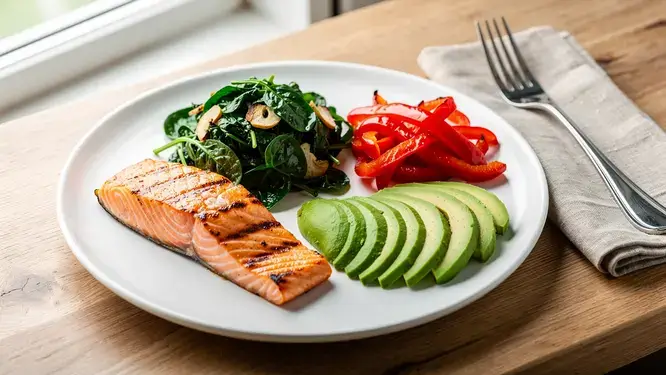
Curious what is the primal diet? Discover how eating like your ancient ancestors—with a side of cheese—might energize you (and your next caveman impression).
Real-Life Fitness for Real People
Since 2024
Sarah swore this year would be different. She bought matching leggings, stocked her fridge with protein shakes, and even bookmarked a 6 a.m. yoga class. By February, her gym bag gathered dust under her desk. Sound familiar? You’re not alone. Research shows 50% of January gym sign-ups quit within six months. In the U.S., unused …

Sarah swore this year would be different. She bought matching leggings, stocked her fridge with protein shakes, and even bookmarked a 6 a.m. yoga class. By February, her gym bag gathered dust under her desk. Sound familiar? You’re not alone.
Research shows 50% of January gym sign-ups quit within six months. In the U.S., unused subscriptions drain wallets—$25 billion annually disappears like forgotten treadmill miles. Why? Because most people never learn how to get motivated to work out in a sustainable, consistent way. Relying on fleeting motivation often backfires.
This isn’t about willpower. Science proves sustainable exercise habits thrive on strategy, not adrenaline spikes. Whether you’re restarting a routine or building one from scratch, practical tools beat empty inspiration.
James stared at his untouched running shoes—a $120 investment collecting lint. Like millions, he knew exercise mattered but couldn’t bridge the gap between intention and action. The secret lies in understanding what physical activity truly offers beyond weight loss or muscle tone.
When you move your body, it fires up a neurochemical symphony. Endorphins flood your system within minutes, acting as natural painkillers. Dopamine and serotonin follow, sharpening focus and stabilizing moods. This explains why a 20-minute walk often feels better than scrolling through motivational quotes.
Regular exercise doesn’t just build muscles—it rewires brains. A 2019 research review found active adults had 26% lower depression rates. Blood pressure drops, sleep quality improves, and diabetes risks shrink. Your cells literally age slower.
Take Maya, a nurse who swapped nightly TV binges for dance workouts. Within weeks, her chronic fatigue faded. “I stopped needing coffee crashes to function,” she says. Studies confirm her experience: movement boosts energy production at the mitochondrial level.
The irony? You need motivation to start, but consistency creates its own fuel. As one Harvard psychologist notes:
“Exercise isn’t the outcome—it’s the match that lights the fire.”
Understanding this cycle turns fleeting sparks into lasting flames.
University of Massachusetts researchers discovered a fascinating pattern: People stick to goals 73% longer when they connect activities to personal values. Your fitness journey becomes unstoppable when it’s rooted in meaning, not just mirror checks.
Start by asking: “What truly matters to me?” A parent might exercise to play tag with kids without gasping. A professional could aim for stress relief through boxing sessions. Write three non-negotiable reasons tied to your identity.
One teacher transformed her health by focusing on “being present for retirement adventures.” This motivation outlasted six months of predawn workouts. When your reasons resonate emotionally, skipping the gym feels like self-betrayal.
Progress thrives on micro-achievements. One man lost 112 pounds using the “5-minute rule”—showing up daily, even for brief sessions. Celebrate putting on workout clothes. Applaud completing one push-up. These victories rewire your brain’s reward system.
Create a visible tracker for daily efforts. Stickers on a calendar or checkmarks in an app build momentum. As confidence grows, expand your goals gradually. Tiny steps create lasting change better than giant leaps.
“Consistency isn’t about intensity—it’s showing up when motivation hides.”
Jessica, a corporate lawyer, found her groove by blocking gym time like court appointments. Her secret? Treating fitness as non-negotiable as client meetings. Structured routines transform sporadic efforts into lasting habits.
Start by mapping your weekly rhythm. Identify three 30-minute windows when energy peaks—maybe mornings before emails or lunch breaks. Research shows those who plan specific workout times stick to them 58% more often.
Choose activities that spark joy, not dread:
Fitness coach Andrew Tracey nails it:
“A clear routine eliminates decision paralysis—you show up ready to perform, not ponder.”
Build in flexibility. A teacher might schedule Saturday hikes as backup for missed Thursday yoga. Track progress with a simple app or wall calendar—visible wins fuel consistency. Remember: sustainable sessions adapt to life’s surprises while keeping momentum alive.
A 2023 Stanford study revealed environment design triples workout consistency rates. Your surroundings act as silent coaches—they either pull you toward movement or let excuses win. Bestselling author James Clear proves this: people who prep workout gear the night before complete 40% more sessions monthly.
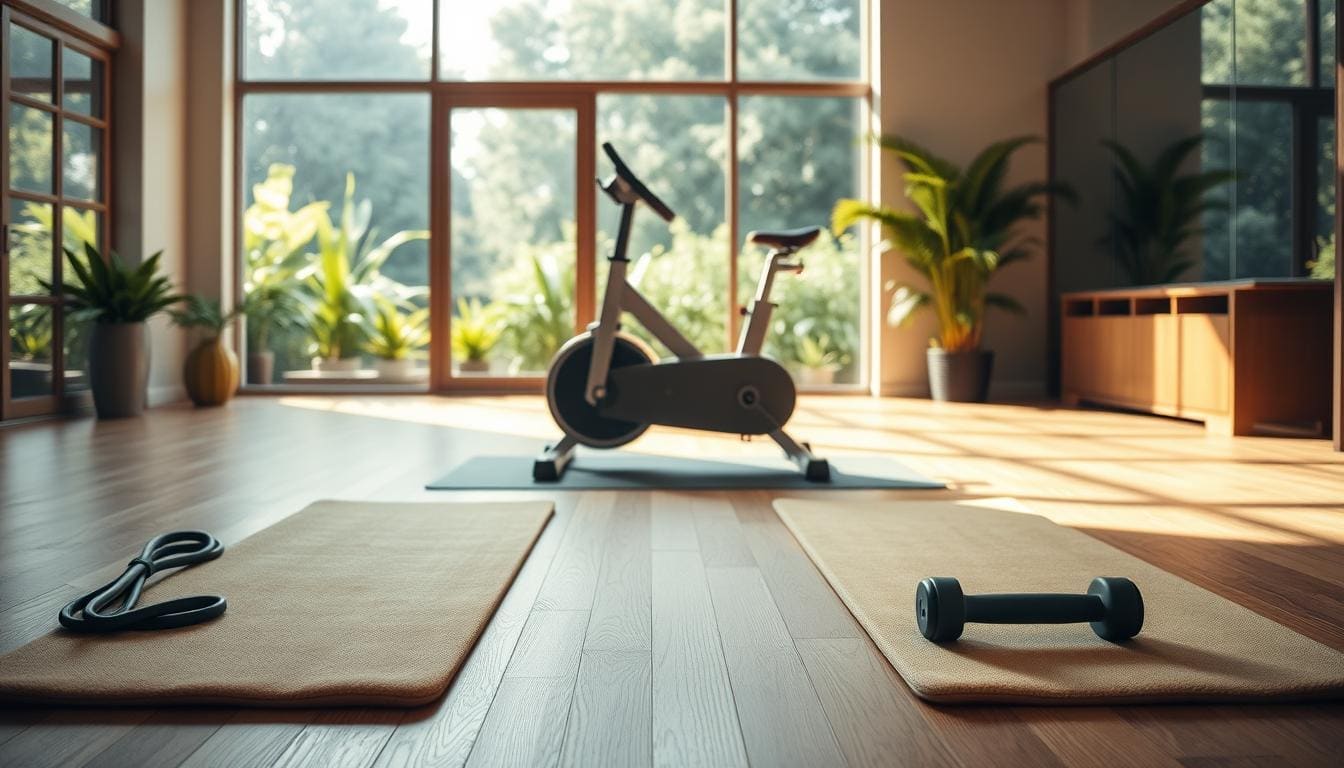
Transform any corner into an action zone. Keep resistance bands on doorknobs or yoga mats beside coffee makers. Visual cues trigger automatic responses—your brain starts associating the space with movement. Even in studios, store equipment visibly to reduce startup friction.
Consider these factors when choosing your workout base:
| Factor | Home Space | Gym Setting |
|---|---|---|
| Cost | Minimal equipment | Membership fees |
| Convenience | 24/7 access | Travel time |
| Equipment | Limited variety | Professional gear |
| Social | Self-paced | Group energy |
The CDC confirms exercisers with partners push 72% harder. Your accountability buddy could be a neighbor, coworker, or virtual companion—a recent study showed video-connected partners boost aerobic performance by 24%.
Group classes offer built-in communities. Look for:
“Social sweat sessions turn chore into celebration.”
Still nervous? Start with online classes. Camera-off options let you build confidence while enjoying structured programming. Remember: every regular at your local gym was once new too.
Depression dims the spark of movement like a cloud covering sunlight. When serotonin and dopamine levels dip, even basic tasks feel mountainous. Your biology isn’t broken—it’s signaling for support. Gentle exercise acts as a natural rebalancer, sparking neurochemical shifts that help get you through tough days.
Start with the 3 x 10 rule: three 10-minute movement bursts daily. Walk around the block at lunch. Do chair squats during Zoom calls. Swap evening scroll time for wall push-ups. These minutes matter—they rebuild your brain’s reward pathways without overwhelming depleted energy reserves.
Stash a “Plan B” gym bag in your car with sneakers and resistance bands. Rain killed your park workout? Do calf raises in the grocery line. Stuck at your desk? Try seated leg lifts while typing. As therapist Dr. Ellen Lee notes:
“Flexibility in fitness is self-care, not failure.”
Track progress with kindness. Missed a day? Celebrate restarting. Only managed five minutes? That’s five more than yesterday. Sustainable routines thrive on adaptability, not rigid perfection.
Neuroscience reveals a game-changing truth: enjoyment triples exercise consistency. A study in the Journal of Sport Psychology found participants using curated playlists completed 28% more weekly training sessions than those exercising in silence.

Match music tempo to your activities:
Podcasts transform treadmill time into learning hours. Try pairing episodes with distance goals—one chapter per mile walked.
Create personal incentive systems:
Fitness app designer Mia Chen notes:
“Treat exercise like a game—unlock achievements through consistent play.”
Rotate training styles seasonally. Swap winter spin classes for summer paddleboard yoga. Join 30-day challenge groups to combat monotony—plank progressions or dance marathon preps work wonders.
Ever wonder why some people breeze through morning workouts while others hit snooze? A 2015 study of police officers found early exercise boosted mental clarity by 31% and reduced stress hormones. Your morning routine could become your secret weapon—no gym required.
Sleep in your workout clothes to eliminate first-step resistance. Place your alarm across the room—those extra steps count toward daily movement goals. Research shows visual cues increase follow-through by 40%. Try sticky notes saying “Stronger with every rep” on bathroom mirrors.
Break workouts into bite-sized chunks:
Home strength training thrives on creativity. Use water bottles as light weights or chairs for tricep dips. A teacher improved her posture using textbook rows between classes. As fitness coach Layla Cruz advises:
“Your environment is your gym—stairs become stairmasters, walls transform into yoga studios.”
Night owls can prep for success too. Lay out clothes and equipment before bed. Track progress with a visible calendar—each X marks another victory. Remember: three 10-minute sessions equal one full workout. Consistency beats duration every time.
Building sustainable fitness habits starts with ditching the “all or nothing” mindset. Your best workout isn’t the longest or hardest—it’s the one you complete consistently. Focus on three core strategies: defining meaningful goals, designing supportive spaces, and crafting flexible backup plans.
Research shows people who align physical activity with personal values stick to routines 3x longer. Whether training for a challenge or prioritizing morning energy boosts, your “why” fuels daily action. Pair this with prepared gym bags and visible equipment to reduce startup friction.
Celebrate small victories—five minutes of bodyweight exercises counts. Track progress with a simple calendar, rewarding monthly streaks with new playlists or adventure days. Remember: imperfect consistency beats perfect plans left unused.
Your journey will have off days. That’s normal. Keep resistance bands by your desk or schedule lunchtime walks. Every effort strengthens neural pathways, making exercise feel automatic over time. Ready to begin? Lace those sneakers—your first step starts now.
Check This
Begin with small, manageable goals like a 10-minute walk or bodyweight exercises. Pairing activity with something enjoyable, like a podcast, can ease you into a rhythm. Research shows starting with “micro-workouts” builds momentum over time.
Schedule sessions like appointments and prioritize them. A study in the Journal of Behavioral Medicine found that planning workouts in the morning reduces skipped days. Keep gym clothes ready or set reminders to stay on track.
Absolutely! Upbeat tracks increase endurance by up to 15%, according to a 2022 study. Create playlists that match your energy levels—try high-tempo songs for cardio or calming tunes for yoga. Apps like Spotify offer premade fitness playlists.
Focus on movement over intensity. A 5-minute stretch or walk can uplift mood by releasing endorphins. The Mayo Clinic notes that even light physical activity reduces stress and improves mental clarity.
Yes! Studies show three 10-minute daily sessions can match a 30-minute workout’s benefits. Try bodyweight circuits, resistance bands, or apps like Nike Training Club for guided routines. Consistency matters more than duration.
Social accountability increases adherence by 95%, per the American Society of Training and Development. Partners or classes like OrangeTheory create camaraderie and friendly competition, making exercise feel less like a chore.
Use the SMART framework: Specific, Measurable, Achievable, Relevant, Time-bound. Instead of “lose weight,” try “do 3 strength sessions weekly for a month.” Celebrate milestones like completing a 5K or mastering a new exercise.
Keep “plan B” options like a 7-minute HIIT routine or yoga flow. Apps like Peloton offer quick sessions. Remember: Something is always better than nothing—even a brief activity maintains momentum.
Curious what is the primal diet? Discover how eating like your ancient ancestors—with a side of cheese—might energize you (and your next caveman impression).
Curious about the zero starch diet? Learn what you can actually eat, how to avoid salad boredom, and why potatoes are definitely not invited to this party.
A beginner swim workout turns splashing around into smart, safe exercise—even if your best stroke is “try not to panic.” Learn to swim with confidence (and laughs).