Tips
What Is the Primal Diet? Why Your Inner Caveman Might Need a Salad
Curious what is the primal diet? Discover how eating like your ancient ancestors—with a side of cheese—might energize you (and your next caveman impression).
Real-Life Fitness for Real People
Since 2024
Picture this: The Johnsons, a family of eight, gather around their kitchen table every night. Six kids laugh as they pass plates of steaming pasta and roasted veggies. Despite feeding their crew on a $100 weekly budget, they’ve mastered the art of creating cheap kid friendly meals that delight picky eaters and tired parents alike. …

Picture this: The Johnsons, a family of eight, gather around their kitchen table every night. Six kids laugh as they pass plates of steaming pasta and roasted veggies. Despite feeding their crew on a $100 weekly budget, they’ve mastered the art of creating cheap kid friendly meals that delight picky eaters and tired parents alike. Their secret? Prioritizing flavor, simplicity, and ingredients everyone actually enjoys.
Like many households, they discovered that wasted food drains wallets faster than grocery prices rise. By focusing on crowd-pleasing dishes like hearty soups, skillet meals, and oven-baked favorites, they turned dinnertime into a bonding experience rather than a battleground. The result? Less stress, more savings, and empty plates.
Building a sustainable meal plan doesn’t require gourmet skills or exotic items. Staples like rice, beans, and seasonal produce form the backbone of their strategy. With clever swaps and time-tested recipes, they prove that eating well on a budget is about creativity—not compromise.
Imagine gathering around the table for dishes that satisfy both your wallet and taste buds. Nutritious home cooking creates more than just full stomachs—it builds memories while keeping finances in check.
Smart meal planning turns basic ingredients into flavor-packed favorites. A $5 rotisserie chicken becomes three meals: tacos tonight, soup tomorrow, and casserole later this week. Spices like cumin and paprika add excitement to affordable staples like beans and rice.
Families report saving $200 monthly by:
Home-cooked dishes let parents steer clear of hidden sugars and excessive salt. A study showed families who cook together consume 30% more vegetables than those relying on takeout. Involving kids in meal prep builds their appreciation for wholesome foods.
Simple swaps make a difference:
Shared dinners become nutrition lessons disguised as bonding time. Children who regularly eat homemade meals develop better eating habits that last into adulthood.
Weeknight dinners transform when you have reliable recipes that please everyone. These crowd favorites balance nutrition with flavors even selective eaters love, using ingredients that won’t break the bank.
Rotisserie chicken becomes three meals when paired with creamy pasta bakes or cheesy casseroles. One mom reports: “My kids devour broccoli when it’s baked with wild rice and shredded chicken”. Try mixing canned chicken with cream soup and frozen veggies for a $5 casserole that serves six.
Soups and skillet dishes sneak in nutrients without complaints. Spanish rice soup combines black beans, corn, and seasoned rice for under $4 total. Breakfast-for-dinner wins with whole-grain pancakes or egg burritos using leftover veggies. Frozen spinach blends seamlessly into cheesy pasta sauces for added greens.
Homemade sauces upgrade basic ingredients instantly. Whip up tomato-bacon pasta sauce or mild curry using pantry spices. Casseroles like layered bean bake or cheesy potato hash turn affordable staples into hearty family dinners. One dad shares: “Our rice casserole costs less than takeout but disappears twice as fast”.
What do successful home cooks know that others don’t? They master recipes that work double-duty. Busy parents across America swear by time-saving tools and adaptable dinner ideas that keep everyone satisfied.
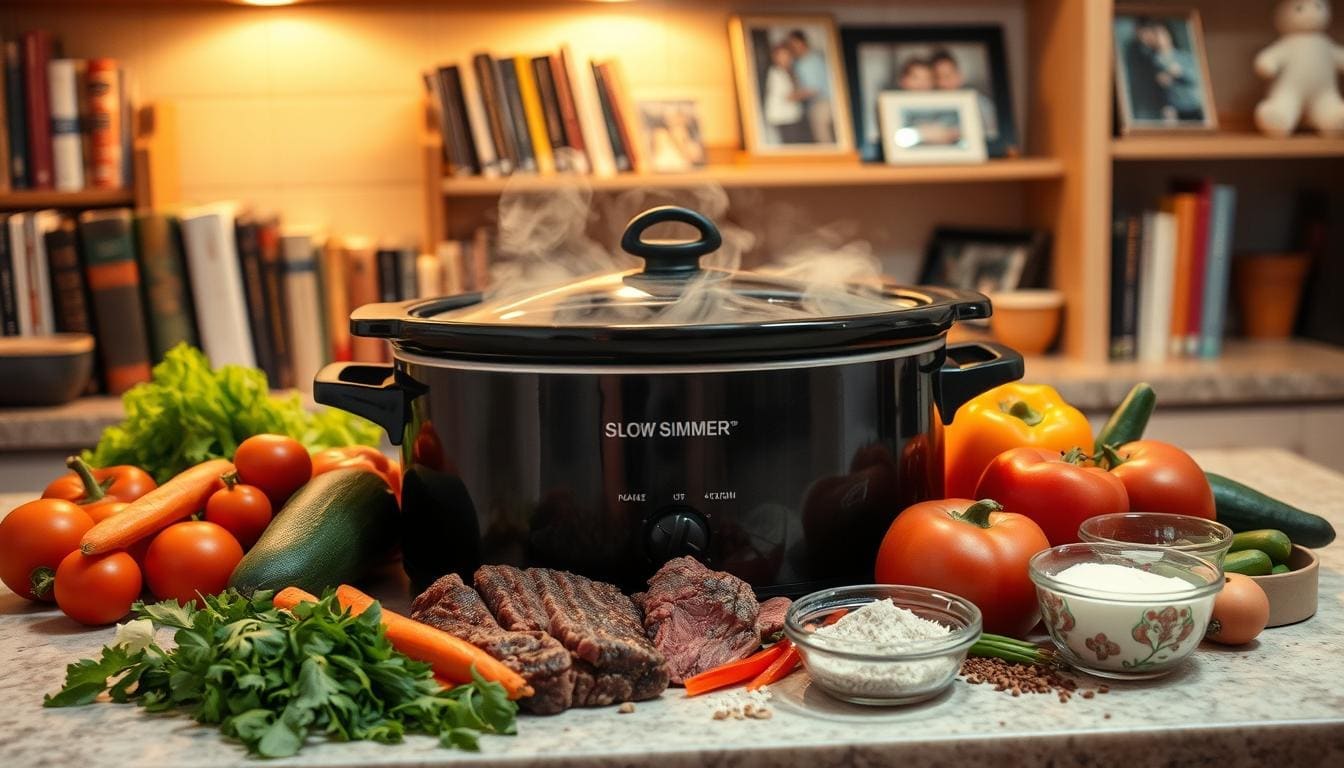
Seasoned meal planners recommend building a core rotation of 5-7 versatile recipes. One mom of twins shares: “Our taco rice bowl base becomes burritos or salads with different toppings”. This approach lets families stretch ingredients while keeping meals exciting.
Top strategies include:
Electric cookers transform tough cuts into tender family dinners. A chuck roast simmers all day with potatoes and carrots for under $12. Instant Pot mac and cheese ready in 15 minutes beats boxed versions for both taste and cost.
Best practices:
These methods prove that great dinner recipes don’t require constant supervision. As one dad notes: “Our pot does the work while we tackle homework”.
Dinnertime dilemmas vanish when you serve meals that spark joy and curiosity. Selective eaters often thrive with familiar favorites presented in new ways. The key lies in balancing comfort foods with hidden nutrition boosts everyone can enjoy.
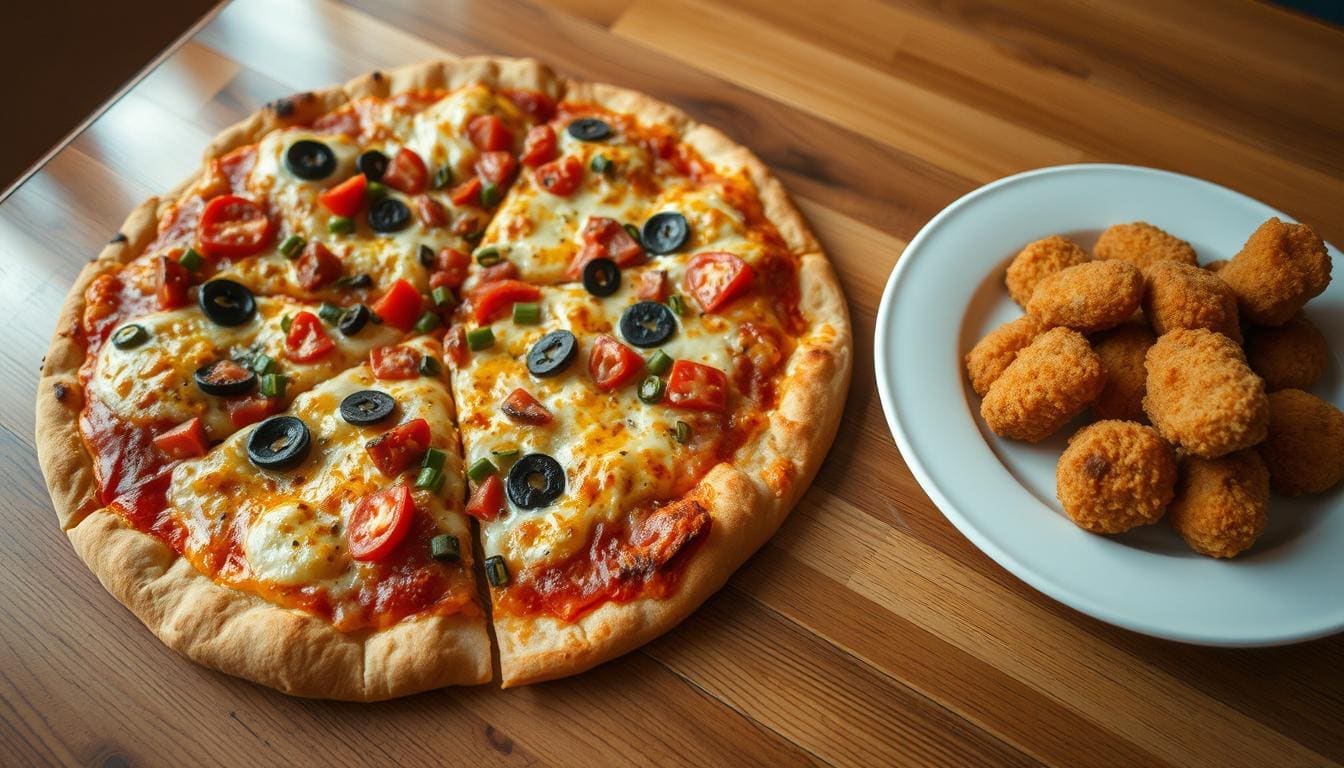
Homemade chicken nuggets win hearts when baked with whole-grain crumbs. Pair them with air-fryer potatoes or carrot sticks for crunch. Mini pizzas become nutrition vehicles when using whole-wheat English muffins or tortillas as bases.
| Pizza Base | Prep Time | Cost Per Serving | Veggie Pairings |
|---|---|---|---|
| English Muffins | 12 mins | $0.80 | Spinach, mushrooms |
| Tortillas | 8 mins | $0.60 | Bell peppers, olives |
| Bagels | 15 mins | $1.10 | Tomatoes, basil |
Letting children assemble their personal pies encourages ownership. “My daughter eats bell peppers now because she chooses them herself,” shares a parent from Ohio.
Pureed butternut squash blends seamlessly into mac and cheese sauces. Finely chopped mushrooms disappear in meatballs, adding moisture and nutrients. Breakfast-for-dinner options like whole-grain pancakes with fruit toppings bridge the familiarity gap.
Involving kids in washing greens or stirring batter builds investment. Small hands can arrange veggie toppings on individual pizza slices. These interactions often lead to surprising food discoveries and cleaner plates.
The clock strikes 5 PM, and your kitchen becomes a race against time. Single-pan solutions save the day when you need hearty weeknight dinners fast. These dishes prove minimal cleanup doesn’t mean sacrificing flavor or nutrition.
Three ingredients create velvety mac cheese in 12 minutes. Combine elbow noodles, broth, and shredded cheddar in your electric cooker. “My kids think it’s fancy restaurant food,” laughs mom-of-three Jessica Rivera. Boost nutrition by stirring in pureed cauliflower or diced broccoli before serving.
Cast iron pans transform into complete meal hubs. Try these crowd-pleasers:
| Dish | Prep Time | Cost | Key Ingredients |
|---|---|---|---|
| Ramen Stir Fry | 18 mins | $3.56 | Eggs, frozen veggies |
| Creamy Chicken Skillet | 25 mins | $5.30 | Thighs, mushrooms |
| Cheese Manicotti | 30 mins | $6.34 | Ricotta, marinara |
Chicken fried rice uses leftover grains and rotisserie meat for a 15-minute meal. Sauté veggies first, then add cooked rice and soy sauce. Top with scrambled eggs for extra protein.
Tomato-bacon pasta shines with pantry staples. Cook noodles directly in the creamy sauce for maximum flavor absorption. One dad notes: “It’s our Tuesday tradition – quick, filling, and everyone licks their plates.”
Thursday evenings at the Miller household smell like homemade dough and laughter. Their secret? A family-friendly approach to meal planning that turns grocery lists into adventure maps. By blending strategy with creativity, they’ve transformed dinner prep into a team sport where everyone wins.
Successful meal planning begins before hitting the store. Check pantry staples first, then build menus around affordable proteins like eggs and beans. Theme nights like “Stir-Fry Fridays” simplify decisions while using seasonal produce. Bulk-buying rice and frozen veggies cuts costs without sacrificing variety.
Let children tear lettuce for salads or measure ingredients for baking. One parent notes: “Our youngest eats every vegetable she helps wash.” These moments reduce resistance to new foods while teaching valuable life skills. Even toddlers can arrange fruit platters or stir batter.
Rotate three core proteins weekly—chicken, ground turkey, and lentils work well. Pair them with different grains and sauces for excitement. Try repurposing leftovers creatively: Sunday’s roasted veggies become Monday’s frittata filling. This method balances budget constraints with diverse flavors that keep everyone engaged.
With thoughtful preparation, families can stretch their food dollars while creating shared memories. The true reward? Plates cleared of nourishing meals and hearts full of connection.
Focus on versatile ingredients like chicken, rice, and beans. Dishes like creamy chicken pasta or cheesy casseroles balance flavor and cost. Adding herbs or spices to simple sauces can elevate meals without breaking the budget.
Blend veggies like broccoli or mushrooms into sauces, soups, or casseroles. Try adding grated zucchini to meatballs or mixing finely chopped spinach into mac and cheese. Kids often enjoy veggie-packed dishes when flavors are familiar.
One-pot meals like skillet pasta, Instant Pot mac and cheese, or chicken-and-rice dishes save time. Sheet-pan dinners with roasted veggies and protein also simplify prep. These options keep cooking and cleanup efficient for busy families.
Let them customize their plates with toppings for tacos, salads, or mini pizzas. Assign age-appropriate tasks like stirring sauces or assembling wraps. Involving them in meal planning fosters curiosity and makes trying new foods fun.
Homemade baked nuggets using shredded chicken or ground turkey are cost-effective. Coat them in crushed cereal or breadcrumbs for crunch. Pair with honey mustard or yogurt-based dips for a healthier twist.
Yes! Use blended cauliflower or white beans to create creamy textures in soups and sauces. Greek yogurt or cottage cheese also adds richness to dishes like mashed potatoes or pasta bakes.
Rotate proteins like beef, beans, and chicken across different cuisines—think tacos, stir-fries, or pasta nights. Incorporate a mix of family favorites and new recipes to balance variety and comfort.
Curious what is the primal diet? Discover how eating like your ancient ancestors—with a side of cheese—might energize you (and your next caveman impression).
Curious about the zero starch diet? Learn what you can actually eat, how to avoid salad boredom, and why potatoes are definitely not invited to this party.
A beginner swim workout turns splashing around into smart, safe exercise—even if your best stroke is “try not to panic.” Learn to swim with confidence (and laughs).