Tips
What Is the Primal Diet? Why Your Inner Caveman Might Need a Salad
Curious what is the primal diet? Discover how eating like your ancient ancestors—with a side of cheese—might energize you (and your next caveman impression).
Real-Life Fitness for Real People
Since 2024
Sarah, a dedicated runner training for her first marathon, suddenly clutches her side during a critical sprint. That sharp, stabbing sensation under her ribs isn’t just annoying—it’s derailing months of progress. Her story isn’t unique. Research shows 60% of active people face similar abdominal muscle spasms during physical activity. These sudden pains—often called side stitches—strike …
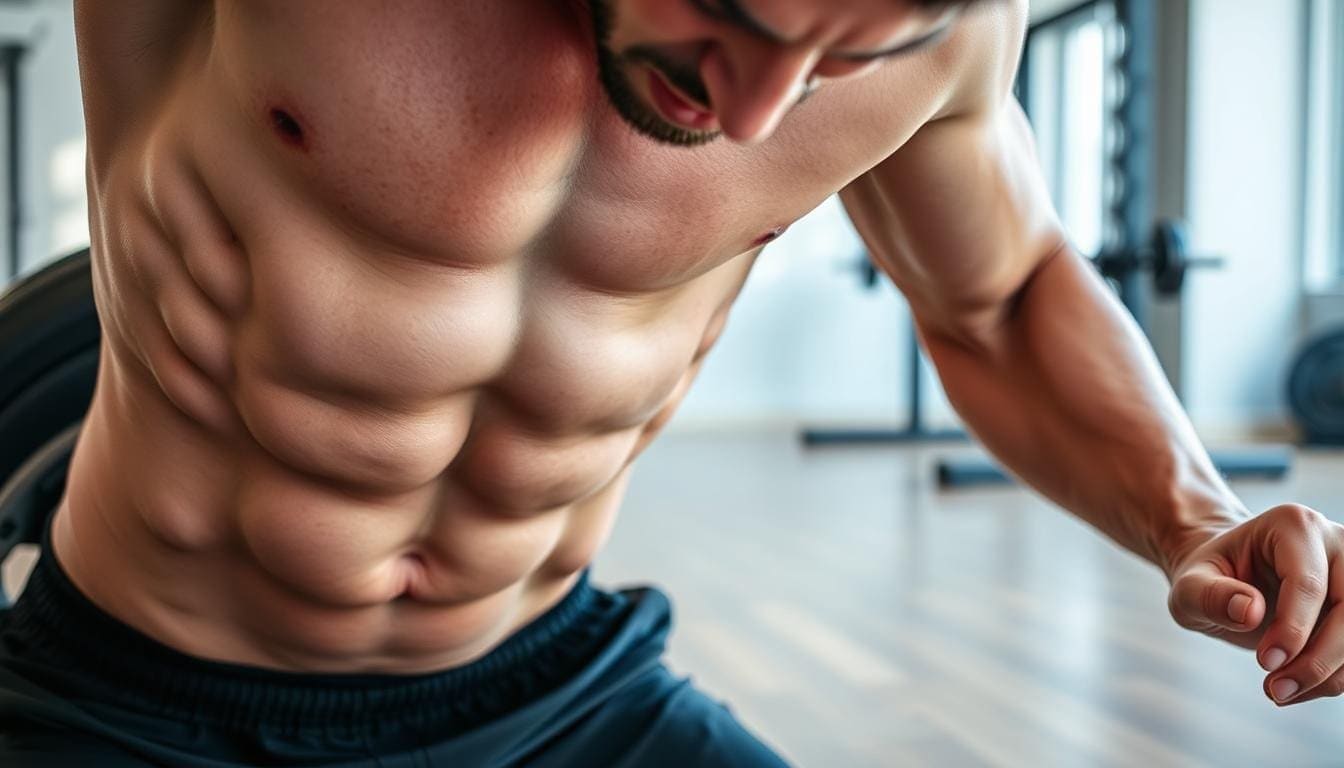
Sarah, a dedicated runner training for her first marathon, suddenly clutches her side during a critical sprint. That sharp, stabbing sensation under her ribs isn’t just annoying—it’s derailing months of progress. Her story isn’t unique. Research shows 60% of active people face similar abdominal muscle spasms during physical activity.
These sudden pains—often called side stitches—strike when least expected. Whether you’re lifting weights or cycling, abs cramping during workout can turn a productive session into a struggle. While rarely dangerous, the discomfort ranges from mild twinges to breath-stealing agony.
Why does this happen? Your core muscles work overtime during exercise. Factors like improper hydration or rushed warm-ups often trigger involuntary contractions. The good news? Simple adjustments to your routine can make these episodes avoidable.
Ever wonder why your core muscles rebel mid-session? The answer lies in your body’s hidden mechanics. Contrary to popular belief, physical activity doesn’t directly trigger those sharp twinges. Instead, your system reacts to internal pressure changes and oxygen demands that occur when you push your limits.
Your diaphragm works overtime during intense movement. This essential breathing muscle can become strained, creating referred discomfort in your midsection. Simultaneously, increased pressure in your stomach area stresses the ligaments supporting your organs – like a balloon expanding too quickly.
The parietal peritoneum, a sensitive tissue layer around your organs, often plays a role. Rough movements or poor posture may irritate this lining, sparking sudden spasms. Some researchers suggest reduced blood flow to breathing muscles could worsen the issue.
What makes this tricky? No single theory explains every case. Your fitness level, hydration status, and even meal timing influence susceptibility. As one sports physician notes: “Two athletes doing identical workouts might have completely different experiences based on their unique physiology.”
While science hasn’t pinpointed all the mechanisms, understanding these factors helps you personalize prevention strategies. The next section will break down common triggers and how to avoid them.
Your favorite workout playlist starts pumping, but suddenly your midsection feels like it’s hosting a rock concert. Let’s unpack why your body throws these unwelcome curveballs.
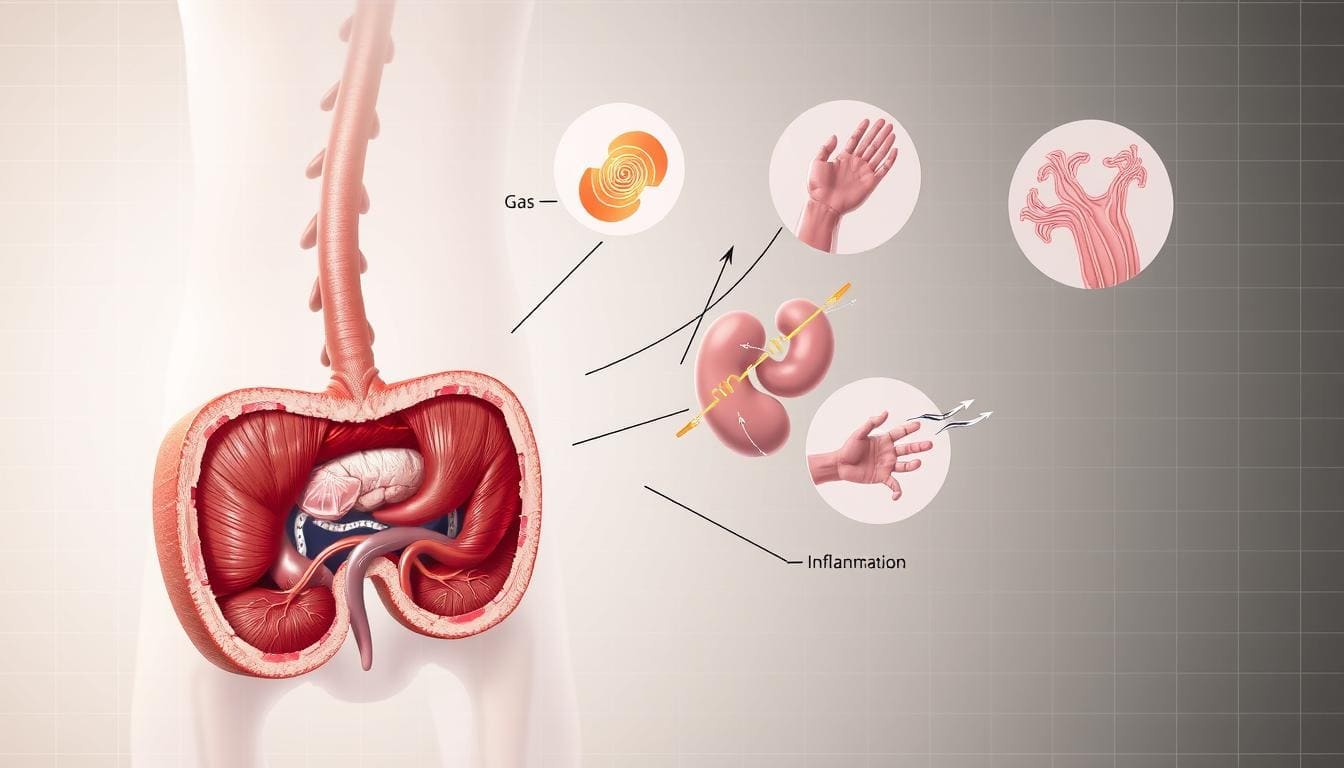
Muscles need water like plants need sunshine. When you’re low on fluids, your stomach muscles can’t contract smoothly. “Think of electrolytes as traffic controllers for nerve signals,” explains sports nutritionist Lisa Yang. Sodium and potassium shortages often trigger misfired contractions.
Sweating during intense exercise drains these minerals faster. Hot yoga sessions or summer runs amplify this effect. A single hour of vigorous activity can deplete 1-2 liters of fluids.
That protein-packed smoothie might backfire if you chug it 30 minutes before lifting. Your body can’t simultaneously power muscles and digest food. Blood flow shifts away from your gut, leaving undigested meals to press against abdominal tissues.
Fatty steaks or fiber-heavy snacks take 3-4 hours to process. Even simple carbs need 60-90 minutes. Marathoner David Clark notes: “I stopped getting stitches when I switched to bananas 45 minutes pre-run.”
Timing matters, but so does content. Greasy burgers and broccoli create more pressure than easily digested rice cakes or electrolyte drinks. Listen to your gut – literally – to find your ideal fuel window.
The secret to a cramp-free session might lie in your preparation. Proper warm-ups prime your core for action while smart stretching maintains muscle elasticity. Fitness coach Mark Rippetoe notes:
“The best athletes treat preparation as part of their performance.”
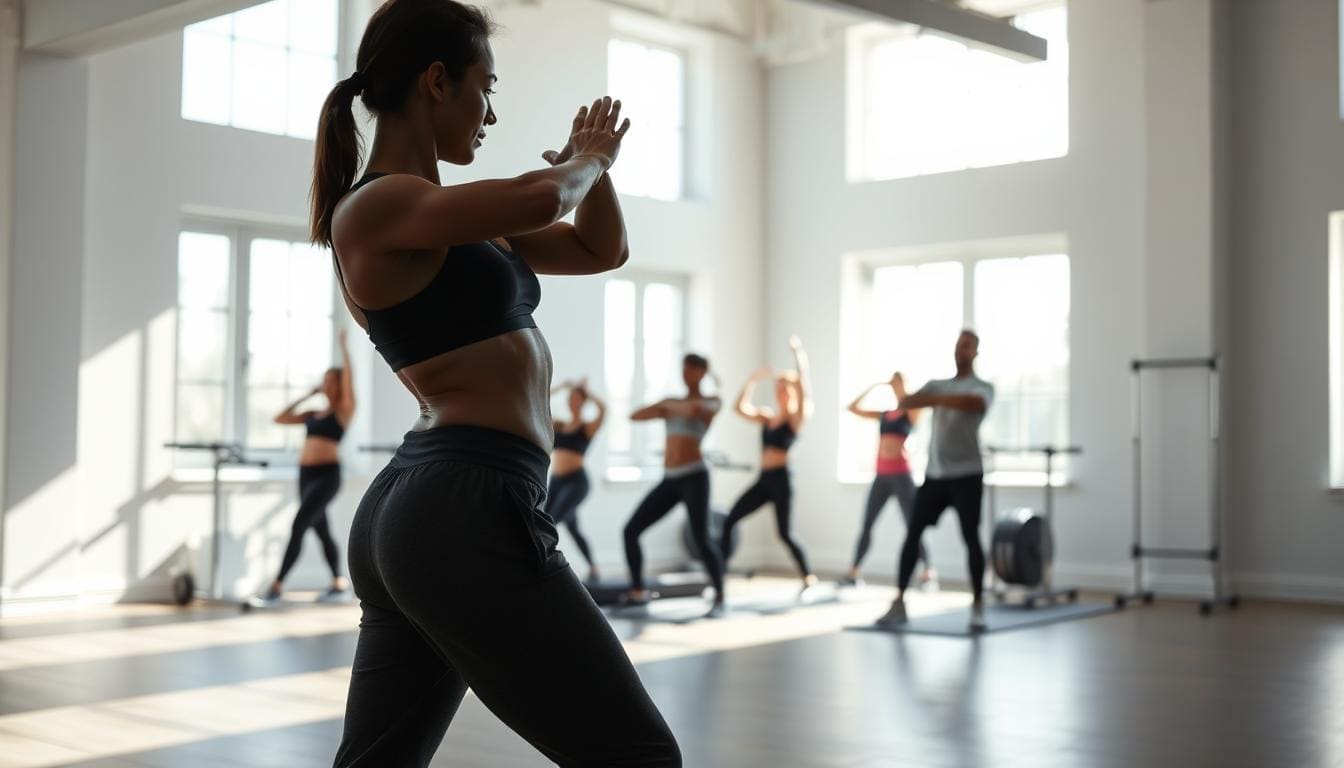
Start with movements that mimic your workout. Torso rotations and inchworms activate your core gently. These exercises boost blood flow to stomach muscles, helping prevent sudden spasms.
Gradually increase intensity over 8-10 minutes. Leg swings and medicine ball twists work well. This approach gives muscle groups time to adapt without shock.
Post-activity stretching reduces tension. Try cat-cow poses or standing side bends. Hold each stretch 20-30 seconds for best results.
Focus on your diaphragm with deep breathing exercises. Lie on your back, hands on ribs. Inhale deeply, feeling your midsection expand. This builds strength in breathing muscles linked to cramp prevention and reduces post-exercise pain.
Consistency matters most. Pair these methods with gradual training increases and proper rest days. Your body will thank you during that final running sprint or heavy lift.
Your muscles aren’t just built in the gym—they’re fueled in the kitchen. What you consume directly impacts how your body handles physical activity, making smart choices crucial for comfort and performance.
Time your meals like a pro athlete. Allow 2-3 hours for larger meals to digest before intense exercise. For quick fuel, try bananas or rice cakes 45 minutes pre-session. These choices reduce stomach pressure while powering your muscles.
Hydration needs change with sweat levels. Weigh yourself before and after running—every lost pound means drinking 20oz of water. For activities lasting over an hour, sports drinks replenish electrolytes lost through heavy sweating.
Balance is key. Include potassium-rich foods like spinach and magnesium sources like almonds in your diet. This may help prevent involuntary cramps caused by mineral shortages. Pair this strategy with consistent fluid intake to keep your system running smoothly.
Remember: Proper fueling isn’t just about avoiding pain—it’s about unlocking your best performance. Small tweaks create big changes in how you feel during activity.
Stomach cramps often stem from dehydration, electrolyte imbalances, or overexertion. Intense physical activity can strain muscles, especially if you’re not properly fueled or hydrated. Eating too close to a workout or choosing hard-to-digest foods may also trigger discomfort.
Staying hydrated maintains fluid balance and supports muscle function. Water helps transport nutrients and electrolytes like sodium and potassium, which prevent involuntary contractions. Aim to drink 16–20 oz of water 2–3 hours before exercise and sip fluids during your session.
Yes! Dynamic warm-ups increase blood flow to muscles, improving flexibility and reducing strain. Post-workout stretches like cat-cow or seated twists can ease tension in the core. Pair this with proper nutrition for the best results.
Focus on potassium-rich foods like bananas, spinach, and sweet potatoes. Magnesium sources like nuts and whole grains also help. Avoid heavy, greasy meals before workouts—opt for easily digestible snacks like yogurt or oatmeal 1–2 hours beforehand.
Electrolyte drinks replenish sodium, potassium, and magnesium lost through sweat. They’re especially useful for activities lasting over an hour. Look for low-sugar options or try natural alternatives like coconut water paired with a pinch of salt.
Pause your activity, breathe deeply, and gently stretch the affected area. For abdominal cramps, try bending forward or lying on your back with knees raised. Hydrate with water or an electrolyte drink, and massage the area lightly to ease tension.
Curious what is the primal diet? Discover how eating like your ancient ancestors—with a side of cheese—might energize you (and your next caveman impression).
Curious about the zero starch diet? Learn what you can actually eat, how to avoid salad boredom, and why potatoes are definitely not invited to this party.
A beginner swim workout turns splashing around into smart, safe exercise—even if your best stroke is “try not to panic.” Learn to swim with confidence (and laughs).