Tips
What Is the Primal Diet? Why Your Inner Caveman Might Need a Salad
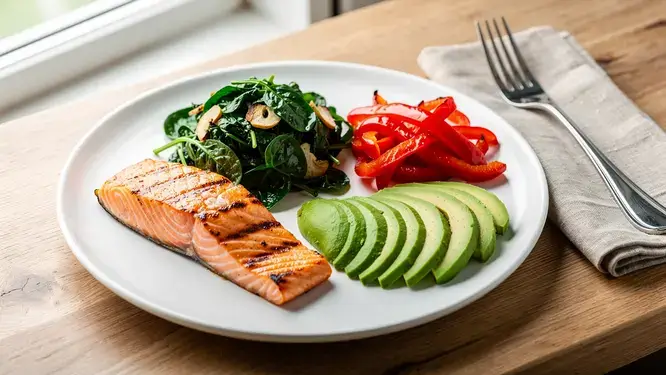
Curious what is the primal diet? Discover how eating like your ancient ancestors—with a side of cheese—might energize you (and your next caveman impression).
Real-Life Fitness for Real People
Since 2024
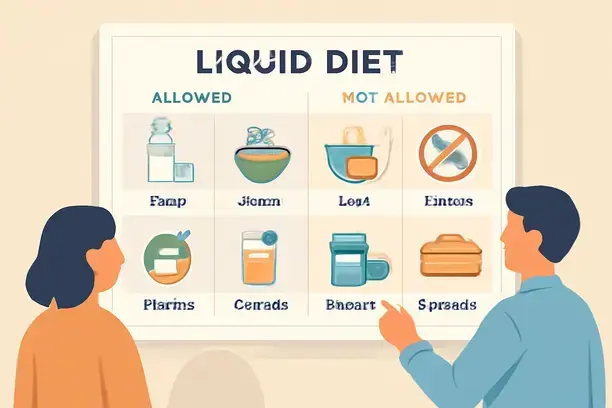
Craving variety on a liquid diet? Explore liquid diet ideas that keep meals safe, satisfying, and surprisingly tasty—because bland is banned in this kitchen.

Looking for liquid diet ideas that are safe, easy, and genuinely satisfying? Whether you’re healing, working toward weight loss, or recovering from a procedure, you deserve a plan that doesn’t leave you feeling deprived—or risking your health. Here’s how to make your liquid diet work in real life.
Disclosure: This article contains affiliate links. We may earn a commission at no extra cost to you.
A full liquid diet includes foods and beverages that are liquid or become liquid at room temperature. This clinician-reviewed guide helps both adults and children understand what’s safe to consume. Special clinical notes cover post-bariatric care, diabetes management, and pediatric nutrition to ensure safety and nutritional adequacy.
This clear summary helps you select safe and nourishing full liquid diet options, adaptable to your individual medical needs. Always confirm with your doctor or dietitian before changing your diet plan.
For convenience and variety, consider the 14-Day Rapid Soup Diet digital meal plan—designed for nutrition and ease.
You’ll find additional ideas for balanced meals beyond liquids in our curated healthy home-cooked meal ideas.
Explore more options and recipe tips in the guide on liquid diet-approved soups for variety and satisfaction.
For a done-for-you liquid meal reset, the Rapid Soup Detox program offers recipes and structured protocols with instant online access.
Even the best liquid diet ideas can hit a few bumps—think sluggish digestion, dehydration, or blood sugar swings. Here’s how to keep things moving and your energy steady so you can stick with your plan.

Constipation is common on full liquid diets due to low fiber, which slows digestion. To help, add soluble fiber supplements like partially hydrolyzed guar gum (PHGG) or finely mixed psyllium that won’t thicken liquids too much or leave grit.
Start with small doses and gradually increase to avoid bloating. Aim for 5–7 grams of fiber daily unless your healthcare provider advises otherwise.
Try naturally fiber-rich liquids like vegetable purees or well-strained pulses—they add bulk without affecting texture. If constipation lasts several days, or if you have abdominal pain, reach out to your doctor.
For gentle fiber integration, check out our detailed guide on eating a high-fiber diet without gas.
Not all liquids hydrate equally. Your best choices include water, broths, electrolyte solutions, and herbal teas. Juices and sweetened milk hydrate less efficiently and can spike blood sugar.
Sipping consistently throughout the day works better than chugging large amounts at once. Urine color is a handy hydration check—pale yellow usually means you’re doing well. Symptoms like headaches, dry mouth, or dizziness mean you need more fluids, especially if you’re dealing with fever or diarrhea.
Daily liquid diet hydration checklist:
Sweet shakes, juices, and meal replacements can send blood sugar on a roller coaster, especially if you have diabetes or insulin resistance. Choose unsweetened beverages and soups with blended lean proteins and non-starchy vegetables to keep glucose steady.
Good examples include blended lentil or egg drop soups, pureed beans, and tofu smoothies. Try eating every 3–4 hours, adding protein or healthy fats with each meal to buffer blood sugar spikes.
Skip sugary yogurts and diet drinks with hidden sweeteners. Monitoring your blood glucose regularly and tracking which foods cause swings can guide adjustments.
For structured guidance, consider the 14-Day Rapid Soup Diet designed to stabilize blood glucose and reduce cravings.
Persistent vomiting, severe abdominal pain, blood in stool, constipation that won’t respond to fiber and fluids, fainting, sudden confusion, or symptoms of hypoglycemia all require urgent medical evaluation.
If you’re on glucose-lowering medications, watch for shakiness, sweating, or rapid heartbeat. Early intervention prevents serious complications. Mayo Clinic
Tracking symptoms and following tailored strategies can make a real difference with common liquid diet challenges.
For guided meal support focused on digestion and energy, the instant-download 14-Day Rapid Soup Diet offers easy recipes and daily plans addressing these issues.
Liquid diets aren’t one-size-fits-all—especially for pregnant people, those with kidney or heart disease, and older adults. Each group has unique nutritional needs and risks, so careful modification and clinical supervision are essential to avoid deficiencies and adverse effects.
Pregnant individuals need extra calories, protein, iron, folic acid, and vitamins for healthy fetal development. Full liquid diets during pregnancy should only be followed under medical supervision, making sure you include protein-rich liquids and prenatal supplements.
Prolonged restriction risks both maternal and fetal health and requires ongoing monitoring by obstetric and nutrition specialists. UCSF Health
If you have kidney disease, liquid diets high in potassium and phosphorus can be dangerous—these minerals can build up quickly. It’s critical to:
Regular electrolyte monitoring and dietitian-guided customization are essential. National Kidney Foundation
Heart patients using liquid diets need to manage sodium, cholesterol, and fluid intake carefully. Many commercial broths and soups pack too much sodium, which can worsen hypertension and fluid retention. Safer practices include:
Your dietary changes should align with your medical history and medications under dietitian supervision. American Heart Association
Older adults on liquid diets face risks like malnutrition, muscle loss, dehydration, and aspiration. Preventive steps include:
Some may need nutrient-dense purees or thickened liquids beyond clear liquids to meet energy and protein needs. Merck Manual
This section was reviewed by registered dietitians and medical experts in acute care and geriatrics. It reflects current best practices based on established medical organizations.
Professional guidance is indispensable for safe, personalized care.
Midlife and older adults seeking simple, evidence-based meals may find the 14-Day Rapid Soup Diet plan supports metabolism and dietary needs effectively.
For practical recipes and daily meal guidance, the Rapid Soup Detox system delivers gentle nutrition with professional supervision.
Learn more about safe and flavorful soup options for liquid diets to ease transitions and improve outcomes.
Transitioning between diet stages can feel confusing, especially when you’re eager to eat “real food” again. Let’s break down how to move from clear liquids to a regular diet, with sample timelines for common situations.
This phase focuses on hydration and rest for your gastrointestinal tract. Allowed fluids include water, clear broths, gelatin, apple juice, and electrolyte solutions.
You’ll typically follow this for 24–48 hours post-procedure—such as after an upper GI endoscopy or until nausea improves. Some cases, like jaw surgery or severe pancreatitis, may require an extended clear liquid phase. Advancement depends on swallow safety and bowel function returning. Source: American Society for Gastrointestinal Endoscopy
Now you can add milk, strained cream soups, nutritional shakes, puddings, and smooth hot cereals. This typically starts 1–3 days post-procedure but may last longer—especially after jaw surgeries or during pancreatitis recovery.
Focus on high-protein, low-fat, non-acidic choices to reduce GI distress. Source: National Institute of Diabetes and Digestive and Kidney Diseases
Soft or pureed foods come next—think mashed potatoes, scrambled eggs, yogurt, and cottage cheese. You’re easing your digestive system back into handling more texture.
This phase usually lasts a few days to a week, depending on your tolerance and specific medical condition. Pay attention to how your body responds, and don’t rush it.
Finally, you’ll return to your usual eating pattern. Reintroduce foods gradually, starting with easily digestible options before moving to tougher proteins, raw vegetables, and high-fiber items.
Listen to your body—if something causes discomfort, step back and try again in a few days.
Go slow. Rushing can trigger nausea, cramping, or other setbacks. Add one new texture or food at a time, and wait a day before trying the next. Keep a food journal to track what works and what doesn’t.
Stay hydrated throughout every phase—your body needs fluids to heal and digest properly. And always check with your healthcare provider before advancing to the next stage.
For guided meal support and easy-to-follow plans, the 14-Day Rapid Soup Diet offers structured recipes and daily guidance to simplify your transition.
Curious what is the primal diet? Discover how eating like your ancient ancestors—with a side of cheese—might energize you (and your next caveman impression).
Curious about the zero starch diet? Learn what you can actually eat, how to avoid salad boredom, and why potatoes are definitely not invited to this party.
A beginner swim workout turns splashing around into smart, safe exercise—even if your best stroke is “try not to panic.” Learn to swim with confidence (and laughs).