Tips
What Is the Primal Diet? Why Your Inner Caveman Might Need a Salad
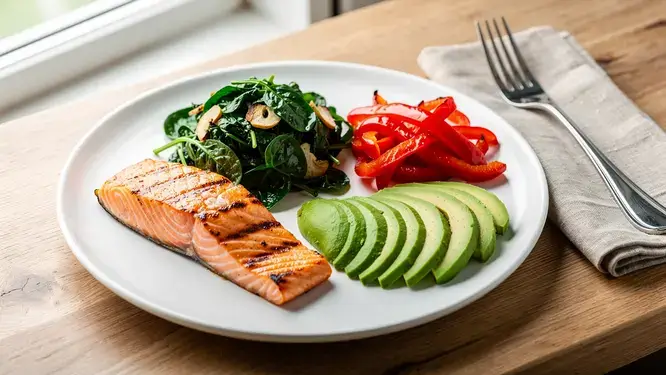
Curious what is the primal diet? Discover how eating like your ancient ancestors—with a side of cheese—might energize you (and your next caveman impression).
Real-Life Fitness for Real People
Since 2024
Let’s face it—life moves fast. Between work, family, and daily responsibilities, carving out hours for fitness often feels impossible. But what if short bursts of movement could deliver real results? Science says they can. Recent research reveals that even 10-minute activity sessions improve energy, mood, and long-term health. That’s the beauty of quick and easy …
Let’s face it—life moves fast. Between work, family, and daily responsibilities, carving out hours for fitness often feels impossible. But what if short bursts of movement could deliver real results? Science says they can. Recent research reveals that even 10-minute activity sessions improve energy, mood, and long-term health.
That’s the beauty of quick and easy exercise—you don’t need fancy equipment or marathon gym sessions to build strength. Studies highlight how brief workouts—like an 11-minute walk or high-intensity intervals—boost brain function and reduce disease risk as effectively as longer routines. The secret? Focus on quality over quantity.
This guide is designed for busy lifestyles. Whether you have 5 minutes between calls or 15 before dinner, you’ll learn to maximize every moment. We’ll share science-backed strategies to elevate heart health, build endurance, and sustain energy—no complicated plans required.
Modern schedules demand efficient fitness solutions. Research confirms that 10-minute sessions trigger significant health improvements. A 2018 review found brief activity bursts enhance mood through endorphin release—whether through brisk walks or resistance training.
Just 10 minutes of movement sparks mental clarity. Studies show increased oxygen flow to the brain sharpens focus for 2-3 hours post-workout. Office workers report 23% higher productivity after morning bodyweight circuits. Bodyweight exercises.
Home-based routines eliminate commute time. The table below shows how micro-workouts create space for other priorities:
| Traditional Routine | Time-Saving Approach | Minutes Saved |
|---|---|---|
| Gym commute + 60min session | 15min home workout | 75 |
| Weekend marathon workouts | Daily 10min bursts | 50 |
| Evening yoga class | Lunch break stretches | 40 |
Consistency matters most. Those completing 5 weekly micro-sessions maintain routines 68% longer than traditional gym-goers. Pair squats while coffee brews or plank during TV ads—these moments add up.
Your living room holds more fitness potential than you think. Bodyweight exercises turn floors and walls into versatile training tools, creating muscle-building resistance through smart positioning. A 2023 study found participants gained 2.4 pounds of lean mass in 8 weeks using only floor-based movements.
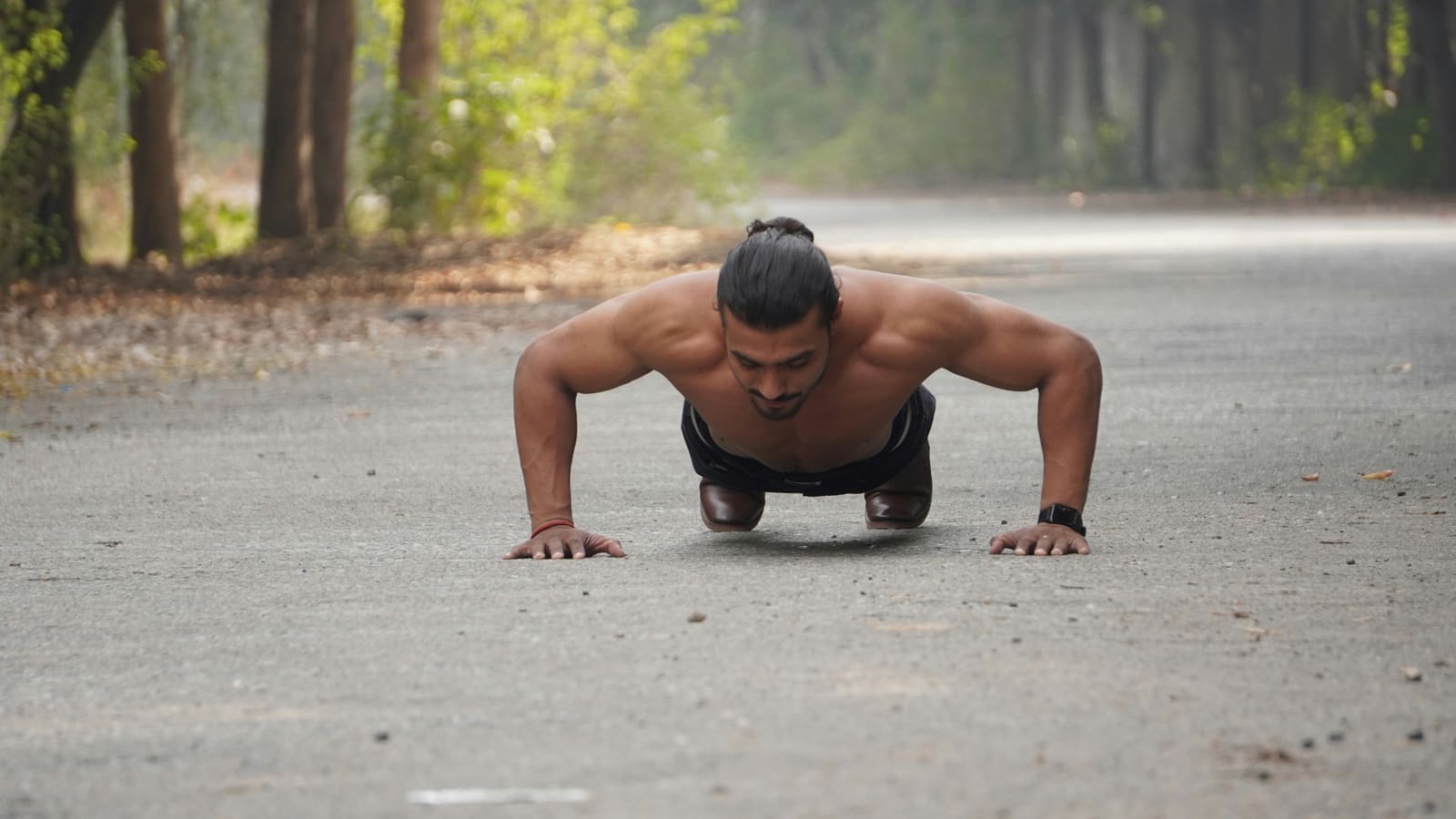
Pushups and squats do more than burn calories. When performed slowly, they trigger muscle hypertrophy similar to weightlifting. Try 3-second lowering phases during these moves:
This controlled approach increases time under tension – a key factor for building strength without equipment.
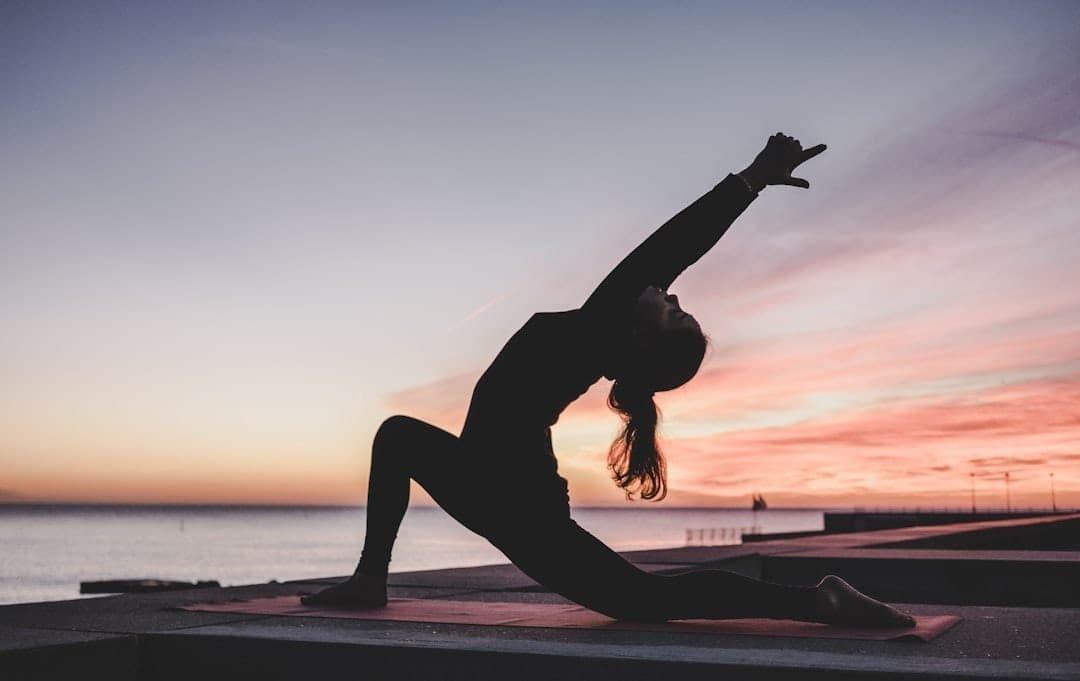
Morning sun salutations or evening hip openers boost mobility while calming the mind. Research shows combining strength moves with yoga improves balance 37% faster than either practice alone. Flow through these poses:
These hybrid routines adapt to any space – even carpeted areas work. Consistency beats complexity every time.
Starting a fitness journey can feel daunting, but foundational movements create lasting results. Beginner-level exercises focus on proper form and gradual progression—critical for building strength without strain. Research shows mastering basic patterns first reduces injury risk by 42% compared to jumping into advanced workouts.
Chair squats teach hip-hinge mechanics safely. Lower slowly until your glutes tap the seat, then push through your heels. This builds leg strength while protecting joints. Two sets of 10-15 reps daily improve balance and stair-climbing ability within weeks.
Knee pushups offer a smart entry point for upper-body development. By keeping knees grounded, you lift 40% less weight than standard pushups. Focus on keeping elbows at 45-degree angles to engage chest muscles effectively.
Rest 30-60 seconds between sets—this lets muscles recover while maintaining momentum. A 15-minute session with these bodyweight moves delivers:
Consistency trumps intensity at this stage. As one physical therapist notes: “Mastering movement quality early prevents compensation patterns later.” Track progress by noting when exercises feel smoother—a sign your body’s adapting.
Ready to level up your fitness game? Intermediate routines blend intensity with precision, challenging your body while refining movement patterns. These exercises boost muscular endurance and prepare you for advanced training without requiring equipment. Quick and easy exercise.
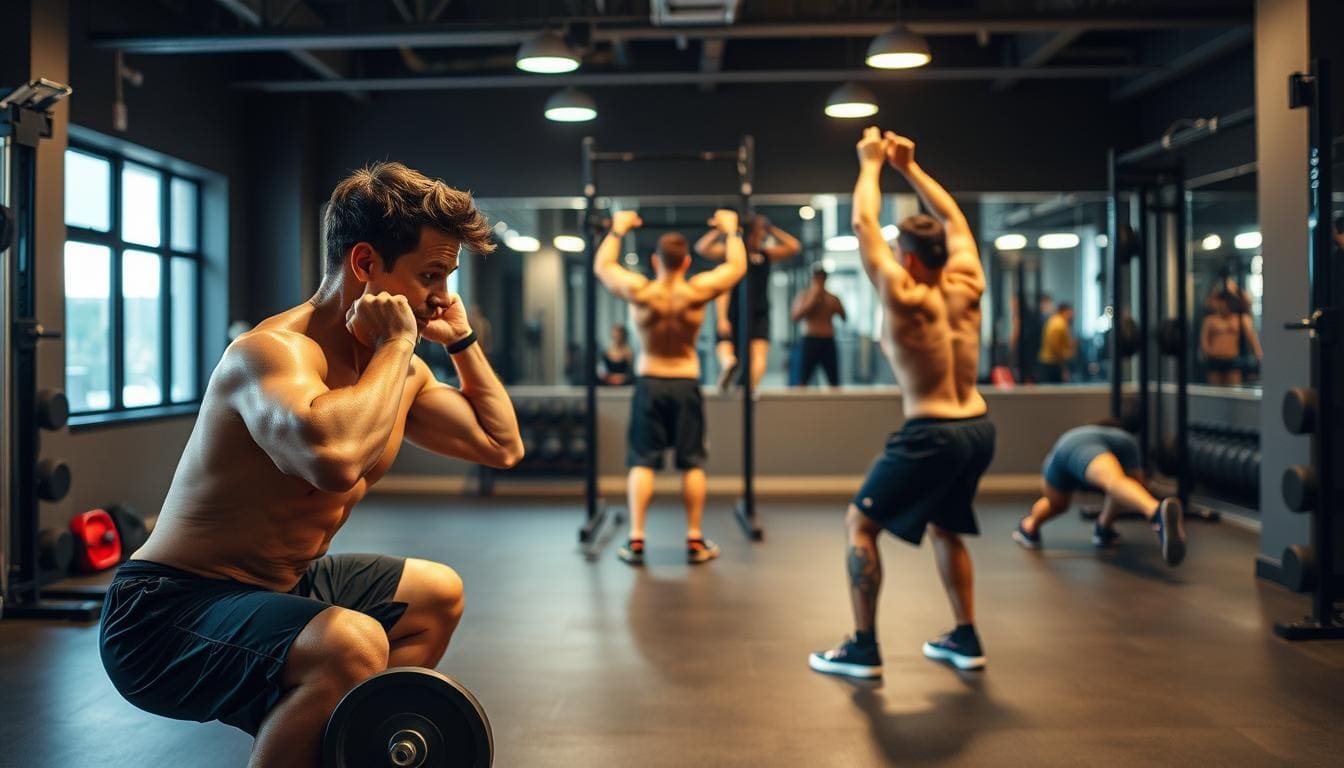
Traveling lunges engage multiple leg muscles while improving balance. Step forward, lower until both knees form 90-degree angles, then push back. Reverse direction for backward lunges. This dual approach works:
Aim for 2 sets of 12-15 reps per leg. “Mobility gains from dynamic lunges translate to better performance in daily tasks,” notes certified trainer Lisa Moreno.
Elevate your hips into an inverted V position. Lower your head toward the floor while maintaining straight legs. This bodyweight move targets shoulder muscles 3x harder than standard pushups. Key tips:
| Approach | Structure | Focus | Benefits |
|---|---|---|---|
| Rep-Based | 2 sets x 10-15 reps | Form mastery | Builds lean muscle |
| Timed Rounds | 1 minute per exercise | Endurance | Boosts stamina |
Rest 60 seconds between circuits. Alternate methods weekly to prevent plateaus. As your strength increases, add pulses at the bottom of lunges or elevate feet during pike pushups. Quick and easy exercise.
When basic moves feel manageable, it’s time to test your physical boundaries. Advanced routines demand precision and power, pushing muscles to adapt through strategic overload. These high-intensity options build athleticism while burning calories efficiently.
This glute-focused variation amps up core demands. Lie on your back with knees bent. Lift one foot off the ground, then raise your hips until your body forms a straight line. Extend the floating leg upward while maintaining stability.
Hold for 2 seconds before lowering. Research shows this move activates 30% more muscle fibers than standard bridges. Aim for 10-15 reps per leg to strengthen hips and improve balance.
Plyometric training builds fast-twitch muscle power. From a lunge position, explode upward, switching legs mid-air. Land softly with knees bent to absorb impact. Certified trainer Marco Diaz notes: “Controlled explosiveness prevents injury while boosting vertical jump capacity.”
| Exercise | Focus | Recommended Sets/Reps | Primary Muscles Worked |
|---|---|---|---|
| Single-Leg Bridge | Stability & Glute Strength | 2 x 10-15 per leg | Glutes, Hamstrings, Core |
| Jumping Lunges | Power & Coordination | 2 x 12-15 total | Quads, Calves, Shoulders |
Rest 30-60 seconds between sets. Alternate rep ranges weekly—lower reps with max effort for strength, higher reps for endurance. Listen to your body: proper form trumps speed in these demanding bodyweight workouts.
Your workspace can become a fitness ally with simple adjustments. Office workouts combat stiffness while sharpening focus – no locker room required. Professionals using desk-based routines report 31% fewer afternoon energy crashes according to 2024 workplace wellness data.
Desk pushups turn your workstation into a muscle-building tool. Position hands slightly wider than shoulders on a stable surface. Lower your chest toward the edge, keeping elbows at 45 degrees. Ten controlled reps engage chest, shoulders, and triceps without wrinkling your dress shirt.
Seated leg extensions fight chair-induced sluggishness. While typing, straighten one leg until parallel to the floor. Squeeze thigh muscles for 2 seconds before lowering. Alternate legs for 10 reps per side. This move activates quadriceps and improves blood flow – critical after hours of sitting. Quick and easy exercise.
Five-minute movement breaks deliver measurable cognitive benefits. A Cornell University study found workers completing micro-workouts maintained 19% better concentration in afternoon meetings. Keep dress shoes on – these discreet exercises fit seamlessly between tasks.
Yes! Even 10–15 minutes of bodyweight exercises like planks or lunges can boost circulation and release endorphins. This helps combat fatigue and enhances focus, especially during busy days.
Focus on movements like pushups, squats, and yoga poses such as downward dog. These use your own bodyweight to activate muscles like shoulders, legs, and core. Add reps or hold positions longer to increase intensity.
Absolutely. Chair squats teach proper form while reducing knee strain. Start with 2 sets of 8–10 reps, keeping your back straight. Pair them with wall pushups for a balanced routine.
Add dynamic moves like forward lunges or pike pushups. These require more stability and engage multiple muscle groups. Use a yoga mat for grip and aim for 30-second rests between sets.
Try extending one leg straight while lifting your hips. This targets glutes and hamstrings while improving balance. Hold for 3–5 seconds per rep, or add a dumbbell for resistance.
Seated leg extensions or desk pushups are great options. For example, press your palms into the desk edge and lower your chest toward it. Aim for 12–15 reps to activate your arms and shoulders.
Yes! Yoga enhances flexibility and recovery. Poses like child’s pose or cat-cow stretch relieve muscle tension, making strength training movements like lunges or planks easier over time.
Curious what is the primal diet? Discover how eating like your ancient ancestors—with a side of cheese—might energize you (and your next caveman impression).
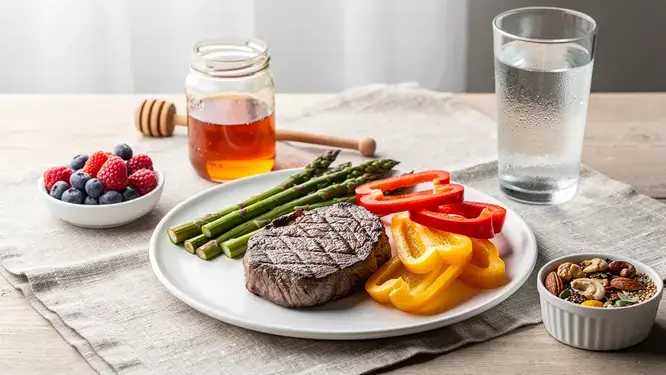
Curious about the zero starch diet? Learn what you can actually eat, how to avoid salad boredom, and why potatoes are definitely not invited to this party.
A beginner swim workout turns splashing around into smart, safe exercise—even if your best stroke is “try not to panic.” Learn to swim with confidence (and laughs).