Tips
What Is the Primal Diet? Why Your Inner Caveman Might Need a Salad
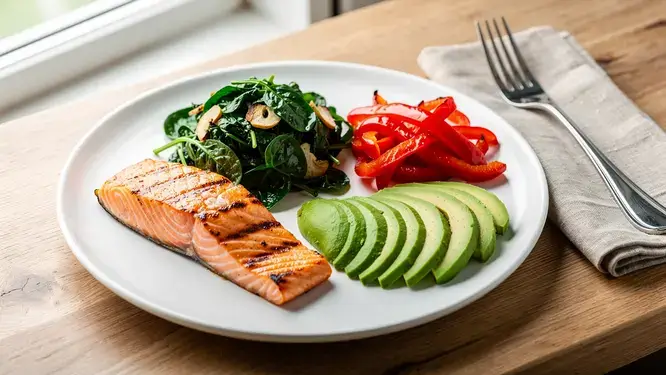
Curious what is the primal diet? Discover how eating like your ancient ancestors—with a side of cheese—might energize you (and your next caveman impression).
Real-Life Fitness for Real People
Since 2024
We’ve all been there. That moment when your sneakers sit untouched by the door, and the couch feels impossibly comfortable. You’re not alone—millions share this battle between wanting to move and feeling stuck. Even marathon runners and yoga enthusiasts face days when motivation disappears like morning fog. Learning how to get inspired to work out …
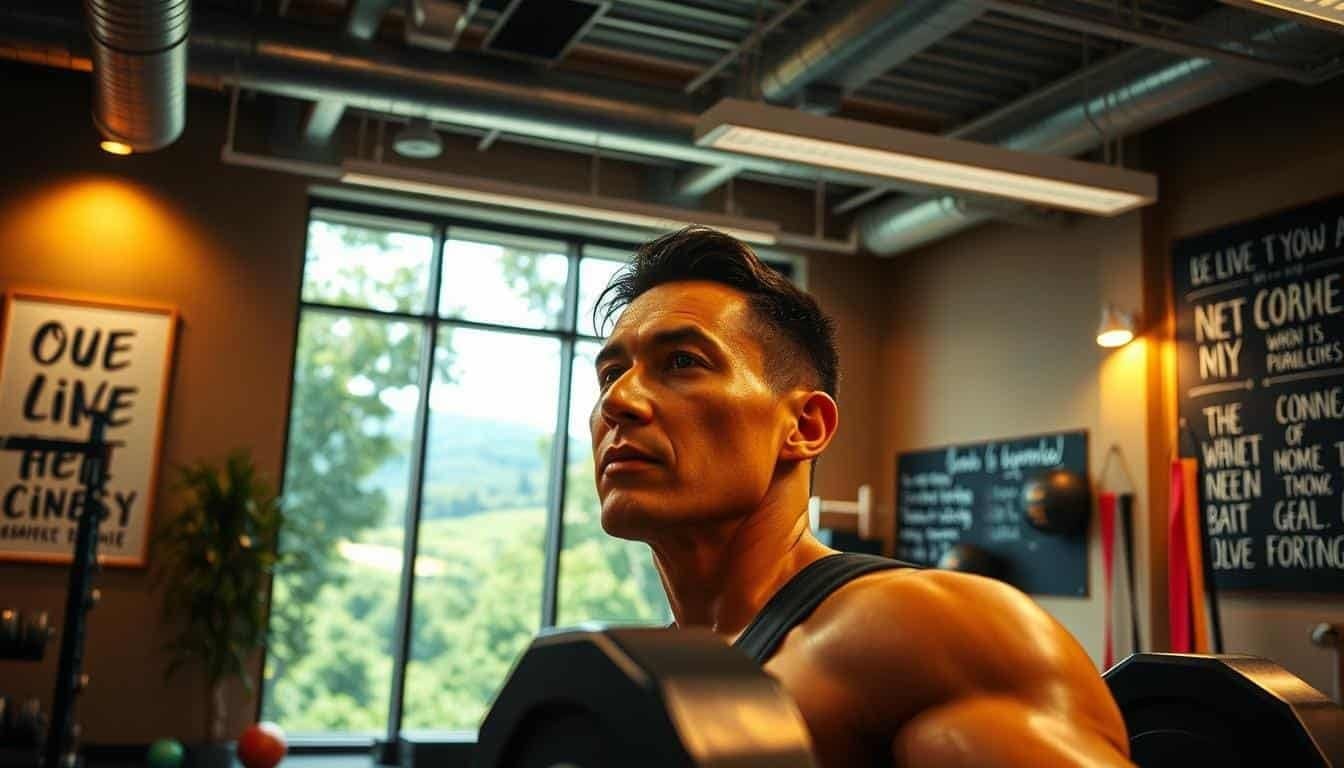
We’ve all been there. That moment when your sneakers sit untouched by the door, and the couch feels impossibly comfortable. You’re not alone—millions share this battle between wanting to move and feeling stuck. Even marathon runners and yoga enthusiasts face days when motivation disappears like morning fog.
Learning how to get inspired to work out can change the way you approach fitness entirely. What if exercise didn’t feel like a daily negotiation? This guide isn’t about pushing until you’re exhausted. It’s about creating a sustainable relationship with movement that fits your life. Whether you’re new to fitness or returning after a hiatus, these strategies meet you where you are.
Science shows small changes create big results. We’ll explore how to design your environment for success, trick your brain into craving activity, and find workouts that spark joy. Forget rigid routines—this is about flexibility and self-compassion.
The gap between intention and action in fitness routines is wider than most admit. Research shows 50% of January gym sign-ups get canceled within six months, while 14% quit by February’s end. This pattern reveals a deeper struggle with natural human tendencies—our brains crave comfort, making sedentary choices feel safer than effort.
Our bodies resist change instinctively. “Why move when I can relax?” whispers that inner voice. Mental hurdles like gym anxiety or memories of past failures amplify this inertia. Perfectionism often backfires too—waiting for ideal conditions means never starting.
Weight-loss goals or six-pack dreams crumble because they ignore emotional needs. A 2023 study found people focusing on external results quit 2.3x faster than those valuing energy boosts or stress relief. Even trainers face unmotivated days—they succeed through pre-planned routines, not magic willpower.
Society’s “no pain, no gain” messaging fuels anxiety. Instead of forcing grit, sustainable habits blend practicality with self-compassion. Recognize motivation fluctuates—build systems that work even on low-drive days.
Transforming exercise from a chore into a choice requires more than discipline—it demands creativity. Meet Barbara, a 77-year-old who redefined her relationship with physical activity through unexpected solutions.
Barbara’s first attempt involved walking with a friend. Their lively chats made time fly, proving social connection fuels consistency. But when schedules clashed, she needed a self-sufficient strategy.
Her breakthrough came through an old darkroom conversion. A secondhand treadmill and small TV became her secret weapons. “I’d watch detective shows with headphones—suddenly, I’d walked three miles without noticing,” she laughs.
Over years, Barbara naturally increased speed and incline. What began as reluctant steps evolved into daily 5K walks. Twice-weekly strength sessions brought visible muscle definition within months—a surprise bonus she hadn’t anticipated.
Today, climbing stairs feels effortless. Shopping trips became adventures rather than endurance tests. Her story proves fitness thrives when we prioritize enjoyment over intensity. As Barbara says: “Movement shouldn’t punish—it should enrich your life.”
Fitness shouldn’t feel like a dentist appointment—something you endure rather than enjoy. The secret to consistency lies in blending movement with activities that light up your brain. Science confirms enjoyment predicts exercise adherence better than grit alone.
Pair your favorite shows with treadmill sessions. One study found people exercising to music perceived 10% less effort. Create “binge-walk” rules: only watch that crime drama while moving. Podcast lovers report walking 28% longer when engrossed in stories.
“I save audiobooks for stationary bike time—suddenly I’m pedaling through chapters instead of counting minutes,” shares marathon trainer Jenna Lee. This strategy taps into dopamine-driven learning—your brain links movement with pleasure.
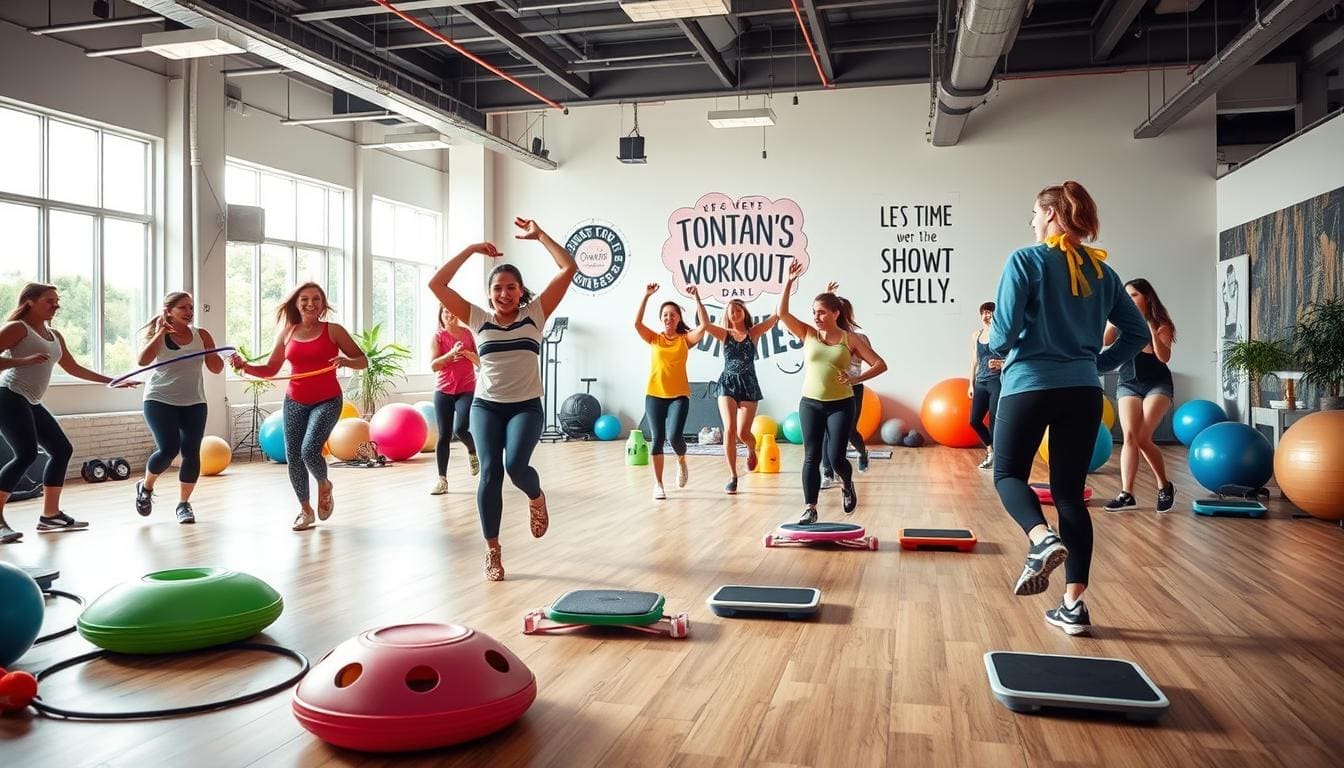
Ditch dumbbells for dance classes or rock climbing walls. Recreational sports leagues combine activity with laughter. Try these unconventional options:
Research shows people stick with workouts they find intrinsically rewarding. One gym replaced treadmills with karaoke bikes—members now sing while cycling. As fitness coach Marco Torres notes: “When movement feels like play, showing up becomes automatic.”
Success in fitness hides in plain sight—it’s not about heroic efforts, but smart systems. Bestselling author James Clear nailed it: “If you want consistent change, the last thing you want to rely on is something inconsistent.” Motivation fades; well-designed habits endure.
Start by flipping the script. Instead of fixating on weight loss or muscle gain, focus on actions you control. Aim for three 25-minute walks weekly or two strength training sessions. These behavior-based targets build momentum without pressure.
Create a flexible plan that bends with life’s chaos. A sample program might look like this:
| Goal Type | Example | Success Rate |
|---|---|---|
| Outcome Focus | “Lose 10 pounds” | 34% adherence |
| Behavior Focus | “Walk 3x/week” | 67% adherence |
| Progressive | “Add 5 minutes monthly” | 82% adherence |
Track consistency first. Mark a calendar for every completed session—visual wins matter more than scales. When busy days hit, default to 10-minute micro-workouts. This “minimum effective dose” approach keeps the routine alive during crunch times.
Progress slowly. Increase walking speed by 0.1 mph each week, or add one rep every Friday. Small upgrades feel manageable, while drastic changes spark burnout. Remember: systems outlast sparks of inspiration every time.
Accountability transforms physical activity from a solo struggle into a shared journey. Science confirms what gym buddies know instinctively—we perform better when others cheer us on. A 2022 study revealed group exercisers complete 40% more sessions than solo athletes.
Finding your fitness tribe starts with simple steps. Ask a friend to join weekend hikes or share workout playlists. Virtual partners work too—research shows video-chat exercisers push 22% harder than solo counterparts.
Online communities offer round-the-clock motivation. Fitness apps like Strava create friendly leaderboards, while Reddit groups host 30-day challenges. One user reports: “Posting progress photos keeps me committed—people notice if I skip weeks.”
Classes blend structure with social energy. Spin studios and yoga sessions thrive on collective effort. Check these success rates:
| Support Type | Average Sessions/Month | Long-Term Adherence |
|---|---|---|
| Solo Workouts | 8 | 41% |
| Accountability Partner | 11 | 63% |
| Group Classes | 14 | 79% |
The CDC nails it: “Healthy competition fuels results.” Challenge colleagues to step contests or race friends in charity 5Ks. Celebrate milestones together—shared wins build lasting habits.
Your surroundings shape your actions more than willpower ever could. James Clear’s floss-by-the-toothbrush principle applies perfectly to fitness: “Make good habits obvious and bad ones invisible.” Small environmental tweaks remove mental roadblocks, turning exercise into a natural next step rather than a debate.
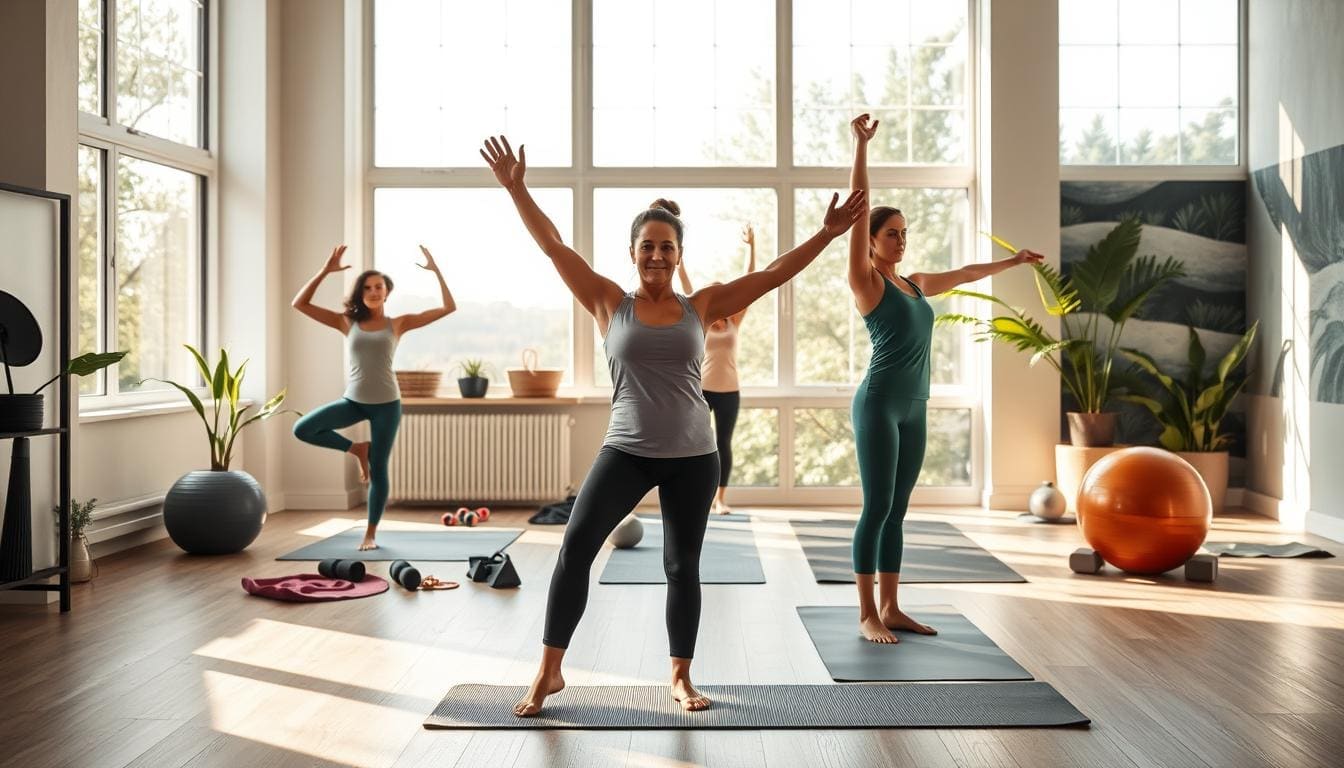
Start with clothes prep. Lay out workout gear beside your bed—seeing those shorts becomes a visual nudge. Research shows people who pre-pack gym bags complete 73% more sessions. For home spaces, dedicate a corner with resistance bands and a yoga mat. Even a 4×4 foot area works if it’s always ready.
Compare these setups:
| Environment | Key Advantage | Success Boost |
|---|---|---|
| Home Gym | Zero travel time | 58% more weekly workouts |
| Local Gym | Social energy | 41% longer sessions |
Remove friction points. Charge wireless headphones near your training zone. Store the phone in another room during home workouts. Choose gyms en route to work—locations matter more than fancy equipment. One study found members attending facilities within 1.5 miles trained 3x more often.
Mirrors aren’t just for form checks. They create psychological readiness, doubling as progress trackers. Keep dumbbells visible but TVs hidden—out of sight truly means out of mind. As Clear proves: Environment design beats motivation every time.
Small efforts create big waves in fitness journeys. Forget marathon sessions—science proves brief movement bursts deliver results. A 2023 study showed three 10-minute walks daily slash disease risks as effectively as longer routines.
James Clear’s reader transformed her health using this trick: commit to just five minutes initially. Most days, momentum carries you beyond that start. Try the 3×10 method—walk ten minutes morning, noon, and night. Swap evening strolls for squats and pushups for full-body impact.
Craft a workout playlist that makes feet tap automatically. Research reveals caffeine boosts performance—sip coffee pre-exercise for extra drive. Place shoes by the door as a visual nudge. Sync activity with favorite podcasts—time flies when stories unfold.
These strategies remove the “all or nothing” mindset. Ten minutes today beats zero yesterday. Your body thrives on consistency, not perfection. Start small, stay often, and watch daily efforts compound into lasting change.
Mental barriers like anxiety or boredom often clash with natural inertia. Traditional goals like weight loss alone rarely stick. Try pairing workouts with entertainment—like streaming Netflix on a Peloton bike—or sign up for themed classes at Crunch Fitness to spark excitement.
Blend physical activity with fun! Dance to Spotify playlists, join Zumba classes, or try outdoor hikes. Studies show people stick to routines 40% longer when they enjoy the process. Even small tweaks, like colorful Nike gear or post-workout smoothies, can shift your mindset.
Start with micro-workouts: 10-minute sessions of squats or resistance bands. Apps like Freeletics offer guided plans. Track progress using MyFitnessPal or a Fitbit. Consistency beats intensity—three 20-minute weekly sessions yield better long-term results than sporadic marathons.
Absolutely. Orangetheory and CrossFit thrive on community energy. Partner workouts or sharing milestones on Strava create friendly competition. Research shows social support boosts adherence by 65% compared to solo routines.
Keep it simple and visible. Place dumbbells or a Yoga mat in high-traffic areas. Use bright lighting and motivational posters. If space is tight, foldable equipment like TRX straps or a JAXJOX kettlebell saves room while offering versatility.
Try the 10-minute rule: commit to just 10 minutes of activity. Often, you’ll keep going. Upbeat music via Apple Music or a podcast like Huberman Lab distracts the mind. Lay out your Lululemon clothes the night before to reduce friction.
SMART goals (Specific, Measurable, Achievable) work best. Instead of “get fit,” aim for “30 squats daily” or “walk 7,000 steps.” Apps like Strong track reps and weights. Celebrate small wins—like a new Under Armour shirt after hitting a 3-week streak.
Yes! Balanced meals fuel energy. Pre-workout snacks like bananas or RXBAR protein bars boost performance. Hydration with Liquid I.V. or coconut water prevents fatigue. Avoid heavy meals 2 hours before training to stay light and focused.
Curious what is the primal diet? Discover how eating like your ancient ancestors—with a side of cheese—might energize you (and your next caveman impression).
Curious about the zero starch diet? Learn what you can actually eat, how to avoid salad boredom, and why potatoes are definitely not invited to this party.
A beginner swim workout turns splashing around into smart, safe exercise—even if your best stroke is “try not to panic.” Learn to swim with confidence (and laughs).