Tips
What Is the Primal Diet? Why Your Inner Caveman Might Need a Salad
Curious what is the primal diet? Discover how eating like your ancient ancestors—with a side of cheese—might energize you (and your next caveman impression).
Real-Life Fitness for Real People
Since 2024
Wondering what’s actually the best soup for liquid diet? Learn doctor-backed picks, easy tweaks, and why even your blender deserves a chef’s kiss. Stir up something smooth!
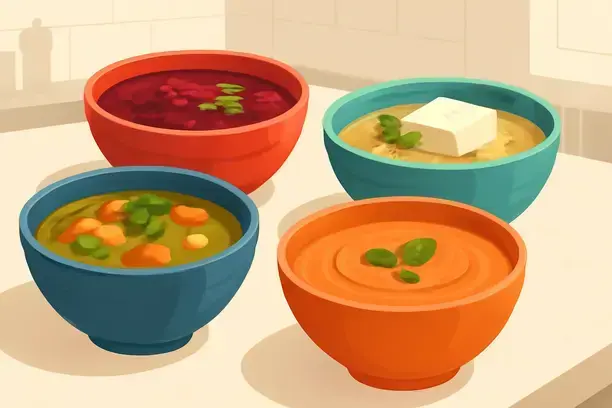
The best soup for liquid diet is the one that fills you up, keeps you nourished, and fits your specific stage—whether you’re recovering, losing weight, or just wanting easy, gentle meals. Here’s how to confidently choose the right soup for every step of your liquid diet journey.

Disclosure: This article contains affiliate links. We may earn a commission at no extra cost to you.
Clear soups are transparent liquids—think strained broths like beef, chicken, or vegetable stock, bouillon, and consommé. They contain no pulp, solids, or cloudiness, making them perfect for the initial phase after surgery, before medical procedures, or during acute digestive issues.
These soups provide hydration and essential electrolytes while giving your digestive system a break.
Always check with your healthcare provider, since clear liquid diet restrictions vary by procedure or condition. For tailored phased soup meal plans that support gentle digestion, the 14-Day Rapid Soup Diet offers structured guidance. Source: Cleveland Clinic
Full liquid soups include any smooth, lump-free soups—they don’t have to be clear. This category covers creamy soups and well-strained purees, offering more calories and protein for those transitioning out of strict liquid diets but still unable to chew or digest fiber comfortably.
Watch out for soups with noodles, rice, or meat shreds, which move beyond liquid diet parameters.
Pureed soups blend all cooked ingredients into a completely smooth, lump-free texture. They’re excellent for post-bariatric or oral surgery patients who need more nutrition and fullness without chewing.
You’ll find more detailed advice on liquid diet soups at this guide.
High-protein soups support faster recovery and muscle preservation, fitting into full liquid and pureed phases if completely smooth. They often incorporate strained meats, fish, vegan protein powders, egg whites, or dairy proteins.
Increased protein intake in liquid diets can reduce hunger and help you feel fuller for longer. Source: Healthline
Always verify that your soup choice aligns with your physician’s instructions, especially around surgery or chronic illness management. Soups labeled “pureed” or “cream” may still contain small particles—re-strain if you’re uncertain.
Here’s a simple test: if the soup pours easily and leaves no solids on a spoon, it generally fits liquid diet criteria. Also check for restrictions on milk, fats, or seasoning, as these vary medically.
For filling but low-calorie soups suitable for weight loss, explore tips on soups that support weight loss.
For a stepwise soup protocol with prepared recipes, consider the 14-Day Rapid Soup Diet system, which guides you from clear to more nourishing soups safely.
Understanding the nutritional content of liquid diet soups helps you manage weight, recovery, and blood pressure effectively. Below is a breakdown of common types with estimated values per 1-cup serving.
Keep in mind commercial soups often pack high sodium levels—homemade versions give you better control. For plans focused on sodium and fat moderation, see this soup diet guide.
Most liquid diet meals consist of 1.5–2 cups of soup, striking a balance between satiety and calorie control. Snack portions range between ¾ and 1 cup—useful especially during weight loss phases.
When you’re using soup as a meal replacement, targeting 6–10 grams of protein per serving helps. Bone broths and high-protein blends, sometimes supplemented with collagen or whey powder, assist with this goal. Be sure to consult a dietitian for specific medical advice. Source: NHS UK
Consistency in portion size and nutritional balance matters more than exact calorie counts for liquid diets.
For rapid weight loss, consume 1–1.5 cups multiple times daily to reduce cravings and maintain low calorie intake. If you’re recovering or need additional protein, increase servings or blend in protein-rich ingredients as instructed by your healthcare team.
Always seek tailored advice from your doctor or dietitian for post-surgical or chronic condition needs. Source: American Cancer Society
Structured liquid soup plans with measured portions and nutrient balance—like the 14-Day Rapid Soup Diet program—can help simplify meal prep and support weight loss or nutrition resets.
To make liquid diet soups accessible across dietary needs, substitutions can accommodate allergies and preferences without sacrificing nutrition or flavor.
For dairy-free options, replace regular milk or cream with unsweetened oat, soy, or almond milk. Soy milk adds extra protein, while olive oil or dairy-free margarine substitutes butter.
Gluten-free soups swap wheat-based thickeners with cornstarch, arrowroot, or potato starch. For noodles, choose rice noodles, gluten-free pasta, or spiralized vegetables. Always verify broths for hidden gluten.
Adding blended white beans or cooked cauliflower boosts creaminess affordably in vegan soups.
Frozen vegetables, bulk lentils, and canned beans create cost-effective bases. Season generously with affordable ingredients like garlic, ginger, and curry powder.
Use leftover roasted vegetables or rotisserie chicken scraps to minimize waste while adding nutrition. To stretch your grocery budget further, explore budget-conscious meal planning tips.
If substitutions make soup too thin, thicken with a cornstarch slurry or blend in cooked potatoes or beans. If too thick, thin with broth or plant-based milk gradually, adjusting seasoning as needed.
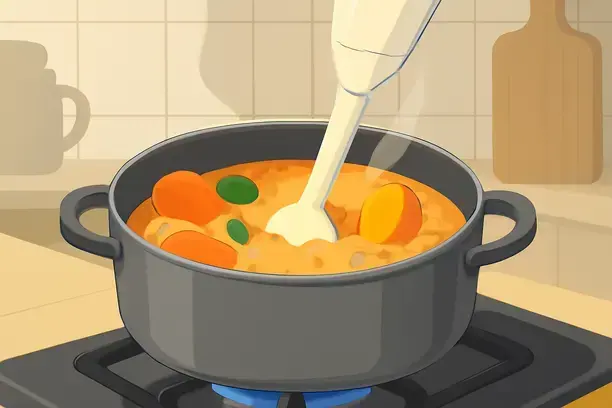
A hand blender can enhance smoothness and drinkability in pureed soups.
For allergy-friendly, budget-conscious meal plans and easy-to-adapt recipes, the 14-Day Rapid Soup Diet offers practical tools and guidance.
More liquid diet soup ideas and hydration-focused recipes are available at this resource. For plant-based inspiration, see healthy plant-based soup recipes.
Always read product labels carefully as ingredient formulations can change. Consult your healthcare provider for severe allergies or if your liquid diet needs medical supervision. Source: Academy of Nutrition and Dietetics
Food safety is critical for anyone following a liquid diet. Most homemade soups should be cooled and refrigerated within two hours of cooking.
Stored in airtight containers, soups remain fresh 3–4 days in the fridge, with dairy-rich or meat-based types needing to be consumed within 3 days for safety.
Freezing soups can reduce waste and save preparation time. Properly cooled soups last 2 to 3 months in the freezer when stored in small, airtight containers with space for expansion.
Label containers with dates and use older batches first. To cool large quantities quickly, divide soup into shallow containers. Never leave soup out beyond two hours, or sooner in warm climates—an ice water bath speeds cooling safely.
Avoid freezing soups containing pasta, cream, or potatoes to preserve texture. Add these fresh after thawing when possible.
Meal prep ideas and protocols can be found in the 14-Day Rapid Soup Diet.
Heat soups to a rolling simmer at 165°F (74°C) to eliminate pathogens. Stir frequently—especially dairy or blended meat soups—to warm evenly.
Reheat only the portion you plan to eat to avoid repeated cooling and reheating risks. When using a microwave, loosely cover containers, stir midway, and avoid cold spots that harbor bacteria.
Thaw frozen soups overnight in the refrigerator. Consume reheated soup promptly and refrigerate leftovers within two hours. Source: Foodsafety.gov
These soups spoil faster, so monitor for signs like sour smell, sliminess, or separation. When in doubt, discard them—regardless of storage time.
Key food safety habits include:
For safe, nutritious meal plans emphasizing convenience, check the Rapid Soup Detox and 14-Day Meal System.
Further food storage information is available from the CDC Food Safety Tips.
For additional home cooking inspiration, see our guide on making nutritious meals at home and personalized liquid meal plans.
Thin soups can be thickened by simmering uncovered to reduce excess liquid and intensify flavor. For a quicker fix, gradually whisk in a cornstarch or arrowroot slurry dissolved in cold water.
Alternatively, blending in pureed potatoes, cooked beans, or carrots adds body without overpowering taste—ideal for maintaining nutrition on a liquid diet. Learn more about liquid diet soups.
If soup is overly dense or gloopy, stir in extra broth, water, or plant-based milk slowly, tasting as you go. For pureed soups, a hand blender can smooth the consistency, making it easier to sip.
To reduce saltiness, dilute with unsalted broth or water. Adding a peeled raw potato and simmering for 10 minutes can absorb some salt—just remove the potato before serving.
A splash of fresh lemon juice or vinegar brightens flavors while masking saltiness. Always prioritize dilution with low-sodium liquids, especially when managing health conditions. Source: Bon Appétit
Enhance flavor by adding salt incrementally and tasting after each addition. Fresh herbs, black pepper, smoked paprika, or turmeric provide nuance.
Umami-rich ingredients like miso paste or nutritional yeast add depth. A dash of citrus juice or blending roasted garlic or caramelized onion introduces subtle complexity.
Strain soups through a fine mesh for a silky, smooth texture. If foam forms after blending, let the soup rest and skim off foam to improve drinkability.
Collagen-rich bone broth or adding gelatin (if medically permitted) creates a pleasing, slightly thick texture without chunks. Source: Taste of Home
For structured soup recipes that balance flavor, texture, and nutrition, the 14-Day Rapid Soup Diet provides easy-to-follow meal plans designed to support your goals.
Curious what is the primal diet? Discover how eating like your ancient ancestors—with a side of cheese—might energize you (and your next caveman impression).
Curious about the zero starch diet? Learn what you can actually eat, how to avoid salad boredom, and why potatoes are definitely not invited to this party.
A beginner swim workout turns splashing around into smart, safe exercise—even if your best stroke is “try not to panic.” Learn to swim with confidence (and laughs).