Tips
What Is the Primal Diet? Why Your Inner Caveman Might Need a Salad
Curious what is the primal diet? Discover how eating like your ancient ancestors—with a side of cheese—might energize you (and your next caveman impression).
Real-Life Fitness for Real People
Since 2024
Curious about the 2 meals a day diet plan? Get the scoop on its perks, pitfalls, and tasty plate ideas—no rabbit food or endless snacking required. Learn the science!
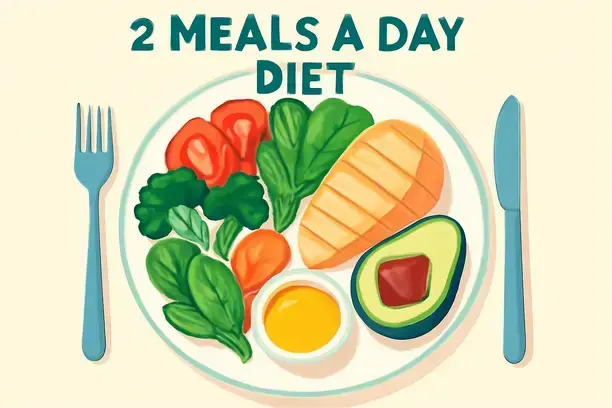
2 meals a day diet plan is a simple, sustainable approach for those who want to lose weight without endless calorie counting and persistent hunger. By eating just two satisfying meals daily, you can better control cravings and streamline your schedule while still nourishing your body.
Disclosure: This article contains affiliate links. We may earn a commission at no extra cost to you.
The 2 meals a day diet plan—often called “2MAD”—is exactly what it sounds like: you eat all your daily calories in just two main meals. No snacking or grazing throughout the day. Instead, you eat within two set windows, like late morning and early evening, or midday and dinner. This naturally creates longer fasting periods that can help regulate your appetite and support better metabolic balance.
Most people aim for a 6–10 hour eating window, which means fasting for 14–18 hours each day. You’ll pick meal times that fit your natural rhythm—maybe brunch and lunch, or lunch and dinner. For instance, you might skip breakfast, have a solid meal at noon, then eat again around 7 p.m. Between meals, stick to water, tea, or black coffee.
There are two popular ways to structure your 2MAD schedule:
Your choice really depends on your lifestyle, work schedule, and when your body naturally signals hunger. Fewer meals often means fewer cravings—especially when each meal is balanced and filling. If you’re tired of constant snacking or endless calorie tracking, 2MAD’s simplicity might feel like a breath of fresh air.
Compared to the standard three-meal-a-day routine, 2MAD usually leads to a slight natural drop in calories just by reducing eating opportunities. Many folks report less mindless snacking and fewer late-night cravings, which can sharpen appetite signals and help stabilize blood sugar.
Versus intermittent fasting approaches like 16:8—where you fit 2–3 meals into an 8-hour window—2MAD has a shorter window and fewer meals overall. More extreme protocols, like alternate-day fasting, involve full 24-hour fasts and can be tougher on your metabolism Source: National Institutes of Health.
2MAD delivers similar intermittent fasting perks—better insulin sensitivity, modest weight loss, easier alignment with your body’s natural clock—without the complexity of longer fasts or strict calorie math. For gradual weight loss and a steady daily routine, it’s often easier to stick with long-term.
For weight loss comparisons, structured plans like a one-month weight loss diet or a balanced vegan weight loss plan might also suit your goals.
Research on intermittent fasting and reduced meal frequency shows moderate weight loss, improved blood sugar control, and less appetite for some people. That said, there aren’t many long-term trials focused solely on 2MAD. Still, related studies suggest potential metabolic benefits and solid weight management support Source: Nutrients Journal.
Results vary widely. Older adults, people with metabolic disorders, or those who train intensely may respond quite differently. Sleep quality, hormone levels, and stress all play a role. We definitely need more research on 2MAD’s long-term effects and real-world sustainability.
If you want a step-by-step plan to control cravings and lose weight quickly, the 14-Day Rapid Soup Diet offers a simple, guided approach. Just remember to check with your doctor before making big changes, especially if you’re managing chronic conditions.
Overall, 2MAD gives you a real alternative to non-stop eating or strict calorie tracking. It adds routine, potential circadian alignment, and way less decision fatigue. If you’d like recipes and structure for your two-meal days, the 14-Day Rapid Soup Diet can help you get started with less guesswork.
The 2 meals a day diet plan is appealing for its simplicity, but it’s definitely not right for everyone. Certain groups face higher risks and should proceed cautiously—or avoid it altogether.
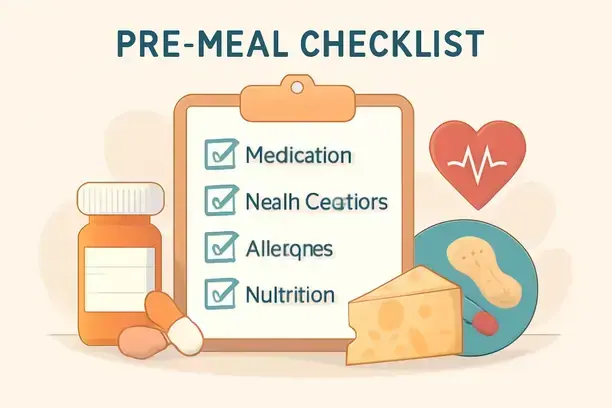
Bring your medication list and any recent lab results to your clinician for a safer, more personalized plan. Customizing your meal frequency and content is always smarter than following a generic template.
If you have any high-risk factors—or notice unintended weight loss, persistent fatigue, brain fog, digestive issues, or a history of fainting or low blood pressure—get professional advice before or during 2MAD.
Prioritize safety over speed. Sometimes a gradual transition, structured meal timing, nutrient-dense snacks, or supervised dieting is the healthier route.
If any of these pop up, return to a more conventional meal schedule and consult your healthcare provider right away.
For a safe, low-stress weight loss option—especially if you’re busy or over 40—the 14-Day Rapid Soup Diet offers guided recipes and a straightforward system. Still, always discuss any new diet with your healthcare provider first.
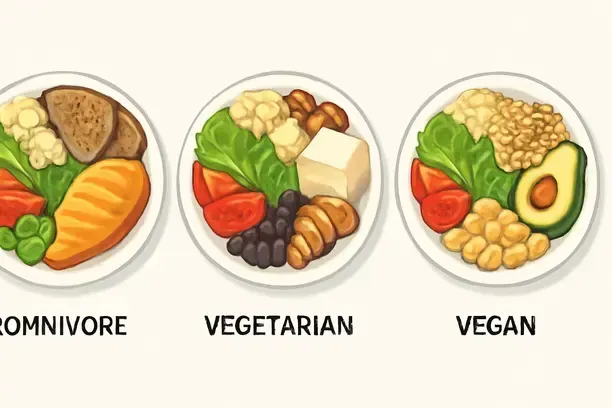
Planning just two meals a day means packing serious nutrition into fewer eating opportunities. Whether you’re an omnivore, vegetarian, or vegan, each meal should be filling and nutrient-dense—think plenty of protein, fiber, healthy fats, and colorful vegetables. With longer fasting stretches, quality and satiety matter even more.
For more plant-based meal ideas, check out our vegan diet plan breakdown or 7-day vegetarian Indian meal plan.
Need more inspiration? Check out our healthy home recipes or browse our nutrient-dense foods for weight loss.
For convenience and appetite control, the done-for-you 14-Day Rapid Soup Diet provides flavorful, easy bowls that fit right into your two-meal routine.
When you’re doing the 2 meals a day diet and staying active, meal timing really matters. Your eating schedule should match your workout type—whether that’s strength, endurance, or a mix—and how hard you’re pushing. Many people place one meal 1–3 hours before exercise and the other within 1–2 hours after, supporting muscle repair, performance, and steady blood sugar.
If you train first thing in the morning, eat right after your workout. For afternoon or evening sessions, finish your first meal 2–3 hours before you start for best energy and digestion. Focus your post-workout meal on quality protein and complex carbs to speed recovery.
On rest or light days, two meals are usually plenty. If you’re training hard, watch for fatigue and add snacks as needed. For more tips, see our diet and exercise balance guide.
Ramping up training volume may cause initial fatigue with 2MAD, but your body usually adapts. Over time, you’ll burn fat more efficiently and keep energy steady Source: Nutrition Reviews.
New to 2MAD? Expect mild dips in energy or performance during week one. Muscle glycogen may run lower, especially during intense or long workouts. Stay hydrated and keep up with electrolytes as you adjust.
With time, many people adapt to burning fat efficiently. If you’re focused on strength gains or muscle growth, you might need to tweak your meals a bit. Persistent low energy or poor recovery? A sports dietitian can help you fine-tune your plan Source: Academy of Nutrition and Dietetics.
On high-intensity or double training days, two meals might not cut it. Targeted snacks with quick carbs and protein around workouts can prevent energy crashes or slow recovery.
On lighter days, stick to two main meals for full metabolic benefits. If hunger strikes, try water or a small portion of fiber-rich veggies before adding extra calories. For snack ideas, see our muscle gain snack guide.
Success with 2MAD for active folks comes down to syncing meals with workouts and goals. Most people thrive with post-training meals and plenty of protein. Add snacks or adjust meal windows on tough days. If you hit a plateau or feel unexplained fatigue, a sports nutrition expert can help you troubleshoot.
If you want a metabolism-friendly, easy start, the 14-Day Rapid Soup Diet is designed for fast fat loss and workout support. You’ll get recipes, videos, and expert tips for better recovery and craving control.
Curious what is the primal diet? Discover how eating like your ancient ancestors—with a side of cheese—might energize you (and your next caveman impression).
Curious about the zero starch diet? Learn what you can actually eat, how to avoid salad boredom, and why potatoes are definitely not invited to this party.
A beginner swim workout turns splashing around into smart, safe exercise—even if your best stroke is “try not to panic.” Learn to swim with confidence (and laughs).