Tips
What Is the Primal Diet? Why Your Inner Caveman Might Need a Salad
Curious what is the primal diet? Discover how eating like your ancient ancestors—with a side of cheese—might energize you (and your next caveman impression).
Real-Life Fitness for Real People
Since 2024
Curious if a 14 day cleanse gives you superpowers? Not quite—but you might lose water weight, curb cravings, and impress your veggies. See how science stacks up.
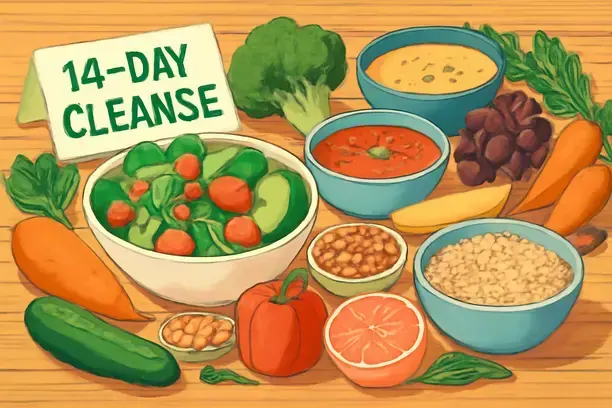
14 day cleanse plans promise a quick reset and more energy, but in reality, they give your body a structured break from processed foods and sugar, helping you feel lighter due to water loss and improved digestion—not magic detoxification or fat burning.
Disclosure: This article contains affiliate links. We may earn a commission at no extra cost to you.
A 14-day cleanse mainly gives you a structured break from highly processed foods, alcohol, and excess sugar, letting your digestive system catch its breath. It won’t magically speed up your body’s natural detox processes—those are already humming along 24/7 thanks to your liver and kidneys.
Your liver and kidneys are the real MVPs here, working around the clock to break down waste and filter your bloodstream. This internal cleaning crew runs constantly, especially when you’re well-hydrated and eating decently. Research shows that short-term cleanses don’t actually “reset” or speed up this natural detox process Source: NHS UK.
What you’re really doing is giving your metabolism a break from the compounds in processed foods—things like preservatives and excess saturated fats. That can temporarily lighten the load on your system. But there’s no solid proof that a typical 14-day cleanse actually flushes toxins or pollutants any faster Source: Harvard Health.
Many people notice changes in their bathroom habits during a cleanse, especially with higher water intake and more fiber. You’re likely to see more frequent or softer stools—thanks to hydration and fiber, not “toxin flushing.”
Some benefits from a well-designed short cleanse are backed by evidence:
Claims that a 14-day cleanse dramatically accelerates fat loss or “detoxifies” your immune system? Those lack solid scientific backing. Weight lost during the cleanse often creeps back without lasting lifestyle changes.
Your body’s already equipped to handle detoxification, leaning on hydration, sleep, and balanced nutrition. A cleanse might help you reset habits and tame cravings temporarily, but the metabolic effects are modest. Real, lasting health benefits depend on sticking with better diet and lifestyle choices.
If you’re looking for a guided, low-prep way to try a structured cleanse, the 14-Day Rapid Soup Diet offers step-by-step recipes and meal plans—no guesswork required. It’s practical if you value simplicity and support.
For sustained success, pair your cleanse with nutrient-dense whole foods and a solid understanding of calorie balance. Our articles on whole foods for weight loss and how calorie deficits work can help you maintain results long after the cleanse ends.
Not everyone should jump into a 14-day cleanse—especially people with certain health conditions or life stages that raise the stakes. Herbal laxatives you’ll find in many cleanses, like senna and aloe, can cause dehydration and electrolyte imbalances, amplifying side effects or complications.
Herbal laxatives like senna, cascara, and aloe vera latex are common but carry risks when used long-term or in high doses:
If you want a cleanse that skips harsh laxatives and focuses on real food, the 14-Day Rapid Soup Diet is designed for short-term use with clear, transparent protocols.
Typical cleanse kits mix several ingredient types, each targeting different parts of digestion or detoxification. Understanding these helps you spot potential benefits and hazards.
Herbs like senna, cascara sagrada, aloe vera latex, and buckthorn stimulate bowel movements by irritating the colon or triggering muscle contractions. They’re effective short-term for constipation but can cause dehydration or lasting gut issues if overused Mayo Clinic.
Soluble and insoluble fibers like psyllium husk or flaxseed soften stools, keep you feeling full, and support gut health. Just watch out—ramping up fiber too fast can cause bloating, so ease into it NCBI.
Herbs like milk thistle, dandelion root, and burdock root are traditionally used to support liver function or bile secretion. Milk thistle has some clinical backing for liver protection in certain illnesses, but “detox” claims in healthy adults remain unproven Mount Sinai.
Ingredients like uva ursi, parsley, or juniper increase urine production but mostly shed water weight, not fat. Overusing diuretics can strain your kidneys and lead to dehydration WebMD.
Some cleanses add vitamins or antioxidants like vitamin C and turmeric extract to supplement restrictive diets. Their benefit is modest unless you’re addressing a specific deficiency, and you’ll still need to watch for interactions with medications.
For a cleanse that prioritizes balanced nutrition and skips harsh stimulants, the 14-Day Rapid Soup Diet offers a food-based, gentle approach.
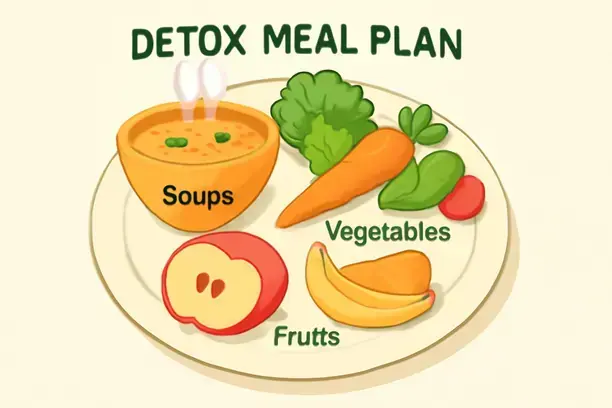
A practical 14-day cleanse needs a clear food plan that balances nutrition, satisfaction, and ease of prep. Below are sample menus tailored to different dietary preferences, plus calorie and macronutrient guidance.
Caloric needs usually range from 1200–1800 calories daily for women and 1500–2100 for men, adjusted by activity level. Target macronutrient distribution:
For instance, a 1600-calorie day with 30% protein, 40% carbs, and 30% fat breaks down to about 120g protein, 160g carbohydrates, and 53g fat. Tracking macros and portions helps you stay consistent—see our macro tracking for beginners guide.
On high-activity days, bump up your vegetable servings, fruit, or whole grains. On low-activity days, dial back carbs slightly and focus on fats. The goal is steady energy, not drastic calorie cuts.
If you want a cleanse plan that’s already mapped out for you, the 14-Day Rapid Soup Diet gives you daily menus and recipes—no calorie counting or meal planning required.
Once your cleanse wraps up, don’t jump straight back into heavy or processed foods. Instead, ease in with whole, simple foods like steamed vegetables, lean proteins, and plain grains—one group at a time. This gentle approach helps your digestion adjust and lets you figure out which foods agree with you Source: Cedars-Sinai.
Keep hydration up and limit processed items for at least a week to support your gut microbiome’s adjustment and lock in the cleanse benefits.
Focus on keeping up one or two positive routines you built during your cleanse—like daily soup, meal prepping, or having ready-to-eat vegetables on hand. Regularly incorporating these habits into your routine can help you sustain progress.
Discover simple and nourishing recipes in our healthy homemade meals guide to keep meal planning enjoyable and consistent.
Expect initial weight loss to reflect water and reduced gut content rather than fat loss alone. Long-term fat loss and health improvements require sustained lifestyle changes beyond the two-week cleanse Source: Healthline.
Plateaus or slight weight regain are common and normal. View your cleanse as a kickstart to healthier habits, not a magic fix that lasts forever without effort.
Many people report reduced bloating and fewer cravings during a 14 day cleanse, largely due to increased hydration, higher fiber intake, and the temporary elimination of processed foods. These effects can make you feel lighter and help you break cycles of unhealthy snacking.
Light to moderate exercise is usually safe during a food-based cleanse, but intense workouts may be harder if calorie intake is lower than usual. Listen to your body, and focus on walking, stretching, or gentle routines, especially if you feel less energetic during the cleanse.
Any weight regained after a cleanse typically reflects a return of normal hydration and digestive contents, not fat gain. Maintaining some of the healthy habits you started—like balanced meals and regular movement—can help prevent rapid rebound weight.
Curious what is the primal diet? Discover how eating like your ancient ancestors—with a side of cheese—might energize you (and your next caveman impression).
Curious about the zero starch diet? Learn what you can actually eat, how to avoid salad boredom, and why potatoes are definitely not invited to this party.
A beginner swim workout turns splashing around into smart, safe exercise—even if your best stroke is “try not to panic.” Learn to swim with confidence (and laughs).