Tips
What Is the Primal Diet? Why Your Inner Caveman Might Need a Salad
Curious what is the primal diet? Discover how eating like your ancient ancestors—with a side of cheese—might energize you (and your next caveman impression).
Real-Life Fitness for Real People
Since 2024
Ready for a diet plan for menopause weight loss that actually fits real life (yes, even when cheese calls at midnight)? See science-backed tips that won’t bore you.
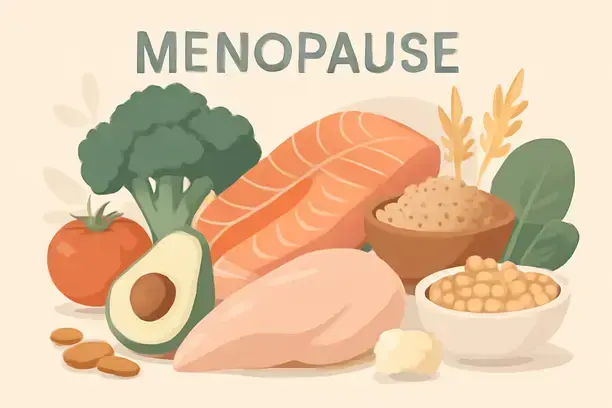
Diet plan for menopause weight loss is essential because hormonal changes often make old tricks fail, but you can still achieve results with sensible, sustainable strategies tailored for real life.
Disclosure: This article contains affiliate links. We may earn a commission at no extra cost to you.
Several diets have been studied for managing weight during menopause, each with distinct evidence and real-world suitability. The Mediterranean diet stands out for its balanced, whole-food approach and broad health benefits. You’ll see modest, sustained weight loss—typically 2–4 kg over 6–12 months—without obsessive calorie counting. It emphasizes vegetables, legumes, whole grains, olive oil, fish, and nuts, delivering cardiovascular and metabolic improvements along the way. This eating pattern has a strong safety profile and works well for long-term adoption.
Higher-protein and low-carb diets, including keto variations, may deliver faster fat loss—around 4–7 kg within 3–6 months—especially around your midsection. However, those benefits often level off over time, and sticking with the plan becomes the real challenge. Some women find themselves battling fatigue or cholesterol changes on very-low-carb regimens, particularly without medical oversight.
Commercial programs like WW (Weight Watchers) and Noom haven’t been as extensively studied in menopausal women specifically, but they generally produce 3–7% weight loss over 3–12 months. Their success often hinges on continued support and coaching. Highly restrictive or single-food diets tend to hit early plateaus, with weight creeping back once you stop following the rules.
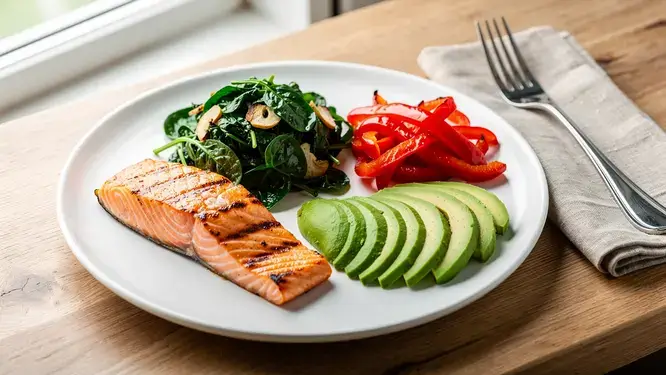
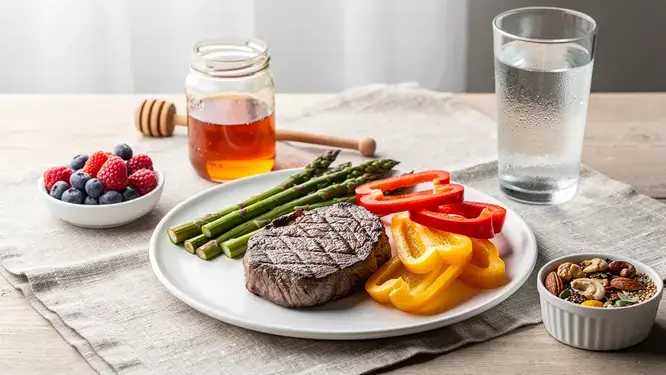
Choose whole-food-based frameworks like Mediterranean, higher-protein, plant-rich, or low-carb approaches where they make sense for you. Ensure you’re getting leafy greens, healthy fats like olive oil and avocado, lean proteins, and key minerals such as magnesium and potassium.
Set realistic, sustainable goals—think 0.5–1 kg per week rather than rapid drops. Listen to your body; if you’re exhausted, constipated, or feeling overly restricted, adjust your plan. Incorporate support systems—whether that’s a dietitian, health coach, or peer group—to keep you on track.
For ease and structure, digital meal plans like the 14-Day Rapid Soup Detox offer simplified low-carb strategies with minimal calorie counting and practical meal prep.
Most menopause diet studies last between 3 and 12 months, with limited head-to-head comparisons of modern branded meal programs. Industry funding in many keto and commercial diet trials means you should interpret the findings with a healthy dose of skepticism. Research is still clarifying optimal macronutrient mixes for hormone balance and weight maintenance in midlife.
Ultimately, a menopause weight loss diet must balance scientific evidence, personal enjoyment, and your unique biology—with steady progress mattering more than speed.
Because menopausal bodies and lifestyles differ so much, you’ll need a tailored plan for effective weight management. Hormonal shifts during menopause often slow your metabolism and change your energy needs, making personalized nutrition adjustments essential.

Most midlife women need between 1,600 and 2,200 calories daily, depending on activity level, muscle mass, and health conditions. Tools like the NIH Body Weight Planner help you plug in your age, height, weight, and goals to set a realistic starting point.
Macro distributions depend on your preferences and needs, but a menopause-friendly framework typically includes:
You can calculate grams by multiplying your calorie targets by these percentages, then dividing by 4 for protein and carbs or 9 for fats. Detailed guidance is available in macro-focused fat loss resources.
Your dietary preferences and traditions matter. Mediterranean-style eating patterns work broadly, but you can adapt them to Indian, plant-based, or budget-friendly diets. Swap white rice for quinoa or barley, and use heart-healthy oils instead of butter.
Track your progress over several weeks, noting weight loss pace, energy levels, and muscle strength. If you’re exhausted or hitting a plateau, tweak your calories and macros accordingly. Bump up protein if you’re noticing muscle loss.
Women with diabetes, kidney disease, or eating disorder history should seek individualized guidance from registered dietitians and consult their healthcare providers before changing diets.
For a convenient macro-friendly jumpstart, consider structured digital plans like the Rapid Soup Detox 14-Day System, which simplifies meal prep and portion control.
Remember, success comes from individual adjustments and flexibility—not rigid formulas.
Menopause accelerates bone density loss and muscle decline thanks to dropping estrogen. Keeping your bones strong and your muscles lean takes targeted nutrition and regular resistance exercise.
Magnesium, potassium, and vitamin K-rich foods further support your skeleton and muscle function. Mediterranean-style eating naturally delivers these nutrients.
Consider calcium and vitamin D supplements if your diet falls short, blood tests confirm deficiency, or you’ve been diagnosed with osteoporosis. Always consult your healthcare provider first to avoid risks from taking too much.
Strength train at least twice weekly to counteract muscle loss and strengthen bones. If you’re new to this, start with simple moves: bodyweight squats, wall push-ups, resistance-band rows, sit-to-stand from chairs, and heel raises.
Gradually increase sets, reps, or resistance as you get stronger. Focus on proper form and avoid pain. Give yourself rest days between sessions so your muscles can recover. Regular resistance work improves calorie burning, weight control, and fall prevention.
Consult healthcare professionals if you’re experiencing unexplained bone loss, fractures, persistent fatigue, or trouble maintaining weight and muscle despite your best efforts. Registered dietitians, physical therapists, and physicians can tailor plans and interpret diagnostic tests.
For convenient, nutrient-dense meal options that support this approach, consider the 14-Day Rapid Soup Diet, designed to boost protein and mineral intake through easy recipes tailored for menopausal needs.
Even small, consistent changes to your meals and movement can help you stay strong and energized through menopause.
Weight loss during menopause may be supported by medications like hormone replacement therapy (HRT) and GLP‑1 receptor agonists, but using them safely requires individual assessment and medical supervision.
HRT eases menopausal symptoms like hot flashes and bone loss, and may modestly reduce belly fat. It’s considered safe for many healthy women under 60 or within a decade of menopause onset.
That said, HRT carries risks: increased chances of blood clots, stroke, and—with some regimens in older women—slightly elevated breast cancer risk. If you have a history of certain cancers, clotting disorders, uncontrolled blood pressure, or heart disease, your doctor will typically advise against it. The choice of HRT form—patches, pills, gels—depends on your personal and family medical history.
GLP‑1 agonists like semaglutide and liraglutide slow gastric emptying and reduce appetite, and they’re increasingly prescribed for weight loss in menopausal women. When paired with healthy eating, they can facilitate sustained weight reduction.
Common side effects include nausea, constipation, and diarrhea. Rare but serious issues include pancreatitis, gallbladder disease, and potential thyroid tumors. These drugs aren’t recommended if you have certain thyroid cancers or severe gastrointestinal conditions.
These medications can affect your blood pressure, blood sugar, and hydration, so ongoing monitoring is important. If persistent side effects show up, don’t wait—get them checked out.
Medications can enhance weight and symptom management when you pair them with solid nutrition and exercise. Still, food-focused strategies remain the foundation. Structured, easy-to-follow meal plans like the 14-Day Rapid Soup Diet offer a gentle reset for busy midlife women.
Always prioritize personalized, medically supervised approaches over quick-fix solutions for safe, lasting progress.
Hormonal swings during menopause can amplify emotional eating, making weight management tougher. Keeping a food-and-mood journal can help you spot stress-driven or boredom-fueled eating patterns.
When cravings hit, pause and ask yourself whether you’re genuinely hungry or reacting to stress or fatigue. Delaying your decision by 10 minutes often takes the edge off impulsive snacking. These small interventions build mindful awareness and can significantly cut down on unplanned eating.
Mindful eating means tuning into flavors, textures, and fullness cues instead of obsessing over calories. Take slow, deliberate bites and pause between them—it helps prevent overeating. Midlife often brings body image struggles; practicing self-compassion and connecting with peers who share your menopause journey can ease distress and build confidence.
If emotional eating persists despite your best self-help efforts, reach out for help. Registered dietitians experienced in midlife health, therapists trained in CBT for eating behaviors, or health coaches can make a real difference. Mental health counseling may be essential if you’re feeling persistent sadness or losing control around food.
Peer groups, online menopause forums, or workout accountability partners offer valuable motivation and real-world strategies for sticking with healthy habits.
Programs like the 14-Day Rapid Soup Diet use soup-based meals to boost fullness and help control cravings, supporting emotional eating management alongside weight loss.
Staying consistent with new habits gets easier when you have the right tools and support—even if you’ve struggled before.
Creating a menopause-friendly seven-day meal plan means balancing nutrition science, medical needs, and cultural food practices. This adaptable framework offers flexible templates you can tweak across diverse culinary traditions and dietary requirements.
Swap quinoa for millet or brown rice. Replace animal proteins with chickpeas if you’re vegetarian. Add fermented sides like kimchi or sauerkraut to support gut health. If you fast for religious or personal reasons, adjust meal timing to fit your schedule.
For structured, nutrient-dense meals that take the guesswork out of planning, explore the 14-Day Rapid Soup Diet, which offers easy, culturally adaptable recipes designed for menopausal needs.
You’ve got plenty of room to personalize this framework—so start where it feels natural and adjust from there.
Protein is particularly important during menopause as it helps you preserve muscle mass, keeps you feeling full, and supports a healthy metabolism. Aim for a source of protein at every meal to support your weight loss and overall health goals.
Yes, you can include carbohydrates in your diet as long as you focus on fiber-rich, minimally processed sources such as vegetables, legumes, fruit, and whole grains. These support stable energy levels and overall well-being without causing blood sugar spikes.
If your weight loss plateaus, reassess your caloric intake, exercise routine, and sleep quality. Adjust your plan gradually, incorporate strength training, and seek support from peers or professionals to stay encouraged and on track.
Curious what is the primal diet? Discover how eating like your ancient ancestors—with a side of cheese—might energize you (and your next caveman impression).
Curious about the zero starch diet? Learn what you can actually eat, how to avoid salad boredom, and why potatoes are definitely not invited to this party.
A beginner swim workout turns splashing around into smart, safe exercise—even if your best stroke is “try not to panic.” Learn to swim with confidence (and laughs).