Tips
What Is the Primal Diet? Why Your Inner Caveman Might Need a Salad
Curious what is the primal diet? Discover how eating like your ancient ancestors—with a side of cheese—might energize you (and your next caveman impression).
Real-Life Fitness for Real People
Since 2024
I remember sitting with my cousin last summer as she scrolled through social media, her voice trembling. “I just want to feel good in my own skin,” she said. Like many teens, she’d tried quick fixes that left her frustrated. That’s when I realized how crucial it is to find structured, compassionate guidance for lasting …
I remember sitting with my cousin last summer as she scrolled through social media, her voice trembling. “I just want to feel good in my own skin,” she said. Like many teens, she’d tried quick fixes that left her frustrated. That’s when I realized how crucial it is to find structured, compassionate guidance for lasting change—not just for her, but for anyone navigating this journey.
That’s exactly where teenage weight loss programs come in. Virtual support groups, like the seven-week initiative from Children’s Health℠, offer a blueprint for success. These programs pair weekly check-ins with dietitians and group discussions to build accountability. Imagine setting realistic goals with experts while connecting with peers who truly understand the challenges—it’s about progress, not perfection.
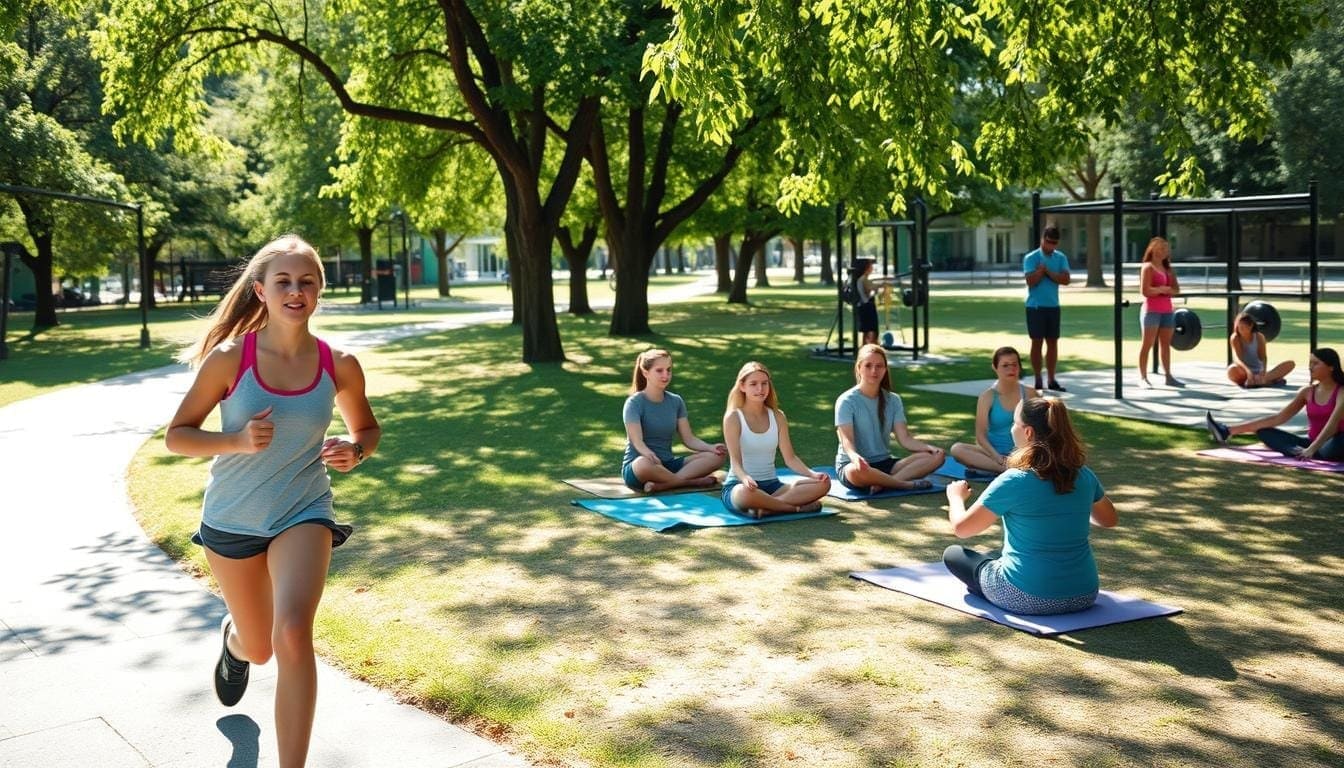
What makes these approaches work? They blend practical nutrition advice with fun physical activities, like team sports or dance workouts. Families also play a key role. When everyone chips in—whether cooking meals together or cheering during a morning walk—it creates a ripple effect of healthier habits.
My goal here is simple: to share strategies that prioritize health over numbers on a scale. Let’s explore how small, intentional steps can lead to big wins—for both body and confidence.
Last month, a friend’s 14-year-old nervously asked me, “Why does everything feel harder now?” Her question stuck with me. Today’s youth navigate a maze of health risks—from shifting body chemistry to crushing social expectations.
Nearly 1 in 5 U.S. adolescents meet the criteria for obesity, according to CDC data. High BMI levels often lead to sleep apnea or joint pain—issues I’ve seen derail school performance and social lives. Early intervention matters. Structured programs help families make gradual changes, like swapping sugary drinks for infused water or adding evening walks.
“BMI isn’t the whole story, but it’s a starting point for conversations about metabolic health,”
— Pediatrician Dr. Lisa Nguyen
Body image struggles hit hardest during growth spurts. I’ve watched bright kids withdraw after cruel comments about their size. One study found 60% of teens with obesity face bullying weekly. That’s why effective plans blend nutrition advice with confidence-building activities—think cooking classes or martial arts.
| Physical Challenges | Emotional Challenges |
|---|---|
| High blood pressure | Social anxiety |
| Joint discomfort | Negative self-talk |
| Fatigue during activity | Fear of judgment |
Doctors stress that small changes create big wins. Lasting progress happens when caregivers and children work together—tracking progress without shame, celebrating non-scale victories like better sleep or sharper focus.
Last spring, I watched a group of high schoolers light up during a cooking demo led by a dietitian. Their excitement wasn’t about restrictive rules—it was about building skills that last. Effective health initiatives thrive when they combine science-backed methods with genuine human connection.
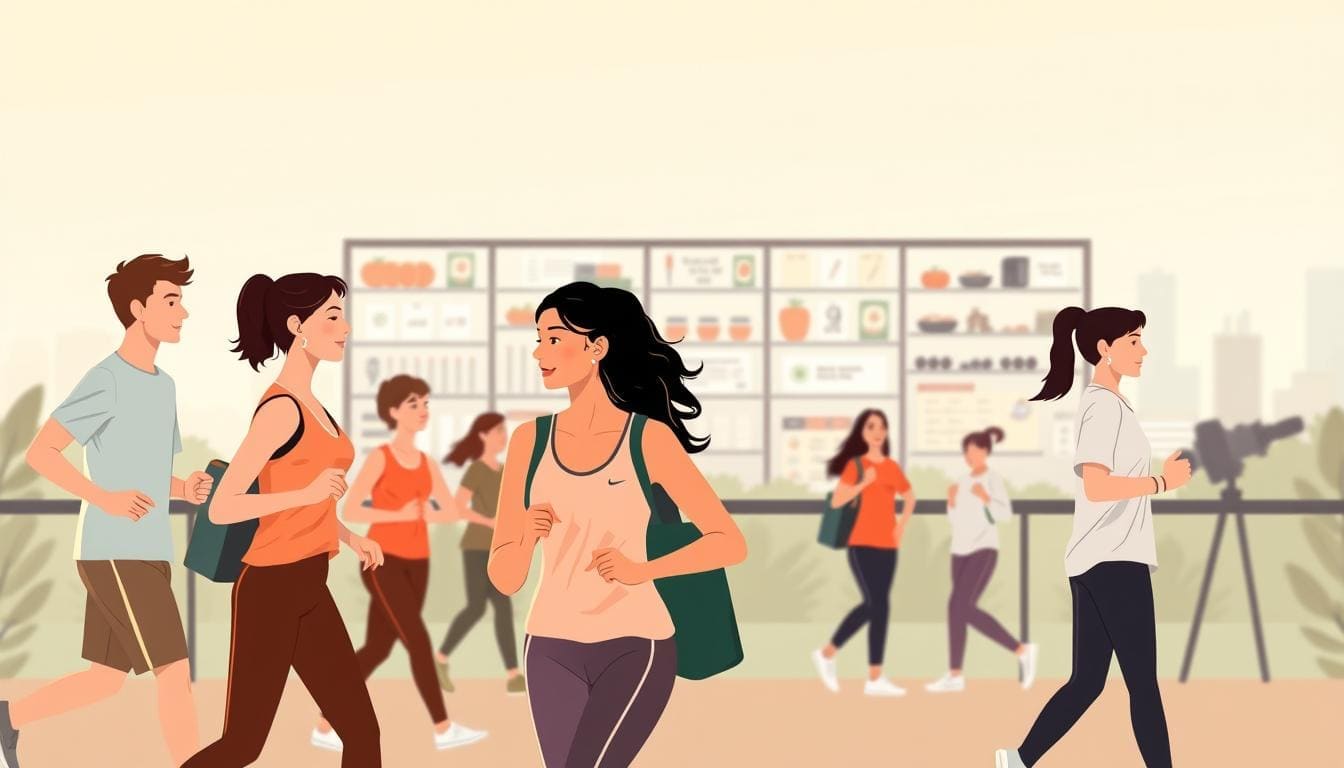
Every successful plan starts with clear targets. Participants set weekly nutrition and movement goals, like adding two veggie-packed meals or logging 150 minutes of exercise. Structured check-ins keep everyone accountable without feeling overwhelming.
Registered dietitians break down complex topics into bite-sized wins. One shared with me: “We focus on adding nutrients, not subtracting joy.” Sessions often include hands-on activities—think portion-sizing games or stress-relief breathing exercises—to make learning stick.
Hybrid models offer flexibility while maintaining personal touch. Virtual meetings save time for busy families, while in-person workshops build camaraderie. I’ve seen teens swap smoothie recipes online, then high-five at weekend fitness events.
Tracking progress matters. Apps that log physical activity minutes or water intake turn abstract goals into visible wins. When a 14-year-old told me, “I finally get why protein keeps me full,” it showed how blended learning sparks real change.
At a neighborhood picnic last week, I watched parents and kids toss a frisbee while sharing veggie skewers. That scene captures what experts mean by “team effort” health strategies. When everyone contributes, lasting change becomes possible—not just for one person, but for the whole household.

Research shows families who tackle wellness together see 73% better adherence to healthy routines. The American Academy of Pediatrics backs this approach, noting that shared grocery trips or weekend bike rides build natural accountability. One mom told me, “We turned salad prep into a game—now my kids beg for kale!”
Small shifts make big differences. Try these:
Adults set the tone. When parents choose grilled chicken over drive-thru meals, kids notice. A recent study found teens mirror 76% of their guardians’ food choices. It’s not about perfection—it’s about showing up consistently.
| Effective Approaches | Less Helpful Tactics |
|---|---|
| Prepping snacks together | Labeling foods as “good” or “bad” |
| Celebrating energy gains | Focusing only on scale numbers |
In rare cases where lifestyle changes aren’t enough, professionals might discuss surgical options. But as one nutritionist reminded me, “Those are last-resort tools—building daily care habits comes first.”
What sticks with me? Families who’ve transformed their kitchens into teamwork zones. Over years, those shared efforts become second nature—proof that collective care outshines solo struggles every time.
Last Tuesday, I watched a dad and his son debate snack choices in the cereal aisle—their cart slowly filling with apples instead of chips. Moments like these show how small shifts create lasting patterns. Building healthier routines starts with practical strategies that fit real life.
Stocking your kitchen for success doesn’t require magic—just intentional swaps. Keep washed grapes or carrot sticks at eye level for grab-and-go ease. One mom told me, “We call them ‘energy bites’ now—the name alone makes kids reach for them!”
Try these tested approaches:
| Better Snack Choices | Why They Work |
|---|---|
| Greek yogurt + berries | Balances protein and natural sugars |
| Almonds + dark chocolate | Satisfies cravings smartly |
| Whole-grain toast + avocado | Provides lasting energy |
Exercise shouldn’t feel like punishment. A local PE coach shared, “Teens stick with activities they enjoy—dance-offs count as much as dumbbells!” Start with 15-minute walks after dinner or weekend basketball games.
I’ve seen families transform their routines by:
Remember—progress beats perfection. When a teen told me, “I finally stopped feeling out of breath during recess,” it proved that consistent effort creates real change. What matters isn’t speed, but direction.
During a recent workshop, a 16-year-old pulled me aside and whispered, “I tried doing this alone—it didn’t work.” Her honesty underscores why expert partnerships matter. Navigating health changes requires more than willpower—it demands tailored strategies backed by science and compassion.
Doctors and dietitians create roadmaps that fit individual needs. A pediatrician might adjust meal plans for growth spurts, while a dietitian could design snack strategies around school schedules. One size never fits all, especially when balancing metabolism with mental well-being.
Here’s how professionals make a difference:
“Our role isn’t to dictate rules—it’s to equip families with tools that fit their reality.”
— Dr. Maya Torres, Adolescent Health Specialist
Regular check-ins turn guesses into progress. When my cousin’s care team noticed her iron levels dropping, they quickly added spinach smoothies to her plan. That’s the power of responsive treatment—catching hurdles before they derail momentum.
Clinicians also tackle the emotional side. They’ll celebrate when someone masters portion control or sticks to a sleep schedule. These wins build confidence that scales can’t measure. For me, seeing experts blend medical insight with genuine care makes the journey feel less lonely—and more achievable.
Last weekend, a mother at our local farmers’ market shared how her daughter’s energy improved after swapping soda for homemade fruit spritzers. Her story reminded me that lasting health shifts start with small, intentional choices—not drastic overhauls. While no single treatment fits all, blending expert guidance with family teamwork creates the strongest foundation for success.
Balanced nutrition and enjoyable exercise remain central to managing health markers like blood pressure over time. I’ve seen families thrive when they focus on progress—not perfection—celebrating better sleep or newfound stamina as wins. Remember, what works for one body might need tweaking for another, which is why personalized care matters.
Parents play a key role by modeling positive behaviors and keeping communication open. Regular check-ins with clinicians help refine strategies as needs change. Have questions? Ask them! Professionals love explaining how food choices impact energy or why hydration affects focus.
Every step toward healthier eating habits or consistent movement adds up. Whether it’s choosing grilled veggies at dinner or dancing to favorite songs, these moments build resilience. Here’s to celebrating each victory—big or small—on the journey to lifelong well-being.
Curious what is the primal diet? Discover how eating like your ancient ancestors—with a side of cheese—might energize you (and your next caveman impression).
Curious about the zero starch diet? Learn what you can actually eat, how to avoid salad boredom, and why potatoes are definitely not invited to this party.
A beginner swim workout turns splashing around into smart, safe exercise—even if your best stroke is “try not to panic.” Learn to swim with confidence (and laughs).