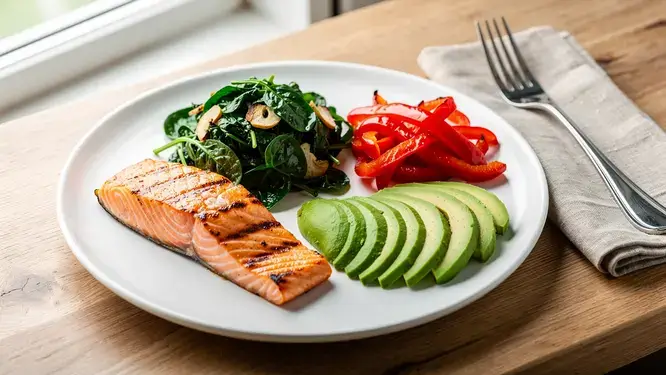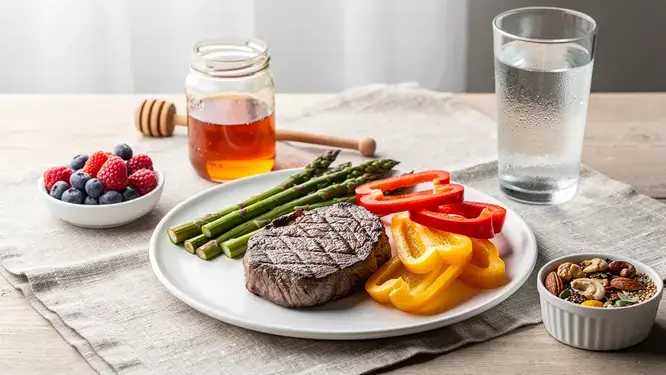
Tips
What Is the Primal Diet? Why Your Inner Caveman Might Need a Salad
Curious what is the primal diet? Discover how eating like your ancient ancestors—with a side of cheese—might energize you (and your next caveman impression).
Real-Life Fitness for Real People
Since 2024
Curious what is GI soft diet? Discover the gentle, medically-approved meal plan that gives your digestive system a break—no jaw workouts or mystery mush required.
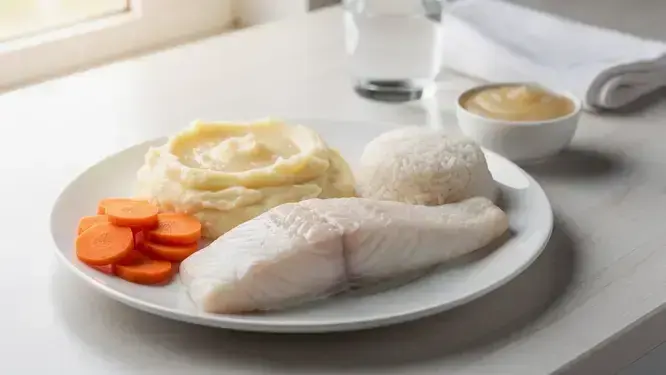
What is GI soft diet? It’s a clinical dietary strategy designed for people whose digestive systems need a break. A GI soft diet focuses on foods that are not only soft in texture but also low in fiber and gentle on the stomach and intestines. Unlike a mechanical soft diet—which modifies food texture for chewing or swallowing—a GI soft diet specifically reduces foods and cooking methods that increase digestive workload, irritation, or unwanted gut movement. It serves to help the digestive tract heal and prevent discomfort.
The core principles are straightforward: well-cooked vegetables without skin or seeds, tender cuts of meat, refined grains, and mild seasonings. High-fiber foods, tough meats, raw vegetables, whole grains, nuts, and anything with a coarse texture are off the table. By cutting back on fiber, fat, and chemical irritants, this diet helps prevent excessive gut contractions and supports healing — making it a targeted medical intervention rather than a general healthy-eating approach Source: University of Rochester Medical Center.
When a patient also has swallowing difficulties (dysphagia), clinical teams often reference the International Dysphagia Diet Standardisation Initiative (IDDSI). The IDDSI framework provides standardized texture levels — from thin liquids (Level 0) to regular foods (Level 7) — so that both GI softness and swallowing safety can be addressed consistently Source: IDDSI — official framework. This distinction underscores why a GI soft diet is always medically supervised and tailored to the individual — it’s a therapeutic tool, not a lifestyle trend.
Building a nutritionally sound GI soft diet means choosing foods that go easy on the digestive tract while steering clear of anything that could irritate or set back your recovery. Knowing what belongs on your plate — and what doesn’t — matters most during the healing phase after GI procedures, flare-ups, or illness.
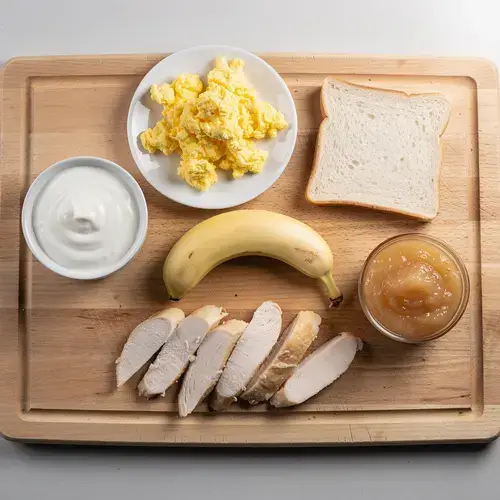
At its core, a soft GI diet consists of foods that are low in fiber, soft in texture, and easy to digest. Think well-cooked refined grains, tender proteins, peeled and cooked fruits and vegetables, and smooth dairy products. The goal is to reduce both mechanical and chemical irritation while still keeping you adequately nourished.
Avoid raw vegetables and salads, fruits with skins or seeds, whole nuts and seeds, fibrous or tough meats, fried or breaded foods, and anything greasy or high in fat. These can be hard to digest and may irritate an already sensitive GI tract.
Every food on the approved list earns its place because of its digestibility and low risk of mechanical irritation. If you’re looking for inspiration, check out these ideas for healthy meals to make at home or these healthy vegetable recipes — many can be easily adapted for a soft diet.
Even recommended foods can cause trouble if introduced too soon. If you experience sharp or persistent abdominal pain, ongoing nausea, vomiting, difficulty swallowing, unresolved bloating, or a return of symptoms like diarrhea or bleeding, stop the triggering food and call your healthcare provider. These signs may mean your GI tract needs more recovery time — or that something more serious is going on (Source: Cleveland Clinic).
A GI soft diet is not a long-term nutrition plan — it’s a bridge to help your gut heal. Work with a registered dietitian or clinical team whenever possible to make sure your food choices are genuinely supporting your recovery. Always adjust based on your own tolerance and progress.
A GI soft diet isn’t something most people choose on their own — it’s a carefully prescribed nutrition plan for people recovering from or managing specific digestive conditions. Its primary purpose is to reduce the physical and chemical burden on a compromised gut, creating a gentler path to nourishment while tissue heals or inflammation settles.
After major abdominal procedures — GI surgery, bariatric surgery, or bowel resection — a soft diet is typically introduced once a patient has moved through clear and full liquids and early healing is underway. The soft consistency minimizes stress on surgical repairs and helps prevent irritation to sensitive tissue, while low fiber content reduces stool volume and gives the gut a much-needed rest. Progression is guided by clinical factors like bowel function, pain level, and oral intake tolerance, not by a fixed schedule Source: Mayo Clinic — Bariatric Diet.
In acute diverticulitis, high-fiber or coarse foods can worsen symptoms in an already inflamed colon. Switching temporarily to a GI soft diet reduces bowel residue and physical stimulation of the affected segments. Once the inflammation clears, fiber is reintroduced gradually — a clear sign that this is a short-term, targeted intervention Source: NIDDK — Diverticulitis Diet.
During an active flare of inflammatory bowel disease (IBD) — whether Crohn’s disease or ulcerative colitis — a GI soft diet can help limit foods that aggravate cramping, diarrhea, or narrowed sections of the bowel. It’s a comfort measure during a flare, not a long-term management tool, and should only be used for days to weeks under professional guidance Crohn’s & Colitis Foundation — Diet and Nutrition.
Other indications include esophageal strictures or varices, recovery from a colostomy, severe gastroenteritis, and preparation for or recovery from colonoscopy. In every case, what a GI soft diet therapy aims to do is minimize mechanical and chemical stress so that gastrointestinal tissues can heal with fewer complications. It’s a medical therapy — not a weight-loss strategy or a DIY long-term eating plan. Individual tolerance always varies, and practitioners adapt the plan accordingly.
Following a GI soft diet well takes more than just cutting out crunchy foods — it requires thoughtful meal planning, the right cooking techniques, and attention to nutrition. For maximum softness, lean on steaming, boiling, braising, and slow cooking. These methods keep vegetables and proteins tender and less likely to cause irritation. Braising or slow-cooking tougher cuts renders them fork-tender, while poaching eggs or fish in water or broth preserves moisture for a gentle texture.
When you need even more softness, don’t hesitate to purée or mash — blended vegetable soups, mashed potatoes, and smooth strained smoothies are all solid, easily tolerated options. For creative GI-friendly ideas, take a look at healthy meals to make at home and recipes built around vegetables — both can be adapted to fit soft diet needs.
Nutritional gaps are a real concern. Since the GI soft diet restricts many fiber-rich and micronutrient-dense foods, deficiencies in vitamin C, magnesium, and B vitamins can develop if the diet stretches too long. To offset this, choose fortified refined cereals, include protein-rich options like eggs, fish, or yogurt at every meal, and rotate through a variety of well-cooked or puréed vegetables. If you’re staying on a soft diet for more than two weeks, talk to your provider about adding a multivitamin or liquid nutritional supplement Source: NHS — Soft Food Diet Basics.
Professional guidance isn’t optional here — it’s essential. Your medical history, medications, and stage of GI recovery all shape what’s safe and appropriate for you. A registered dietitian can assess your specific nutritional needs and recommend evidence-based modifications, while a speech-language pathologist can evaluate swallowing safety if that’s a concern. Generic online food lists are a starting point at best — they’re not a substitute for expert, individualized advice Source: Academy of Nutrition and Dietetics. For anyone still wondering how to personalize a GI soft diet approach, tailored guidance is the clearest path to effective recovery.
Moving from a GI soft diet back to regular foods should never be rushed — and it should always start with explicit medical clearance. Signs that you might be ready include eating without digestive pain or discomfort, having normal and predictable bowel habits over several consecutive days, and full resolution of your original symptoms, such as bleeding or vomiting. Your gastroenterologist or dietitian should confirm these milestones before you make any changes, because reintroducing the wrong foods too soon can mean real setbacks Source: Mayo Clinic.
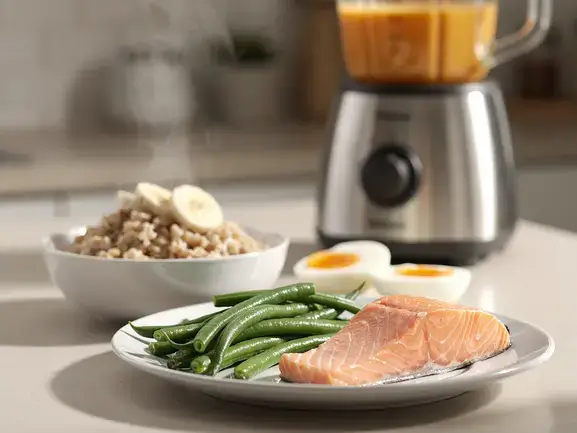
Once you’re cleared, start with foods that are only slightly more fibrous or firm than what’s allowed on a GI soft diet. Introduce one new item at a time — well-cooked peeled vegetables like green beans, canned peaches or pears without skin, tender ground poultry with mild seasoning, or plain seedless bread. Wait a day or two between additions so you can clearly identify any triggers before moving forward.
If those foods go smoothly, gradually add in more fiber. Oatmeal with smooth nut butter, soft-cooked lentils or split peas, skinless baked sweet potato, and ripe bananas are all reasonable next steps. Everyone’s pace is different — some people advance quickly, others need more time. Keeping a simple food diary can help spot patterns and keep your care team updated.
Watch for early warning signs: abdominal cramping, changes in stool frequency or consistency, bloating, or any return of previous GI symptoms. If they appear, step back to your last well-tolerated stage of the GI soft diet for 48 to 72 hours. Severe symptoms — intense pain, vomiting, blood in stool, or fever — mean contacting your healthcare provider right away. Your timeline should be driven by your body’s actual response, not by an arbitrary deadline Source: National Institute of Diabetes and Digestive and Kidney Diseases.
For more guidance on bringing fiber back without discomfort, this resource on how to eat a high-fiber diet without gas is worth a read. Keep the conversation open with your healthcare team — every step forward should be one that supports lasting digestive health.
Curious what is the primal diet? Discover how eating like your ancient ancestors—with a side of cheese—might energize you (and your next caveman impression).
Curious about the zero starch diet? Learn what you can actually eat, how to avoid salad boredom, and why potatoes are definitely not invited to this party.
A beginner swim workout turns splashing around into smart, safe exercise—even if your best stroke is “try not to panic.” Learn to swim with confidence (and laughs).