Tips
What Is the Primal Diet? Why Your Inner Caveman Might Need a Salad
Curious what is the primal diet? Discover how eating like your ancient ancestors—with a side of cheese—might energize you (and your next caveman impression).
Real-Life Fitness for Real People
Since 2024
Imagine sitting under the warm Mediterranean sun, surrounded by fresh vegetables, aromatic herbs, and the gentle sound of waves. This is where the Mediterranean diet comes to life, offering a pathway to healthier living through simple, wholesome foods. This dietary approach focuses on natural, minimally processed ingredients. It’s not just about eating—it’s about embracing a …
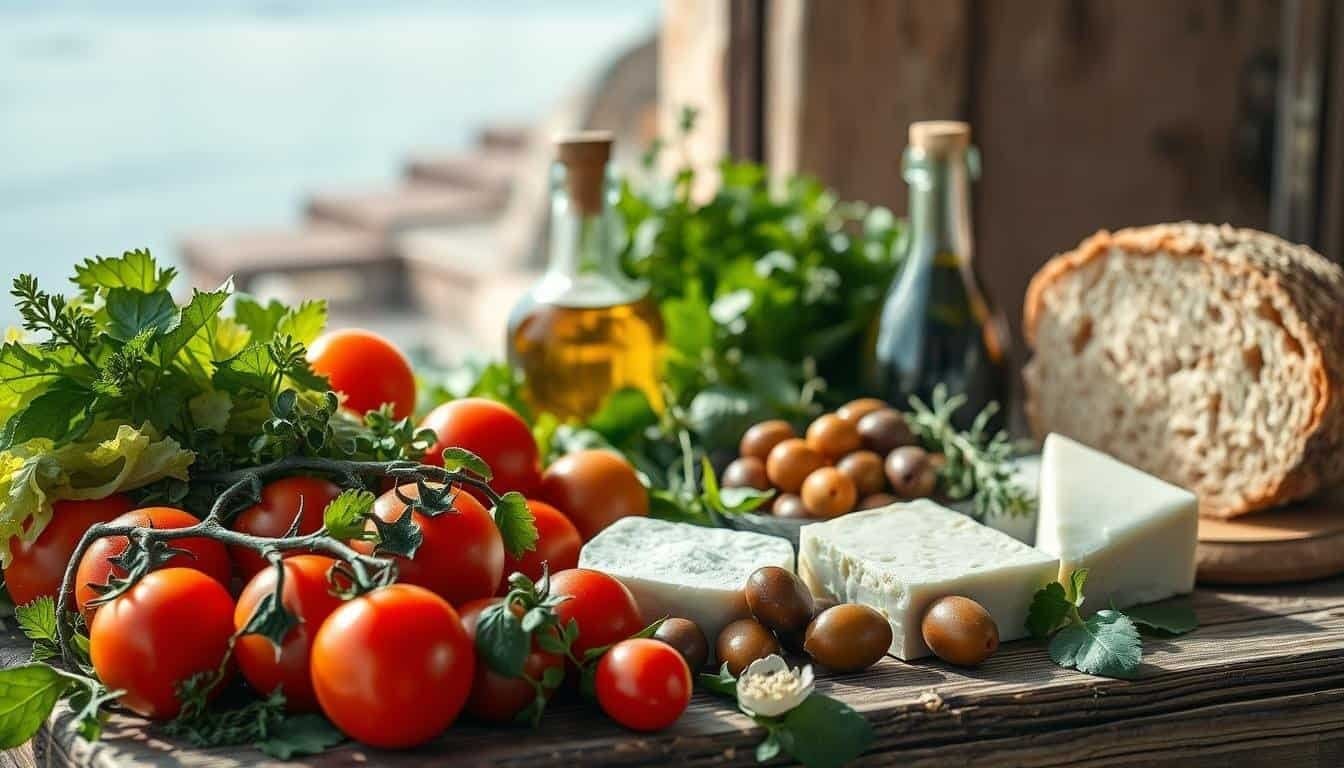
Imagine sitting under the warm Mediterranean sun, surrounded by fresh vegetables, aromatic herbs, and the gentle sound of waves. This is where the Mediterranean diet comes to life, offering a pathway to healthier living through simple, wholesome foods.
This dietary approach focuses on natural, minimally processed ingredients. It’s not just about eating—it’s about embracing a lifestyle that promotes overall well-being. By centering your meals around fruits, vegetables, whole grains, and healthy fats, you can enjoy delicious food while nourishing your body.
At the heart of this diet are ingredients like extra virgin olive oil, fresh vegetables, and an array of whole grains. These components work together to create balanced eating patterns that support heart health and reduce the risk of chronic diseases. If you’re just starting out, a Mediterranean style diet food list can be incredibly helpful, giving you a clear picture of what staples to keep in your kitchen—such as legumes, nuts, herbs, fish, and yogurt.
In this guide, we’ll explore the essential foods, benefits, and practical meal ideas that make the Mediterranean diet so beloved. Whether you’re looking to improve your health or simply want to eat more mindfully, this comprehensive guide will serve as your roadmap to a healthier, more enjoyable way of eating.
Discover how this dietary approach offers more than just meal ideas—it promises a healthier future. By focusing on natural ingredients, it creates a pathway to better well-being.
This eating pattern is renowned for its support of heart health. Studies show it reduces coronary artery disease risk and improves overall cardiovascular well-being. By embracing this approach, you lower your risk of heart disease and promote longevity.
The blend of antioxidants and healthy fats, like olive oil, plays a key role in reducing inflammation. This balance of nutrients helps maintain stable blood sugar levels and overall wellness. The diet’s emphasis on fruits, vegetables, and whole grains ensures a rich intake of essential vitamins and minerals.
Embracing a healthier lifestyle doesn’t have to mean overhauling your entire pantry. The Mediterranean diet offers a balanced approach, focusing on whole grains, fresh vegetables, and healthy fats. This guide will walk you through the essential ingredients to include in your meals for a nutritious and flavorful diet.
At the core of this dietary approach are whole grains, which provide sustained energy and fiber. Incorporating options like oats, barley, and whole-grain bread ensures you’re getting the nutrients your body needs. Pair these with a vibrant salad at each meal to boost your vitamin intake and keep your palate engaged.
Starting your day with a nutritious breakfast is simple. Try whole-grain toast topped with avocado or a bowl of Greek yogurt with fresh berries. These options are not only delicious but also provide a great start to your day.
| Food Category | Recommended Servings | Health Benefits |
|---|---|---|
| Whole Grains | 6-8 servings daily | High in fiber, supports heart health |
| Fresh Vegetables | 4-6 servings daily | Rich in antioxidants and essential vitamins |
| Fruits | 3-4 servings daily | Promotes healthy blood sugar levels |
| Healthy Fats | 4-6 tablespoons of olive oil daily | Supports brain health and reduces inflammation |
As you plan your meals, remember that variety is key. Incorporate a mix of colorful salads, balanced meals, and nutrient-rich snacks to keep your diet interesting and beneficial. Whether you’re preparing breakfast, lunch, or dinner, focus on whole, unprocessed ingredients to maximize the health benefits of your meals.
At the heart of a balanced eating pattern are four essential elements: an abundance of fruits and vegetables, whole grains, and healthy fats. These components work together to create meals that are both nourishing and flavorful.
Fruits and vegetables are the stars of this eating approach. They add natural sweetness, vibrant colors, and a wealth of antioxidants to your plate. Incorporating a variety of colorful produce ensures you get a broad range of vitamins and minerals. For instance, leafy greens like spinach and kale are rich in iron and calcium, while berries are packed with antioxidants that support overall health.
Extra virgin olive oil stands out as a cornerstone of healthy fats. It’s not just for cooking; it’s also a finishing touch that enhances the flavor of dishes. Choosing high-quality olive oil ensures you get the full benefits of its antioxidants and that distinct, rich taste.
| Component | Recommended Servings | Health Benefits |
|---|---|---|
| Fruits | 3-4 servings daily | Promotes healthy blood sugar levels |
| Vegetables | 4-6 servings daily | Rich in antioxidants and essential vitamins |
| Whole Grains | 6-8 servings daily | High in fiber, supports heart health |
| Healthy Fats | 4-6 tablespoons of olive oil daily | Supports brain health and reduces inflammation |
Nuts and seeds are another vital part of this approach. Almonds, walnuts, and pumpkin seeds provide healthy fats and protein, making them a satisfying snack or addition to meals. They also play a role in reducing inflammation and keeping energy levels steady throughout the day.
Whole grains like quinoa, oats, and brown rice are a great source of fiber and nutrients. They help maintain stable blood sugar levels and provide sustained energy. Pairing whole grains with a variety of vegetables creates balanced meals that are both satisfying and nutritious.
The synergy between these components is what makes this approach so effective. By combining fruits, vegetables, whole grains, and healthy fats, you create a foundation for long-term health and well-being. This balanced way of eating not only nourishes your body but also makes every meal a delightful experience.
Transform your daily meals into a culinary journey with these delicious and nutritious Mediterranean-inspired dishes. Whether you’re starting your day with a hearty breakfast or ending it with a satisfying dinner, these meal ideas will keep your palate engaged and your body nourished.
Begin your morning with a burst of energy. Try whole-grain toast topped with a dollop of Greek yogurt and fresh berries for a sweet and satisfying start. Alternatively, pair nut butter with whole-grain toast for a protein-packed breakfast that keeps you going until lunchtime.
For lunch and dinner, focus on balanced meals that combine healthy oils, lean proteins, and an array of colorful vegetables. A mixed salad with beans, grilled chicken, and a light vinaigrette makes for a nutritious and filling option. Don’t forget to incorporate herbs like oregano and thyme for added flavor.
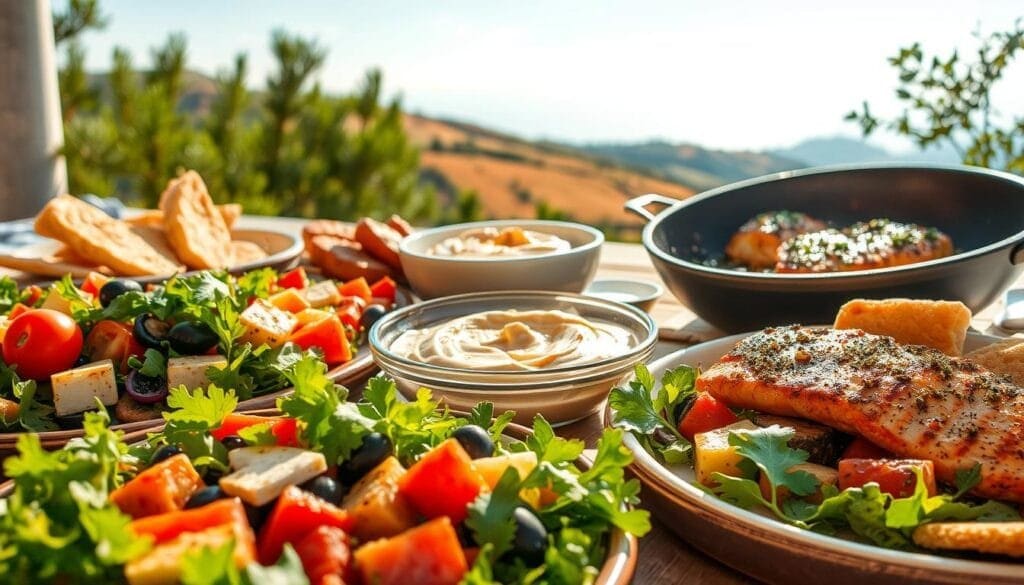
These meal ideas not only delight your taste buds but also provide a balanced mix of nutrients. By focusing on whole ingredients and healthy fats, you can enjoy flavorful meals that support your overall well-being.
Creating a well-rounded meal plan is essential for maintaining a healthy lifestyle. By focusing on nutrient-rich ingredients and mindful portion sizes, you can enjoy delicious meals while supporting your overall well-being. This section will guide you through practical strategies to plan your grocery list and control serving sizes effectively.
A successful meal plan starts with a well-stocked pantry. Prioritize whole grains like pasta and quinoa, along with a variety of seeds for healthy snacks. Incorporate seasonal fruits and vegetables to ensure freshness and flavor. Don’t forget to add a bottle of wine for those occasional moments of indulgence.
Maintaining proper serving sizes is crucial for a balanced diet. Aim for ½ cup portions of grains and 4-6 servings of vegetables daily. Moderation is key, especially when it comes to wine—enjoy a glass occasionally to complement your meals.
By following these tips, you can create a meal plan that aligns with a healthy lifestyle, ensuring each meal is both nourishing and enjoyable.
Embark on a flavorful journey with these creative recipes that blend timeless Mediterranean flavors with modern twists. Whether you’re a novice cook or an experienced chef, these dishes are designed to inspire your culinary creativity while keeping your meals nutritious and delicious.
Classic recipes like lentil soups and grilled salmon have been reimagined to suit today’s tastes. These dishes maintain their traditional essence while incorporating fresh ingredients and innovative cooking techniques.
Experiment with different types and amounts of ingredients to find your perfect balance. For instance, adjust the amount of olive oil or vary the type of herbs to suit your taste preferences.
These recipes provide clear guidance, making it easy for you to get started. Whether you’re preparing a quick weeknight dinner or a weekend feast, these dishes promise to delight your palate and nourish your body.

Research has consistently shown that the Mediterranean approach offers numerous health benefits, supported by a wealth of scientific studies. With over 400 clinical trials examining its effects, the evidence is clear: this way of eating is backed by robust scientific data.
Healthy fats play a crucial role in supporting heart health. Extra virgin olive oil, a cornerstone of this approach, is rich in antioxidants that help reduce the risk of heart disease. Studies have shown that consuming healthy fats, including those found in eggs and nuts, can lower cholesterol levels and improve overall cardiovascular well-being. Omega-3 fatty acids, particularly EPA and DHA, have been shown to reduce the risk of coronary heart disease, making them a vital component of a heart-healthy diet.
In addition to heart health, this approach has been shown to improve blood sugar levels and reduce inflammation. Nutrient-dense snacks, such as nuts and seeds, help maintain stable energy levels throughout the day. Studies have found that the anti-inflammatory properties of this eating pattern can lead to better blood sugar control and reduced inflammation, which is especially beneficial for those at risk of type 2 diabetes.
Adopting a Mediterranean lifestyle is more than just a change in eating habits—it’s a holistic approach to living that fosters long-term well-being. By focusing on mindful eating, regular physical activity, and social connections, you can create a balanced routine that supports overall health.
Mindful eating is at the heart of this lifestyle. Savoring dinner with family or friends encourages a slower, more enjoyable pace. Incorporating fish, plants, and healthy fats into your meals ensures a nutrient-rich diet that’s both satisfying and beneficial.
To maintain a balanced lifestyle, plan your meals around whole, unprocessed ingredients. Aim for variety by including a mix of colorful vegetables, lean proteins, and whole grains. Regular physical activity, such as walking, complements this approach, promoting physical and mental health.
View this lifestyle as a journey, not a quick fix. By embracing these practices, you can enjoy the long-term benefits of improved health and a more fulfilling way of living.
Embracing a healthier way of living starts with simple, mindful choices. By reducing sugar intake and opting for whole-grain bread, every person can take a step toward a heart-healthy lifestyle. The Mediterranean approach, with its emphasis on natural ingredients and balanced meals, offers a pathway to improved well-being and longevity.
Small changes can make a big difference. Incorporating more fruits, vegetables, and healthy fats into your daily meals can lead to significant health benefits over time. This balanced way of eating not only supports heart health but also promotes overall wellness, helping you feel your best every day.
Remember, it’s all about progress, not perfection. Start your journey today by making thoughtful food choices and embracing a lifestyle that prioritizes health and happiness. Your body—and your taste buds—will thank you!
Curious what is the primal diet? Discover how eating like your ancient ancestors—with a side of cheese—might energize you (and your next caveman impression).
Curious about the zero starch diet? Learn what you can actually eat, how to avoid salad boredom, and why potatoes are definitely not invited to this party.
A beginner swim workout turns splashing around into smart, safe exercise—even if your best stroke is “try not to panic.” Learn to swim with confidence (and laughs).