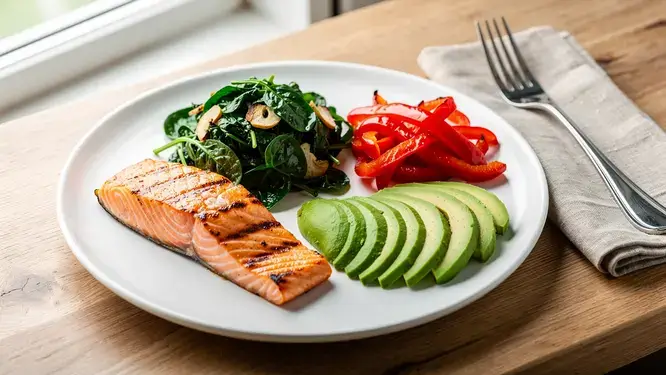
Tips
What Is the Primal Diet? Why Your Inner Caveman Might Need a Salad
Curious what is the primal diet? Discover how eating like your ancient ancestors—with a side of cheese—might energize you (and your next caveman impression).
Real-Life Fitness for Real People
Since 2024
Welcome to our guide on the Mediterranean Diet, a timeless approach to healthy eating that has been celebrated for its numerous health benefits. This diet isn’t just about what you eat—it’s a lifestyle that emphasizes fresh fruits, vegetables, whole grains, and healthy fats like olive oil. Rooted in the traditions of mid-20th century Mediterranean countries, …

Welcome to our guide on the Mediterranean Diet, a timeless approach to healthy eating that has been celebrated for its numerous health benefits. This diet isn’t just about what you eat—it’s a lifestyle that emphasizes fresh fruits, vegetables, whole grains, and healthy fats like olive oil. Rooted in the traditions of mid-20th century Mediterranean countries, it’s a way of living that values shared meals and a balanced approach to nutrition.
Foods eaten daily on the Mediterranean diet include a variety of plant-based ingredients such as leafy greens, legumes, nuts, seeds, and whole grains, complemented by moderate amounts of dairy and lean protein like fish or poultry. These core components not only support overall health but also bring flavor and satisfaction to your meals.
Our guide is here to help you make informed choices about your daily meals and offer practical tips for meal planning. Whether you’re looking to improve your heart health or simply feel better, the Mediterranean Diet offers a path to a healthier lifestyle. Research has shown that this diet can lower the risk of heart disease, type 2 diabetes, and other chronic conditions, making it a great choice for those looking to make a positive impact on their health.
The Mediterranean diet is more than just a list of foods—it’s a way of life deeply rooted in the cultural and culinary traditions of Mediterranean coastal regions. Originating from the eating habits of countries like Greece, Italy, and Spain in the mid-20th century, this diet emphasizes simplicity, freshness, and a strong social connection to meals.
At its core, the Mediterranean diet is about embracing whole, unprocessed foods and healthy fats, with olive oil being a cornerstone. It’s not just about what you eat but how you eat—shared meals, enjoyment of food, and a balanced lifestyle. This approach has been adapted into modern nutrition, making it a timeless choice for health-conscious individuals.
| Aspect | Mediterranean Diet | Other Diets |
|---|---|---|
| Focus | Emphasizes overall diet patterns and lifestyle | Often focuses on strict calorie counting or specific food restrictions |
| Food Selection | Promotes whole grains, fruits, and healthy fats | May restrict certain food groups or focus on quick weight loss |
| Approach | Encourages shared meals and mindful eating | Tends to be more individualistic and restrictive |
This diet stands out for its holistic approach, focusing on diet quality rather than strict rules. By understanding its philosophy, we can make informed choices that align with its principles of balance and wellness.
The Mediterranean Diet is built on a foundation of nutrient-rich foods that promote long-term health. At its core are fruits, vegetables, whole grains, legumes, nuts, seeds, and healthy fats like olive oil. These components work together to create a balanced diet that supports heart health and reduces the risk of chronic diseases.
Fruits and vegetables are the backbone of the Mediterranean Diet, providing essential vitamins, minerals, and antioxidants. Dark leafy greens like spinach and kale, along with colorful vegetables such as tomatoes and bell peppers, are rich in antioxidants that help protect against oxidative stress and inflammation. Whole grains like brown rice, quinoa, and whole-wheat bread add fiber and nutrients, supporting healthy digestion and blood sugar levels.
Legumes, nuts, and seeds are excellent sources of protein and fiber. Chickpeas, lentils, and black beans are common legumes that provide sustained energy and support heart health. Almonds, walnuts, and chia seeds offer healthy fats and fiber, making them a great snack or addition to meals.
Extra virgin olive oil is the primary source of healthy fats in the Mediterranean Diet. It is rich in monounsaturated fats that help lower LDL cholesterol and reduce inflammation. Olive oil is used for cooking, dressings, and as a finishing touch for dishes, enhancing both flavor and health benefits.
| Food Group | Key Benefits |
|---|---|
| Fruits and Vegetables | Rich in vitamins, minerals, and antioxidants; supports immune function and disease prevention. |
| Whole Grains | High in fiber; promotes digestive health and blood sugar regulation. |
| Legumes | Excellent protein source; supports heart health and energy levels. |
| Nuts and Seeds | Provides healthy fats and fiber; supports brain health and satiety. |
| Healthy Fats (Olive Oil) | Reduces inflammation; supports heart health and overall well-being. |
“The Mediterranean Diet is a powerful example of how food can be medicine, offering a holistic approach to health that goes beyond just nutrition.” – Dr. John Smith
By incorporating these core components into your meals, you can create a balanced and nutritious diet that not only tastes great but also supports long-term health benefits. The Mediterranean Diet is more than just a way of eating—it’s a path to a healthier, more vibrant life.
The Mediterranean Diet is renowned for its emphasis on nutrient-dense foods that promote overall well-being. At the heart of this dietary approach are vegetables, fruits, legumes, and lean proteins, which together provide essential vitamins, minerals, and antioxidants.
Vegetables form a cornerstone of the Mediterranean Diet, offering a wealth of vitamins and antioxidants. Dark leafy greens like spinach and kale, along with colorful vegetables such as tomatoes and bell peppers, are rich in antioxidants that help protect against oxidative stress and inflammation. Fruits, including citrus varieties like oranges and lemons, add natural sweetness and a burst of vitamin C. Legumes, such as chickpeas and lentils, provide sustained energy and support heart health. Lean proteins like fish and poultry are also integral, offering omega-3 fatty acids that benefit both heart and brain function.
The Mediterranean Diet encourages a balanced approach to eating, focusing on variety and mindful portion sizes. While red meat is limited, fish and poultry are more commonly consumed, offering healthier alternatives. Snacks are typically nutrient-rich, such as almonds, walnuts, and chia seeds, which provide healthy fats and fiber, supporting satiety and energy levels throughout the day.
| Food Group | Key Benefits |
|---|---|
| Vegetables | Rich in vitamins, minerals, and antioxidants; supports immune function and disease prevention. |
| Fruits | High in vitamins and antioxidants; promotes immune health and natural energy. |
| Legumes | Excellent protein source; supports heart health and sustained energy. |
| Nuts and Seeds | Provides healthy fats and fiber; supports brain health and satiety. |
| Healthy Fats (Olive Oil) | Reduces inflammation; supports heart health and overall well-being. |
By incorporating these nutrient-dense foods into your meals, you can create a balanced and nutritious diet that supports long-term health benefits. The Mediterranean Diet is more than just a way of eating—it’s a path to a healthier, more vibrant life.
Creating a Mediterranean meal plan is all about balance and variety. This approach emphasizes fresh, whole ingredients and offers flexibility to suit different tastes and nutritional needs. Whether you’re aiming to improve your health or simply explore new flavors, a well-structured meal plan can make all the difference.
Start your day with a nutritious breakfast. Greek yogurt topped with fresh berries and a sprinkle of granola is a delicious and healthy option. Oatmeal with sliced bananas and a drizzle of honey is another great choice. These meals provide sustained energy and a boost of essential vitamins.
Lunch and dinner can be both satisfying and nutritious. Consider a mixed green salad with grilled chicken or fish, topped with olives and a light vinaigrette. For dinner, try a hearty vegetable stir-fry with lean protein like shrimp or tofu. These options are not only flavorful but also packed with nutrients.
Snacks can be both healthy and enjoyable. Reach for a handful of mixed nuts or try hummus with fresh vegetables like carrots and cucumbers. These snacks provide healthy fats and fiber, keeping you satisfied between meals.
| Meal Type | Example | Key Benefits |
|---|---|---|
| Breakfast | Greek yogurt with berries | High in protein and antioxidants |
| Lunch | Grilled chicken salad | Rich in lean protein and fiber |
| Dinner | Vegetable stir-fry with shrimp | Packed with vitamins and healthy fats |
| Snack | Mixed nuts and hummus | Provides healthy fats and fiber |

A well-planned Mediterranean meal plan offers numerous health benefits, from reducing the risk of chronic diseases to supporting overall well-being. By incorporating a variety of fresh, whole foods and staying mindful of portion sizes, you can create a balanced and enjoyable eating plan that suits your lifestyle.
Portion control is a cornerstone of a healthy eating plan, helping maintain balanced blood sugar levels and overall well-being. Understanding proper serving sizes ensures you get the right amount of nutrients without overeating.
Expert dietitians recommend starting with these serving sizes:
Your lifestyle and goals shape your portion sizes. For example, active individuals may need larger portions of nutrient-dense foods like whole grains and lean proteins. Monitoring your blood levels can guide adjustments to keep your diet balanced and effective.
Practical examples include using 1 tablespoon of olive oil per meal and serving whole grains like quinoa or brown rice. Dairy products, such as yogurt, should be portioned to about 1 cup per serving.
By following these guidelines, you can enjoy a balanced diet that supports long-term health benefits without feeling deprived. Remember, portion control is about mindful eating, not strict rules.
Stocking your pantry with the right ingredients is the first step to embracing a healthier lifestyle. A well-planned grocery list ensures you always have what you need to create delicious, nutritious meals.
Your grocery list should focus on fresh, whole ingredients. Start with extra virgin olive oil, a variety of beans, and lean protein sources like fatty fish or chicken. Don’t forget whole grains and nuts for added fiber and healthy fats.
When shopping, choose whole ingredients over processed options. This reduces the intake of unhealthy additives and preservatives. For example, opt for whole tomatoes instead of canned, and select fresh vegetables over frozen.
| Category | Key Staples | Benefits |
|---|---|---|
| Healthy Fats | Olive oil, nuts, seeds | Supports heart health and provides essential fatty acids |
| Proteins | Fatty fish, beans, lentils | Offers lean protein and fiber |
| Grains | Whole wheat pasta, quinoa | Rich in fiber and nutrients |
Budgeting doesn’t mean sacrificing quality. Buy beans and grains in bulk, and plan meals around seasonal produce to save money. A well-stocked pantry ensures healthy meal options are always available.
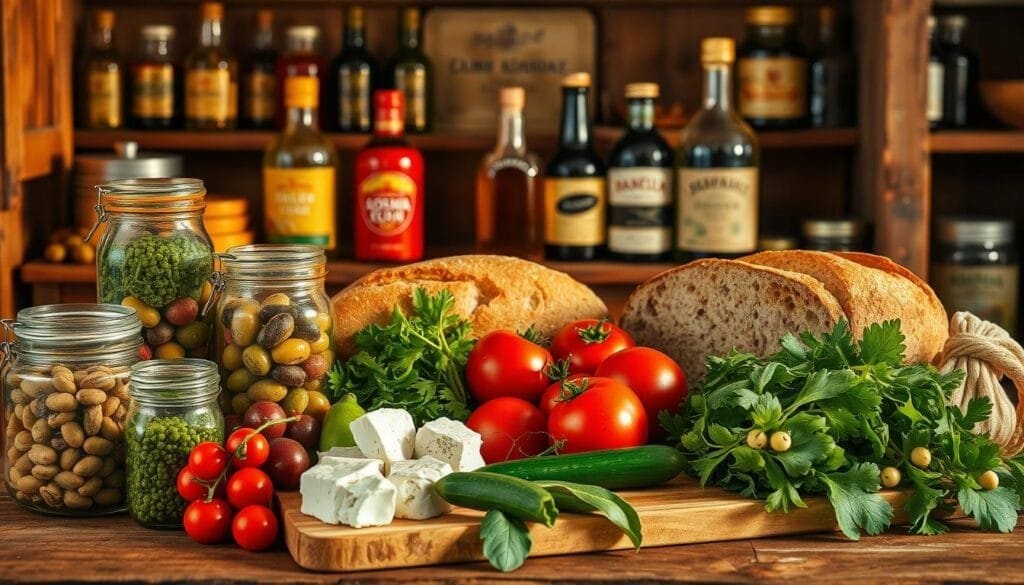
The Mediterranean diet offers a wealth of health benefits that make it a standout choice for those seeking a balanced lifestyle. By focusing on whole, nutrient-rich foods, this dietary approach supports heart health, stabilizes blood sugar levels, and even enhances cognitive function.
Studies show that the Mediterranean diet significantly reduces the risk of heart disease. By incorporating healthy fats like olive oil and nuts, individuals can lower their LDL cholesterol and inflammation levels. This approach has been linked to a 30% reduction in cardiovascular events, making it a powerful choice for heart health.
The diet’s emphasis on whole grains and fiber helps regulate blood sugar levels, supporting metabolic health. This makes it an excellent option for those managing diabetes or prediabetes, promoting sustained energy and overall well-being.
Rich in antioxidants and healthy fats, the Mediterranean diet combats inflammation and supports brain health. Research indicates it may reduce the risk of dementia and cognitive decline, keeping minds sharp and active as we age.
By embracing moderation and balanced meals, you can harness these benefits. Enjoying a glass of wine or a slice of whole-grain bread in moderation enhances the diet’s effectiveness. Try a hearty vegetable stir-fry or a fresh salad with olive oil for a nutritious and delicious meal that supports your health goals.
Embracing a Mediterranean lifestyle is a simple yet powerful way to transform your health and well-being. It’s not just about what you eat, but how you live. This approach encourages shared meals, mindful eating, and regular physical activity, making it a holistic way to adopt a healthier lifestyle.
Starting your Mediterranean journey begins with planning. Set aside time each week to plan your meals and shop for fresh ingredients. Incorporate whole grains like brown rice and quinoa, and add seeds to your salads for extra nutrition. Meal prep can be as simple as cooking a batch of chickpeas or roasting vegetables to use throughout the week.
| Meal Type | Prep Idea | Benefits |
|---|---|---|
| Breakfast | Overnight oats with seeds | High in fiber and healthy fats |
| Lunch | Grilled vegetables with brown rice | Rich in vitamins and minerals |
| Dinner | Baked fish with roasted chickpeas | Provides lean protein and fiber |
When dining out, focus on dishes rich in vegetables and lean proteins. Opt for grilled fish or salads with seeds and whole grains. Social eating is a key part of the Mediterranean lifestyle, so share meals with friends and family to enhance your experience. Remember, it’s about balance and enjoyment, not restriction.
Start small. Replace one unhealthy snack with a handful of seeds or a piece of fruit. Gradual changes lead to lasting results. Every positive step brings you closer to a healthier, more vibrant lifestyle.
Embracing a Mediterranean lifestyle is a simple yet powerful way to transform your health and well-being. This approach emphasizes fresh, whole ingredients and offers flexibility to suit different tastes and nutritional needs. Whether you’re aiming to improve your health or simply explore new flavors, a well-structured meal plan can make all the difference.
To get started, consider creating a grocery list that includes a variety of whole grains, lean proteins, and healthy fats. Incorporate legumes like lentils and chickpeas, which are rich in protein and fiber. Don’t forget to add dairy products like yogurt and cheese, which are integral to this dietary approach.
Remember, the Mediterranean lifestyle is about balance and variety. Moderation is key, so enjoy your favorite dishes while keeping portion sizes in check. Experiment with different types of recipes, from hearty stews to fresh salads, to keep your meals exciting and nutritious.
Take the first step today and explore the numerous benefits of this timeless approach to healthy eating. With its emphasis on whole, nutrient-rich foods and healthy fats, the Mediterranean lifestyle offers a path to a healthier, more vibrant life.
Curious what is the primal diet? Discover how eating like your ancient ancestors—with a side of cheese—might energize you (and your next caveman impression).
Curious about the zero starch diet? Learn what you can actually eat, how to avoid salad boredom, and why potatoes are definitely not invited to this party.
A beginner swim workout turns splashing around into smart, safe exercise—even if your best stroke is “try not to panic.” Learn to swim with confidence (and laughs).