Tips
What Is the Primal Diet? Why Your Inner Caveman Might Need a Salad
Curious what is the primal diet? Discover how eating like your ancient ancestors—with a side of cheese—might energize you (and your next caveman impression).
Real-Life Fitness for Real People
Since 2024
Mediterranean dinner recipes: enjoy flavor-packed, heart-friendly meals—with tested tips, flexible swaps, and just enough olive oil to get your family talking.
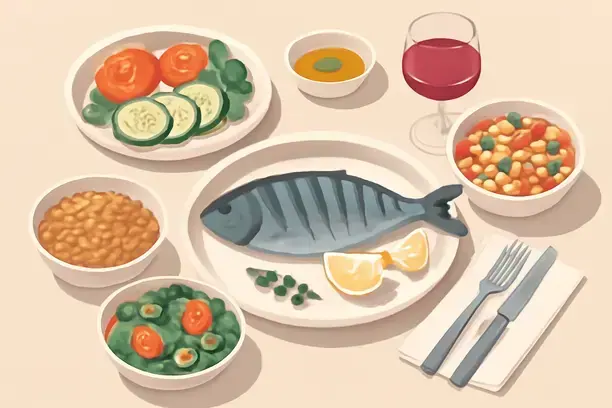
Mediterranean dinner recipes make meal planning effortless while bringing vibrant, satisfying flavors to your table. These balanced recipes often come with clear portion sizes and smart labels, taking away the guesswork so you can enjoy healthy meals and stress-free organization.
Disclosure: This article contains affiliate links. We may earn a commission at no extra cost to you.
Mediterranean dinner recipes become far more manageable when they come with clear portion sizes and helpful labels. Tags like “heart-healthy,” “vegetarian,” “pescatarian,” or “high-fiber” do more than describe a dish—they help you quickly identify meals that match your family’s preferences or specific health goals.
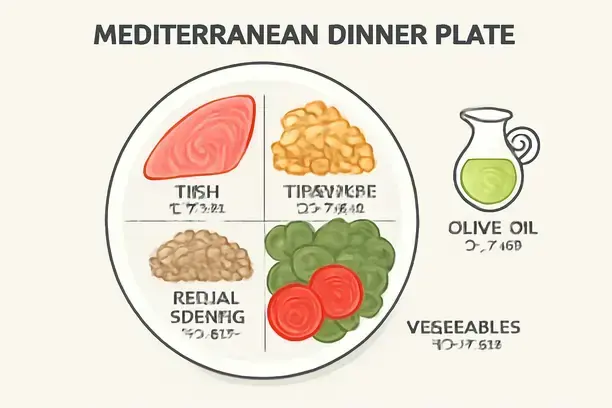
Getting portion sizes right is essential for balance and satisfaction. Here’s what a typical Mediterranean dinner looks like on your plate:
When it comes to meal frequency, experts recommend mixing up your protein sources throughout the week. You’ll want to aim for fish or seafood two to three times, legumes and lentils three to four times, and lean poultry or eggs filling in the rest.
Whole grains like farro or bulgur can show up almost daily as side dishes. Red meat? That’s typically an occasional treat—no more than once a week, according to guidelines from organizations like the American Heart Association.
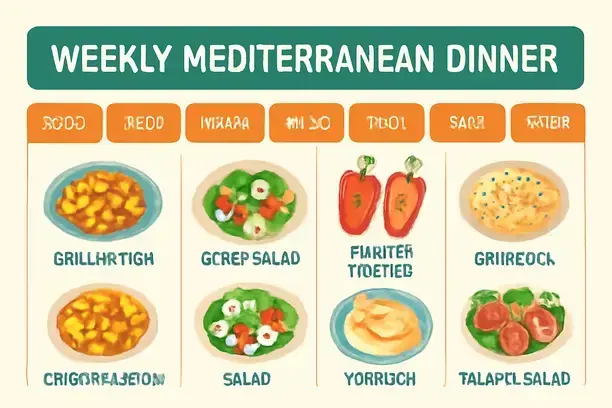
Here’s how a week might look in practice:
Rotating your protein sources and grain types keeps things interesting and prevents meal fatigue. If you appreciate having a structured plan, the Mediterranean Diet – 30-Day Challenge offers comprehensive weekly menus, daily recipes, and clear portion details—all designed to take the guesswork out of meal planning.
Flexibility is just as important as structure. When a recipe calls for an ingredient you don’t have, simple swaps keep you moving forward. Swap orzo for farro or barley, chickpeas for white beans or lentils, or try plant-based cheese in place of feta.
Gluten-free grains work seamlessly for those with sensitivities. Even a quick 30-minute dinner can feel more Mediterranean with extra vegetables or a generous drizzle of olive oil.
For more ideas on tailoring your meal plans to fit your lifestyle, visit our guide on building a personalized Mediterranean meal plan.
When portion sizes, recipe labels, and meal frequency guidelines work together, you end up with a practical, balanced routine that fits your life—and keeps dinner both healthy and something you genuinely look forward to.
For additional inspiration, explore the sample balanced daily menu and a wide selection of Mediterranean diet recipes that help maintain variety and wellness goals.
Yes, eggs are absolutely part of the Mediterranean diet and can be enjoyed regularly—often several times a week. They’re a solid source of lean protein and pair beautifully with legumes, seafood, and vegetables in balanced meals.
When you’re choosing Mediterranean dinner recipes, it helps to know they’ve been crafted by people who truly understand the cuisine. Our recipes are developed or reviewed by registered dietitians, Mediterranean chefs, and home cooks with deep cultural roots—so you can trust what ends up on your table.
Every recipe goes through at least two rounds of testing in kitchens outfitted with standard home appliances like stovetops and ovens. This ensures the recipes are accessible and reliable for typical home cooks like you.
Serving sizes, cooking times, and batch yields are all verified, so you’ll know exactly what to expect before you start prepping.
For more details on the Mediterranean lifestyle and recipes, visit our comprehensive guide to Mediterranean recipes and cooking tips.
All nutritional data and health information presented with these Mediterranean recipes are for informational purposes only. They draw on established Mediterranean diet research but don’t replace personalized medical advice.
You’ll want to consult registered dietitians or healthcare providers for guidance tailored to your specific health conditions, allergies, or dietary goals. Dietary needs vary widely between individuals Source: Academy of Nutrition and Dietetics.
For a structured, expert-backed meal plan, consider the Mediterranean Diet 30-Day Challenge, which offers day-by-day recipes, grocery lists, and tips to support adherence with confidence.
Mediterranean dinner recipes have earned their reputation for being heart-healthy—and for good reason. These meals typically feature extra-virgin olive oil, lean proteins, whole grains, beans, and plenty of vegetables—ingredients repeatedly linked to reduced cardiovascular risk.
The American Heart Association highlights this eating pattern for its benefits in managing cholesterol and blood pressure Source: American Heart Association.
Typical nutrient breakdowns for Mediterranean dinners vary, but here’s a general overview for a standard meal (such as grilled fish, whole grains, and roasted vegetables):
Extra-virgin olive oil stands out for its high polyphenol content, which has been linked to reduced inflammation and lower cholesterol Source: National Institutes of Health. Whole grains such as farro and brown rice provide fiber for digestion and blood sugar balance, while beans and lentils deliver both fiber and plant-based protein.
The Mediterranean diet also emphasizes eating plenty of non-starchy vegetables. Studies show that people following this style of eating have a lower risk of heart disease, certain cancers, and metabolic syndrome, compared to those on typical Western diets Source: National Library of Medicine.
Remember: while these claims are evidence-based, results depend on your overall eating habits and lifestyle. For personalized recommendations or if you have a medical condition, consult a dietitian or physician.
Mediterranean dinner recipes are rich in antioxidants and healthy fats, which help fight inflammation and protect heart and brain health. These balanced meals can support stable energy and maintain muscle mass—offering particular benefits for women over 40 who want to age vibrantly.
Yes, Mediterranean dinners can be helpful for weight loss because they focus on satisfying fiber, lean protein, and healthy fats. Emphasizing vegetables and whole foods helps you feel full and nourished, making portion control and weight management easier over time.
Ready to try nutritious Mediterranean recipes yourself? Take the next step with the Mediterranean Diet 30-Day Challenge—complete with recipes, guides, and practical tips for your dinner routine.
Curious what is the primal diet? Discover how eating like your ancient ancestors—with a side of cheese—might energize you (and your next caveman impression).
Curious about the zero starch diet? Learn what you can actually eat, how to avoid salad boredom, and why potatoes are definitely not invited to this party.
A beginner swim workout turns splashing around into smart, safe exercise—even if your best stroke is “try not to panic.” Learn to swim with confidence (and laughs).