Tips
What Is the Primal Diet? Why Your Inner Caveman Might Need a Salad
Curious what is the primal diet? Discover how eating like your ancient ancestors—with a side of cheese—might energize you (and your next caveman impression).
Real-Life Fitness for Real People
Since 2024
Craving veggies, olive oil, and a dash of science? Mediterranean diet recipes make eating healthy taste like a vacation—wine glass and cheesy puns optional. See how!

Mediterranean diet recipes are perfect if you want meals that taste amazing, help you feel your best, and don’t leave you hungry or overwhelmed. The Mediterranean diet delivers all that, and the recipes here make it easy to start.

Disclosure: This article contains affiliate links. We may earn a commission at no extra cost to you.
The Mediterranean diet is shaped by the food traditions of regions bordering the Mediterranean Sea—places like Greece, southern Italy, and coastal Spain. At its heart, you’ll find plant-forward meals built around vegetables, legumes, whole grains, and generous amounts of olive oil. Fresh or simply prepared fish and seafood appear regularly, while red meat and processed foods play minor roles. Flavorful herbs, citrus, and nuts round out the meals, boosting both taste and nutritional value.
What sets Mediterranean recipes apart from generic “healthy eating” is their unwavering focus on plant proteins, seafood, and healthy fats. Here’s what that looks like in practice:
Vegetables like tomatoes, eggplant, and leafy greens form the foundation of almost every meal. When meat does show up, it’s usually a garnish rather than the star of the plate.
Dairy—cheese and yogurt, mainly—appears in moderation, adding flavor rather than serving as the primary protein source.
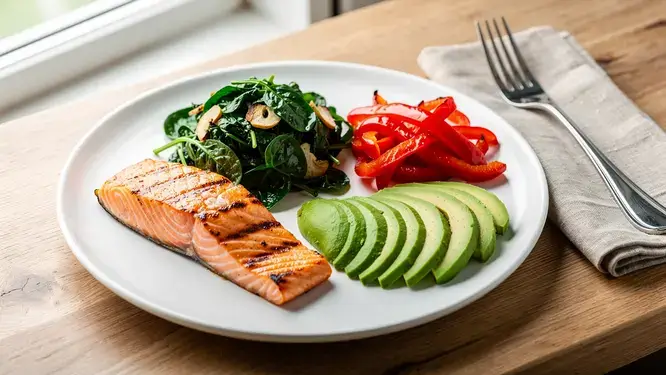
As you explore Mediterranean recipes, look for quick-reference tags like “legume-forward,” “olive oil-based,” or “whole grain-centric.” These markers clarify how each dish aligns with authentic Mediterranean principles. A chickpea-herb salad might be tagged “plant protein,” while baked salmon dishes often earn “fish-focused” and “olive oil-based” labels. These cues make it simpler to choose meals that stick to true Mediterranean-style eating patterns.
Decades of research link the Mediterranean diet to lower heart disease rates, improved metabolic health, and longer lifespans when followed consistently. The emphasis on plant nutrients, healthy fats, and lean seafood explains why nutrition experts regard it as one of the world’s healthiest eating approaches Source: Harvard Health.
If you’re after sustainable, enjoyable meal routines, you’ll find additional guidance through essential ingredient lists and sample menus focusing on Mediterranean staples and ease of preparation.
This collection includes mini nutrition breakdowns to help you make informed decisions. Each dish lists key stats—calories, protein, total fat, saturated fat, sodium, and fiber. When data are based on averages or ingredient estimates, they’re flagged as “approximate” so you know exactly what you’re working with.
This practical format helps you select dishes that match your health goals. Whether you’re tracking calories for weight management, ensuring you get enough protein, or keeping an eye on sodium intake, you’ve got the info you need.
Recipes with higher sodium or saturated fat come with flags and advice to dial those components down—like using low-sodium broth or going easier on the olive oil—supporting heart-healthy eating Source: American Heart Association.
If you want a detailed, day-by-day plan with nutrition facts baked in, consider structured programs designed to simplify Mediterranean meal planning.
Balanced Mediterranean meals typically split your plate this way: half vegetables, a quarter lean protein, and a quarter whole grains, legumes, or bulgur.
The “hand rule” helps you estimate portion sizes. Think protein the size of your palm, grains fitting your cupped hand, and vegetables about two hands’ worth. This approach supports satiety and aligns with traditional Mediterranean portions.
Recipes here are calibrated to common calorie ranges (350–500 kcal) suitable for weight maintenance or mild loss in adults. For specific needs like diabetes management or weight loss, you can trim back on bread or substitute higher-fiber grains.
These modifications help you keep the authentic Mediterranean benefits while aligning with modern dietary recommendations.
For comprehensive guidance, fully structured meal plans with daily tracking tools are available.
Keep in mind that individual dietary needs vary by age, medical conditions, and goals. Always consult healthcare professionals for personalized nutrition advice.
Want a shortcut to balanced Mediterranean meals without tracking every nutrient yourself? There are step-by-step plans that do the heavy lifting for you. A digital 30-day Mediterranean meal plan, for example, lays out recipes, portions, and nutrition at a glance—so you can focus on enjoying your food and results.
While Mediterranean diet recipes are generally suitable for most people, certain medical conditions and allergies call for extra attention. If you have food allergies to fish, shellfish, gluten, tree nuts, or dairy—common Mediterranean ingredients—always check labels and seek alternatives when preparing recipes.
Those with chronic kidney disease, diabetes, or specific cardiovascular conditions should tailor recipes to limit sodium, potassium, or fluid intake, as recommended by their healthcare providers. The Mediterranean diet is typically high in fiber, which can be a concern for people with some gastrointestinal disorders, so introduce fiber-rich foods gradually if needed.
If you are taking anticoagulant medications, foods especially rich in vitamin K (like leafy greens) may interact with your prescriptions, so intake should be consistent. Pregnant or breastfeeding women should moderate fish high in mercury (like swordfish or king mackerel), but can enjoy salmon, sardines, and light tuna in approved amounts.
As always, consult a registered dietitian or your healthcare team before starting a new nutrition plan if you have chronic health conditions or take prescription medications that interact with specific nutrients.
Preparing Mediterranean diet recipes doesn’t have to mean hours in the kitchen or juggling lengthy ingredient lists. To fit healthy eating into your busy lifestyle, focus on a few high-impact strategies.
Simple sauces—like tahini-lemon, yogurt-cucumber, or olive oil with herbs—boost flavor without adding much time or effort. Planning ahead just a bit (even 10 minutes to prep veggies for the week) keeps you on track and helps avoid last-minute takeout.
To help you put these principles into action, here is a one-day Mediterranean meal plan with easy recipes, covering breakfast, lunch, snack, and dinner. Each recipe highlights Mediterranean staples and comes together quickly.
Mix and match these recipes based on your preferences, or swap in other Mediterranean favorites like lentil soup, fresh tabbouleh, or roasted eggplant with tomatoes. To stay inspired, rotate ingredients seasonally: zucchini and tomatoes in summer, winter squash and kale in colder months.
Most recipes can be doubled for meal prep or packed as leftovers for lunch. For more vegan options or vegetarian ideas, try Mediterranean veggie bowls with roasted veggies and tahini, or a Greek bean stew—the possibilities are endless.
Pair dinners with a green salad dressed simply with olive oil and lemon, or add a cup of vegetable soup to boost fiber and nutrition.
Love trying new flavors? Expand your repertoire with Mediterranean cookbooks, meal delivery kits, or sample menu plans designed for busy professionals and families.
Curious about adopting Mediterranean diet recipes but have some concerns? Here are answers to common questions so you can feel confident as you get started.
Absolutely! Many Mediterranean staples are plant-based. Focus on hearty grains, beans, lentils, vegetables, fruits, nuts, and olive oil. You can skip fish and dairy entirely or enjoy them occasionally if they fit your preferences. There are countless vegan Mediterranean recipes that satisfy and nourish.
Most Mediterranean recipes are naturally gluten-free or easily adaptable. Swap wheat-based grains for quinoa, brown rice, millet, or gluten-free pasta. Classic regional dishes like bean soups, grilled fish, and roasted vegetables work beautifully without gluten.
The key is to build meals with plenty of fiber-rich veggies, whole grains, legumes, and healthy fats like olive oil and nuts. Adding a small amount of protein to every meal—whether from beans, fish, or dairy—will help you feel satisfied and energized throughout the day.
You can explore resources like sample Mediterranean menus and ingredient lists. Mediterranean cookbooks and meal services can also provide new recipes and daily meal planning support.
Remember: progress is more important than perfection. Try a few new recipes a week and enjoy the process of discovering delicious Mediterranean flavors!
Try a 30-day Mediterranean meal plan for simple, flavorful eating
Curious what is the primal diet? Discover how eating like your ancient ancestors—with a side of cheese—might energize you (and your next caveman impression).
Curious about the zero starch diet? Learn what you can actually eat, how to avoid salad boredom, and why potatoes are definitely not invited to this party.
A beginner swim workout turns splashing around into smart, safe exercise—even if your best stroke is “try not to panic.” Learn to swim with confidence (and laughs).