Tips
What Is the Primal Diet? Why Your Inner Caveman Might Need a Salad
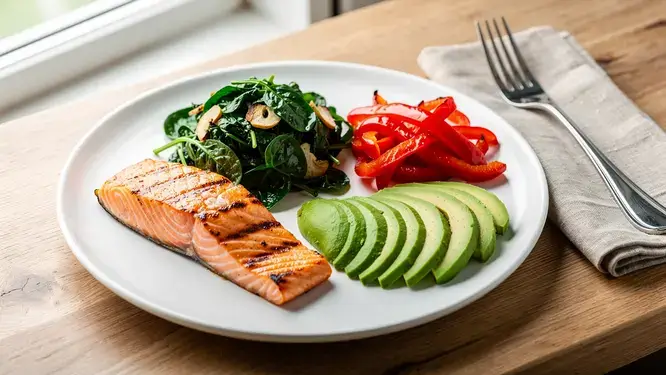
Curious what is the primal diet? Discover how eating like your ancient ancestors—with a side of cheese—might energize you (and your next caveman impression).
Real-Life Fitness for Real People
Since 2024
Sarah stared at her reflection, feeling a familiar frustration. Her wellness journey had hit a plateau. She was eating well and moving more, but something was missing. Then, her yoga instructor mentioned a simple, ancient habit she had adopted—green tea for weight loss. It wasn’t a magic pill or a punishing diet. It was a …
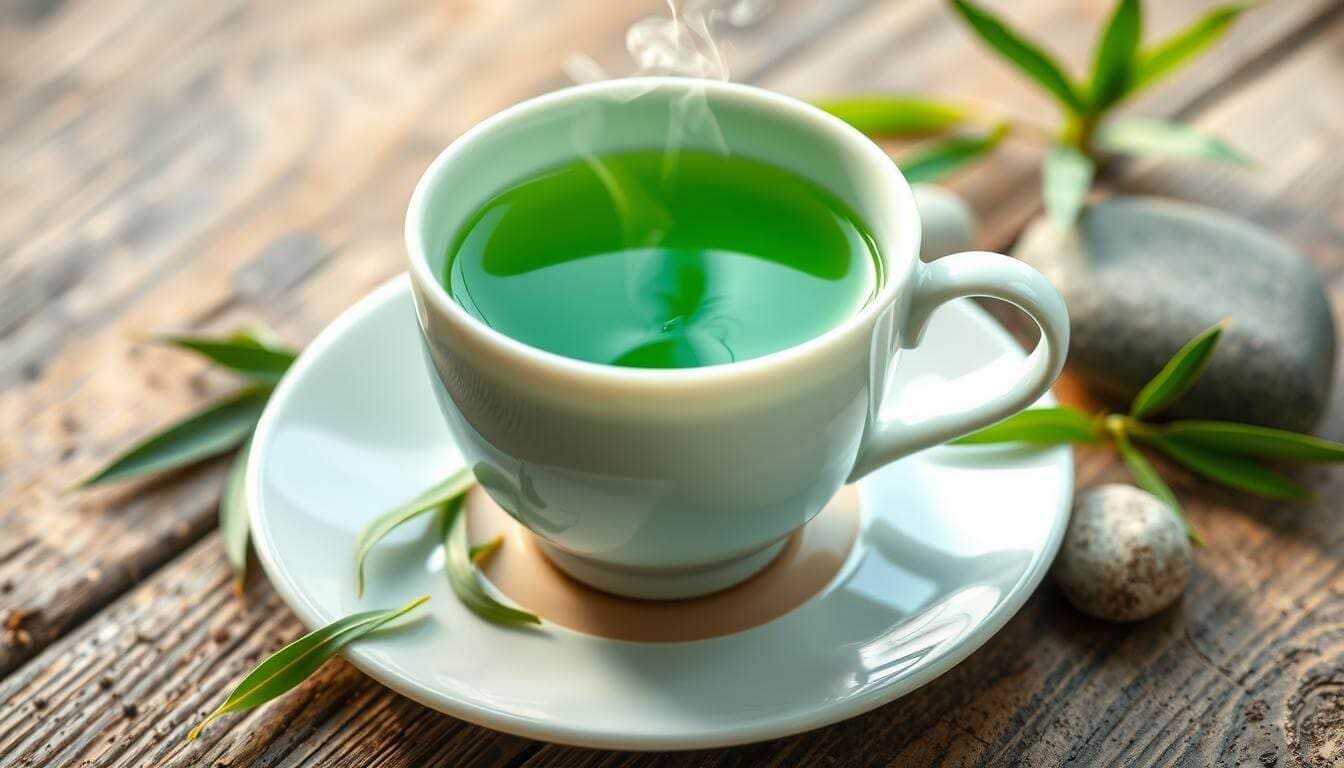
Sarah stared at her reflection, feeling a familiar frustration. Her wellness journey had hit a plateau. She was eating well and moving more, but something was missing. Then, her yoga instructor mentioned a simple, ancient habit she had adopted—green tea for weight loss.
It wasn’t a magic pill or a punishing diet. It was a warm, soothing beverage enjoyed for centuries—today often explored as green tea for weight loss. Intrigued, Sarah decided to learn more about this natural addition to a healthy lifestyle.
This guide is for anyone like Sarah, looking for a sensible, evidence-based boost—especially if you’re curious about green tea for weight loss. We will explore the science behind this popular drink’s properties and how it can complement your efforts.
We break down the research into easy-to-understand information. You’ll learn practical brewing tips and how to incorporate green tea for weight loss into your daily routine safely and effectively.
Scientific inquiry has long been fascinated by the connection between a simple cup of tea and metabolic health. This beverage has become a staple in the wellness community, with many people using it to support their fitness journey.
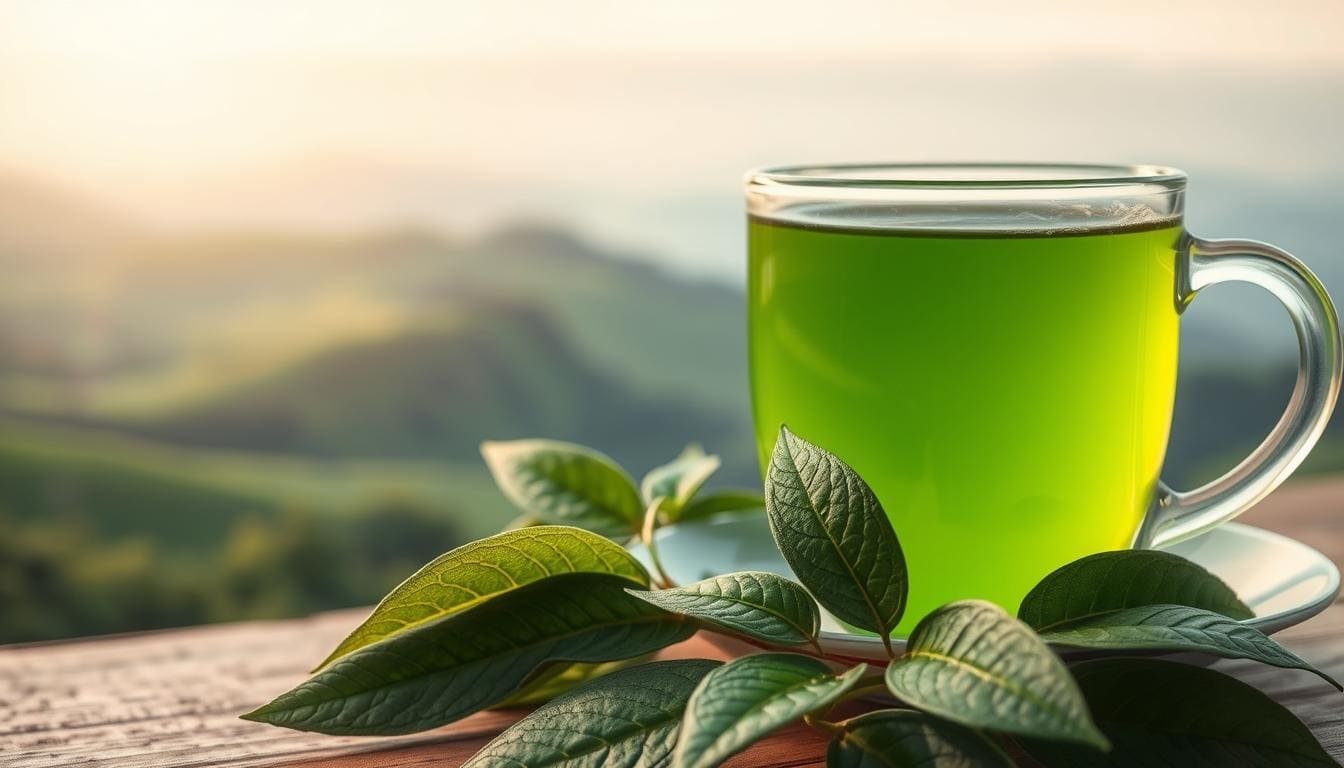
Research presents a mixed but promising picture. Some clinical trials show that supplementation can lead to significant reductions in body mass index and waist circumference. This is especially true for specific groups, according to recent analyses.
A key finding suggests that benefits may be seen with daily amounts of 1,000 milligrams or less over a short period. Interestingly, another review found that even smaller doses taken consistently for a longer duration could yield more notable results.
It is vital to have realistic expectations. As noted by the National Center for Complementary and Integrative Health, the drink offers modest benefits. It is not a standalone solution but a supportive tool.
Understanding its role is the first step. It works best as part of a balanced lifestyle that includes good nutrition and regular activity.
The story of this unique drink begins with a specific plant and a careful, minimal processing method. All true tea comes from the Camellia sinensis plant. The final character of the brew depends heavily on what happens after harvest.
Green tea boasts a history spanning thousands of years. It originated in China, where it was revered as a powerful medicine. Traditional uses ranged from treating headaches to aiding wound healing.
Its journey to the West is fascinating. By the 18th century in England, it was a prized commodity. Smugglers often brought it in to avoid high taxes.

What makes this beverage unique is its minimal processing. The leaves are steamed immediately after picking. This prevents the fermentation that creates oolong or black tea.
This gentle method is crucial. It preserves significantly more antioxidants and nutrients from the plant. This gives the drink its light color and potent health-promoting compounds.
Nutritionally, a cup is remarkably light. An 8-ounce serving contains less than 3 calories. It has no measurable protein, fat, or sugar.
Vitamins and minerals are present in small amounts. The real nutritional stars are plant compounds called polyphenols. A key one is epigallocatechin-3-gallate (EGCG).
Regarding caffeine content, it strikes a middle ground. An 8-ounce cup has about 28 milligrams. This is less than black tea’s 47 mg and coffee’s 96 mg.
Understanding that green and black tea come from the same plant explains their differences. It’s all about the processing. The quick heating preserves a lighter character and higher antioxidant levels.
At the cellular level, specific compounds in this brew interact with our body’s energy systems. The synergy between different components creates subtle metabolic effects.
The primary mechanisms involve two key elements working together. Polyphenols, especially EGCG, and caffeine create a powerful combination.
These compounds may help enhance thermogenesis. This is your body’s process of generating heat and burning calories.

Research suggests the caffeine content provides additional benefits. However, achieving significant effects requires consistent, substantial consumption.
| Component | Primary Action | Potential Benefit | Research Status |
|---|---|---|---|
| Polyphenols (EGCG) | Enhances fat oxidation | Increased energy expenditure | Animal studies positive |
| Caffeine | Stimulates thermogenesis | Boosts metabolic rate | Human trials supportive |
| Combined Effect | Synergistic action | Modest weight support | Requires more research |
Studies indicate these components may affect cholesterol markers. They show potential for reducing LDL and triglycerides.
It’s important to maintain realistic expectations about results. The health benefits are modest compared to exercise and diet management.
This beverage works best as a metabolic enhancer within a comprehensive approach. Proper nutrition and activity remain the foundation for success.
Clinical trials have revealed surprising insights about how dosage frequency impacts metabolic outcomes. The scientific community continues to explore optimal consumption patterns for achieving health benefits.
Recent research presents fascinating contradictions. A 2023 analysis found that higher short-term intake may offer measurable advantages.
However, a 2020 review suggested lower daily amounts over longer periods yielded more significant results. This highlights that consistency often matters more than intensity.
Most studies showing positive outcomes used regular daily consumption. Sporadic high doses rarely produced the same benefits.
For most adults, research indicates 3-5 cups per day represents an effective range. This moderate approach over 8-12 weeks appears most beneficial.
The National Center for Complementary and Integrative Health considers up to 8 cups daily safe for general consumption. Special populations should exercise more caution.
Pregnant or breastfeeding individuals should limit intake to approximately 6 cups per day. Concentrated extracts carry slightly different risk profiles than brewed beverages.
The evidence suggests this beverage works best as a long-term habit. It complements healthy eating and regular physical activity beautifully.
Building a sustainable approach to wellness involves creating smart habits that work together. The most successful plans treat this beverage as one component of a comprehensive lifestyle strategy rather than a magic solution.
Consistency matters more than intensity when it comes to consumption. Research suggests 3-5 cups daily creates the best synergy with your overall diet and exercise routine.
Timing your intake strategically can maximize the benefits. Many people find success with a morning cup to boost metabolism, another before lunch, and a third in the afternoon to manage appetite.
Replace high-calorie drinks like soda or sweetened coffee with this beverage. This simple swap reduces daily calorie intake while adding beneficial compounds to your system.
The CDC recommends a holistic approach that includes realistic goals, regular exercise, and stress management. This beverage can support all these areas when integrated properly.
Keep a food diary to track how this habit fits into your nutritional balance. Building support systems with friends or online communities increases accountability and motivation.
Remember that patience and consistency yield the best results. Aim for gradual progress rather than expecting dramatic changes from this beverage alone.
Consistency is the secret to unlocking the full potential of this time-honored wellness practice. Making it a regular part of your day requires simple preparation techniques that maximize its natural advantages.
Proper preparation starts with water temperature. Bring filtered water to just below boiling point, then remove from heat. Pour over your tea bags or loose leaves to preserve delicate antioxidants.
Let your brew steep for 8-10 minutes. This allows optimal extraction of beneficial compounds. Choose plain, minimally processed varieties for the richest nutritional content.
Consider preparing a larger batch in the morning. Keep it chilled for easy access throughout your day. This makes consistent consumption convenient and enjoyable.
Pair your beverage habit with smart dietary choices. Focus on whole foods, lean proteins, and plenty of vegetables. Minimize processed items and excessive calories.
Regular physical activity amplifies the benefits. Aim for at least 150 minutes of moderate exercise weekly. Proper sleep and stress management complete the picture.
Create a mindful ritual around drinking your brew. This helps you stay hydrated and aware of hunger cues. Remember to enjoy it plain to avoid adding unnecessary calories.
Understanding safety considerations is crucial for maximizing benefits while minimizing risks. While this beverage has centuries of traditional use, modern science helps us understand its effects on different individuals.
Most people can enjoy this drink without issues. The National Center for Complementary and Integrative Health considers up to 8 cups daily safe for healthy adults.
The caffeine content, though moderate, can affect sensitive individuals. People with high blood pressure or anxiety disorders should start with 1-2 cups daily.
This beverage may interact with certain medications. High doses can reduce effectiveness of drugs like the beta-blocker nadolol. Always discuss consumption with your healthcare provider.
An often-overlooked effect involves iron absorption. Both caffeinated and decaf varieties can reduce iron uptake. Drink between meals if you take iron supplements.
Pregnant and breastfeeding women should limit intake to 6 cups per day. This provides about 300 mg of caffeine while minimizing potential health risks.
Green tea extract in pill form requires extra caution. Rare liver problems have been reported. Stop immediately if you experience abdominal pain, dark urine, or jaundice.
Choose high-quality products from reputable sources. Remember that more isn’t always better. Pay attention to how your body responds over time.
The journey through the science and practice of this wellness tradition reveals important insights for modern health seekers. Green tea may help with modest results when used consistently as part of a balanced approach.
Current studies suggest 3-5 cups daily over several months offers the best potential. The real value lies in its complementary role alongside proper nutrition and regular activity.
Further research will continue to refine our understanding of optimal methods. Meanwhile, the beverage’s broader health benefits make it a worthwhile addition to any wellness routine.
Success comes from patience and integration rather than expecting miracles. Choose quality products, brew properly, and listen to your body’s response for sustainable results.
The main components, like antioxidants and a small amount of caffeine, work together. They can give your metabolism a slight boost and help your body use fat for energy more efficiently. This process is known as fat oxidation.
For the best results, avoid using boiling water. Let it cool for a minute or two after boiling. Steep the leaves for about 2-3 minutes. This protects the delicate compounds that contribute to its health properties.
A> While generally safe, the caffeine content can cause issues for some people, like jitters or trouble sleeping. It can also interact with certain medications. If you have high blood pressure or are sensitive to stimulants, it’s wise to talk to your doctor first.
Research suggests that 2 to 3 cups daily is a good target for supporting weight management goals. Consistency is more important than drinking a large amount all at once.
Supplements like extracts offer a concentrated dose. However, drinking the brewed version allows your body to absorb all the nutrients naturally. The whole beverage provides a balanced profile of compounds that work in harmony.
The key difference is processing. The leaves are steamed, which preserves more antioxidants. Black tea leaves are oxidized, which changes their chemical structure and nutrient profile. Both are healthy, but they offer different advantages.
Curious what is the primal diet? Discover how eating like your ancient ancestors—with a side of cheese—might energize you (and your next caveman impression).
Curious about the zero starch diet? Learn what you can actually eat, how to avoid salad boredom, and why potatoes are definitely not invited to this party.
A beginner swim workout turns splashing around into smart, safe exercise—even if your best stroke is “try not to panic.” Learn to swim with confidence (and laughs).