Tips
What Is the Primal Diet? Why Your Inner Caveman Might Need a Salad
Curious what is the primal diet? Discover how eating like your ancient ancestors—with a side of cheese—might energize you (and your next caveman impression).
Real-Life Fitness for Real People
Since 2024
Discover effective cardio for women over 50 with science-backed routines that improve heart health, boost energy, and support muscle strength safely. Learn how to start today.
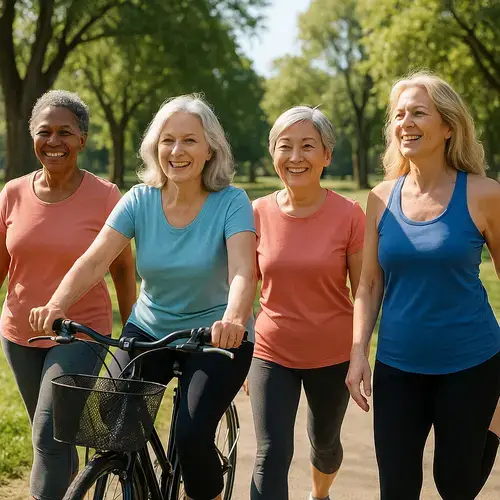
Cardio for women over 50 remains one of the most effective strategies for improving health and maintaining fitness as we age. You want results from cardio without wasting time or risking injury—especially when every source seems to say something different. What if you could cut through the noise and follow a plan that’s actually proven to work for women over 50?
Disclosure: This article contains affiliate links. We may earn a commission at no extra cost to you.
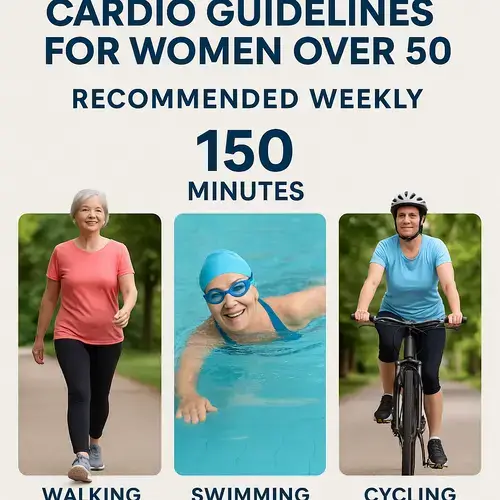
Here’s what the science really tells us: leading authorities like the World Health Organization (WHO), the U.S. Centers for Disease Control and Prevention, and the American Heart Association all recommend at least 150 minutes per week of moderate-intensity aerobic activity. We’re talking about things like brisk walking, water aerobics, or cycling—activities where you’re moving but can still hold a conversation.
If you prefer higher-intensity work, you can hit 75 minutes of vigorous activity instead. Some research even suggests bumping up to 300 minutes for additional health benefits, but that 150-minute baseline? It’s solidly backed and works well for most women over 50.
These aren’t just arbitrary numbers. They’re grounded in robust epidemiological studies that link regular moderate activity with significant reductions in all-cause mortality, fewer cardiovascular events, lower diabetes risk, and better preservation of muscle and independence after menopause (CDC Physical Activity Guidelines for Older Adults). Moderate exercise supports heart health, fights age-related muscle loss (sarcopenia), and even enhances cognitive function—all concerns that become more pressing after midlife.
There’s another piece to the puzzle: muscle-strengthening activities at least twice a week. Think resistance bands, bodyweight exercises, or light weights. These are essential for supporting bone density and maintaining metabolic rate as estrogen levels decline—a reality every woman over 50 faces.
Recent meta-analyses reveal something encouraging: even if you’re just starting cardio after age 50, you can significantly improve VO₂ max (a key marker of cardiovascular fitness) and executive brain function compared to sedentary peers (NIH Study on Cardiovascular and Cognitive Benefits). Translation? It’s never too late to see measurable, science-backed improvements.
If motivation’s been slipping or you’ve taken a break that’s making it hard to restart, you’re not alone. Check out our practical guide on getting motivated for the gym for strategies tailored to mature adults.
Not everyone thrives on more volume. Women dealing with joint issues or autoimmune conditions may find low-impact or shorter, more frequent sessions easier to stick with. Programs like the 7-Minute Ageless Body Secret offer joint-friendly, time-efficient home workouts designed specifically for women 50+—emphasizing consistency over intensity.
When you’re evaluating expert advice, always check publication dates, author credentials (look for registered dietitians or clinical exercise physiologists), and references to large, peer-reviewed studies. Be skeptical of unsupported claims or generic advice that doesn’t address the specific concerns women face after 50.
For a comprehensive, evidence-based summary, see the CDC’s physical activity guidelines for older adults.
Ready to begin? The 7-Minute routines designed for women over 50 can be done at your pace with no special equipment—perfect for a practical start.
Finding the right workout intensity is essential for cardio after 50—especially if you’re managing chronic conditions or medications that affect your heart rate. Rather than obsessing over numbers, safety comes from tuning into your body’s signals and adjusting your effort accordingly.
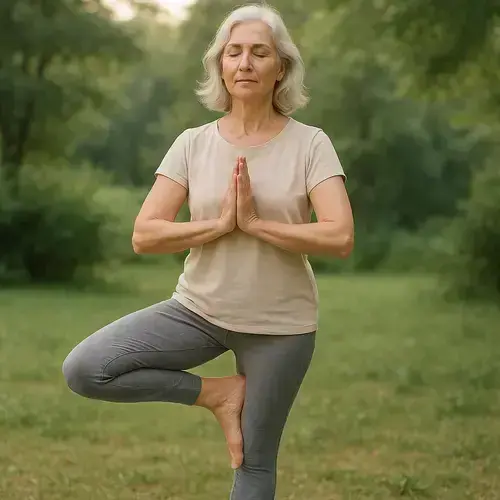
If you take medications that blunt your heart rate response, use breathing and perceived exertion as your primary guides. You might not reach conventional heart rate targets, and that’s completely normal. Pay close attention to warning signs like fatigue, chest pain, or dizziness—stop immediately if these occur rather than relying on heart rate numbers alone.
Staying consistent is easier with brief, joint-friendly workouts. The 7-Minute Ageless Body Secret offers easy daily follow-along routines requiring no equipment, focusing on safe, effective exercise at your own pace.
Fitness trackers can help monitor heart rate but aren’t always accurate for older adults, especially those on medications. If your breathing and energy tell one story and your watch another, trust how your body feels. For beginners or those returning to exercise, try our simple at-home cardio routines to build fitness gradually while prioritizing safety.
When you’re ready, start with a program like the 7-Minute Ageless Body Secret to tone up safely every day and enjoy steady motivation.
Creating a well-rounded, age-appropriate weekly routine can dramatically enhance health for women over 50—without the risk of injury or burnout. Below are two actionable templates designed specifically for this stage of life: one for beginners new to consistent exercise and one for intermediates ready to progress. Each blends accessible cardio, strength training, HIIT, and mobility work with thoughtful progressions.
Progress comes from consistency, not perfection. Note any aches or sleep changes and modify as needed. Mix in new activities, such as swimming or dancing, for variety and extra motivation.
As you build confidence, consider adding short bursts of intensity (for example, 2-minute brisk intervals during a walk) and aim for three strength sessions per week. This boosts functional fitness, preserves muscle, and keeps things interesting.
Want ideas for more home-based routines? Explore our quick and easy exercise guides for additional movement tips.
To help lock in new habits, the 7-Minute Ageless Body Secret makes it ultra-manageable to fit cardio and strength into even the busiest lifestyle, while supporting joint health and energy.
The best cardio for women over 50 takes advantage of joint-friendly movements, moderate impact, and activities that fit your schedule and interests. There’s no single “right” type—as long as you enjoy it and can do it safely and consistently, it counts.
Unsure how to get started or worried about consistency? Our step-by-step motivation guide is packed with tips for kicking off and sticking to your new fitness habits.
If you have specific health concerns, always check with a health professional; most women find they can safely adapt these activities to suit their own needs, even after surgeries or chronic illness diagnoses.
Try mixing and matching activities throughout your week to keep things fresh. You might walk three days, do gentle pool workouts twice, and try a dance class for fun—variety helps you work different muscles and prevents boredom.
Women over 50 need to prioritize safety during cardio by listening to their bodies, protecting joint health, and proactively managing recovery. Here are some safety strategies for effective and pain-free exercise:
If you’re unsure about pain or symptoms during activity, consult your healthcare provider for a personalized clearance—especially if you have heart, lung, or metabolic conditions.
Importantly, the right cardio habit helps you stay motivated, boosts daily energy, and empowers you to enjoy an active lifestyle for years to come.
Maintaining motivation is key at every age. Find accountability through a friend, group class, or a structured home program like the 7-Minute Ageless Body Secret, and celebrate progress at every stage.
Curious what is the primal diet? Discover how eating like your ancient ancestors—with a side of cheese—might energize you (and your next caveman impression).
Curious about the zero starch diet? Learn what you can actually eat, how to avoid salad boredom, and why potatoes are definitely not invited to this party.
A beginner swim workout turns splashing around into smart, safe exercise—even if your best stroke is “try not to panic.” Learn to swim with confidence (and laughs).