Tips
What Is the Primal Diet? Why Your Inner Caveman Might Need a Salad
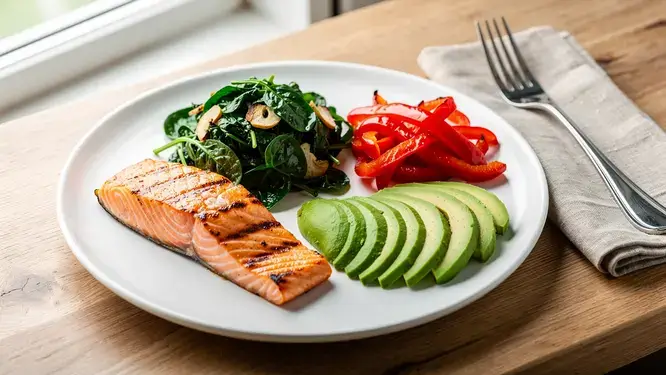
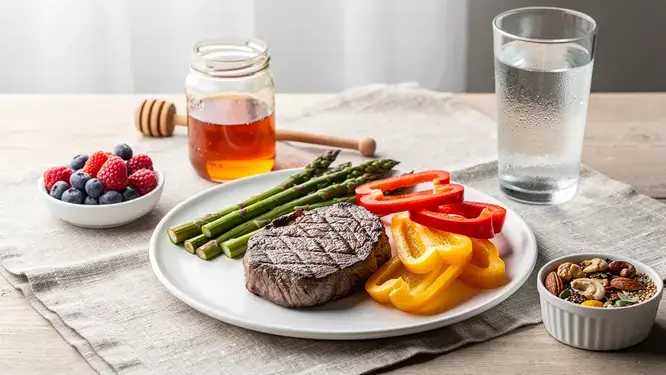
Curious what is the primal diet? Discover how eating like your ancient ancestors—with a side of cheese—might energize you (and your next caveman impression).
Real-Life Fitness for Real People
Since 2024
Craving comfort with a zesty twist? Greek lemon orzo soup is creamy, tangy, and egg-cellent—plus we’ll keep you safe from culinary plot twists. Learn more!
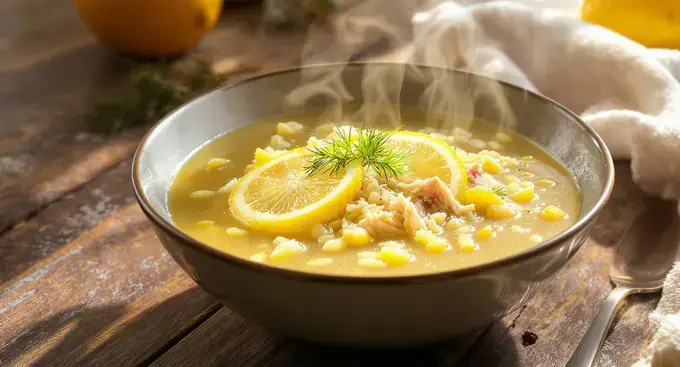
Greek lemon orzo soup — known as avgolemono — is as comforting as it is flavorful, but its use of raw eggs means food safety can’t be an afterthought. That signature silky, creamy texture comes from tempering eggs with hot broth, a technique that requires careful temperature control both to keep things safe and to avoid curdling.

For extra peace of mind, consider using pasteurized shell eggs or liquid egg products. These have been treated to eliminate pathogens like Salmonella, making them a smart call whenever eggs aren’t being cooked to high temperatures.
First, make sure your chicken is cooked all the way through. For the egg-lemon emulsion, slow and steady is everything — add hot broth to the egg-lemon mixture gradually while whisking constantly, then ease the tempered mixture back into the pot over low heat. One rule you shouldn’t break: never let the soup boil after the eggs go in, or you’ll end up with scrambled soup instead of a silky one.
Avgolemono contains a few of the most common allergens — eggs, gluten from the orzo, and potentially nuts if your garnishes include them. A little preparation goes a long way in managing these risks:
Going gluten-free? Swap the orzo for certified gluten-free pasta or rice. If you’re cooking for guests with allergies, prepare their portion first using clean equipment to avoid any cross-contact. Refrigerate leftovers promptly and reheat thoroughly before serving.
“Avgolemono” translates directly from Greek as “egg-lemon” — avgo meaning egg, lemoni meaning lemon. The name says it all. That simple pairing gives the soup its characteristic creamy, tangy, silky texture, with no dairy required.
Greek lemon orzo soup is a surprisingly well-rounded meal. A typical serving delivers solid protein from the chicken and eggs, plus carbohydrates from the orzo to keep you fueled.
It’s not just filling — it’s nourishing too. Lemon juice brings vitamin C, chicken contributes B vitamins, and vegetables like carrots add vitamin A to the mix. For more ideas on building balanced meals, check out our guide to healthy meals to make at home.
A few simple swaps can meaningfully shift the nutritional profile. Whole wheat orzo bumps up the fiber, while lean chicken breast keeps the protein high without adding extra fat. Tossing in spinach or kale is an easy way to pack in more vitamins and minerals without noticeably changing the flavor.
Most recipes yield four to six generous servings, which makes this soup ideal for family dinners or weekend meal prep. It’s hearty enough to stand alone as a complete meal — no side dish required.
Honestly, it comes down to what you’re after. Orzo is a popular modern choice — it cooks quickly and has a pleasant, pasta-like bite. Traditional recipes often call for rice, which releases more starch and creates a slightly thicker, creamier broth. Neither is wrong; rice leans more classic and comforting, while orzo feels a little lighter and more contemporary.
The story of avgolemono is really a story of migration. While it’s widely celebrated as a Greek classic, its roots trace back to agristada — an egg-and-lemon sauce that has long been a cornerstone of Sephardic Jewish cooking.

When Sephardic Jews were expelled from Spain in 1492, they carried this culinary tradition with them across the Mediterranean. The sauce found new homes in regional kitchens, adapting to local ingredients along the way. In Greece, it became avgolemono — and took on a life of its own.
Authentic avgolemono is all about technique. The traditional approach involves whisking eggs with lemon juice to form an emulsion, then slowly tempering that mixture with hot broth before stirring it back into the pot. Done right, this creates a remarkably creamy consistency — no cream, no butter, just eggs and patience.
Classic recipes keep things simple: chicken broth, rice or orzo, and shredded chicken. The real magic is the egg-lemon emulsion, which transforms a humble broth into something genuinely special.
Modern cooks have found plenty of ways to riff on the original while keeping its soul intact:
What hasn’t changed — and shouldn’t — is that egg-and-lemon emulsion at the heart of the dish. It’s a perfect example of how a food tradition can travel across centuries and continents and still taste like home.
No — orzo goes straight into the soup broth. Cooking it directly in the liquid lets the pasta absorb all that savory flavor as it softens, which makes a real difference in the finished dish. Cooking it separately means losing that depth, and adding pasta water back in can thin out the broth unnecessarily.
Adapting Greek lemon orzo soup takes a bit of care. To preserve that characteristic creamy, lemony broth, you’ll want to think through how any substitution affects texture, acidity, and cooking behavior before you start.
Replacing orzo in a gluten-free version is very doable. Short-grain rice like Arborio releases enough starch to maintain creaminess, though it needs a little more cooking time. Certified gluten-free orzo-style pasta also works well — just keep an eye on it, since it can turn mushy quickly. For more options, browse our guide to common gluten-free foods.
The egg-lemon emulsion is the trickiest part to replicate for a vegan version, but there are good workarounds. Tahini delivers a silky texture with a subtle nuttiness that plays nicely with lemon. Cashew cream adds richer body, though it can soften the citrus notes a touch.
For nut-free diets, blended white beans with a drizzle of olive oil can stand in reasonably well — you’ll just want to add a little extra lemon juice to keep things bright. Whichever substitute you use, temper it with hot broth before adding it to the pot to prevent separation.
Chicken broth is traditional, but a well-made vegetable broth holds its own beautifully. To add depth to a vegetarian version, a small amount of white miso paste or nutritional yeast works well. Always add your lemon juice toward the end of cooking — it keeps the acidity fresh and vibrant rather than dull.
If you’re exploring more plant-based cooking, our guide to vegetarian Mediterranean approaches covers complementary flavor principles worth borrowing. Whatever substitutions you make, the goal stays the same: bright lemon, creamy texture, and that deeply satisfying warmth that makes avgolemono worth coming back to.
Main Keyword: greek lemon orzo soup
Slug: =greek-lemon-orzo-soup
Meta Description: Craving comfort with a zesty twist? Greek lemon orzo soup is creamy, tangy, and egg-cellent—plus we’ll keep you safe from culinary plot twists. Learn more!
Affiliate: No Affiliate
Curious what is the primal diet? Discover how eating like your ancient ancestors—with a side of cheese—might energize you (and your next caveman impression).
Curious about the zero starch diet? Learn what you can actually eat, how to avoid salad boredom, and why potatoes are definitely not invited to this party.
A beginner swim workout turns splashing around into smart, safe exercise—even if your best stroke is “try not to panic.” Learn to swim with confidence (and laughs).