Tips
What Is the Primal Diet? Why Your Inner Caveman Might Need a Salad
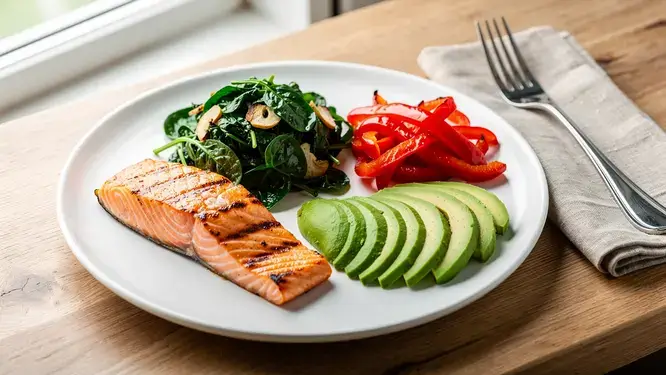
Curious what is the primal diet? Discover how eating like your ancient ancestors—with a side of cheese—might energize you (and your next caveman impression).
Real-Life Fitness for Real People
Since 2024
Functional exercises for seniors improve strength and balance safely with easy-to-follow steps and modifications tailored to diverse abilities. Learn how to build confidence.
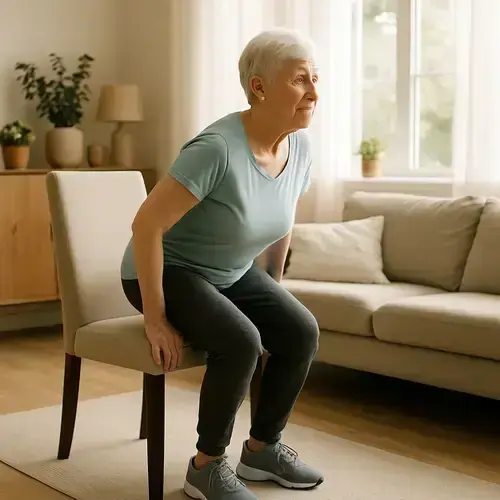
Functional exercises for seniors are essential for building strength, balance, and confidence—especially at home, where aches or worries about injury might prevent starting a new routine. You want to feel stronger and move with confidence—but aches, stiffness, or worries about injury can make starting a new exercise routine feel daunting. What if you could build real-world strength at home, safely, and in just a few minutes a day?
Disclosure: This article contains affiliate links. We may earn a commission at no extra cost to you.
Functional exercises for seniors can restore strength, stability, and independence—but only when each movement is as safe as it is purposeful. Let’s break down essential exercises step-by-step with practical alignment cues, recommended modifications, and specific breathing guidance to reduce common risks. This approach supports a wide range of abilities—from older beginners to active agers—while addressing important safety considerations for common health conditions.
Want a routine that’s quick, easy to follow, and designed for mature women? Try the 7-Minute Ageless Body Secret for joint-friendly, guided workouts—perfect if you want to stay consistent without long sessions eating up your day.
Explore additional gentle programs at calisthenics options for seniors to safely increase strength and confidence at home.
Effective functional exercise programs for seniors require intentional design considering frequency, intensity, time, and type—the FITT principles—to support strength, mobility, and confidence. Below you’ll find a balanced approach suitable whether you’re working with a caregiver, clinician, or managing your own self-led plan.
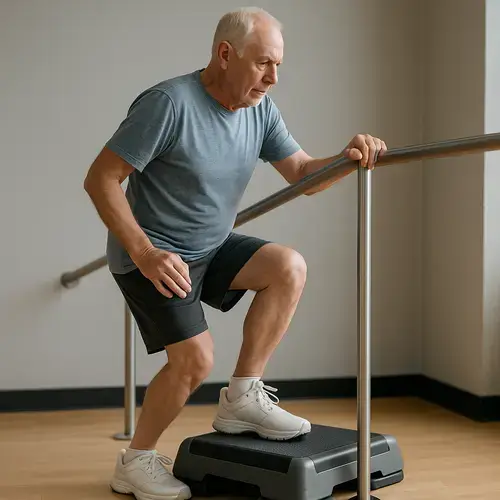
Here’s an 8-week progression outline for functional exercises that you can adapt to your current fitness level:
Rest 45–90 seconds between sets. For balance or core-focused exercises, work 30–60 seconds per side and focus on quality over speed.
If you can complete two extra repetitions beyond your target (say, 14 reps when aiming for 12) in two consecutive workouts, it’s appropriate to increase weight or add another set. This method reduces injury risks while supporting sustainable strength gains. Source: National Institute on Aging
Once exercises feel stable and comfortable—usually by weeks 3 or 4—introduce variations like different squat stances, balance pads under your feet, or household items for added resistance. Rotate exercises every 3–4 weeks to sustain progress and avoid those frustrating plateaus.
For beginner motivation or help building weekly habits that actually stick, see our guide on starting at-home workouts for beginners.
Your non-strength days are a perfect opportunity to add light aerobic work and balance drills to your schedule. Activities can include brisk walking, cycling, swimming, or even dancing—anything that raises your heart rate safely. Integrate short 5–10 minute balance routines: practice standing on one foot, gentle heel-to-toe walks, or try simple movements like sideways stepping. Consistently incorporating these activities can make daily movement easier and reduce risk of falls.
Track your progress in a simple exercise log—record sets, reps, and any balance or mobility notes after each session. This feedback helps identify plateaus early and supports safe, steady advancement. If motivation drops, set small goals such as “add one extra rep” or “hold balance 5 seconds longer.” Join a class or invite a friend for extra accountability. For even more ways to boost your drive, try these top motivation tips.
Remember, your goals can evolve as you gain confidence. Celebrate each milestone, no matter how small—it’s the key to staying active long term.
Ready to level up your results with expert advice and joint-friendly guidance? Get started with Ageless Body Secret—designed for mature adults seeking safe, progressive routines.
Functional exercises for seniors offer so much more than physical strength—they support continued independence, confidence, and enjoyment of everyday life. By choosing exercises that mimic your real-world movements, following safe progressions, and listening to your body, you can make aging less daunting and much more active.
Don’t let uncertainty hold you back. Safe, simple, and intentional movement is the foundation for a vibrant, mobile future—starting today.
For a done-for-you program with joint-friendly moves, simple coaching, and lasting support, join Ageless Body Secret now and rediscover lasting comfort in your body.
Curious what is the primal diet? Discover how eating like your ancient ancestors—with a side of cheese—might energize you (and your next caveman impression).
Curious about the zero starch diet? Learn what you can actually eat, how to avoid salad boredom, and why potatoes are definitely not invited to this party.
A beginner swim workout turns splashing around into smart, safe exercise—even if your best stroke is “try not to panic.” Learn to swim with confidence (and laughs).