Tips
What Is the Primal Diet? Why Your Inner Caveman Might Need a Salad
Curious what is the primal diet? Discover how eating like your ancient ancestors—with a side of cheese—might energize you (and your next caveman impression).
Real-Life Fitness for Real People
Since 2024
Discover how the cheapest diet can actually taste good, spare your wallet, and keep your health (and dignity) intact. Learn easy swaps — no rabbit food required.
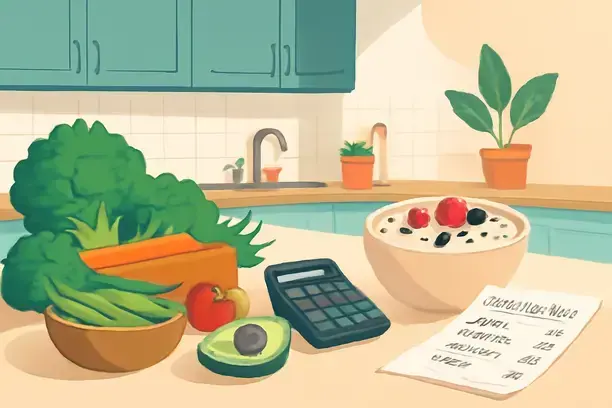
The cheapest diet isn’t about deprivation—cheapest diet options can help you eat well, feel satisfied, and save money while maintaining your health for the long term.
Disclosure: This article contains affiliate links. We may earn a commission at no extra cost to you.
The cheapest diet isn’t just about lowering your grocery bill—it’s about finding affordable ways to nourish your body without sacrificing long-term health. To understand what makes a diet truly cheap, we need to consider not only the money spent but also the nutritional value, health outcomes, and local food environments.
One common approach is measuring cost per calorie, which shows how many calories you get for your money. But calorie cost alone can be misleading since ultra-processed foods may be cheap per calorie yet lack essential nutrients like protein, vitamins, and fiber.
A more meaningful metric is cost per nutrient—how effectively your budget secures protein, iron, fiber, and other vital components. Foods like whole grains, legumes, and seasonal produce typically offer high nutrient density at low cost. For instance, beans and lentils provide protein and fiber at dramatically lower prices than most meats while supporting healthy eating patterns Source: National Institutes of Health.
Local factors heavily influence affordability. Diet staples and food prices vary widely across countries and regions, so a cheap diet in one place often looks very different elsewhere.
For example, a budget-friendly Indian diet built on rice, pulses, and local vegetables contrasts sharply with options common in the US or Europe. Seasonal fluctuations, inflation, and supply chain shifts also affect what’s affordable over time. It’s worth checking up-to-date local resources such as government nutrition guides or market basket reports to stay informed FAO Data on Food Costs.
The healthiest and cheapest diets tend to:
Remember, the real value of a diet isn’t just its grocery cost—poor nutrition can lead to higher health expenses down the line. Diet satisfaction matters, too. A plan you can’t maintain ends up costly in other ways.
To streamline affordable meal prep, some try programs like the 14-Day Rapid Soup Diet, which offers low-cost, high-volume soups designed to fill you up and support your budget. For more on genuinely cheap yet nutritious plans, see our detailed guides on cheap diet planning and tips to eat a Mediterranean diet affordably.
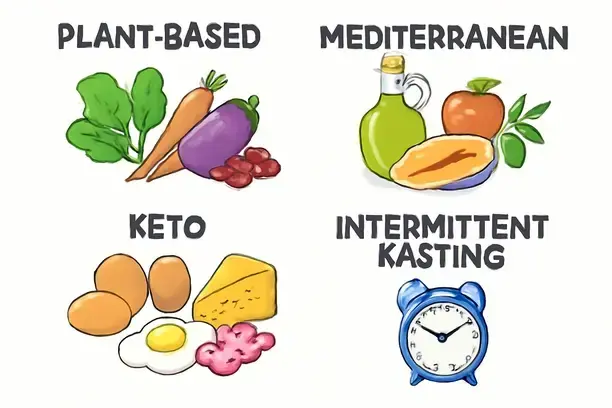
Choosing a diet that balances low cost with health requires looking beyond trends to fit your local food prices, kitchen capabilities, cooking time, and nutrient needs. Here’s a practical comparison of four popular budget-conscious diets: plant-based, Mediterranean, keto, and intermittent fasting (IF).

Costs and ease vary depending on family size, regional prices, and how much you cook.
Across these diets, plan a few core recipes around your cheapest seasonal or frozen vegetables, grains, and proteins. Batch cooking—like soups, stews, or roasted sheet-pan dishes—stretches your budget and saves time.
When prices rise, lean on dried pulses, oats, frozen produce, and value proteins such as eggs or canned tuna.
Ultimately, the cheapest diet emphasizes unprocessed staples, buying in bulk and seasonally, limiting animal products, and avoiding costly packaged foods—regardless of diet labels. For more ideas, learn how to eat Mediterranean affordably or follow a proven cheap healthy diet plan.
Soups stand out as a universal way to reduce food costs while keeping meals nutritious and satisfying. For a quick, low-cost fat-loss approach involving soups, consider the 14-Day Rapid Soup Diet.
Pairing intermittent fasting with soup-based diets may enhance convenience and satiety without expensive supplements or gadgets. Before major dietary changes, especially with reduced meal frequency, consult healthcare providers as recommended by the NIDDK.
Choose the diet that fits your lifestyle, minimizes food waste, aligns with your values, and keeps costs manageable. By adapting basics to your tastes and local markets, any of these patterns can serve as your cheapest diet—provided you plan for nutrient balance and realistic meal prep.
Stuck in a rut or need a quick win? Soup-based plans can help you reset your budget and your habits without overhauling your entire routine.
Understanding exact cost breakdowns helps make cheap and healthy eating feel achievable. Here are three sample daily menus reflecting common U.S. grocery prices in 2024.
Actual prices may vary by region and store.
For more structured low-cost meal guidance with soup plans to boost both savings and satiety, consider the 14-Day Rapid Soup Diet program, offering downloadable recipes and plan outlines for affordable, quick results.
Smart grocery shopping transforms theoretical savings into real-world budget wins. Buy larger packages of foods that lower cost per serving:
Batch cooking is essential—make large pots of soup, chili, or stir-fry to portion for multiple meals. This reduces cost per meal and prep time.
Using eggs or beans to replace some meat meals can cut family grocery bills by $6–10 weekly. Dry beans often cost under $0.25 per serving Source: My Money Coach.
Find more budget-friendly meal prep hacks and thrifty recipes in our guide to healthy eating on a budget.
Swapping higher-cost animal proteins for inexpensive plant-based ones—like dry beans or lentils for two dinners a week—can reduce cost per serving from $2–$3 down to under $0.50. Replacing deli meats with homemade egg salad or roasted chickpeas also yields notable savings.
Batch-cooking a big pot of veggie and bean soup for eight servings often costs only $0.60–$0.80 per serving, compared to $2+ for single-serve packaged meals. Doing this twice weekly can save $10–$20 compared to unplanned shopping.
Meal planning saves money and stress. Setting aside time for prep ensures you have healthy meals on hand, reducing takeout temptation.
For detailed meal plans with grocery lists and batch cooking, try the 14-Day Rapid Soup Diet.
More shopping and meal prep tips are available in our healthy meals on a budget collection. These include ingredient swaps and shortcuts to sustain cheapest-diet eating long-term.
Ready for a quick win? Even one or two batch-cooked soup recipes can make your week easier—and your wallet happier.
Customizing an affordable diet to fit medical conditions and cultural practices is essential because one-size-fits-all plans often fall short. With some adaptations, you can enjoy cost-effective meals that support your health and honor traditions without increasing costs.
For complex or combined restrictions—such as kidney disease plus diabetes—consult a registered dietitian who can tailor affordable, practical swaps based on clinical needs Source: Academy of Nutrition and Dietetics.
No matter your health requirements or cultural background, the principles of the cheapest diet remain the same: focus on whole foods, cook at home, and shop smart. With a few thoughtful swaps, you’ll find it’s entirely possible to eat well on less.
Main Keyword: cheapest diet
Meta Description: Discover how the cheapest diet can actually taste good, spare your wallet, and keep your health (and dignity) intact. Learn easy swaps — no rabbit food required.
Slug: cheapest-diet
Affiliate link: https://2ad89bueu44ftltdolqppp4-iw.hop.clickbank.net
Curious what is the primal diet? Discover how eating like your ancient ancestors—with a side of cheese—might energize you (and your next caveman impression).
Curious about the zero starch diet? Learn what you can actually eat, how to avoid salad boredom, and why potatoes are definitely not invited to this party.
A beginner swim workout turns splashing around into smart, safe exercise—even if your best stroke is “try not to panic.” Learn to swim with confidence (and laughs).