Tips
What Is the Primal Diet? Why Your Inner Caveman Might Need a Salad
Curious what is the primal diet? Discover how eating like your ancient ancestors—with a side of cheese—might energize you (and your next caveman impression).
Real-Life Fitness for Real People
Since 2024
Last month, I stood in the grocery store aisle staring at my nearly empty cart and wallet. The struggle felt real. How could I eat healthy foods and stay within my tight budget? If you’ve ever felt this pinch, you’re not alone. The myth that healthy eating needs expensive organic produce and fancy superfoods has …
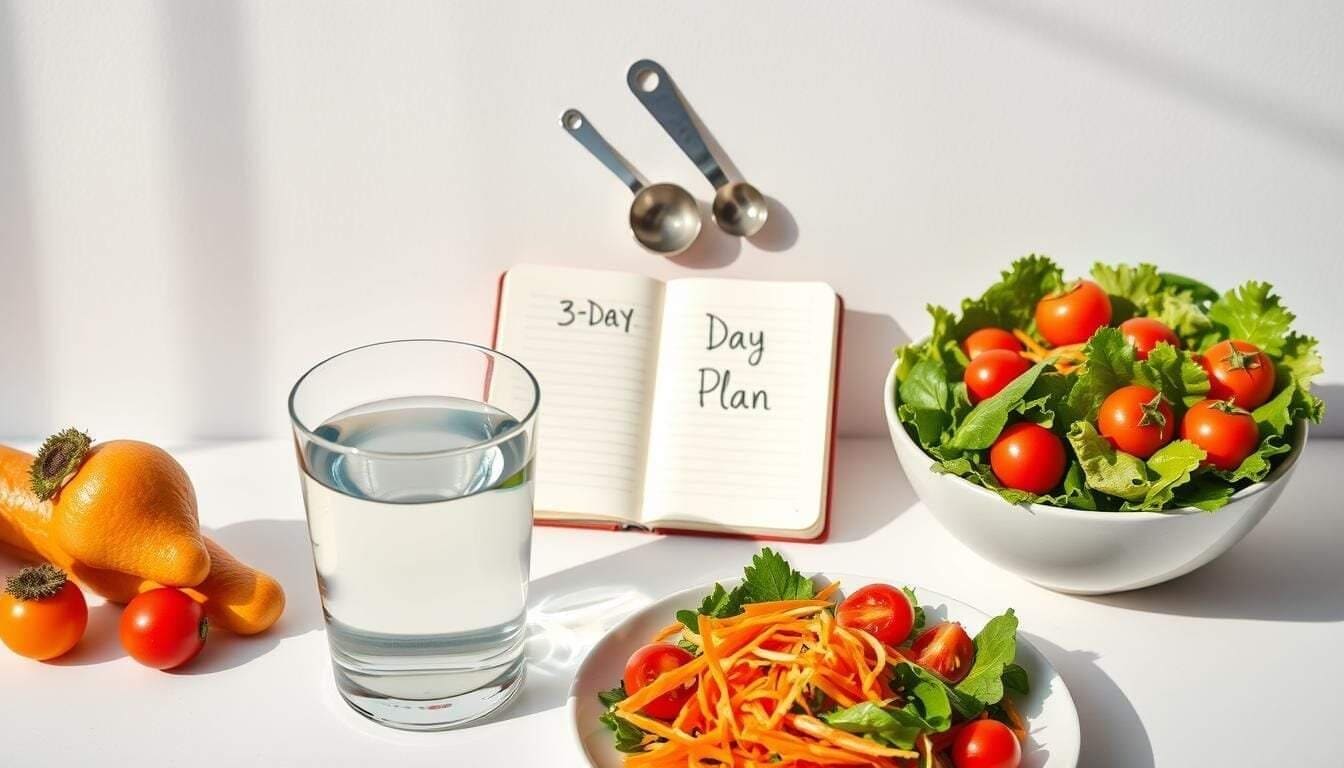
Last month, I stood in the grocery store aisle staring at my nearly empty cart and wallet. The struggle felt real. How could I eat healthy foods and stay within my tight budget? If you’ve ever felt this pinch, you’re not alone.
The myth that healthy eating needs expensive organic produce and fancy superfoods has scared many. I’ve seen friends give up on weight loss because they thought it was too expensive. They thought it cost $8 smoothies and premium meal boxes.
The truth? Nutritious food doesn’t have to drain your bank account. With smart planning and insider knowledge, you can make a cheap diet budget meal plan. This plan will nourish your body and help you lose weight. The secret is knowing which affordable ingredients are the most nutritious.
In this guide, we’ll share practical tips for low-cost weight loss that works. You’ll learn how to shop smarter, prep efficiently, and cook tasty meals. These meals will support your health goals without costing a lot.
Many think healthy food costs too much. But, it’s not true. You can eat well without spending a lot. Let’s look at why.
One big healthy food myth is that you need to shop at fancy stores. But, the truth is, many cheap foods are also very nutritious.
Beans, lentils, eggs, and frozen veggies are cheap. So are fruits in season. They cost less than junk food.
“The idea that healthy food is pricey is a big lie. Whole foods give you more value for your money.”
Just cutting calories isn’t enough for losing weight. Your body needs the right nutrients to work right. Skipping nutrients can hurt your weight loss.
Good foods keep you full, balance your blood sugar, and give you energy. These are key for losing weight the right way.
The diet cost reality is planning ahead is key. Start with small, doable goals for your health and wallet. Don’t try to change everything at once.
Track your food spending and what you eat for a week. This will show you where to save money and eat better without spending more.
Investing in healthy food now can save you money on healthcare later. The link between affordable nutrition and saving money on health is often missed.
Starting a weight loss plan on a budget is easy. You just need to know how to mix affordable foods with what your body needs. You don’t have to spend a lot to eat well and lose weight.
Weight loss is all about burning more calories than you eat. To figure out how many calories you need, think about a few things:
Use the Harris-Benedict equation to find your BMR. For women: BMR = 655 + (4.35 × weight in pounds) + (4.7 × height in inches) – (4.7 × age in years). For men: BMR = 66 + (6.23 × weight in pounds) + (12.7 × height in inches) – (6.8 × age in years).
Then, multiply your BMR by your activity factor. Use 1.2 for sitting a lot, 1.375 for light activity, 1.55 for moving a bit, or 1.725 for being very active. To lose 1-2 pounds a week, cut 500-1000 calories from your daily total.
Having a balanced diet means spreading your calories among proteins, carbs, and fats. Each one is important for health and losing weight. The trick is finding cheap ways to get them.
Protein helps keep your muscles strong and keeps you full. Here are some cheap options:
For a 150-pound person, aim for 75-120 grams of protein daily. This can be done for under $5 a day with these foods.
Complex carbs give you energy and fiber. Here are some cheap ones:
These carbs help you feel full and support weight loss without costing too much.
Healthy fats are key for hormones and nutrient absorption. Here are some cheap ones:
A little fat is all you need, making these options affordable.
| Macronutrient | Budget Sources | Cost Per Serving | Daily Requirement | Weekly Budget |
|---|---|---|---|---|
| Protein | Eggs, beans, canned fish | $0.50-1.00 | 75-120g | $15-25 |
| Carbohydrates | Oats, rice, potatoes | $0.20-0.50 | 150-225g | $7-12 |
| Fats | Oils, nuts, seeds | $0.30-0.75 | 40-65g | $8-15 |
| Total | Complete diet | $3-5 daily | 1500-1800 calories | $30-50 |
By focusing on these budget-friendly foods and knowing your calorie needs, you can lose weight affordably. This approach is cheaper than most diet plans and is better for your health.
The supermarket can be a budget-buster or a savings spot. It depends on your shopping strategy. With food prices going up, learning to shop smart is key. You can save money without giving up nutrition.
Start with a meal plan to avoid overspending. Check what you already have at home. This helps you avoid buying things you already have.
Plan meals that use the same ingredients. For example, use cilantro in Monday’s dish and again later in the week. This way, you use up what you buy.
Leftovers can become new meals with little effort. A leftover chicken can turn into chicken salad or soup. This saves money and cuts down on waste.
Seasonal produce is cheaper and more nutritious. Summer has affordable berries and tomatoes. Fall has apples and squash at good prices.
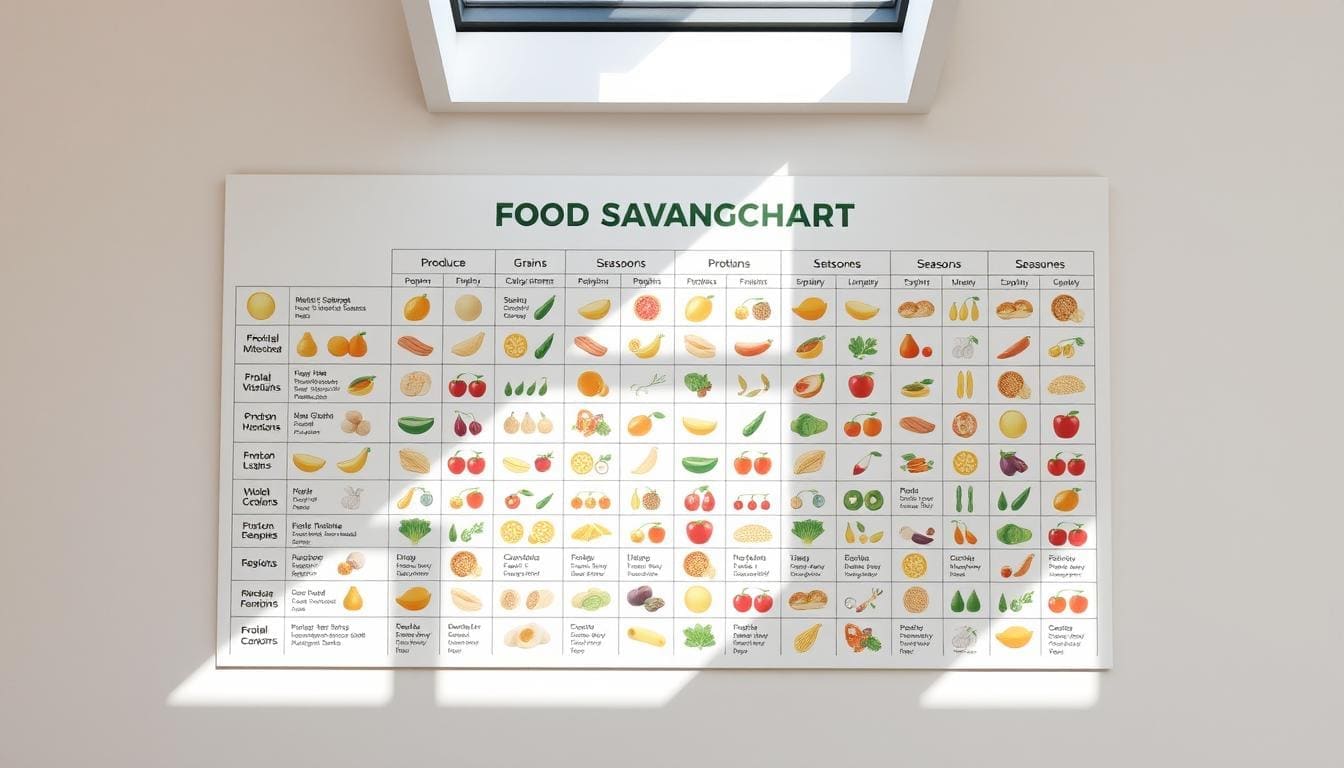
Local farmers’ markets offer great deals on in-season produce. They often sell at lower prices at the end of the day.
Not all bulk buys save money. A good bulk buying strategy looks at three things:
Split big packages into smaller ones right away. This stops waste and helps you keep track of what you’re using.
Store brands are now just as good as name brands but cheaper. Basic items like flour and sugar are often the same quality.
But, some items might be worth the extra cost. Check the ingredients to see if the name brand is really better. Many store brands are made in the same places as name brands.
More grocery shopping tips: never shop when you’re hungry, stick to your list, and compare prices by weight. Also, shop the outer aisles first for fresh foods.
Knowing which foods are both healthy and cheap is key to losing weight on a budget. You can make tasty meals that help you lose weight without spending a lot. This is done by smart shopping and simple cooking.
Some foods are very healthy and also very cheap. These cheap superfoods are packed with nutrients:
These foods are the base of a good weight loss plan without spending a lot. By using these foods in your meals, you get variety and save money.
Budget meal prep means planning and using ingredients wisely. Spending a few hours each weekend can save you money and time all week.
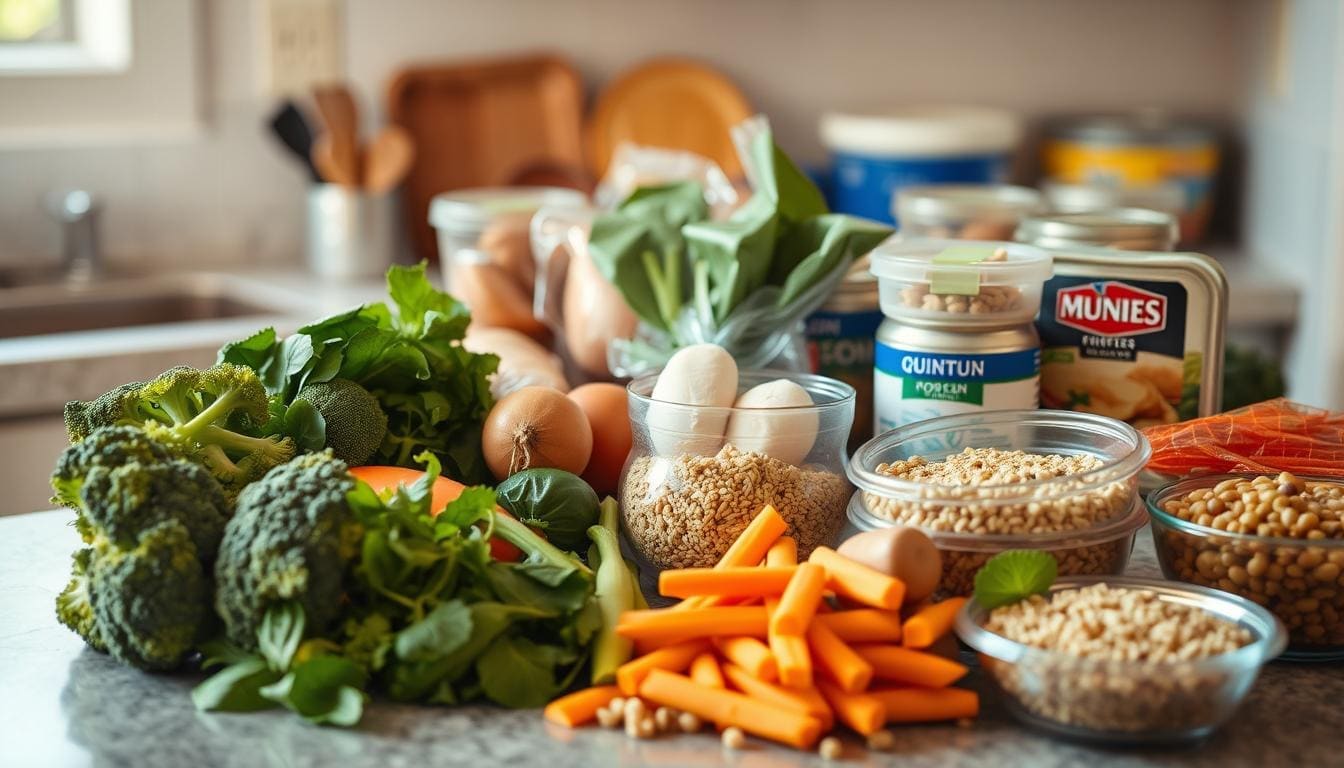
These midday meals keep you full without spending a lot:
End your day with these filling inexpensive recipes:
Affordable portion control helps with weight management and saves money. Here are some tips:
Remember, portion control doesn’t mean you’ll be hungry. Fill half your plate with veggies to make meals that are both filling and budget-friendly.
Eating well without spending too much is a long-term plan. It’s not just for now. By planning and shopping smart, you can make it work.
The first weeks might be tough. You’ll learn new ways to shop and cook. But, these changes will become easy over time. They help you eat healthy for years.
Be ready to change your meal plans often. Look for what’s in season and on sale. This keeps your budget and health goals in check. Healthy foods now can save you money later.
As you go, you’ll find your favorite budget-friendly foods. Some weeks you’ll save more than others. It’s okay. The goal is to get better at eating well and saving money.
With time, eating on a budget will feel easy. Your body will get more energy and stay healthy. Your wallet will be happy too. Just start and see how it goes.
Curious what is the primal diet? Discover how eating like your ancient ancestors—with a side of cheese—might energize you (and your next caveman impression).
Curious about the zero starch diet? Learn what you can actually eat, how to avoid salad boredom, and why potatoes are definitely not invited to this party.
A beginner swim workout turns splashing around into smart, safe exercise—even if your best stroke is “try not to panic.” Learn to swim with confidence (and laughs).