Tips
What Is the Primal Diet? Why Your Inner Caveman Might Need a Salad
Curious what is the primal diet? Discover how eating like your ancient ancestors—with a side of cheese—might energize you (and your next caveman impression).
Real-Life Fitness for Real People
Since 2024
Sarah stared at her reflection, feeling a familiar frustration. The healthy habits that served her well in her thirties seemed to have lost their power. Now in her forties, her energy dipped by afternoon, and the number on the scale crept up despite her efforts. She wasn’t alone in this journey—she’d begun searching for the …
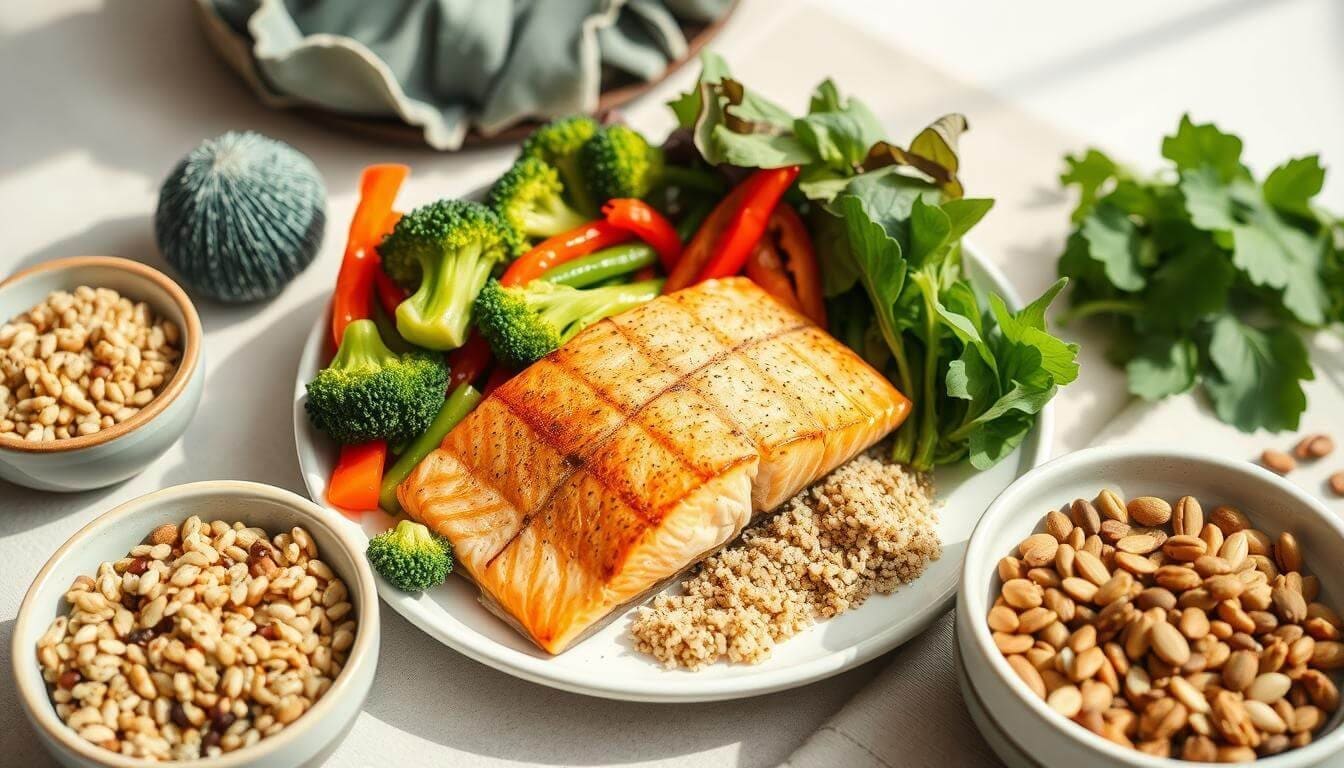
Sarah stared at her reflection, feeling a familiar frustration. The healthy habits that served her well in her thirties seemed to have lost their power. Now in her forties, her energy dipped by afternoon, and the number on the scale crept up despite her efforts. She wasn’t alone in this journey—she’d begun searching for the best diet for middle-aged women.
This stage of life brings unique changes for women. Hormones shift, metabolism adjusts, and nutritional needs evolve. Finding the right nutritional approach—the best diet for middle-aged women—becomes crucial for maintaining vitality and health.
This guide is designed to cut through the confusion. We explore the best diet for middle-aged women, with eating plans that truly support your body during these transformative years. You’ll discover how to nourish yourself for sustained energy, hormonal balance, and healthy weight management.
The goal is simple: to help you feel strong, vibrant, and confident in your own skin. Let’s build a sustainable diet that works for your life right now.
As women approach their forties and beyond, their bodies communicate different nutritional requirements. The eating patterns that once worked well may no longer provide optimal support for changing needs.
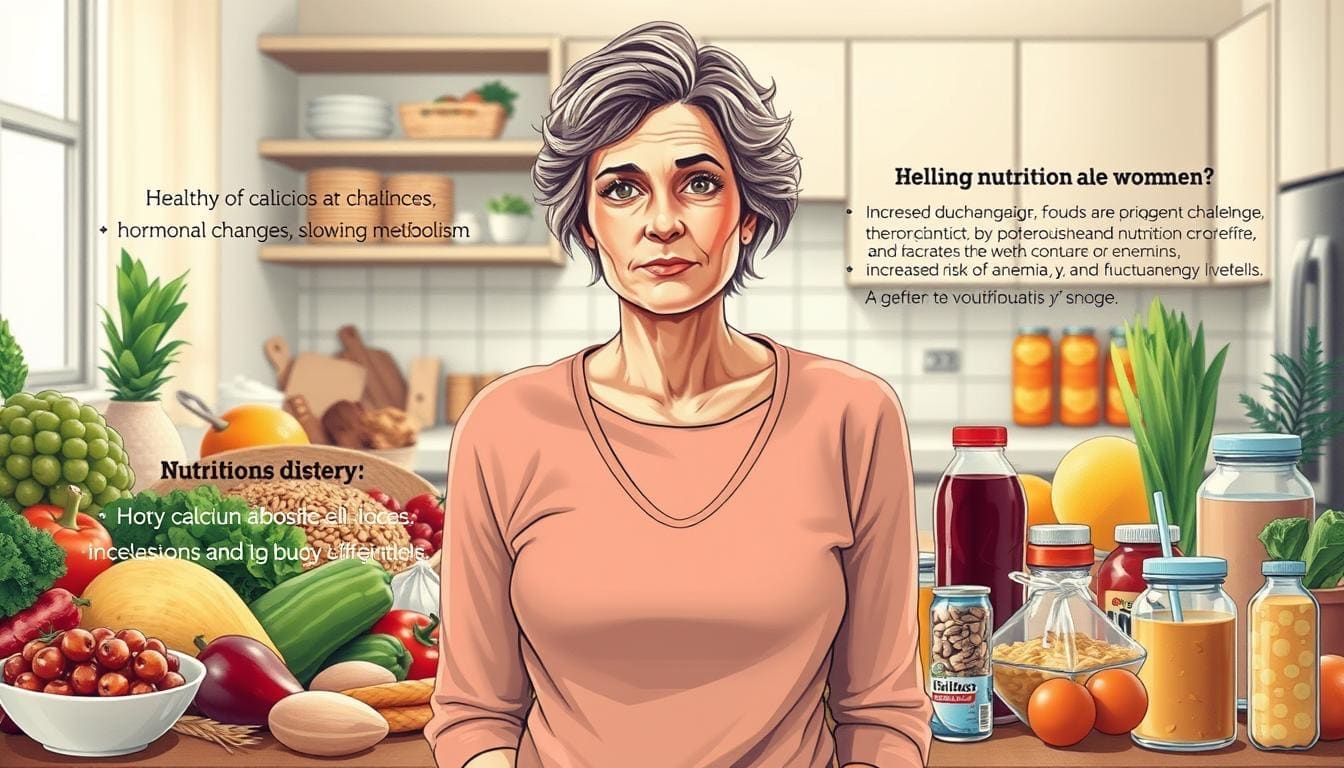
Many women face significant shortfalls in essential nutrients. Iodine, calcium, folate, and magnesium often fall below recommended daily intake levels.
Age-related changes affect how your body processes these vital nutrients. Reduced stomach acid production can limit absorption of iron, calcium, and B vitamins. This impacts overall health and energy availability.
Metabolic rate naturally adjusts during midlife, though research shows this change is typically modest. The combination of hormonal shifts and nutrient absorption challenges can affect energy levels.
Weight management requires renewed attention to nutrient-dense foods. A balanced approach to your diet helps address these evolving needs effectively. Understanding these changes empowers you to make targeted nutritional choices.
The transition into midlife brings profound hormonal shifts that reshape nutritional needs. As estrogen and progesterone levels fluctuate, your body responds differently to the food you eat.

Many women experience challenging symptoms during this transition. Hot flashes, night sweats, and mood changes can disrupt daily life. Research shows that strategic diet choices may help alleviate these discomforts.
Plant-based eating patterns show particular promise. Studies link them to fewer hot flashes and improved overall well-being. Your nutritional approach can significantly impact how you navigate these changes.
Hormonal fluctuations directly affect how your body processes nutrients. As women age, blood sugar responses to meals often become more dramatic. This can lead to energy crashes and weight management challenges.
Fat metabolism also undergoes significant changes during perimenopause. Understanding these shifts empowers you to make dietary adjustments that work with your body’s natural processes rather than against them.
Fueling your body with the right combination of foods is the secret to unlocking steady energy throughout the day. A strategic approach focuses on three core components that work in harmony.
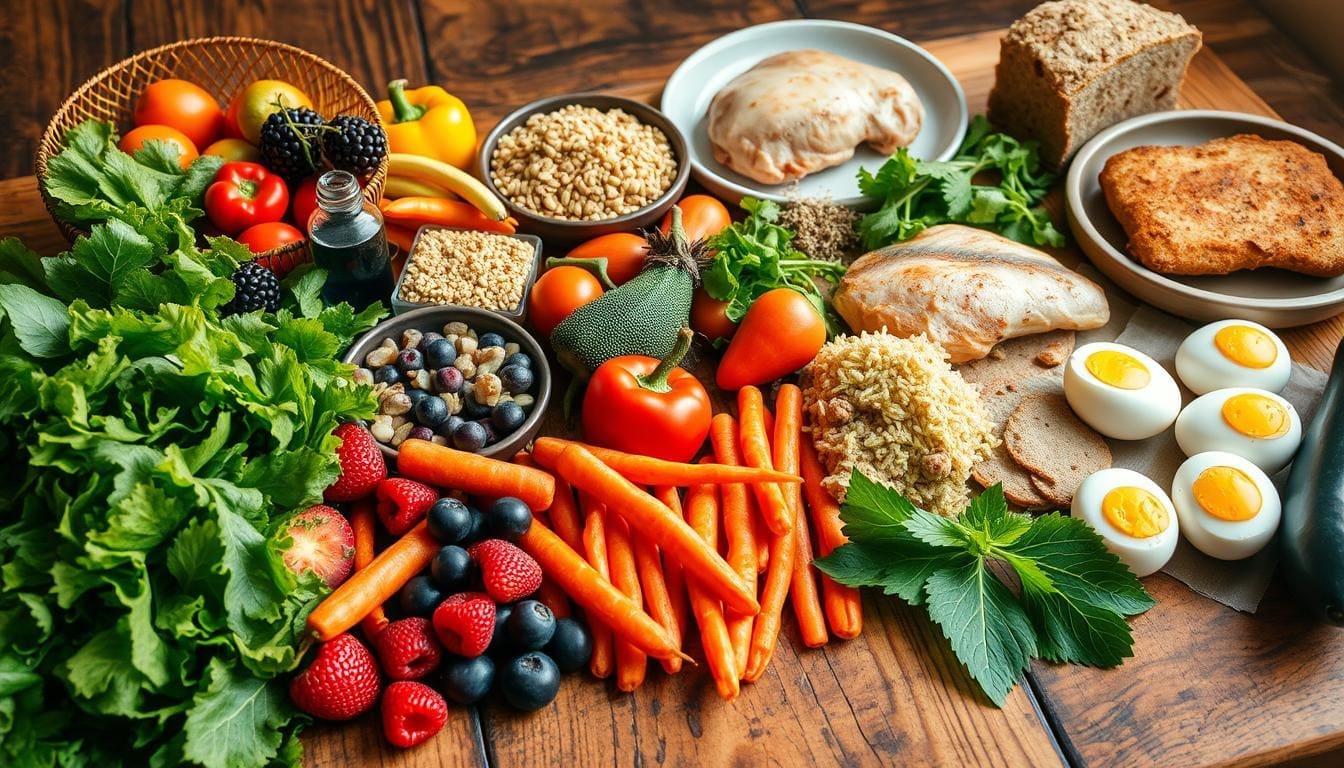
Whole grains like oats, brown rice, and rye are energy powerhouses. They digest slowly, providing a steady glucose release that avoids energy crashes.
Oats contain beta-glucan fiber for stable blood sugar. Brown rice offers calming GABA. Rye prevents insulin spikes.
Protein intake becomes crucial for managing appetite and maintaining muscle. Excellent sources include tofu, beans, eggs, fish, and lentils.
Don’t fear healthy fats. They provide sustained energy and support hormone production. Olive oil is a superstar here.
As a primary fat source, this oil offers anti-inflammatory properties. It helps absorb vital vitamins and protects heart health.
This nutritional plan may help you feel fuller longer and maintain vibrant energy levels.
Two eating patterns stand out for their proven benefits in supporting cardiovascular wellness. The Mediterranean approach and DASH eating plan offer powerful strategies for maintaining vitality during midlife transitions.
Heart disease remains a leading concern for women over fifty. These nutritional approaches may help reduce this risk significantly. Both emphasize foods that support overall cardiovascular health.
These eating patterns prioritize abundant plant-based foods. Colorful vegetables and fresh fruits provide essential antioxidants and fiber. Nuts offer healthy fats and minerals that support heart function.
Research shows these food groups work together to protect against chronic disease. They naturally help manage blood pressure through their nutrient composition. Including them daily creates a foundation for long-term health.
The DASH approach specifically targets blood pressure management. It recommends limiting sodium intake to 1,500-2,300 milligrams daily. This strategy helps prevent hypertension development.
Both diets focus on nutrient-rich whole foods over processed options. They emphasize minerals like potassium, calcium, and magnesium. These elements work synergistically to support cardiovascular health and reduce disease risk.
Beyond the well-known Mediterranean and DASH approaches, other evidence-based eating patterns offer unique advantages. These options provide flexibility while supporting specific health goals during this important life stage.
The Flexitarian approach combines plant-based eating with occasional animal products. This balanced method ensures adequate iron and omega-3 intake from foods like fish. It supports heart health while maintaining flexibility.
The MIND diet specifically targets cognitive function protection. It emphasizes berries, leafy greens, and fatty fish while limiting processed foods. Research suggests this pattern may reduce dementia risk.
| Feature | Flexitarian Approach | MIND Diet |
|---|---|---|
| Primary Focus | Flexible plant-based eating | Brain health protection |
| Key Foods | Plants with occasional meat/fish | Berries, greens, olive oil, fish |
| Health Benefits | Heart health, weight management | Cognitive function, dementia risk reduction |
| Flexibility Level | High flexibility | Moderate structure |
Intuitive eating focuses on listening to your body’s natural signals. It moves away from restrictive rules toward mindful nourishment. This approach improves psychological well-being and food relationship quality.
Chronic dieting can diminish life quality and lead to rebound weight issues. Intuitive eating promotes sustainable habits without elimination of food groups. It supports long-term wellness rather than short-term results.
Strategic nutrient focus becomes increasingly important as your body’s needs change. Certain vitamins, minerals, and fiber play crucial roles in supporting bone density, hormonal balance, and overall vitality during this life stage.
Bone health requires special attention to calcium, vitamin D, and vitamin K. Excellent sources include dairy products, leafy greens, and salmon. These nutrients work together to maintain strong bones.
Eggs deserve special recognition as nutritional powerhouses. They provide vitamin D plus choline, which supports liver function and brain health. Including eggs in your dietary pattern offers multiple benefits.
Fiber intake is another critical consideration. Most people consume only half the recommended 30 grams daily. Adequate fiber supports gut health and may reduce depression symptoms.
Omega-3 fatty acids from fish like salmon and sardines offer heart protection. They may also help manage perimenopausal symptoms. Including these foods regularly supports metabolic health.
Hydration is equally vital—aim for about 2 liters of water daily. Since vitamin D sources are limited, consider supplementation to ensure adequate intake as your body changes.
Practical meal planning transforms nutritional knowledge into daily success. Organizing your weekly food intake helps maintain consistency with healthy choices. This approach reduces decision fatigue and supports your wellness goals effectively.
Batch cooking versatile ingredients like beans and lean meat saves time. Keep your pantry stocked with whole grains and canned fish for quick meals. These staples form the foundation of nutritious recipes.
Portion control prevents overconsumption of calories. Start by measuring servings to understand proper amounts. Aim for three dairy servings each day or calcium-rich alternatives.
| Food Group | Serving Size | Daily Target |
|---|---|---|
| Dairy/Calcium Sources | 200ml milk or 30g cheese | 3 servings per day |
| Whole Grains | 1/2 cup cooked | 2-3 servings per day |
| Lean Protein | 3-4 ounces | 2 servings per day |
| Vegetables | 1 cup raw or 1/2 cup cooked | 4-5 servings per day |
Understanding your calorie needs supports sustainable weight loss. A 50-year-old female typically needs around 1,800 calories per day to maintain weight. Individual factors like activity level influence this number.
For gradual weight loss, reduce intake by about 500 calories per day. This creates a deficit for losing one pound weekly. Consult your doctor for personalized calorie targets.
Mindful eating practices help you tune into hunger signals. Make every mouthful count rather than eating without thinking. This approach improves your relationship with food long-term.
Making nutritional changes that stick involves integrating new habits into your existing routines rather than overhauling everything at once. This approach supports sustainable health improvements that become natural parts of your everyday life.
After menopause, your cardiovascular risk equals that of men, making weight management crucial. Excess weight gain, especially around the midsection, increases risks for heart disease and diabetes.
Regular activity becomes essential for bone and joint health. Weight-bearing exercises like walking or yoga support metabolic rate and muscle function. Even small increases in daily movement yield significant benefits.
Sleep quality matters more than duration for metabolic health. ZOE research shows earlier bedtimes and better sleep patterns improve blood sugar control and weight management.
Track progress through energy levels and how clothes fit rather than daily scale obsessions. Notice improvements in symptoms and markers like blood pressure.
Small dietary steps provide benefits even without perfect adherence. Focus on progress over perfection. Higher-protein intake helps with weight loss after fifty.
Include nutrient-rich seeds in your diet for added fiber and healthy fats. These small additions support long-term body function and help prevent diabetes risks.
Embracing evidence-based eating approaches can significantly impact your long-term vitality and wellness. The right nutritional plan supports your body’s changing needs while fitting comfortably into your lifestyle.
Focus on nutrient-rich foods like colorful vegetables, lean proteins, and healthy sources of fats including nuts. This approach to your diet may help reduce risks for chronic conditions like heart disease and type 2 diabetes.
Your journey toward better health may also include complementary lifestyle changes. Remember that consistency matters more than perfection. Small improvements in your dietary choices create lasting benefits for your overall quality of life.
Consult with healthcare providers to personalize your nutrition strategy. This ensures your approach aligns with your unique needs as you move forward with confidence and vitality.
Focus on whole foods like vegetables, fruits, and whole grains for fiber. Include lean protein sources like fish, beans, and eggs for muscle health. Don’t forget healthy fats from sources like olive oil, nuts, and seeds, which support heart and brain function.
A balanced intake can make a big difference. Foods rich in phytoestrogens, like flax seeds and soy, may help with hormonal symptoms. Stable energy comes from combining lean protein, complex carbs from whole grains, and healthy fats to avoid blood sugar spikes.
Yes! Extra virgin olive oil is a cornerstone of the Mediterranean way of eating. It’s packed with monounsaturated fats and antioxidants that can help reduce inflammation and lower the risk of heart disease. Use it for cooking or in dressings.
Pay attention to portion control and food quality. Fill half your plate with non-starchy vegetables, a quarter with lean protein, and a quarter with whole grains. This approach helps control calories while ensuring you get vital nutrients.
Both are excellent options. They emphasize vegetables, fruits, nuts, fish, and healthy oils like olive oil. These patterns are linked to a lower risk of chronic disease, better heart health, and support for healthy aging.
Calcium and Vitamin D are crucial for bone strength. Fiber from beans, vegetables, and whole grains aids digestion and heart health. Omega-3 fatty acids, found in fish like salmon, support brain function and help fight inflammation.
Curious what is the primal diet? Discover how eating like your ancient ancestors—with a side of cheese—might energize you (and your next caveman impression).
Curious about the zero starch diet? Learn what you can actually eat, how to avoid salad boredom, and why potatoes are definitely not invited to this party.
A beginner swim workout turns splashing around into smart, safe exercise—even if your best stroke is “try not to panic.” Learn to swim with confidence (and laughs).