Tips
What Is the Primal Diet? Why Your Inner Caveman Might Need a Salad
Curious what is the primal diet? Discover how eating like your ancient ancestors—with a side of cheese—might energize you (and your next caveman impression).
Real-Life Fitness for Real People
Since 2024
Discover safe, effective arm exercises for older women that build strength and improve mobility with easy, joint-friendly routines you can do at home.
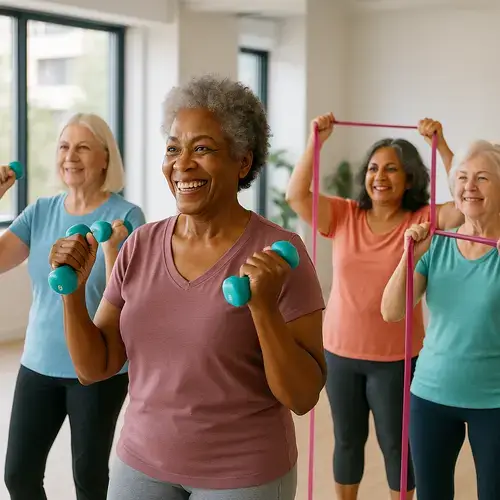
Arm exercises for older women are an excellent way to build strength and stay independent, but it’s important to focus on safety and proper modifications for your unique needs.

Disclosure: This article contains affiliate links. We may earn a commission at no extra cost to you.
You want stronger, more toned arms—but not at the expense of your joints or peace of mind. If you’ve ever worried about pain or injury holding you back, you’re not alone.
Before you start any Arm Exercises for Older Women, let’s talk safety. Your body will usually give you pretty clear signals when something’s not right. Watch out for new or worsening pain in your shoulder, elbow, or wrist—especially sharp or shooting sensations. If you’ve had a recent fall, fracture, or surgery (particularly joint replacements), hold off until you’ve gotten medical clearance. Unexplained swelling or numbness in your arms? That’s another red flag. Stop exercising that area immediately and check with your doctor before resuming. This goes double if you’re managing osteoporosis or cardiovascular conditions that already limit your activity levels.
Now, certain health conditions need specific exercise tweaks to keep you safe while still building strength:
These modifications aren’t compromises—they’re smart strategies that let you train effectively within your individual health profile. And listen: if you run into persistent pain, weakness, tingling, or swelling during any exercise, stop right away and consult a healthcare professional. Better safe than sidelined.
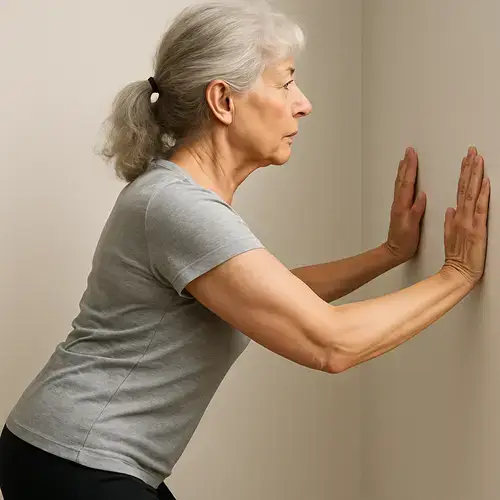
Here’s the good news: building arm strength doesn’t require a gym membership or fancy equipment. You’ve probably got everything you need sitting in your kitchen right now. Filled water bottles or canned goods work perfectly for bicep curls, tricep extensions, and shoulder presses. Wall push-ups let you strengthen your arms, shoulders, and chest without ever getting down on the floor.
When balance or stamina is a concern, you can do most standing exercises while seated in a sturdy chair with good back support. Keep your feet flat, your back straight, and your core gently engaged—this maintains proper alignment and keeps you stable. Seated sequences take the strain off your hips and knees, making them ideal if you’re dealing with mobility limitations or joint pain.
Always progress gradually and pay attention to what your body’s telling you. If something hurts beyond typical muscle fatigue, reduce the weight, shorten your range of motion, or switch to a wall-supported alternative.
If you’re looking for a quick, joint-friendly routine that fits into your day without fuss, there are programs specifically designed for women 40+ that require no equipment and take less than 10 minutes. These can help you stay consistent even on your busiest days.
Try a 7-minute, no-equipment arm routine
You might also want to explore more gentle home training options in our article on getting fit without a gym.
Before starting any new routine—especially if you’ve got medical concerns or limited mobility—check in with your healthcare provider to make sure you’re good to go. The National Institute on Aging has clear exercise examples for all abilities. Source: National Institute on Aging
Let’s break down how to structure your arm training so you’re building strength safely and consistently. Below are beginner, intermediate, and maintenance templates you can adapt based on your abilities and health background.
Progression: Once you can complete two sets at 12 reps with solid form, gradually increase the weight or add a few more repetitions.
Progression: Once you’re moving through this comfortably, increase the resistance or add an extra set (max four sets). Keeping a simple workout log helps you track your progress week to week.
This approach works beautifully for maintaining strength during travel or busy periods when life gets hectic.
Listen to your body throughout this process. If soreness lasts beyond 48 hours or your form starts breaking down, that’s a signal to reduce volume before progressing further.
If you prefer a done-for-you approach, there are short, structured routines tailored for women 40+ that help you stay on track, even with a packed schedule.
Proper form isn’t just about looking good—it’s what keeps you safe, reduces joint stress, and makes every rep count. Here’s what to watch for in the most common arm exercises.
Filming yourself or exercising in front of a mirror is a great way to catch sneaky form issues. Don’t hesitate to pause and rest if you feel fatigued—quality beats quantity, especially for joint health.
With attentive technique and some consistency, these small changes add up to reliable, lifelong results.
Remember, for Arm Exercises for Older Womenconsistency is more important than intensity. It’s better to train gently but often, building habits you can maintain for years to come.
Thank you for Reading the article about Arm Exercises for Older Women
Curious what is the primal diet? Discover how eating like your ancient ancestors—with a side of cheese—might energize you (and your next caveman impression).
Curious about the zero starch diet? Learn what you can actually eat, how to avoid salad boredom, and why potatoes are definitely not invited to this party.
A beginner swim workout turns splashing around into smart, safe exercise—even if your best stroke is “try not to panic.” Learn to swim with confidence (and laughs).