Tips
What Is the Primal Diet? Why Your Inner Caveman Might Need a Salad
Curious what is the primal diet? Discover how eating like your ancient ancestors—with a side of cheese—might energize you (and your next caveman impression).
Real-Life Fitness for Real People
Since 2024
Grocery shopping can be overwhelming. Healthy eating seems complex, but it doesn’t have to be. With the right approach, balanced nutrition becomes easy when you understand how to follow a proper diet. Healthy eating is a sustainable lifestyle, not a trend. It’s about nourishing your body with every meal. Learning how to follow a proper …

Grocery shopping can be overwhelming. Healthy eating seems complex, but it doesn’t have to be. With the right approach, balanced nutrition becomes easy when you understand how to follow a proper diet.
Healthy eating is a sustainable lifestyle, not a trend. It’s about nourishing your body with every meal. Learning how to follow a proper diet allows you to make informed choices that match your health goals.
Men need about 2,500 calories daily, while women need 2,000. But a proper diet isn’t just about calories—it’s about balancing energy intake and use. Knowing how to follow a proper diet helps ensure you’re getting the right nutrients.
Fill your plate with colorful fruits and vegetables. Choose whole grains over refined carbs. Select lean proteins to keep you satisfied.
Small, consistent changes can greatly improve your health. These tips will guide you toward better nutrition, helping you feel energized and confident in your choices.
A balanced diet is key to good health. It’s important to know nutrition basics for smart food choices. Let’s look at what makes a healthy eating plan.
Your body needs energy from food calories to work. Calorie needs change based on age, gender, and how active you are. Eating more calories than you use leads to weight gain.
Eating fewer calories results in weight loss. Finding the right balance helps keep a healthy weight.
Essential nutrients are vital for your body. These include vitamins, minerals, and fiber. Fruits, veggies, whole grains, and lean proteins have lots of these nutrients.
Whole eggs are a good example. They give 5–21% of daily iron, phosphorus, zinc, and vitamins A and B12.
Macronutrients are the main parts of our diet: carbs, proteins, and fats. Each has a special job in keeping you healthy. Carbs give energy, proteins build tissues, and fats help cells grow.
The “Rule of Threes” says to include all three in meals for best nutrition.
| Macronutrient | Function | Food Sources |
|---|---|---|
| Carbohydrates | Energy source | Whole grains, fruits, vegetables |
| Proteins | Tissue repair | Lean meats, fish, beans, eggs |
| Fats | Cell growth | Nuts, avocados, olive oil |
Knowing these basics helps you make better food choices. A varied diet with whole foods gives your body the nutrients it needs.

A proper diet is vital for good health and disease prevention. It focuses on balance, variety, and portion control. These guidelines can greatly improve your well-being.
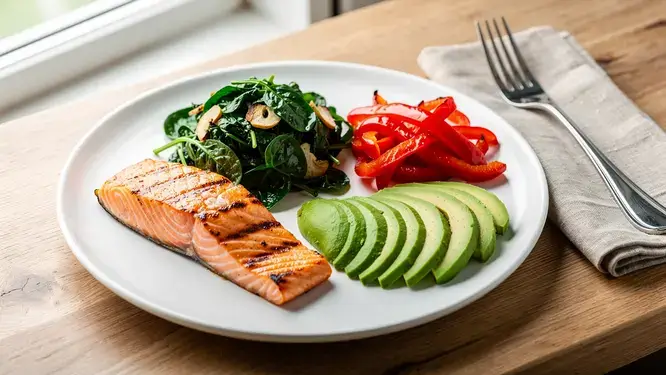
Fill half your plate with veggies and fruits at every meal. This provides essential vitamins, minerals, and fiber. Whole grains should take up a quarter of your plate.
The last quarter should be protein foods like lean meats or plant-based options. Eating various foods is key for optimal nutrition. Try to eat fish twice weekly for heart-healthy omega-3 fatty acids.
Limit ultra-processed foods, which make up almost 50% of some diets. Choose whole, nutrient-dense options instead. Eat smaller, frequent meals to keep blood sugar levels stable.
Following these principles can reduce your risk of chronic diseases by up to 80%. A healthy diet isn’t about strict rules. It’s about making smart choices for long-term health.
Meal planning and portion control are vital for a healthy diet. These skills help manage food intake and make nutritious choices easier.
Your plate size can greatly impact your portion sizes. Smaller plates trick your brain into feeling satisfied with less food.
A 2017 study found smaller plates increased fullness and reduced calorie intake. This effect was seen in people of moderate weight.
Spacing meals throughout the day helps maintain steady energy levels. Aim for three main meals and two small snacks.
This approach prevents overeating and keeps your metabolism active.
Meal prep is a game-changer for busy people trying to eat healthy. Plan and prepare meals in advance each week.
This saves time and reduces the temptation to grab unhealthy fast food.

| Food Group | Portion of Plate | Examples |
|---|---|---|
| Vegetables and Fruits | 50% | Leafy greens, carrots, apples |
| Whole Grains | 25% | Quinoa, brown rice, whole wheat bread |
| Protein | 25% | Fish, chicken, beans, nuts |
Meal planning isn’t about perfection. It’s about making healthy eating easier and more enjoyable.
Start with small changes and build from there.
A whole foods diet focuses on eating foods close to their natural state. This approach can boost your intake of fiber, vitamins, and minerals. The USDA suggests eating nutrient-dense foods within a 2,000-calorie daily limit.
Fresh produce is key to a healthy diet. Eating various fruits and veggies can lower your risk of diseases. Try filling half your plate with colorful produce at each meal.
Choose lean proteins like fish, chicken, and plant-based options. Fish is rich in omega-3 fats, which may help prevent heart disease. Aim for two portions of fish weekly, with one being oily fish.
Include healthy fats from sources like avocados, nuts, and olive oil.
Opt for whole grains over refined carbs. A study found whole grain wheat bread led to less belly fat. Whole grains provide more fiber and nutrients, supporting better health.
“Following a whole-foods, plant-based diet for six months resulted in an average weight loss of about 10 pounds.”
By focusing on whole foods, you can improve your health and maintain a healthy weight. This diet isn’t about restriction but enjoying nutritious, delicious foods.
Long-term dietary success isn’t about quick fixes. It’s about making sustainable eating habits part of your lifestyle. Most people regain lost weight over time when following diets.
Whole-food diets are linked to better health outcomes globally. They help reduce chronic diseases like obesity and diabetes. Start by adding more fruits and vegetables to your meals.
Try swapping refined grains for whole grains. Incorporate one or two new habits at a time. This approach makes lifestyle changes more likely to stick.
Setbacks are normal in the journey to healthier habits. Don’t let them discourage you. View setbacks as part of the process.
People who track their progress are more likely to maintain healthy habits. Use a food diary or phone app to monitor your choices. Celebrate your wins, no matter how small.
Patience is key when forming new dietary habits. The rewards are worth it. Many people feel more energized after making dietary changes.
Focus on sustainable eating habits and gradual lifestyle changes. This approach sets you up for long-term success and improved health.
Curious what is the primal diet? Discover how eating like your ancient ancestors—with a side of cheese—might energize you (and your next caveman impression).
Curious about the zero starch diet? Learn what you can actually eat, how to avoid salad boredom, and why potatoes are definitely not invited to this party.
A beginner swim workout turns splashing around into smart, safe exercise—even if your best stroke is “try not to panic.” Learn to swim with confidence (and laughs).