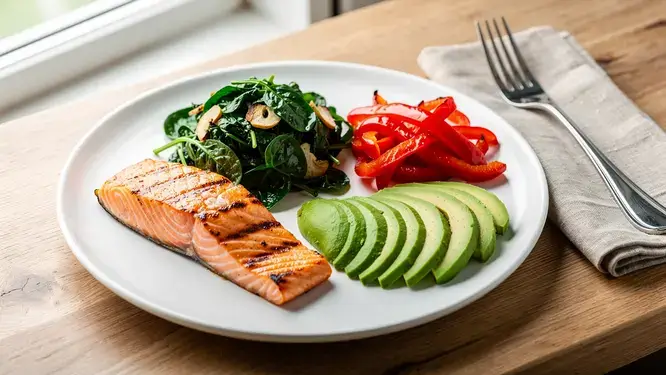
Tips
What Is the Primal Diet? Why Your Inner Caveman Might Need a Salad
Curious what is the primal diet? Discover how eating like your ancient ancestors—with a side of cheese—might energize you (and your next caveman impression).
Real-Life Fitness for Real People
Since 2024
Grocery shopping can be eye-opening. Most items on shelves contain added sugar. The average American eats 22 teaspoons of added sugar daily. This far exceeds recommended limits. Learning how to eat a diet with no sugar can help you make healthier choices and reduce unnecessary sugar intake. A no-sugar diet is a powerful health move. …

Grocery shopping can be eye-opening. Most items on shelves contain added sugar. The average American eats 22 teaspoons of added sugar daily. This far exceeds recommended limits. Learning how to eat a diet with no sugar can help you make healthier choices and reduce unnecessary sugar intake.
A no-sugar diet is a powerful health move. It cuts empty calories and may lower disease risks. Let’s explore how to eat a diet with no sugar while staying healthy and energized.
The American Heart Association has sugar guidelines. Men should limit added sugar to 9 teaspoons daily. Women should aim for 6 teaspoons. That’s much less than current averages!
Don’t worry about losing flavor. You can still enjoy tasty meals and snacks. The right approach to how to eat a diet with no sugar lets you savor food while living low-sugar.
Sugar affects our health beyond just giving us energy. Many adults in the U.S. eat too much sugar daily. This can lead to various health problems.
Too much sugar can cause many health issues. Drinking sugary drinks raises the risk of type 2 diabetes. It also leads to obesity and inflammation in the body.
Sugar impacts both physical and mental health. High sugar intake may increase the risk of depression and anxiety. It can also harm memory in older adults.
Eating too much sugar can cause many problems:
Keeping blood sugar levels steady is key for good health. Experts say to limit added sugar to less than 10% of daily calories.
For better health, try to eat even less sugar. By knowing how sugar affects us, we can make smarter food choices.
A sugar-free diet needs knowledge and planning. Here are tips to help you make healthier food choices.
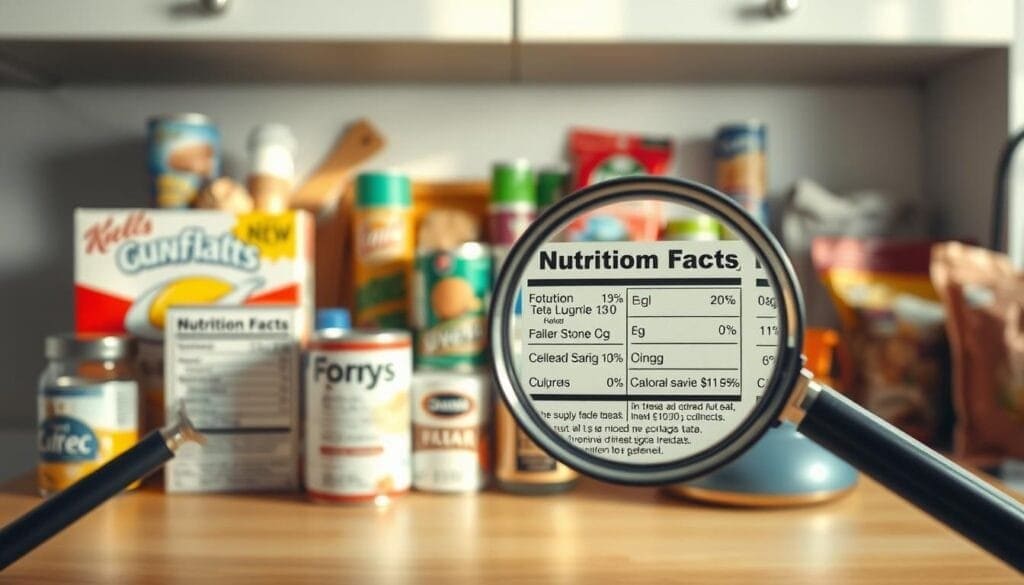
Food labels are key for a sugar-free life. Look for ingredients ending in “-ose” like fructose or sucrose. Sugar has over 60 names on labels, including high fructose corn syrup.
Hidden sugars are in many foods. Check condiments, sauces, and packaged items carefully. Even “healthy” foods like yogurt or granola may have added sugars.
Natural sweeteners like stevia can affect blood sugar levels. Artificial ones may increase sugar cravings. Use any sweetener in small amounts.
Buy whole foods when shopping. Find fresh produce, meats, and dairy around the store’s edges. For packaged foods, pick options with the least added sugar.
| Food Category | Hidden Sugar Sources | Sugar-Free Alternatives |
|---|---|---|
| Beverages | Soda, fruit juices, sports drinks | Water, unsweetened tea, sparkling water |
| Snacks | Granola bars, flavored yogurt, dried fruit | Nuts, fresh fruit, plain yogurt |
| Condiments | Ketchup, BBQ sauce, salad dressings | Mustard, vinegar-based dressings, herbs and spices |
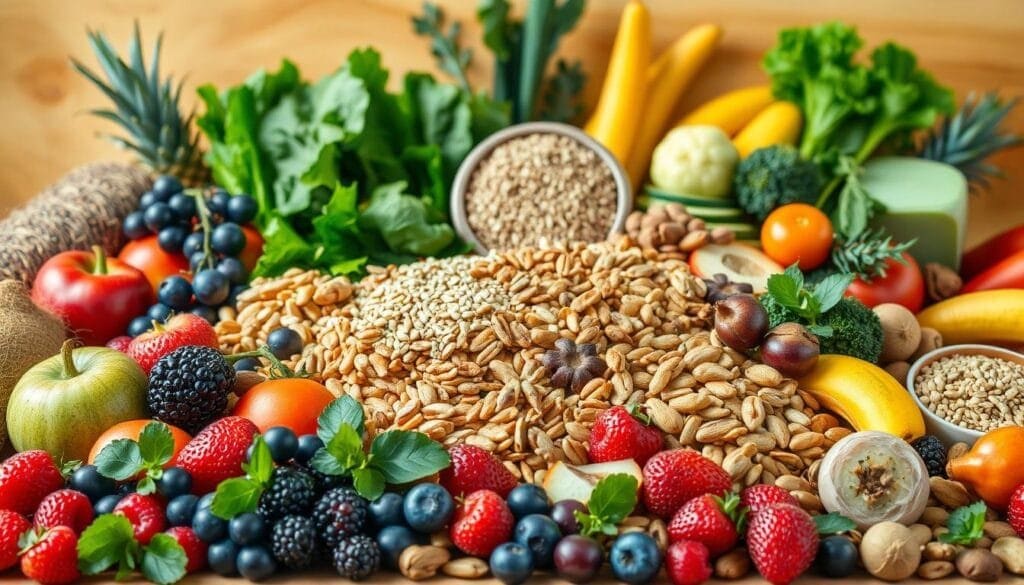
Going sugar-free doesn’t mean giving up taste. Whole foods offer natural sweetness without added sugars. Fruits like berries, apples, and pears can satisfy cravings while providing nutrients.
Veggies such as sweet potatoes and carrots offer subtle sweetness with fiber and vitamins. Lean proteins like chicken, fish, and tofu help balance blood sugar levels.
Whole grains such as quinoa and brown rice provide complex carbs that keep you full. Nuts and seeds make perfect snacks, offering healthy fats and protein.
Natural sweeteners like stevia or monk fruit can be used sparingly. These options provide sweetness without extra calories. But be careful, as overuse may increase cravings.
Shop the store’s perimeter for fresh, whole foods. Read labels carefully to spot hidden sugars. Choose unsweetened versions of yogurt, nut milk, and nut butter.
| Food Category | Sugar-Free Options | Benefits |
|---|---|---|
| Fruits | Berries, Apples, Pears | Natural sweetness, Fiber, Vitamins |
| Vegetables | Sweet Potatoes, Carrots | Subtle sweetness, Fiber, Nutrients |
| Proteins | Chicken, Fish, Tofu | Blood sugar balance, Satiety |
| Grains | Quinoa, Brown Rice | Complex carbs, Sustained energy |
| Snacks | Nuts, Seeds | Healthy fats, Protein |
A sugar-free diet requires careful planning and commitment. Americans eat 17 teaspoons of added sugar daily, which is too much. Let’s look at ways to plan meals and manage cravings without sugar.
Good meal planning is vital for a sugar-free diet. A 1,500-calorie plan can help you lose weight and stay healthy. Choose foods high in fiber and protein like veggies, fruits, and lean meats.
Dealing with cravings is key to staying sugar-free. Many people feel moody and crave sugar at 4 PM and 9 PM. Keep healthy snacks handy and drink plenty of water to help.
Whole fruits are better than dried ones because they have less sugar. Remember this when choosing snacks.
Staying motivated can be hard, but think about the benefits. Many people feel more energetic and have better skin after quitting sugar. Set goals you can reach and keep track of your progress.
Going sugar-free at social events can be tricky. Bring your own sugar-free dishes to parties. Choose drinks without sugar. With practice, you’ll find it easier to stick to your diet.
| Sample Meal Plan | Calories | Fat (g) | Protein (g) | Carbs (g) | Fiber (g) |
|---|---|---|---|---|---|
| Day 1 | 1,510 | 71 | 88 | 135 | 30 |
| Day 2 | 1,507 | 89 | 80 | 111 | 32 |
| Day 3 | 1,525 | 73 | 72 | 158 | 30 |
A no-sugar diet offers many health perks. The USDA suggests limiting added sugar to 10% of daily calories. This helps improve overall wellness.
Cutting out added sugars aids in weight control. Foods with added sugars often lack nutrients and cause weight gain. Eliminating these empty calories helps manage weight effectively.
A sugar-free lifestyle can prevent various diseases. It lowers the risk of chronic conditions like:
Avoiding sugar helps maintain healthy blood levels. This includes blood pressure, cholesterol, and triglycerides. High-sugar diets can raise blood pressure and cause inflammation.
Dental health improves without sugar. Less sugar means fewer cavities and decay. Women should aim for 6 teaspoons of added sugar daily.
Men should limit their intake to 9 teaspoons. A no-sugar diet isn’t just about weight. It’s an investment in your long-term health.
A no-sugar diet can address various health concerns. It helps manage blood glucose levels for those with diabetes. Women should limit free sugars to 30g daily, equal to 7 sugar cubes.
Anti-inflammatory eating is key in a no-sugar diet. Cutting out processed foods reduces inflammation and boosts health. This helps those with inflammation-related conditions.
Personalized nutrition plans boost the benefits of a sugar-free lifestyle. They consider individual needs, activity levels, and health goals. Athletes may need more carbs to fuel their muscles.
People with celiac disease might choose gluten-free, low-sugar options like quinoa and amaranth. These alternatives provide necessary nutrients without harmful ingredients.
| Health Condition | Dietary Focus | Benefits |
|---|---|---|
| Diabetes | Low glycemic index foods | Better blood sugar control |
| Heart Disease | Whole grains, lean proteins | Improved cholesterol levels |
| Inflammation | Omega-3 rich foods | Reduced inflammation markers |
Seek professional guidance when adapting a no-sugar diet to your health needs. A healthcare provider can monitor your progress. They’ll make adjustments to support your unique health goals.
Cutting sugar from your diet is a powerful step toward long-term health. The USDA suggests limiting added sugar to less than 10% of daily calories. This trend is popular among women seeking stable blood sugar and weight management.
Sustainable diet changes are key to success. Start by reading food labels carefully. Many “healthy” products hide lots of sugar. Replace processed foods with vegetables, lean proteins, and healthy fats.
These choices support weight loss and reduce health risks. They can lower your chances of heart disease and diabetes.
The journey to sugar-free living takes time. Set small, achievable goals and celebrate your progress. Stay hydrated and exercise regularly.
Consider using natural sweeteners like stevia in moderation. Be patient and kind to yourself as you make these changes.
By going sugar-free, you’re investing in your future well-being. You can enjoy more energy and better skin health. You’ll also lower your risk of chronic conditions.
Your path to a healthier, sugar-free life begins now. With dedication, you can make lasting changes for your health.
Curious what is the primal diet? Discover how eating like your ancient ancestors—with a side of cheese—might energize you (and your next caveman impression).
Curious about the zero starch diet? Learn what you can actually eat, how to avoid salad boredom, and why potatoes are definitely not invited to this party.
A beginner swim workout turns splashing around into smart, safe exercise—even if your best stroke is “try not to panic.” Learn to swim with confidence (and laughs).