Tips
What Is the Primal Diet? Why Your Inner Caveman Might Need a Salad
Curious what is the primal diet? Discover how eating like your ancient ancestors—with a side of cheese—might energize you (and your next caveman impression).
Real-Life Fitness for Real People
Since 2024
Curious if a 7-day detox diet works wonders or just your patience? See what science and real dietitians say—no magic wands, just real food and a sprinkle of humor.
7-day detox diet plans promise to help you feel lighter, less bloated, and kickstart better eating habits, but the true benefits—and limitations—may surprise you. Research shows that while you may notice a short-term boost from cleaner eating, most detox claims lack solid scientific support.
Disclosure: This article contains affiliate links. We may earn a commission at no extra cost to you.
The idea of a 7-day detox diet often sounds appealing as a quick way to “cleanse” your system. However, the science tells a different story. The common claim that these diets help flush harmful “toxins” from your body lacks solid backing from human research.
Your body’s already equipped with a built-in detox system—your liver, kidneys, skin, and lungs work around the clock to process and eliminate waste. You don’t need expensive juice cleanses or ultra-restrictive meal plans to help them do their job. No credible clinical trial has shown that short detox diets meaningfully remove toxins or boost organ function.
That surge of energy and lighter feeling you might experience? It’s usually because you’re eating fewer processed foods, cutting back on added sugars, drinking more water, and possibly reducing overall calories. These changes naturally reduce bloating and shed water weight—benefits you’d see with any clean-eating approach, not just detoxes.
It’s important to separate personal experiences from proven results. Phrases like “many report feeling” or “some people notice” are fair, but we should view claims about toxin flushing or organ resets with healthy skepticism given the lack of strong evidence.
For lasting health benefits, steady balanced eating and gradual habit changes outperform short restrictive cleanses. If you’re looking for a gentle reset, focusing on vegetables, adequate protein, and minimizing processed foods offers a more sustainable path.
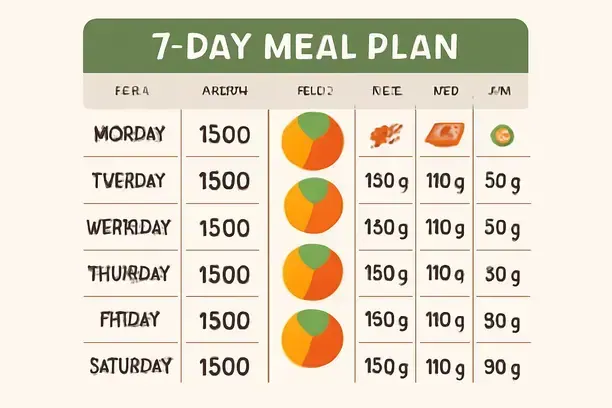
This 7-day detox diet plan gives you both clarity and flexibility, averaging 1200–1500 calories per day. It follows a moderate-carb (40–45%), high-protein (25–30%), and moderate-fat (30–35%) split—designed to keep you energized and satisfied.

Everyone’s calorie and nutrient needs are different, so feel free to tweak this plan based on your activity level, size, and goals.
To add roughly 100 calories, include a teaspoon of olive oil or a handful of almonds. To subtract 100 calories, reduce rice or bread by about 30 grams or skip a teaspoon of oil. For more detailed strategies on balancing your macros, check out the macro division tips on our site.
If you prefer a ready-made approach, the Rapid Soup Detox System offers 14-day meal plans and recipes designed for busy people, providing structure through a soup-based regimen.
Keep in mind that individual needs vary based on age, size, activity, and metabolism. It’s always smart to consult with a healthcare professional before making big dietary changes, especially if you have any health conditions.
Even a short 7-day detox diet can trigger side effects like headaches, fatigue, nausea, mood swings, dizziness, and muscle cramps. More serious symptoms—heart palpitations, trouble concentrating, or fainting—can happen, especially with very low-calorie or liquid-only plans.
These symptoms usually result from low blood sugar, dehydration, or electrolyte imbalances. If you’re dealing with persistent dizziness, irregular heartbeat, confusion, or vomiting, stop the detox right away and get medical help.
If you have a chronic illness, recent surgery, or significant health changes, it’s strongly recommended to seek medical supervision before trying any detox.
Strict detox diets often cut out essential nutrients, which can disrupt growth, milk production, or blood sugar balance. Increased fluid intake or laxative use can worsen imbalances for people with kidney, liver, or heart problems—potentially causing lasting damage.
For those with a history of disordered eating, restrictive detoxes can reactivate harmful behaviors and accumulate negative effects over time.
Talk to your healthcare provider about any detox plan if you have medical conditions or take prescription medications. If alarming symptoms pop up during your detox—chest pain, fainting, or severe weakness—seek emergency care immediately.
Even if you’re generally healthy, new or worsening headaches, vomiting, or heart-related symptoms warrant a call to your doctor. Registered dietitians and physicians can help you safely modify or stop a detox plan if needed.
Never go through a detox diet alone. Let friends or family know what you’re doing and what symptoms to watch for. Keeping tabs on both your physical and mental well-being helps you catch early warning signs.
For a safer, more structured approach that emphasizes real food and hydration, consider programs like the 14-Day Rapid Soup Diet digital system, designed for busy adults looking for a more manageable fat-loss path.
All of our 7-day detox diet articles and plans are written by experienced health writers with backgrounds in nutrition, dietetics, and evidence-based wellness. Our contributors include registered dietitians, certified nutrition coaches, and science communicators who specialize in weight management.
Qualified professionals with no financial conflicts of interest handle our medical reviews, ensuring safety and accuracy. These experts verify nutritional guidance and assess potential safety risks tied to detox protocols.
We’re transparent about who’s behind our content. You’ll find all contributor names, roles, and professional credentials—like “RD,” “MD,” or “MS Nutrition Science”—along with brief bios that explain their expertise.
When we reference specific detox plans or discuss risks and benefits, we clearly describe the level of medical review involved so you know exactly how much clinical scrutiny the content has received.
Each guide includes a “last updated” date showing when we most recently reviewed the scientific or clinical content. We update regularly—at least every six months or whenever new evidence emerges—to keep our information current and trustworthy.
When we make significant changes, we note them in editor’s notes for full transparency.
We openly disclose any financial relationships our contributors might have with brands or services mentioned in our articles. Medical reviewers stay independent and don’t endorse products. Affiliate relationships—like our partnership with the 14-Day Rapid Soup Diet—are always clearly marked.
Before acting on our content, take a moment to review contributor credentials, the scope of medical review, update dates, and disclosures. Always talk to your healthcare provider before starting any rapid weight-loss or detox plan—there are real risks involved.
For practical guidance, explore our resources on safe, sustainable detox meal planning and check out official guidelines on evaluating nutrition information online.
When shopping for 7-day detox diets, you’ll come across plenty of claims and products with varying levels of evidence behind them. We clearly label each product link with either a ‘sponsored’ tag if we have a financial relationship or ‘editor’s choice’ for items we’ve independently assessed.
The Rapid Soup Detox / 14-Day Rapid Soup Diet System is a digital, soup-based weight-loss program aimed at adults over 40 or anyone needing convenient, low-prep meals. It promises rapid fat loss and better cravings control through structured meal timing and satiety principles—though these mechanisms haven’t been independently validated in clinical studies.
Testimonials often showcase dramatic results, but realistic weight loss is closer to 1–1.5 pounds per week. You should consult with a licensed healthcare professional before diving into any intensive diet plan.
The 14-Day Rapid Soup Diet focuses on convenience and psychological support through day-by-day plans, though results ultimately depend on sticking to calorie control and basic nutrition principles.
Curious what is the primal diet? Discover how eating like your ancient ancestors—with a side of cheese—might energize you (and your next caveman impression).
Curious about the zero starch diet? Learn what you can actually eat, how to avoid salad boredom, and why potatoes are definitely not invited to this party.
A beginner swim workout turns splashing around into smart, safe exercise—even if your best stroke is “try not to panic.” Learn to swim with confidence (and laughs).